
Using low-pressure drop filters helps extend your system’s lifespan by reducing airflow resistance, which means your equipment doesn’t have to work as hard. This lowers energy consumption and minimizes wear on parts, leading to fewer repairs and less downtime. By supporting smooth, efficient operation, these filters contribute to long-term reliability and savings. Keep exploring how these filters can optimize your system’s performance and longevity even further.

Get home appliances delivered free — and shop member deals
- Fast, free delivery on millions of items
- Access to Prime Big Deal Days deals on October 6–7
- Prime Video, Amazon Music and more included
Key Takeaways
- Low-pressure drop filters reduce airflow resistance, minimizing energy consumption and preventing system overworking.
- They help extend filter lifespan and decrease maintenance frequency, promoting long-term system reliability.
- Reduced pressure drops prevent system imbalances, ensuring consistent performance and avoiding costly breakdowns.
- Efficient filtration with low resistance supports system longevity by decreasing wear on components and reducing operational stress.
- Maintaining optimal flow with low-pressure drop filters enhances overall system durability and operational stability over time.

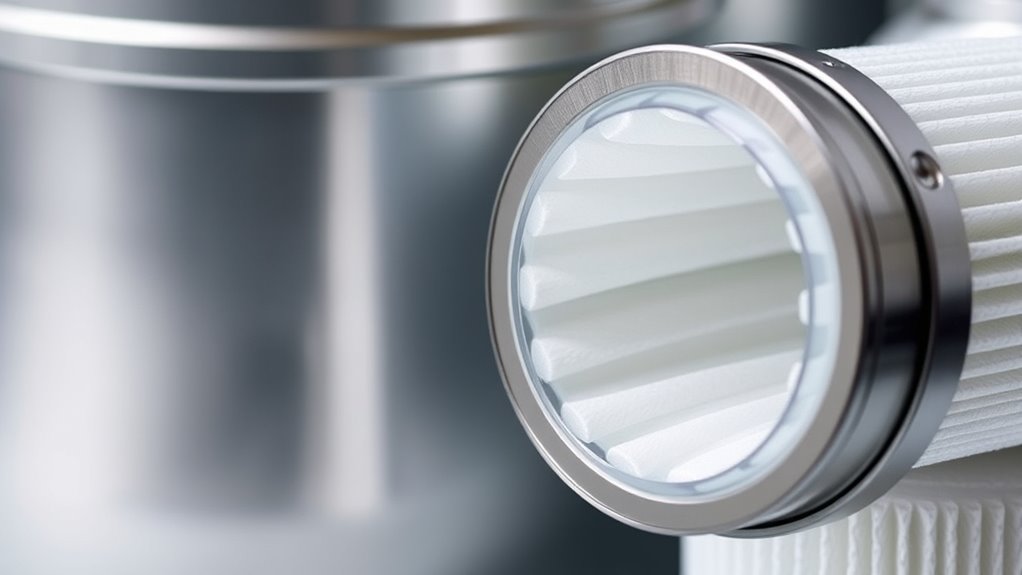
Low-pressure drop filters are designed to efficiently remove contaminants from air or liquids while minimizing resistance to flow. This feature plays an essential role in enhancing your system’s overall performance and longevity. When filters create less resistance, your equipment doesn’t have to work as hard to maintain airflow or fluid movement, which directly impacts energy efficiency. By reducing the energy needed to operate the system, these filters help cut operating costs and promote a more sustainable, cost-effective operation over time.
Low-pressure drop filters boost system efficiency by reducing resistance and energy consumption.
Choosing low-pressure drop filters means you’ll likely see a decrease in your maintenance costs. Since these filters don’t clog or become restrictive as quickly as high-pressure alternatives, you won’t need to replace them as often. This extended lifespan reduces the frequency of filter replacements and the labor involved, saving you both time and money. Moreover, because the system experiences less strain, there’s a lower risk of wear and tear on other components, which can lead to costly repairs or premature equipment failure. This advantage helps you maintain a smoother operation and prolong the lifespan of your entire system.
In addition to cost savings, low-pressure drop filters contribute to system reliability. When filters are less restrictive, they prevent pressure drops that can cause system imbalances or inefficiencies. This stability ensures your system runs consistently, avoiding unexpected breakdowns that could incur significant downtime and repair expenses. By maintaining peak operating conditions, these filters help you avoid the pitfalls of overworking your equipment, which often leads to higher energy consumption and increased maintenance needs. Incorporating vibrational efficiency principles can further optimize system performance and longevity.
Another benefit of low-pressure drop filters is their ability to improve overall system efficiency. When contaminants are effectively removed without creating significant flow resistance, your system can operate at peak performance levels. This means less energy is wasted fighting against filter resistance, and your system can function more smoothly. Over time, these efficiencies translate into lower operational costs and a longer-lasting system. You’ll also appreciate that fewer interruptions and repairs keep your operations running seamlessly, minimizing downtime and maximizing productivity.
As an affiliate, we earn on qualifying purchases.
Frequently Asked Questions
How Do Low-Pressure Drop Filters Affect Overall System Energy Consumption?
Low-pressure drop filters reduce overall system energy consumption by improving pressure efficiency. Their filter design minimizes resistance to airflow, so your system doesn’t have to work as hard, saving energy. By choosing filters with ideal pressure drop characteristics, you enhance efficiency and lower operational costs. This means your system runs more smoothly, uses less power, and maintains better performance over time, making it a smart investment for energy-conscious operations.
What Maintenance Practices Extend Filter Lifespan in Low-Pressure Systems?
You can dramatically extend your filter’s lifespan by practicing regular maintenance. Always monitor and perform timely filter replacement before clogging occurs, and keep contamination control in check by inspecting for dirt and debris. This stops buildup from overwhelming your system, ensuring peak performance. Remember, neglecting these practices can turn your filter into a ticking time bomb, drastically reducing efficiency and causing costly repairs down the line.
Are Low-Pressure Drop Filters Suitable for High-Temperature Applications?
Yes, low-pressure drop filters can be suitable for high-temperature applications if you select the right filter material. Focus on choosing filters with high temperature resistance, such as stainless steel or specialized composites, which can endure the heat without degrading. Always verify the temperature ratings of your filter to ensure it matches your application’s requirements, preventing damage and maintaining system efficiency under high-temperature conditions.
How Do Filter Materials Influence System Longevity?
Think of filter materials as the backbone of your system’s health. Your choice directly impacts system longevity by influencing filtration efficiency and durability. If you select high-quality filter materials, you’ll reduce wear and tear, preventing costly repairs. Conversely, poor material selection can lead to frequent replacements and system breakdowns. So, choose wisely—your system’s lifespan depends on it. Proper filter material selection keeps your equipment running smoothly and efficiently.
Can Low-Pressure Drop Filters Improve Equipment Reliability Over Time?
Yes, low-pressure drop filters can improve equipment reliability over time. By carefully selecting filter materials that minimize pressure differential, you reduce strain on your system components. This helps prevent sudden pressure spikes and filter clogging, leading to smoother operation and less wear. With better filter material selection, you maintain ideal airflow, extend equipment life, and reduce maintenance costs, ensuring your system stays reliable longer.
As an affiliate, we earn on qualifying purchases.
Conclusion
So, next time you choose a low-pressure drop filter, remember you’re sacrificing some filtration power for easier airflow. Sure, your system lasts longer, but don’t be surprised if dust and debris start sneaking past, making maintenance a bit more fun. After all, who needs pristine air when you can enjoy the sweet irony of a longer-lasting filter that’s secretly doing less? Sometimes, less pressure drop truly means less clean air—what a clever trade-off!
As an affiliate, we earn on qualifying purchases.
As an affiliate, we earn on qualifying purchases.
NFL season / tailgating Picks
team gear
As an affiliate, we earn on qualifying purchases.