
Air sealing is a simple, effective way to block hidden leaks that cause drafts, uneven temperatures, and higher energy bills. By sealing gaps around windows, doors, attic hatches, and utility penetrations, you can make your rooms more comfortable and energy-efficient. It prevents drafts, reduces moisture entry, and improves indoor air quality. If you want to learn how to identify and seal these leaks properly, there’s more you can do to upgrade your home comfort.
Key Takeaways
- Air sealing blocks gaps and cracks around windows, doors, and utility penetrations to prevent drafts and heat loss.
- Proper sealing improves indoor comfort by eliminating cold spots and maintaining consistent temperatures.
- Sealing techniques include caulking, weatherstripping, and sealing attic hatches for an effective, invisible upgrade.
- It enhances energy efficiency, reducing heating and cooling costs by minimizing conditioned air escape.
- DIY methods are effective for common leaks, but professional help may be needed for hidden or hard-to-reach areas.
What Is Air Sealing and Why Does It Matter?
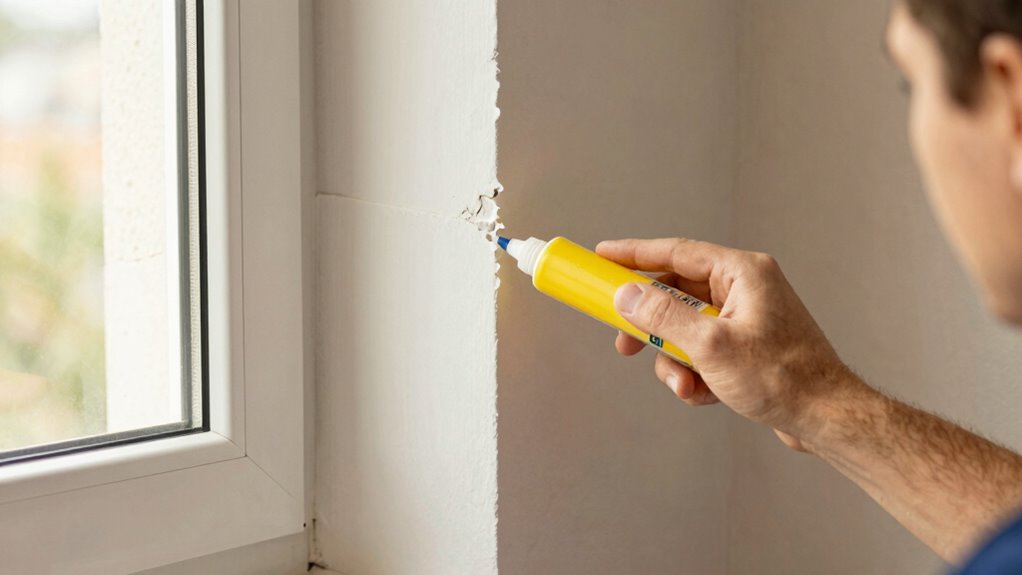
Understanding what air sealing is and why it matters is essential for improving your home’s energy efficiency. Air sealing involves blocking gaps and cracks around doors, windows, and other openings to prevent air leaks. When done correctly, it helps maintain consistent indoor temperatures, reducing the workload on your HVAC system. This simple step can significantly boost energy efficiency and lower your utility bills. Properly sealing these leaks also helps to prevent moisture infiltration, which can lead to mold and structural issues over time. Sealing gaps effectively can also reduce air infiltration through building envelopes, further enhancing your home’s comfort. This not only saves energy but also boosts your home’s overall comfort. You’ll notice fewer drafts and cold spots, making your living space more pleasant year-round. Proper air sealing also prevents outdoor pollutants, pests, and moisture from entering your home. By addressing these small leaks, you’re creating a more efficient and comfortable environment, ultimately lowering your energy bills and enhancing your indoor comfort. It’s a simple upgrade with significant benefits. Incorporating proper maintenance of your home’s envelope can further optimize these improvements.
Where Are the Most Common Gaps and Leaks in Your Home?

You’ll find most gaps and leaks around windows, doors, and attic hatches. These spots often let warm air escape or cold air seep in, affecting your comfort and energy bills. Using a simple method like a smoke pencil can help you spot hidden gaps you might not see otherwise. Additionally, sealant options can be used to effectively close these leaks and improve your home’s insulation. Proper air sealing techniques are essential for maximizing energy efficiency and maintaining a consistent indoor temperature. Addressing Free Floating issues like these ensures your home remains energy-efficient and comfortable year-round. Recognizing energy loss points can help prioritize which areas need sealing most urgently. Implementing air barriers can further reduce unwanted air infiltration and enhance overall home performance.
Common Air Leak Locations
Many homes have common areas where air leaks frequently occur, allowing drafts and energy loss to seep in. Drafty windows are a top culprit, letting cold air in during winter and warm air out in summer. Attic leaks are another frequent source, often caused by gaps around attic hatches, vents, or poorly sealed insulation. These leaks can notably impact your home’s comfort and efficiency. You might also notice gaps around door frames, electrical outlets, or where walls meet floors. Unsealed chimney chases and utility penetrations are additional leak points that often go unnoticed. Identifying these common leak locations is the first step toward sealing them effectively, helping you reduce drafts, lower energy bills, and create a more comfortable living space. Additionally, air sealing can help prevent the infiltration of outdoor pollutants and allergens, improving indoor air quality. Properly sealing these areas can also enhance your home’s overall energy efficiency and reduce your environmental impact.
Detecting Hidden Gaps
Where do hidden gaps and leaks typically hide in your home? Detecting hidden gaps requires a careful approach, especially when inspecting insulation. Look around areas where different building materials meet, like corners, window frames, and door jambs. Pay close attention to spots behind outlets, switches, and vents, as these are common leak sites often overlooked. Use a flashlight and your hand to feel for drafts, and consider using smoke pencils or incense sticks to observe if smoke moves unexpectedly, indicating a leak. Inspecting insulation can reveal gaps that allow air to escape unseen. Additionally, understanding the air sealing basics can help you identify and address these leaks more effectively. Recognizing common leak sites is crucial for efficient detection and sealing. Being familiar with building envelope components can further enhance your ability to locate and seal hidden leaks more comprehensively. Incorporating air barrier materials into your inspection process can also improve the effectiveness of your sealing efforts. Using proper filtering and pump protection techniques can prevent debris from entering your sealing equipment and improve overall results. By systematically checking these areas, you’ll identify the most common gaps and leaks, making your air sealing efforts more effective and improving your home’s comfort and energy efficiency.
How Can You Find and Identify Air Leaks?

Wondering how to spot air leaks in your home? Start by inspecting common trouble spots like windows, doors, and electrical outlets. To get accurate results, try these methods:
- Use your hand or a lit incense stick around suspect areas—if the smoke moves or you feel a draft, you’ve found a leak.
- Conduct a thorough visual inspection, looking for gaps or cracks where caulking techniques and weatherstripping tips can be applied effectively.
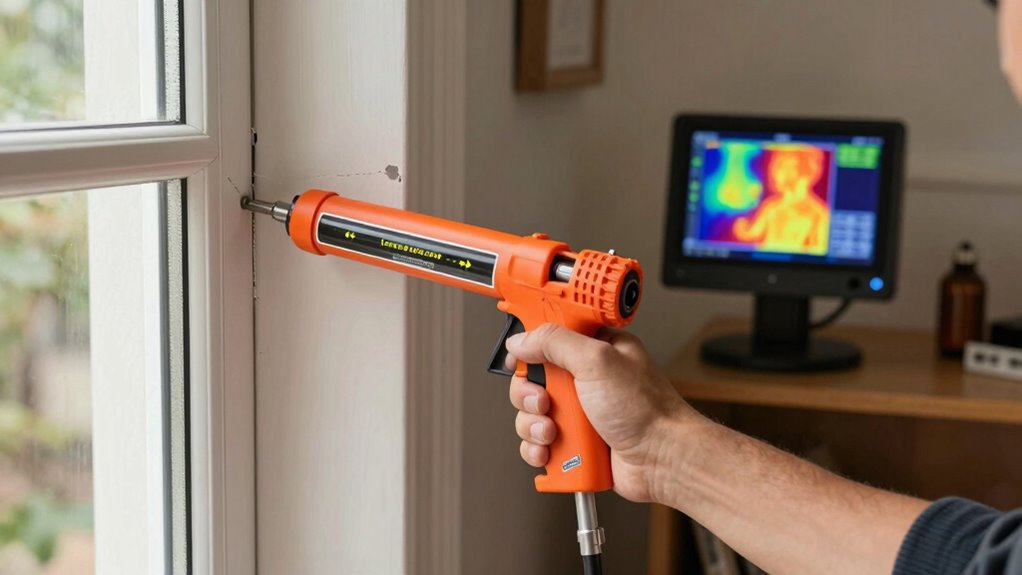
- Perform a blower door test or use an infrared camera for a professional assessment, especially in hard-to-reach places.
What Are Effective Techniques and Materials for Air Sealing?

Effective air sealing involves using proven techniques and materials to close gaps and cracks that let air escape or enter your home. Caulking techniques are essential, as they help you apply sealants precisely where leaks occur. For small gaps around windows, doors, and trim, you can use different sealant types like latex, silicone, or acrylic latex, depending on the surface and location. Silicone sealants are ideal for areas exposed to moisture, while latex or acrylic latex work well for interior cracks and gaps. When applying sealant, guarantee surfaces are clean and dry for maximum adhesion. Properly sealing these openings improves energy efficiency, reduces drafts, and makes your home more comfortable without major upgrades. Additionally, selecting the right air sealing materials ensures long-lasting effectiveness and optimal home comfort. Using the appropriate air sealing techniques can further enhance the durability of your repairs and prevent future leaks. Incorporating proper surface preparation ensures that sealants bond effectively and last longer over time. To achieve the best results, consider using essential DIY tools such as caulk guns, putty knives, and cleaning supplies, which make the process easier and more precise. Being aware of common sealing mistakes can help you avoid issues that compromise your efforts and extend the lifespan of your repairs.
How Does Air Sealing Save Money and Improve Comfort?
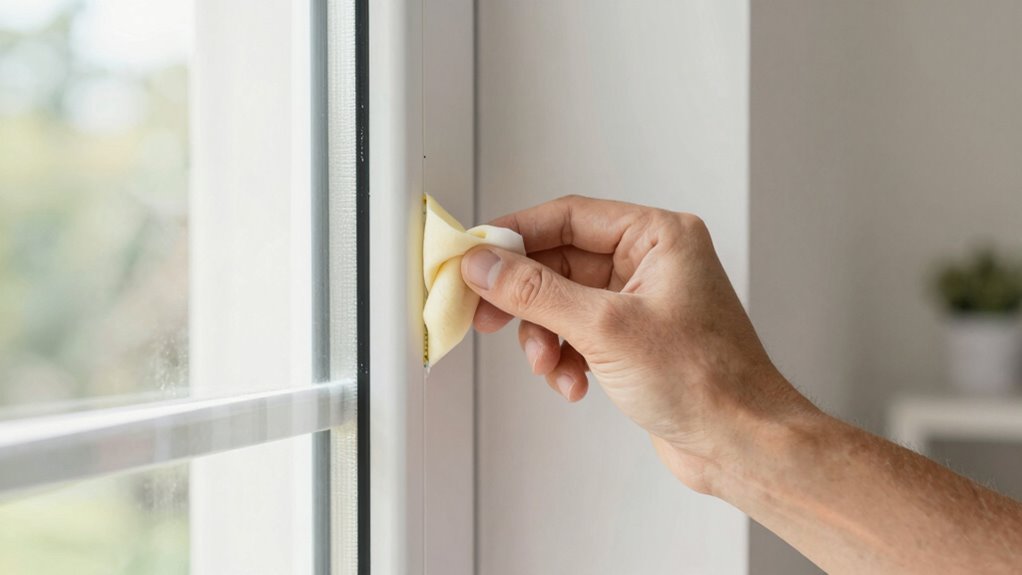
Air sealing helps you save money by reducing your heating and cooling costs, making your energy bills more affordable. It also eliminates drafty areas, so your home feels more comfortable year-round. Plus, it improves indoor air quality by limiting unwanted airflow and pollutants. Implementing proper air sealing techniques can also prevent moisture problems and help maintain the longevity of your home’s structure. Additionally, proper insulation works hand-in-hand with air sealing to further enhance energy efficiency and comfort.
Reduces Heating and Cooling Costs
When you seal gaps and leaks around your home, you prevent conditioned air from escaping and outside air from sneaking in. This improves your home’s insulation and boosts energy efficiency, leading to lower heating and cooling costs. By maintaining a consistent indoor temperature, you rely less on your HVAC system, saving money each month. Additionally, air sealing helps reduce strain on your equipment, extending its lifespan. Here are some benefits:
- Decreases energy bills by preventing heat loss in winter and heat gain in summer.
- Enhances comfort by eliminating drafts and cold spots.
- Supports insulation improvements, making your home more airtight and efficient.
Focusing on air sealing is an effective, invisible upgrade that keeps your home cozy while saving money over time.
Eliminates Drafty Areas Effectively
Drafty areas in your home can make it uncomfortable and costly to maintain the right temperature. Air sealing eliminates these drafts effectively, preventing unwanted air movement and heat loss. By sealing gaps around windows, doors, and vents, you create a barrier that enhances draft prevention. This not only boosts comfort but also promotes insulation synergy, making your existing insulation more effective.
| Gap Location | Benefit of Air Sealing |
|---|---|
| Window frames | Stops cold drafts, reduces heat loss |
| Door thresholds | Prevents air leaks, improves temperature control |
| Attic access points | Keeps warm air inside, lowers energy bills |
| Electrical outlets | Blocks drafts that sneak through wall penetrations |
| Plumbing penetrations | Stops cold air infiltration, adds comfort |
Enhances Indoor Air Quality
By sealing gaps and cracks in your home, you prevent unwanted air from entering or escaping, which directly improves indoor air quality. This reduction in air leaks minimizes pollutants, allergens, and moisture intrusion, creating a healthier environment. Additionally, air sealing supports ventilation improvement by maintaining consistent airflow and reducing stale air buildup. The benefits include:
- Better control over indoor pollutants, leading to cleaner air.
- Reduced humidity levels, preventing mold growth.
- Enhanced overall comfort by stabilizing indoor temperatures and air freshness.
When Should You Call a Professional for Air Sealing?
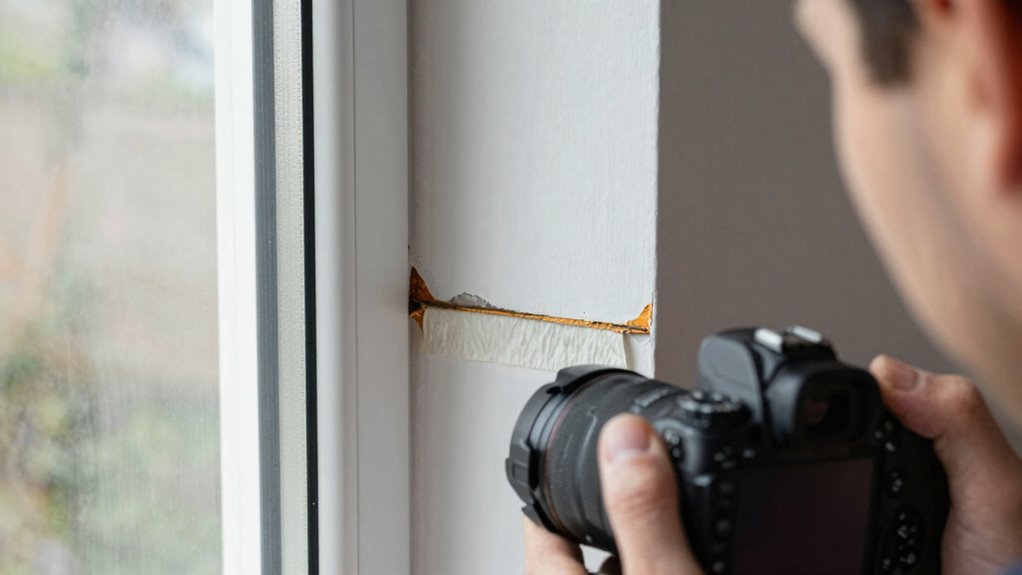
If you notice persistent drafts, uneven temperatures, or difficulty sealing your home effectively, it might be time to call in a professional. A professional assessment can identify hidden leaks and ensure proper sealing, saving you money and energy in the long run. Knowing when to switch from DIY versus expert help is key. Consider calling a pro if you lack the tools, experience, or confidence to achieve thorough results.
| Situation | DIY Possibility | When to Call a Professional |
|---|---|---|
| Persistent drafts | Attempt if comfortable with basic repairs | When drafts remain after DIY efforts |
| Uneven temperatures | Try sealing accessible areas first | For complex or inaccessible spots |
| Hidden leaks | Conduct basic inspections | For detailed assessment and sealing advice |
| Building codes or permits needed | Usually DIY if knowledgeable | When permits or code compliance are required |
Frequently Asked Questions
How Long Does a Typical Air Sealing Project Usually Take?
A typical air sealing project takes about one to three days, depending on the home’s size and complexity. If you’re considering cost-effective upgrades, DIY can be quick and affordable, but for thorough results, hiring professionals guarantees better sealing and energy savings. DIY projects usually take less time but might miss hidden leaks. Professional air sealing is more efficient and guarantees long-term comfort, especially in larger or more complex homes.
Are There Specific Seasons Best Suited for Air Sealing Work?
You should plan your air sealing work during seasonal weather that’s mild and dry, like spring or fall. Ideal timing avoids extreme cold or heat, making the process easier and more effective. Cooler temperatures help identify leaks, while dry weather ensures materials seal properly. Scheduling during these seasons minimizes disruptions and ensures you get the best results, making your home more comfortable and energy-efficient year-round.
Can Air Sealing Damage My Home’s Ventilation System?
Yes, air sealing can impact your HVAC system if not done properly. You might block necessary airflow, causing the system to work harder, which can lead to increased energy bills and potential moisture issues. To prevent damage, guarantee sealing is precise and balanced, maintaining proper ventilation. Consulting a professional helps protect your home’s ventilation system, avoiding adverse effects like improper airflow or moisture buildup, ultimately ensuring comfort and efficiency.
What Are the Environmental Benefits of Proper Air Sealing?
Proper air sealing offers significant environmental benefits by reducing your home’s energy consumption, leading to lower greenhouse gas emissions. When you seal leaks effectively, you improve indoor air quality because less outdoor air pollutants enter your living space. This not only helps conserve resources but also creates a healthier environment for you and your family, making your home more sustainable and eco-friendly overall.
How Often Should I Inspect My Home for New Leaks?
Think of your home as a living organism that needs regular checkups. You should inspect for new leaks at least once a year during routine home maintenance. Seasonal changes, extreme weather, or noticeable drafts are signs it’s time for a leak detection. Regular inspections help catch small issues early, improving energy efficiency and comfort. Stay proactive, and your home will thank you with consistent coziness and lower energy bills.
Conclusion
While some might think air sealing is a costly or complex upgrade, it’s actually an affordable way to boost comfort and save money in the long run. With simple tools and techniques, you can considerably reduce drafts and energy loss. If you’re hesitant about tackling it yourself, remember that professional help ensures a thorough job. Investing in air sealing truly pays off by creating a more comfortable, energy-efficient home you’ll enjoy year-round.