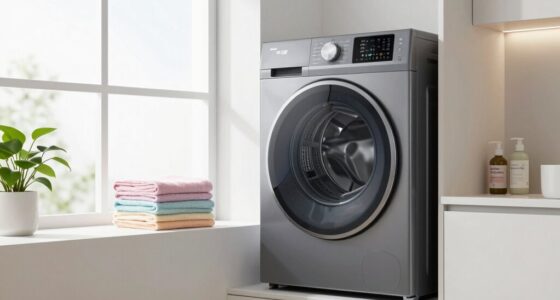
Heat pump dryers genuinely save energy by recycling heat and drying clothes at lower temperatures, reducing electricity use and environmental impact. However, they cost more upfront and take longer to dry laundry than traditional models. While you’ll notice savings on your bills over time, the longer drying cycles and higher initial price are worth considering. To find out if they’re right for your home, explore the full details ahead.
Key Takeaways
- Heat pump dryers consume 30-50% less energy than traditional models, offering significant long-term savings.
- They operate at lower temperatures, which extends clothing lifespan and reduces energy use.
- Longer drying cycles may offset some energy savings with increased time and convenience considerations.
- Higher upfront costs are balanced by lower utility bills and potential rebates over the appliance’s lifespan.
- Effectiveness varies based on climate, load size, and proper maintenance, influencing actual energy savings.
How Do Heat Pump Dryers Work and Why Are They Energy-Efficient?
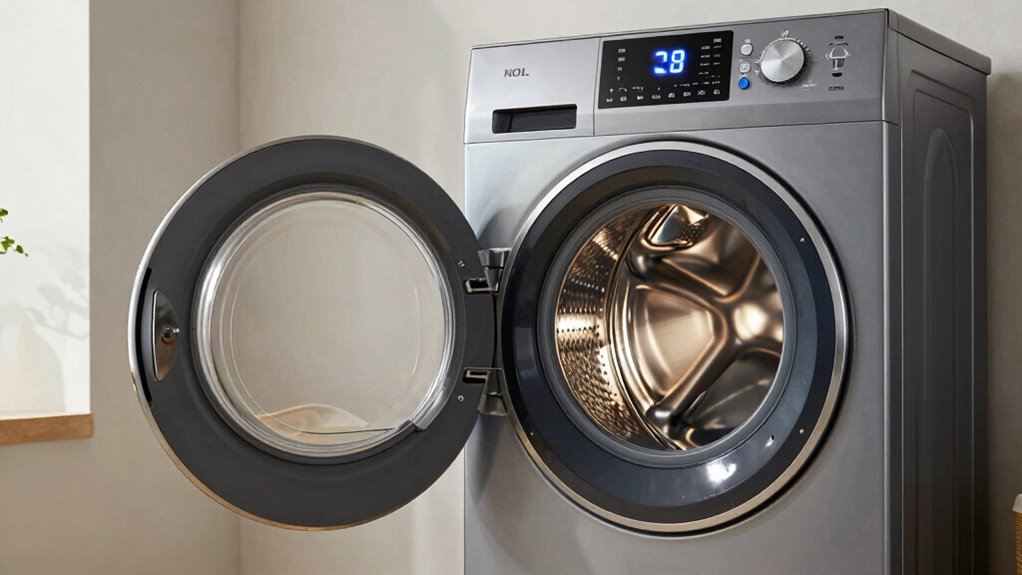
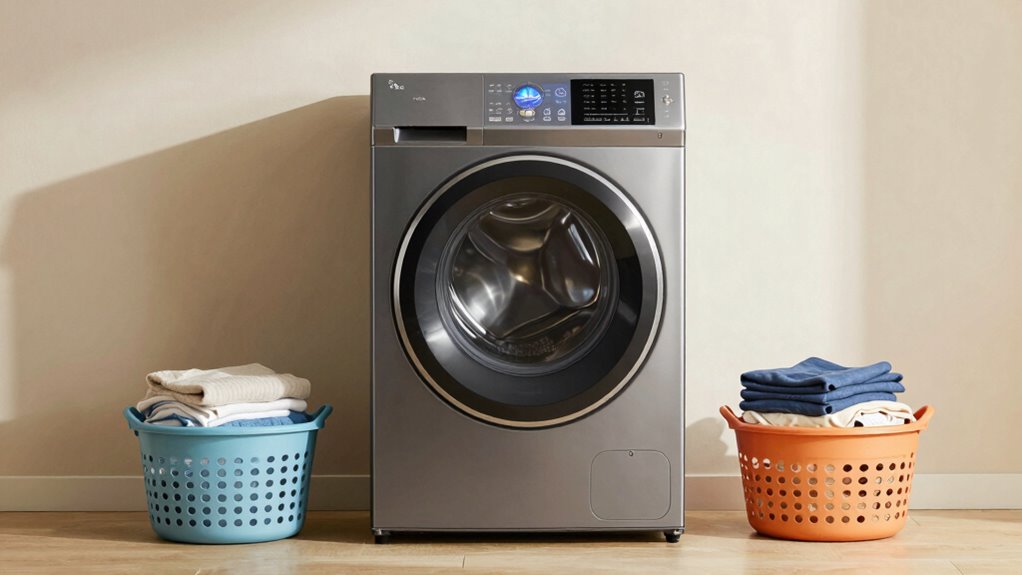
Heat pump dryers work by recycling heat to dry clothes more efficiently. Instead of venting hot air outside, they use a closed-loop system that captures and reuses heat. As clothes tumble in the laundry room, the dryer cools the moist air, extracting water and warming up the refrigerant. This process heats the air again, reducing energy consumption. You’ll notice less heat loss, making the dryer more eco-friendly and cost-effective. Plus, the gentle drying process helps keep your clothes looking their best, which makes clothes folding easier and safer. Since heat pump dryers operate at lower temperatures, they’re ideal for small or shared laundry rooms, minimizing heat buildup. Overall, their design maximizes energy savings while protecting your wardrobe. Incorporating well-drained soil and full sun can also support the optimal operation of outdoor appliances near your laundry area. Understanding energy-efficient technologies can further enhance your choice in appliances, ensuring long-term savings and sustainability. Additionally, adopting eco-friendly practices can help maximize the benefits of these energy-efficient appliances and reduce your overall environmental impact. Being aware of ventilation needs can also improve the efficiency and safety of outdoor laundry setups. Proper ventilation helps prevent moisture buildup and ensures the system operates at peak efficiency.
What Are the Key Benefits of Using a Heat Pump Dryer?
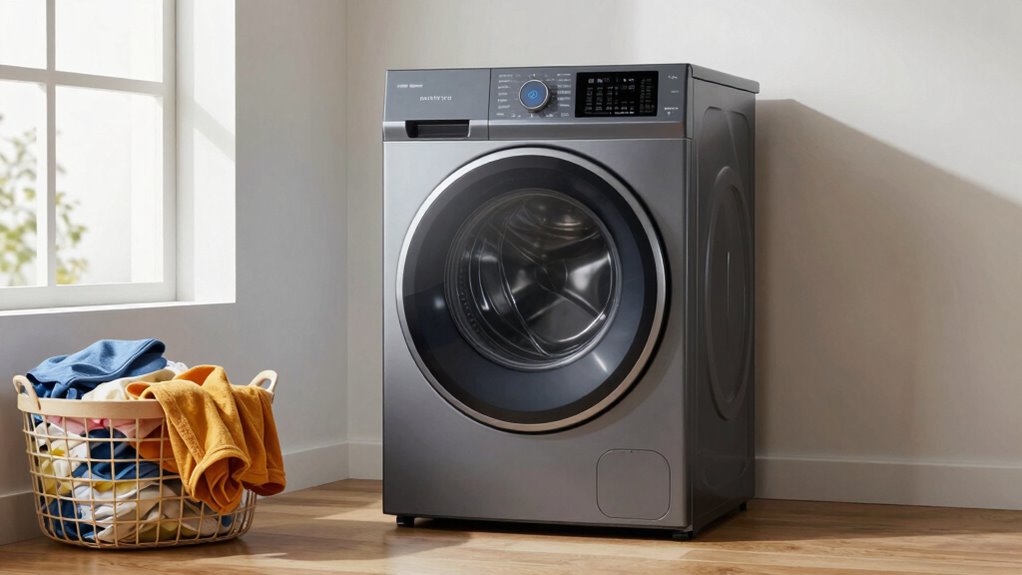
One of the biggest advantages of using a heat pump dryer is its energy efficiency, which considerably reduces your household’s energy consumption. This efficiency helps lower your carbon footprint, positively impacting the climate. Thanks to technological innovations, heat pump dryers use less electricity compared to traditional models, making them a greener choice. They operate at lower temperatures, which not only saves energy but also protects your clothes from damage. Additionally, their closed-loop system minimizes heat waste, further enhancing efficiency. The reduced energy use translates into lower utility bills and less environmental harm. Moreover, the energy-saving features of heat pump dryers contribute significantly to sustainable living practices. Incorporating indoor air quality considerations, such as proper ventilation, can further optimize the benefits of using energy-efficient appliances like heat pump dryers. An important aspect of maximizing their efficiency is selecting appropriate ventilation techniques, which can help improve overall indoor air quality. Overall, choosing a sustainable appliance like a heat pump dryer aligns with sustainable living goals, offering you a practical way to save money while contributing to a healthier climate.
Why Do Heat Pump Dryers Cost More to Buy Upfront?

Although heat pump dryers offer long-term savings through lower energy costs, their initial purchase price is higher than traditional models. This is mainly due to advanced components like heat exchangers and inverter technology, which increase manufacturing costs. You might notice the upfront investment, especially when setting up your laundry room or during clothes folding. To help you understand, here’s a quick comparison:
| Feature | Traditional Dryer | Heat Pump Dryer | Cost Difference |
|---|---|---|---|
| Energy Efficiency | Moderate | High | Higher initial |
| Technology Complexity | Lower | Higher | Increased cost |
| Long-term Savings | Less | More | Investment pays off |
The initial cost reflects these sophisticated parts, but they pay off with energy savings and eco-friendliness. Additionally, regional climate can influence the efficiency and cost-effectiveness of heat pump dryers. For example, climate conditions can impact the dryer’s ability to recover heat efficiently, affecting overall performance and savings. Beyond these factors, manufacturing advancements continue to drive down costs and improve performance, making heat pump dryers more accessible over time. Moreover, ongoing advancements in heat pump technology continue to enhance their affordability and efficiency over time. Recognizing the importance of cost-benefit analysis can help consumers make informed choices about investing in these eco-friendly appliances.
How Do Drying Times Compare: Heat Pump vs. Traditional Dryers?

While heat pump dryers are more energy-efficient, they typically take longer to dry clothes compared to traditional models. This difference in drying speed is mainly due to the lower temperature and gentler drying process used by heat pump units. As a result, your clothes may need more time in the dryer, which can be inconvenient if you’re in a hurry. Additionally, anti-fatigue mats can help reduce fatigue during long drying cycles. However, this longer drying cycle often leads to lower energy consumption overall, since less energy is used to generate heat. Energy consumption patterns also play a significant role in how these appliances impact your utility bills. Traditional dryers dry clothes faster, but they consume more energy in the process. If you prioritize drying speed above all, a conventional dryer might suit your needs better, but if you’re aiming to save on energy, a heat pump dryer offers a more efficient, albeit slower, alternative. It’s also important to consider energy efficiency standards and how they influence appliance performance and environmental impact. Additionally, understanding refrigerant types and their environmental effects can help you make a more sustainable choice. Moreover, advances in dryer technology are continually improving drying times for heat pump models, making them more competitive with traditional dryers.
Do Heat Pump Dryers Protect Clothes Better? Benefits and Drawbacks

Heat pump dryers are often praised for being gentler on clothes because they operate at lower temperatures, which can help reduce wear and tear over time. This gentle operation is especially beneficial for delicate fabrics that are prone to damage with high-heat drying. This means better clothes protection and improved fabric care, especially for delicate items. However, there are some drawbacks to weigh up:
- Longer drying times may lead to more agitation, potentially stressing fabrics.
- Limited heat might not fully dry heavy or bulky items, risking dampness.
- Energy efficiency can sometimes come at the expense of thoroughness, possibly requiring extra drying cycles.
- Additionally, proper ventilation is essential to prevent moisture buildup and ensure optimal performance of heat pump dryers.
- Because heat pump dryers rely on advanced technology, they can sometimes be more sensitive to environmental conditions, which may affect their efficiency and effectiveness.
- It’s also important to consider the initial cost and maintenance requirements, as these factors can influence the overall savings and convenience.
While heat pump dryers excel at protecting fabrics, they might not always be the best choice for every load. Weighing these benefits and drawbacks helps you decide if they suit your clothes protection needs.
What Are the Main Limitations of Heat Pump Dryers?
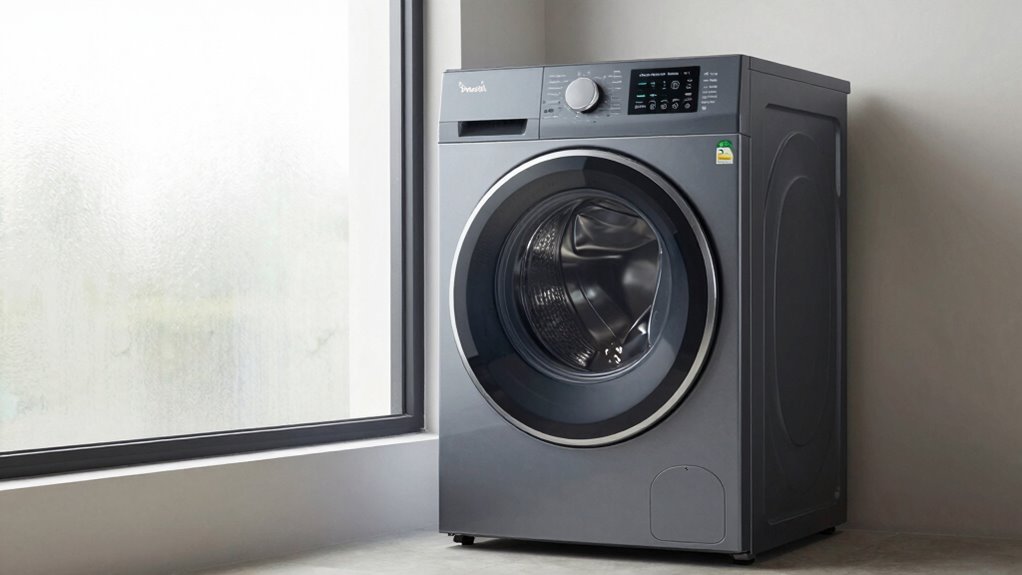
Heat pump dryers have some limitations you should consider before buying. They often take longer to dry clothes, which might be inconvenient. Additionally, they tend to cost more upfront and offer fewer model choices, so you’ll need to weigh these factors carefully.
Longer Drying Cycles
One of the main limitations of heat pump dryers is their longer drying cycles compared to traditional models. Although they use energy efficient technology, the drying cycle duration can be a drawback when you need clothes quickly. Here’s what you should know:
- The extended cycle means it takes more time to dry your laundry, which might be inconvenient for busy schedules.
- The longer drying process helps save energy but can be frustrating if you’re in a hurry.
- To compensate, you might need to plan ahead, especially during busy mornings or when handling large loads.
While the energy savings are significant, the trade-off is the increased drying time that could impact your daily routine.
Higher Purchase Cost
A key limitation of heat pump dryers is their higher purchase cost compared to traditional models. This initial investment can be a barrier for many consumers, especially since the price tag often reflects advanced technology and energy efficiency. Additionally, installation challenges may arise, as these units sometimes require specific ventilation or electrical setups that can increase setup expenses. The aesthetic design of heat pump dryers may also differ from standard models, potentially influencing your choice based on how well they blend with your laundry space. While they offer long-term savings on energy bills, the upfront cost and installation considerations can make them less accessible for some households. Weighing these factors is essential before deciding if a heat pump dryer fits your budget and home layout.
Limited Model Options
Despite their energy efficiency benefits, heat pump dryers currently offer limited model options, which can restrict your choices. This limited selection stems from ongoing technology development and manufacturing constraints, leading to compatibility concerns with existing laundry setups. Here are the main limitations:
- Fewer brands and models are available, reducing variety.
- Compatibility concerns may arise with certain laundry spaces or electrical systems.
- Limited features and size options can restrict customization for your needs.
Because of these factors, you might find it challenging to find a heat pump dryer that perfectly fits your space, budget, or desired features. While energy savings are attractive, the limited model options mean you must weigh these constraints carefully before making a purchase.
How Much Can You Save on Energy Bills With a Heat Pump Dryer?
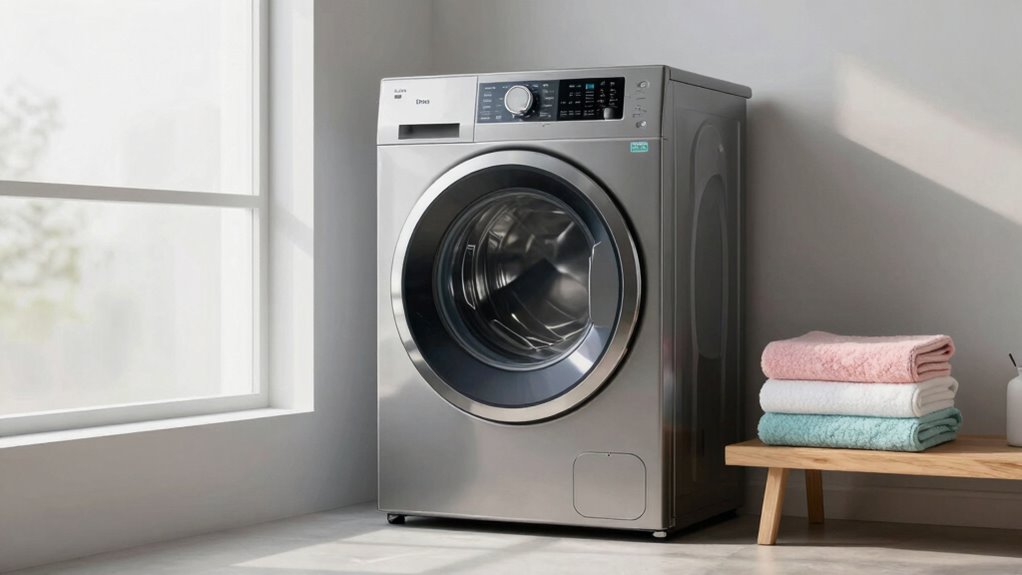
Heat pump dryers are designed to use markedly less energy than traditional vented or condenser dryers, which means you can see noticeable savings on your energy bills. On average, they consume about 30-50% less energy, leading to lower monthly costs. Over time, this can add up considerably, especially if you do frequent laundry. Plus, because heat pump dryers operate at lower temperatures, they tend to be gentler on your clothes and may extend the appliance lifespan. Here’s a quick comparison:
| Feature | Heat Pump Dryer | Traditional Dryer |
|---|---|---|
| Energy Consumption | 30-50% less | Higher |
| Cost Savings | Up to hundreds annually | Less noticeable |
| Appliance Lifespan | Usually longer | Typically shorter |
| Operating Temperature | Lower | Higher |
| Environmental Impact | Reduced carbon footprint | Higher |
With these savings, a heat pump dryer is an eco-friendly, cost-effective choice.
Is a Heat Pump Dryer Right for Your Household? Factors to Consider
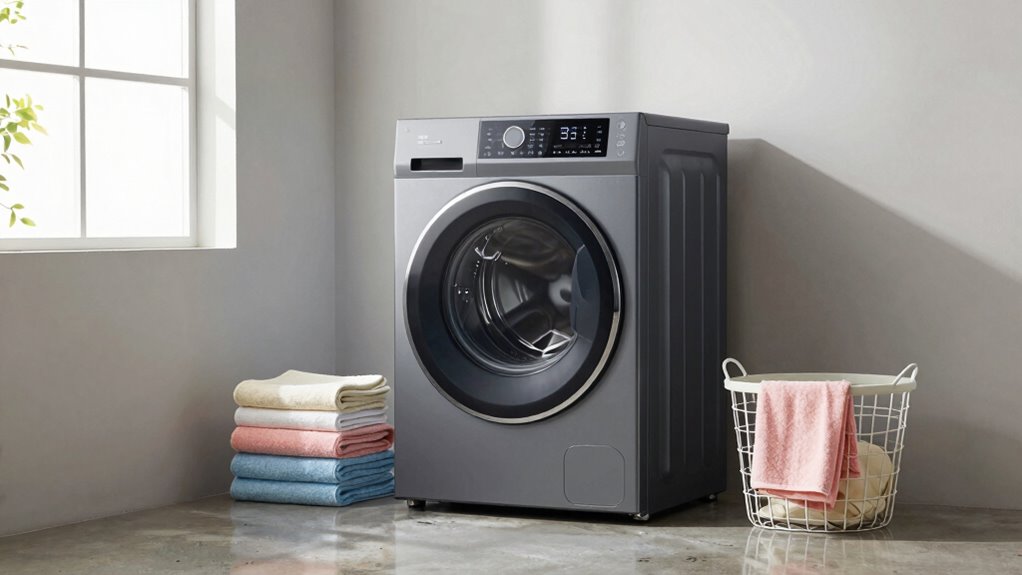
Before choosing a heat pump dryer, consider your initial costs and whether your space can accommodate it, especially regarding venting requirements. Think about how the long-term energy savings could balance out the upfront investment. Evaluating these factors helps determine if a heat pump dryer is the right fit for your household.
Initial Investment Costs
Investing in a heat pump dryer requires a higher upfront cost compared to traditional models. When you’re doing a cost comparison, keep in mind that the initial price is markedly steeper. Additionally, installation challenges can add to the expense, especially if your home needs modifications.
Consider these factors:
- The purchase price is often double or more than standard dryers.
- Installation might involve specialized electrical work or venting adjustments.
- Long-term savings from lower energy bills can offset the initial investment over time.
While the upfront cost is higher, it’s essential to weigh this against potential energy savings and durability. If you’re prepared for the initial expense, a heat pump dryer could be a smart, eco-friendly choice.
Space and Venting Needs
Since heat pump dryers are often larger and heavier than traditional models, you’ll need to verify you have enough space for installation. These units require adequate room for air circulation and easy access for maintenance. Additionally, venting requirements are minimal since most models don’t need external venting, but some might still need a dedicated space for venting if applicable. Proper space optimization helps prevent overheating and ensures efficient operation.
| Factor | Consideration |
|---|---|
| Size | Larger footprint; measure your available space |
| Weight | Heavier; ensure your floor can support it |
| Venting requirements | Check if external venting is needed |
| Accessibility | Easy access for maintenance and loading |
| Placement | Avoid tight or cramped spots for airflow |
Long-Term Energy Savings
Long-term energy savings are a significant advantage of choosing a heat pump dryer, especially if you’re looking to reduce your household’s utility bills. These dryers use advanced appliance design to recycle hot air, consuming less energy over time. To maximize benefits, consider these factors:
- Clothing care: Heat pump dryers operate at lower temperatures, helping preserve fabrics and prolong clothing lifespan.
- Efficiency: Their innovative design minimizes energy use, leading to noticeable savings on your monthly bills.
- Durability: Due to gentler drying processes, heat pump dryers tend to last longer, offering ongoing savings beyond energy costs.
If you value energy efficiency and gentle clothing care, a heat pump dryer could be a smart long-term investment for your household.
How Do Maintenance and Durability of Heat Pump Dryers Compare?
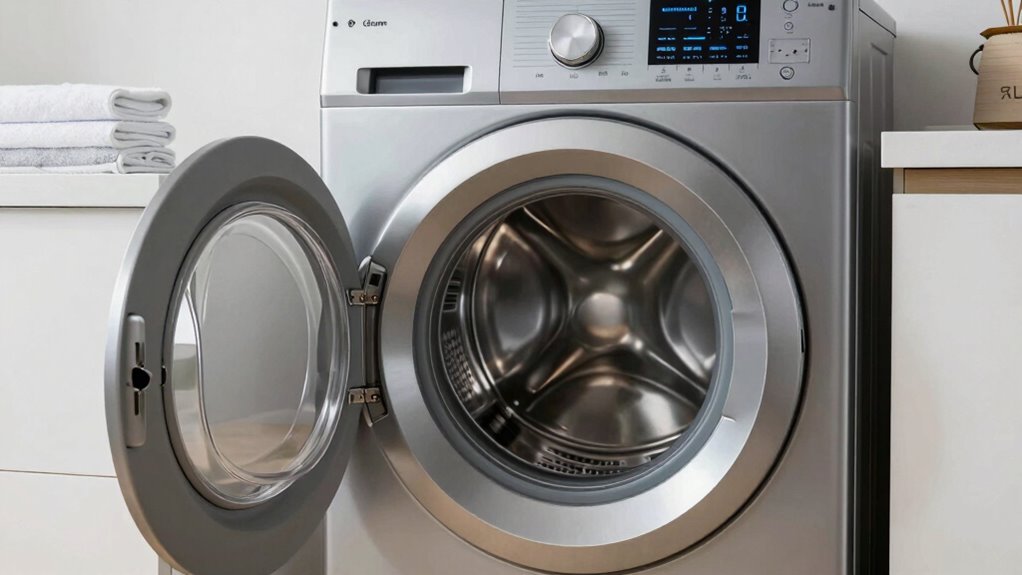
Heat pump dryers generally require less maintenance than traditional vented models because they have fewer moving parts and operate more efficiently. You’ll find that maintenance frequency is lower, mainly because there are fewer components prone to wear and tear, like vents and lint traps. This can lead to less frequent cleaning and servicing needs. When comparing durability, heat pump dryers tend to hold up well over time, thanks to their simpler design and gentle drying process. However, their compressor and electronics are critical components, so proper care is vital to ensure long-term performance. Overall, they compare favorably in durability, but regular maintenance of filters and sensors will keep your dryer running smoothly and extend its lifespan.
Final Thoughts: Should You Choose a Heat Pump Dryer?
Considering a heat pump dryer means weighing energy savings against the higher upfront cost. You’ll want to think about how much you can save over time and whether the initial expense fits your budget. Ultimately, understanding these points helps you decide if a heat pump dryer is the right choice for you.
Energy Efficiency Gains
Because heat pump dryers use advanced technology to recycle and reuse heat, they typically consume less energy than traditional models. This means you’re saving on energy bills while still maintaining good clothing care. Here are three key benefits:
- Lower Energy Consumption: They use markedly less electricity, making them more eco-friendly.
- Reduced Noise Levels: Their quieter operation means less disruption in your home.
- Gentle on Clothing: The dry cycles are gentler, helping clothes last longer without sacrificing thorough drying.
While these energy efficiency gains are impressive, keep in mind that they might take longer to dry your clothes. But if you prioritize energy savings, quieter operation, and better clothing care, a heat pump dryer is worth considering.
Upfront Cost Considerations
The upfront cost of a heat pump dryer is generally higher than that of traditional models, which can be a significant factor in your purchasing decision. Conducting a thorough cost analysis helps you weigh the initial investment against potential savings and benefits. While the initial price may seem steep, consider the environmental impact—these dryers use less energy and reduce carbon emissions over time. Some models qualify for rebates or incentives, offsetting the upfront expense. Keep in mind that higher initial costs don’t always mean higher overall expenses; energy efficiency can lead to savings on utility bills. Ultimately, balancing the upfront cost with long-term benefits and environmental considerations will guide you toward the right choice for your household.
Long-Term Savings Potential
While the initial purchase price of a heat pump dryer may be higher, its true value lies in the long-term savings it offers. You can expect significant benefits over time, especially in *regarding* reduced energy consumption. Here’s what you should consider:
- Lower energy bills due to efficient operation, saving you money each month.
- Extended appliance lifespan, which means fewer replacements and repairs.
- Consistent performance that maintains efficiency, maximizing your investment.
Although the upfront cost is notable, these factors contribute to substantial savings over the dryer’s lifetime. By choosing a heat pump dryer, you’re investing in an appliance that not only conserves energy but also lasts longer, ultimately delivering better value and lower costs in the long run.
Frequently Asked Questions
Are Heat Pump Dryers Suitable for All Climates and Household Sizes?
Heat pump dryers are generally suitable for most climates, thanks to their good climate adaptability, but they perform best in warmer environments. Your household size impacts their efficiency; larger families may need more capacity or faster drying times. If you live in a very cold climate or have a big household, consider whether a heat pump dryer meets your needs or if another type might be better for your specific situation.
How Long Is the Typical Lifespan of a Heat Pump Dryer?
A heat pump dryer typically lasts about 10 to 15 years with proper maintenance. Its energy efficiency helps you save on electricity bills over its lifespan. To guarantee longevity, you should follow maintenance requirements like cleaning filters and checking vents regularly. Proper care minimizes wear and tear, allowing you to enjoy the benefits of energy-efficient drying for many years.
Do Heat Pump Dryers Require Special Venting or Installation?
You’ll be glad to know heat pump dryers don’t need special venting, unlike traditional models. They’re designed for easy installation, often fitting into existing laundry spaces without extra venting requirements. However, you should consider proper airflow and clearance for ideal performance. About 75% of users find installation straightforward, making these dryers a convenient, energy-efficient choice that simplifies setup without the hassle of venting or complex installation considerations.
Can Heat Pump Dryers Handle Large Loads Efficiently?
Yes, heat pump dryers can handle large loads efficiently, thanks to their energy efficiency. However, their drying speed is generally slower than traditional dryers, so you might need to wait a bit longer for big laundry days. Despite the longer drying time, they conserve energy and reduce costs. If you’re patient with load sizes, a heat pump dryer offers a smart, eco-friendly choice for efficient drying.
Are There Any Safety Concerns Specific to Heat Pump Dryers?
You should know heat pump dryers are generally safe, but stay alert to fire hazards and electrical safety issues. Regularly clean filters and vents to prevent lint buildup, which can cause overheating. Guarantee proper installation and use the correct power outlets to avoid electrical faults. By taking these precautions, you reduce risks, keeping your laundry routine safe and efficient. Always follow manufacturer instructions for maximum safety and performance.
Conclusion
Considering a heat pump dryer? While the upfront cost is higher, the long-term energy savings and gentle drying process make it worth it—especially if you have a busy household. For example, in a recent case study, a family saved over $200 annually on energy bills after switching. If you prioritize eco-friendliness and fabric care, a heat pump dryer could be a smart, sustainable choice for your home.