Ventless dryers use condensation or heat pump technology to dry clothes by recycling and removing moisture internally, which makes drying longer than traditional vented models. They’re energy-efficient, space-saving, and ideal for indoor use but can take more time due to their gentle, moisture-recycling process. If you want to understand why they often dry slower and when it’s worth choosing one, keep going—you’ll find helpful details ahead.
Key Takeaways
- Ventless dryers use condensation and heat exchange, which naturally take longer than traditional vented models.
- Energy-efficient moisture sensors optimize drying, but longer cycles are needed to prevent over-drying.
- Their slower drying times are a trade-off for space-saving, safer, and eco-friendly operation.
- Proper maintenance and load management can help improve drying speed in ventless units.
- Upgrading may be worth it if longer cycles are inconvenient, but energy savings and space benefits outweigh this concern.
How Do Ventless Dryers Work Compared to Traditional Models?
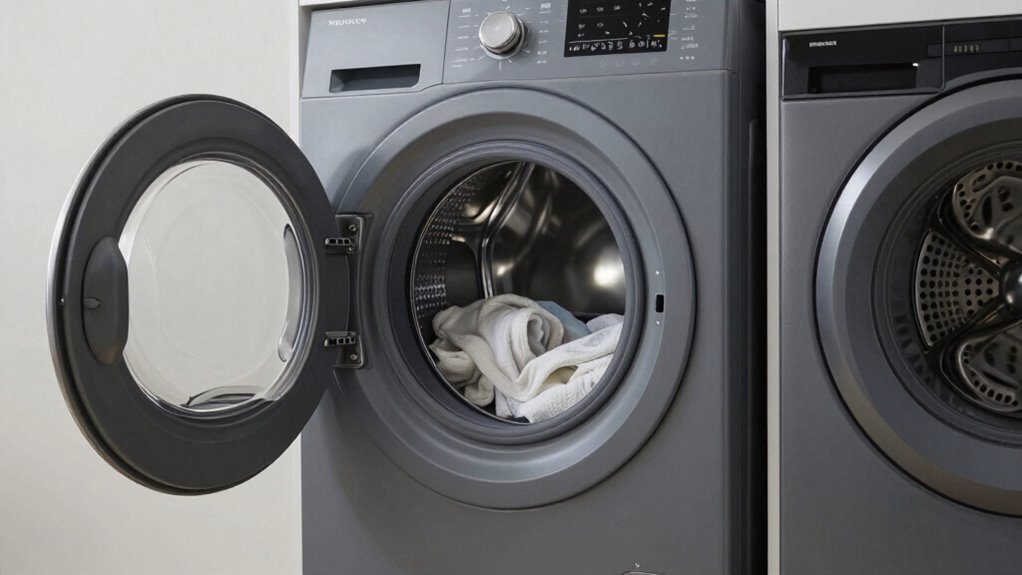
While traditional dryers rely on venting hot, moist air outside, ventless dryers operate differently by recycling and removing moisture internally. They use heat exchange systems to condense moisture from your clothes, collecting it in a reservoir or draining it away. Moisture sensors play a crucial role, detecting when clothes are dry and automatically stopping the cycle to save energy. This system prevents over-drying and helps maintain fabric quality. Instead of venting air outside, ventless models continuously recirculate and dehumidify the air within the unit. The heat exchange process cools the moist air, condensing the water and releasing dry, warm air back into the drum. Additionally, energy efficiency is a key benefit, as these models typically consume less power than traditional dryers. This method makes ventless dryers more flexible, especially in spaces where vent installation isn’t feasible. Cookie management options also enhance user control over drying cycles and energy efficiency.
What Factors Affect Drying Speed in Ventless Dryers?
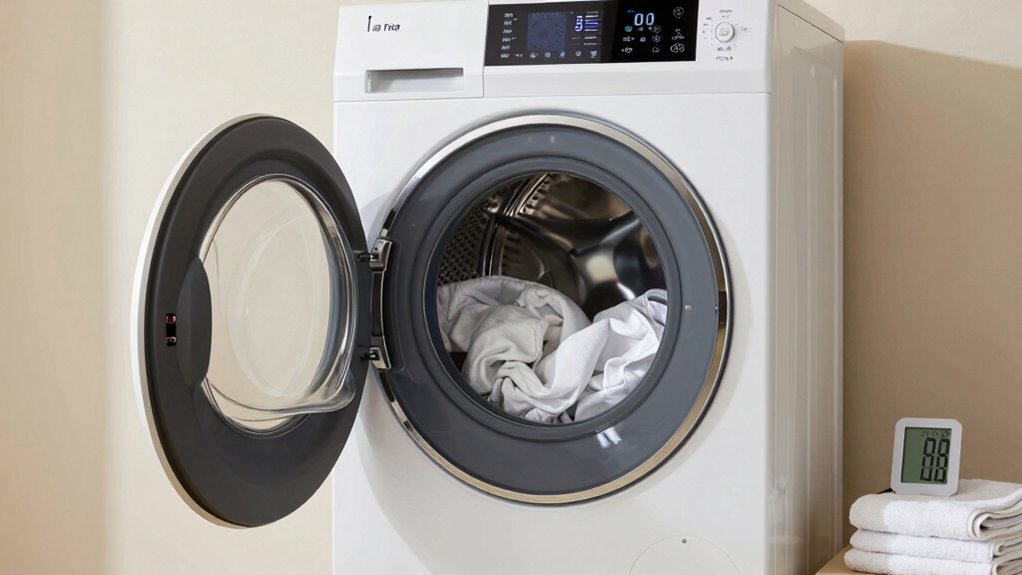
Several factors can influence how quickly a ventless dryer completes its cycle. One key element is the moisture sensors, which detect when clothes are dry and help optimize the drying cycle duration. If the sensors inaccurately gauge moisture levels, the cycle may end prematurely or run longer than necessary. Additionally, the type and amount of laundry impact drying speed; larger loads or bulky items take longer to dry. The initial moisture content and fabric thickness also matter. Properly spaced and evenly distributed clothes allow for better airflow and more efficient drying. Furthermore, sensor calibration plays a vital role in ensuring accurate readings, which can directly affect drying time. Finally, the drying cycle settings you choose can affect speed—selecting a quick or timed cycle may shorten drying time but sometimes at the expense of thoroughness. An understanding of sensor accuracy can help you troubleshoot and improve drying efficiency, especially since ventless dryers rely heavily on electronic controls rather than external vents. Moreover, regular maintenance such as cleaning lint filters and sensor areas can significantly enhance drying performance.
Why Do Ventless Dryers Usually Take Longer to Dry Clothes?
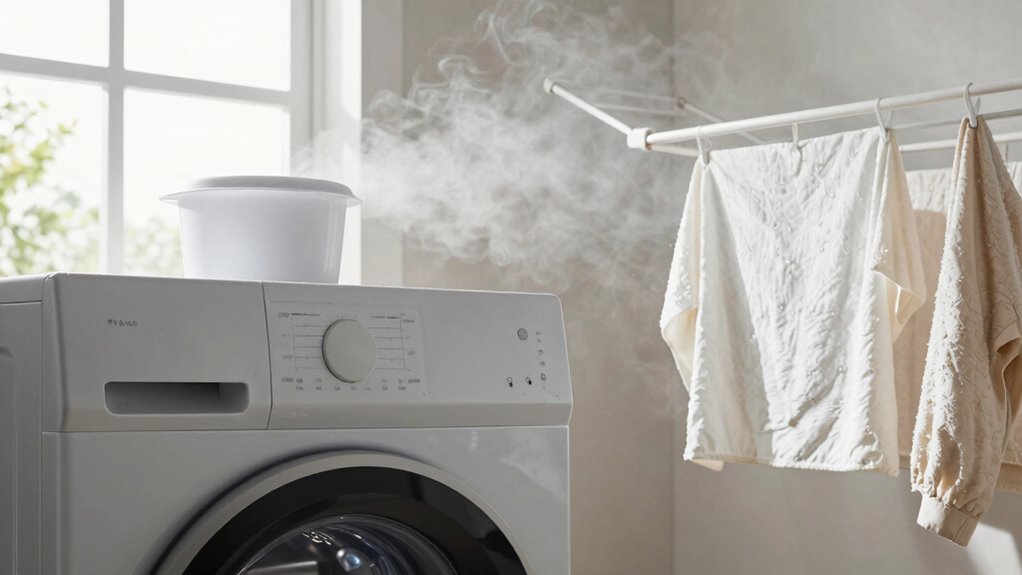
Ventless dryers generally take longer to dry clothes because they rely on a different process to remove moisture compared to traditional vented models. Instead of venting hot air outside, they use condensation or heat pump technology to extract moisture, which is a gentler but slower process. This method offers energy savings since it recycles heat and uses less power overall. Additionally, foster growth mindsets can help users adapt to the longer drying times more positively. Proper installation techniques are essential because they ensure the dryer functions efficiently; improper setup can lead to increased drying times or operational issues. Correct installation procedures also help prevent issues like inadequate airflow or improper condensate drainage, which can further extend drying times. While the drying process takes longer, many find the energy efficiency and convenience of ventless dryers worth the extra time, especially in homes where traditional venting isn’t feasible. Ensuring proper ventless dryer maintenance, such as cleaning filters and condensers, can also improve drying performance and reduce overall drying time.
How Can You Troubleshoot Slow Drying in a Ventless Dryer?
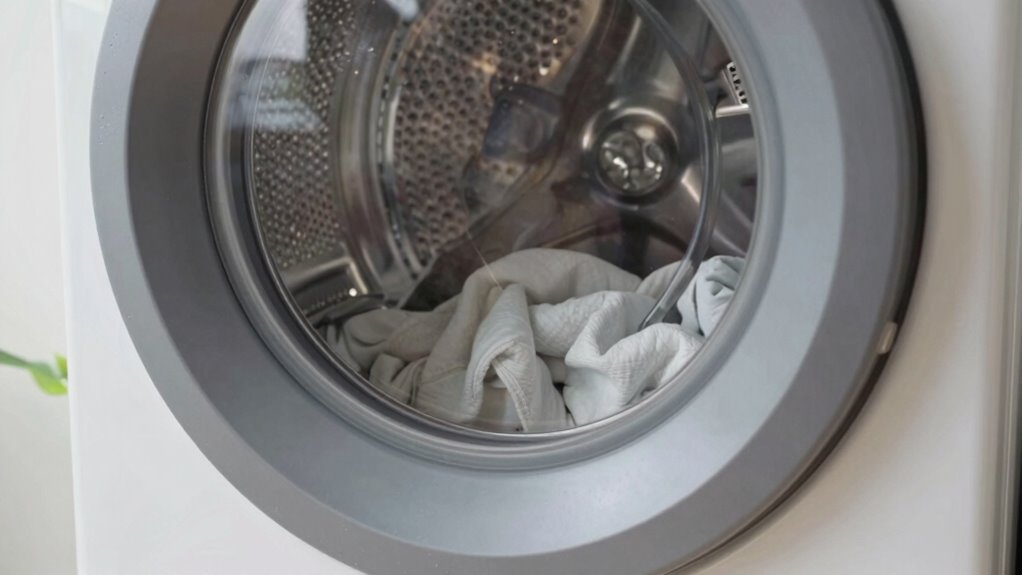
If your ventless dryer is taking longer than usual to dry clothes, start by checking the lint filter and venting system. Blockages or lint buildup can hinder airflow and slow down drying cycles. Since ventless technology relies on moisture removal through condensation, proper airflow is essential. Next, examine the moisture sensors; if they’re dirty or malfunctioning, they may cause premature cycle termination. Also, ensure you’re not overloading the dryer, which can extend drying times. Additionally, verify that the dryer’s settings match your load; using a higher heat setting or longer cycle can help. Keep in mind that ventless dryers naturally take longer due to their drying process, but addressing these issues can improve efficiency and reduce drying time. Incorporating natural ventilation strategies can also assist in enhancing overall drying performance. Regular maintenance and ensuring proper air circulation are crucial for optimal operation of ventless dryers. Improving airflow management around the dryer can further enhance drying efficiency and reduce cycle times. To maximize drying performance, consider air exchange techniques that promote better moisture removal and quicker drying times. Understanding the moisture removal process in ventless dryers can help you identify additional ways to optimize their operation.
Tips to Make Your Ventless Dryer Dry Clothes Faster
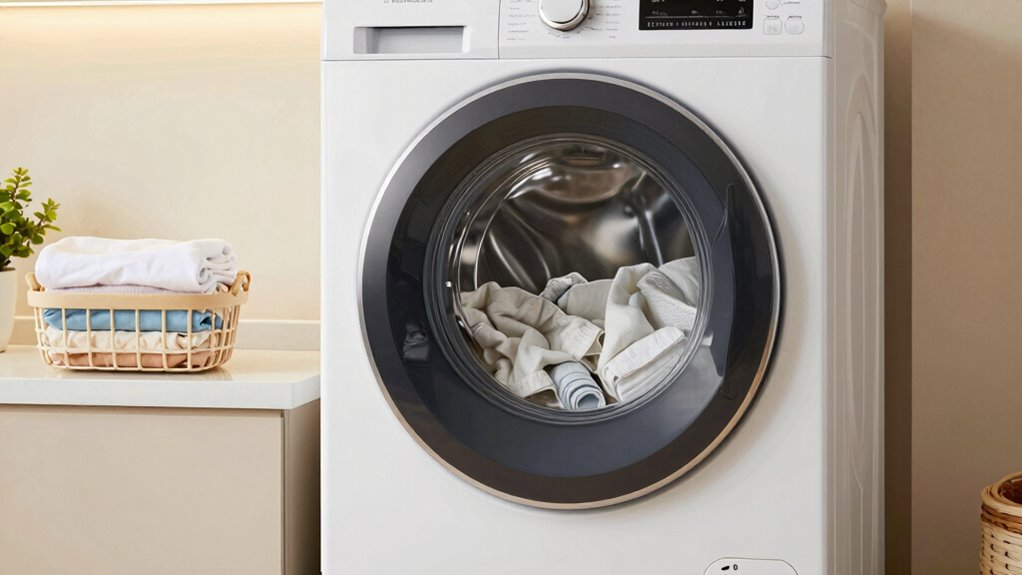
To speed up the drying process, start by guaranteeing your dryer isn’t overloaded, as overloading can block airflow and extend drying times. Regular maintenance tips, like cleaning the lint filter and checking for obstructions in vents, help improve efficiency. Keep noise levels manageable by securing loose parts and ensuring the dryer operates smoothly, which can also prevent unnecessary delays. Additionally, use the appropriate drying cycle for your load—longer cycles for bulky items and shorter ones for lighter fabrics. Avoid opening the door mid-cycle, as it interrupts airflow and prolongs drying. Proper maintenance and mindful operation ensure your ventless dryer works faster, saving you time and reducing stress. Proper care keeps noise levels down and prolongs the appliance’s lifespan. Staying informed about regulatory changes that could affect your appliance’s performance and safety can help you adapt your maintenance routines accordingly. Being aware of new standards can also help you select more efficient and safer appliances in the future.
What Are the Benefits of Ventless Dryers Despite Longer Drying Times?
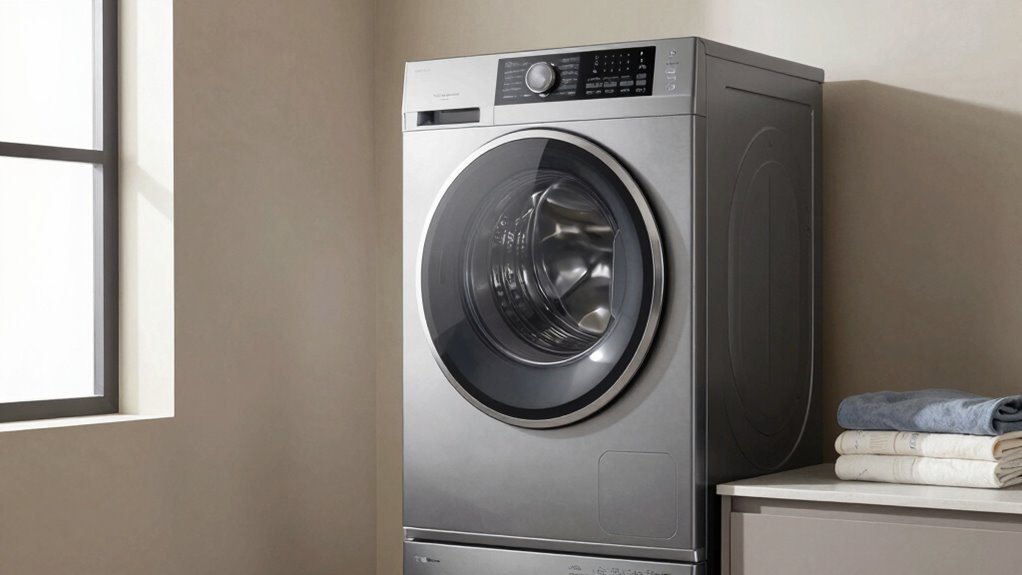
Although ventless dryers may take longer to dry clothes, they offer several significant advantages that make them a worthwhile choice. One key benefit is energy savings, since ventless models often use less power compared to traditional dryers. They also provide indoor convenience, allowing you to dry clothes anywhere without worrying about venting or outdoor space. Plus, ventless dryers are safer for homes with limited ventilation or in apartments, reducing fire risks associated with lint buildup. They are also more eco-friendly, helping you cut down on your environmental impact. Additionally, they’re easier to install and move, making them ideal for small or flexible spaces. Because of their design considerations, ventless dryers can be a good option for households seeking accessible appliances that accommodate diverse needs. Furthermore, modern ventless dryers often incorporate advanced moisture sensors, which help optimize drying time and energy use. These sensors contribute to a more efficient drying process, ensuring clothes are adequately dried without unnecessary energy consumption. Overall, despite longer drying times, ventless dryers deliver energy efficiency, safety, and convenience that many find valuable.
When Should You Consider Repair or Upgrading Your Ventless Dryer?
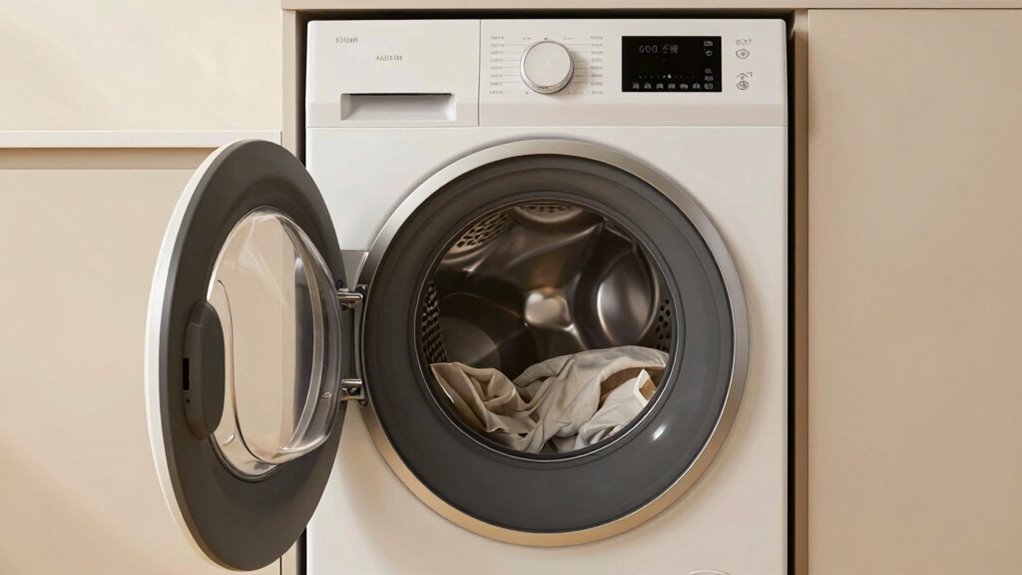
Recognizing when your ventless dryer needs repairs or an upgrade can save you time and prevent larger issues down the line. Regular dryer maintenance is essential to keep ventless dryer models functioning efficiently. If your clothes are taking considerably longer to dry, or if you notice strange noises or overheating, it’s a sign to contemplate repairs. Persistent issues despite cleaning filters and vents suggest your dryer may need professional attention. Upgrading might be necessary if your current model is outdated or no longer meets your drying needs. Staying proactive with maintenance and being aware of performance issues ensures your ventless dryer operates reliably. When repairs become frequent or upgrades offer better energy efficiency, it’s worth investing in a newer model for peace of mind.
How Do Energy Efficiency and Costs Compare Between Ventless and Vented Dryers?
When comparing energy efficiency and costs, ventless dryers often stand out as a more economical choice over time. They typically use less energy due to their condensation process, leading to notable energy savings. While the upfront cost may be higher, the long-term savings on utility bills can make a difference. Here’s a quick cost comparison:
- Ventless dryers consume less electricity, reducing energy bills.
- They eliminate the need for vent installation, saving upfront costs.
- Maintenance tends to be simpler, lowering ongoing expenses.
- The energy savings add up, especially with frequent use.
Is the Longer Drying Time Worth the Space and Convenience of a Ventless Dryer?
Ventless dryers often take longer to dry clothes than traditional vented models, which can be a drawback if you’re in a hurry. However, their space-saving design is a significant advantage if you have limited room. These units are compact, making them ideal for apartments, small laundry rooms, or tight spaces where a vented dryer might not fit. Additionally, they offer ease of installation since they don’t require external venting, saving you time and hassle. If you value convenience and maximizing space over quick drying times, a ventless dryer could be worth it. While the longer cycle may be inconvenient at times, the ability to install it virtually anywhere and keep your laundry area uncluttered can make up for it. Ultimately, it depends on your priorities.
Frequently Asked Questions
Are Ventless Dryers Suitable for All Types of Fabrics?
Ventless dryers are suitable for most fabrics, but you should check fabric compatibility first. They work well with everyday clothing and sturdy fabrics, but delicate fabrics might require special care. If you’re drying delicate items, use the gentle cycle and avoid high heat settings. Overall, ventless dryers are convenient, but always read the care labels to make sure your fabrics, especially delicate ones, won’t be damaged.
How Often Should I Clean My Ventless Dryer’s Filter?
Think of your ventless dryer’s filter as the gatekeeper of efficiency—if it gets clogged, performance drops. You should clean the filter after every 20-30 loads to keep it running smoothly. Regular maintenance frequency not only prevents longer drying times but also extends your dryer’s lifespan. So, make filter cleaning part of your routine to guarantee your clothes dry faster and your appliance works at its best.
Can Ventless Dryers Be Used in Humid Climates Effectively?
Yes, ventless dryers can work effectively in humid climates, but humidity concerns can influence their efficiency. High humidity levels may cause longer drying times and potential installation challenges, like proper ventilation or drainage. To get the best results, guarantee your space has good airflow, and consider a dehumidifier if needed. Proper installation and maintenance help mitigate humidity issues, making ventless dryers a viable option even in moist environments.
Do Ventless Dryers Require Special Maintenance or Servicing?
Yes, ventless dryers do require some special maintenance. You’ll need to regularly clean the lint filters and check the condensers or heat exchangers to keep them running efficiently. Skipping these routines can lead to longer drying times and higher service costs. While maintenance isn’t complicated, staying on top of it guarantees your dryer works smoothly, saving you money and avoiding unexpected repairs down the line.
What Are the Noise Levels of Ventless Dryers Compared to Traditional Models?
You’ll find ventless dryers tend to be quieter than traditional models, thanks to their design. Their sound levels usually stay within a comfortable range, making them less disruptive during use. The noise comparison shows they produce less noise overall, which is great if you have an open-plan space or shared living areas. If quiet operation matters to you, ventless dryers are a smart choice, and their sound levels won’t bother your daily routine.
Conclusion
Choosing a ventless dryer is like picking a cozy hammock over a traditional swing—you might wait a bit longer for the comfort, but the convenience and space-saving benefits make it worthwhile. While drying times can be slower, understanding how your dryer works and following simple tips can speed things up. Ultimately, if you value efficiency and a clutter-free laundry space, ventless dryers are a smart choice that’s worth the wait.