
TL;DR
In Turkey, seagulls have begun imitating cat sounds after vending machines for stray cats were introduced. The phenomenon is confirmed by local reports, but the full extent and reasons remain unclear. This development highlights animal adaptability and prompts further observation.
Seagulls in Turkey have started mimicking cat sounds after the country introduced vending machines to provide food for stray cats, according to local reports and social media posts. This unusual behavior has caught the attention of residents and animal observers, highlighting potential impacts of human interventions on animal behavior.
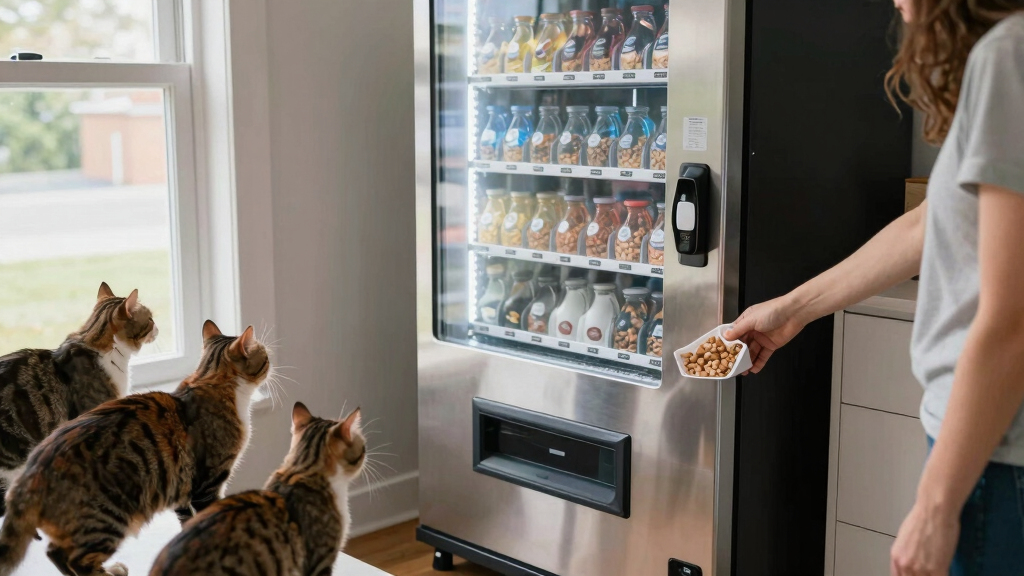
The vending machines for stray cats were installed in several Turkish cities as part of local animal welfare initiatives. Following this, reports emerged on social media that seagulls in the vicinity are now imitating the sounds of cats, a behavior not previously documented in this context. Experts suggest that this could be a form of learned behavior or adaptation, although there is no scientific study confirming this phenomenon yet. Local residents and birdwatchers have shared videos showing seagulls making vocalizations similar to cats, sparking curiosity and debate about animal communication and intelligence.
It is not yet clear whether the seagulls are intentionally mimicking the cats or if this is a coincidental overlap in vocalizations. Some speculate that the birds might be responding to the sounds of cats or the environment created by the vending machines, which could influence their behavior. Authorities and animal behavior specialists have not issued official statements on this specific phenomenon, and research is ongoing to understand the behavior’s origins and implications.
Why It Matters
This development matters because it illustrates how animals can adapt and change their behavior in response to human interventions and environmental changes. If seagulls are indeed imitating cats, it could reflect a broader capacity for vocal learning and social adaptation among urban wildlife. Understanding this behavior may inform future studies on animal intelligence and interspecies communication. Additionally, it raises questions about the unintended consequences of human efforts to care for stray animals, emphasizing the need for careful observation and research.
bird vocal mimicry training device
As an affiliate, we earn on qualifying purchases.
As an affiliate, we earn on qualifying purchases.
Background
Turkey has recently implemented initiatives to support stray animals, including vending machines for cats, which dispense food and attract both cats and other urban wildlife. Such interventions are part of broader animal welfare efforts in the region. Similar phenomena of animals mimicking sounds or behaviors have been observed in other contexts, but this specific case involving seagulls and vending machines is new and not yet scientifically documented. The behavior was first noticed through social media videos and local reports, with no prior indication that seagulls could imitate cat sounds to this extent.
“We’ve never seen seagulls behave like this before; they seem to be copying the cats’ sounds, which is quite remarkable.”
— local birdwatcher
“While vocal mimicry is known in some bird species, seeing it in seagulls in response to human-created environments is intriguing and warrants further study.”
— animal behavior expert
animal sound imitation recording
As an affiliate, we earn on qualifying purchases.
As an affiliate, we earn on qualifying purchases.
What Remains Unclear
It remains unclear whether the seagulls are intentionally mimicking cat sounds or if this is a coincidence. The full extent of this behavior, its causes, and whether it is a learned or instinctive response are still under investigation. No scientific studies have confirmed these observations yet, and experts caution that more data is needed to understand the phenomenon fully.
birdwatching audio recordings
As an affiliate, we earn on qualifying purchases.
As an affiliate, we earn on qualifying purchases.
What’s Next
Researchers and animal behaviorists are expected to observe the seagulls further and collect data to determine whether this behavior persists and what factors influence it. Authorities may also monitor the impact of the vending machines and urban wildlife interactions. Future studies could explore vocal learning in seagulls and other urban animals, potentially leading to academic publications and broader awareness of animal adaptability.
urban wildlife sound equipment
As an affiliate, we earn on qualifying purchases.
As an affiliate, we earn on qualifying purchases.
Key Questions
Why are seagulls mimicking cat sounds?
It is not yet confirmed why seagulls are mimicking cat sounds. Possible explanations include learned behavior, response to environmental stimuli, or social adaptation, but further research is needed.
Is this behavior common among seagulls?
No, this is an unusual observation. Seagulls are not typically known for vocal mimicry of other species, making this case noteworthy.
Could this affect the seagulls’ behavior or survival?
It is currently unclear whether this mimicry has any impact on seagulls’ behavior or survival. More studies are required to assess potential effects.
Will researchers study this phenomenon further?
Yes, scientists are likely to investigate this behavior to understand its causes and implications, potentially leading to academic research and publications.