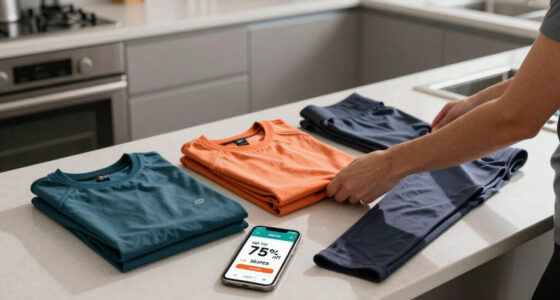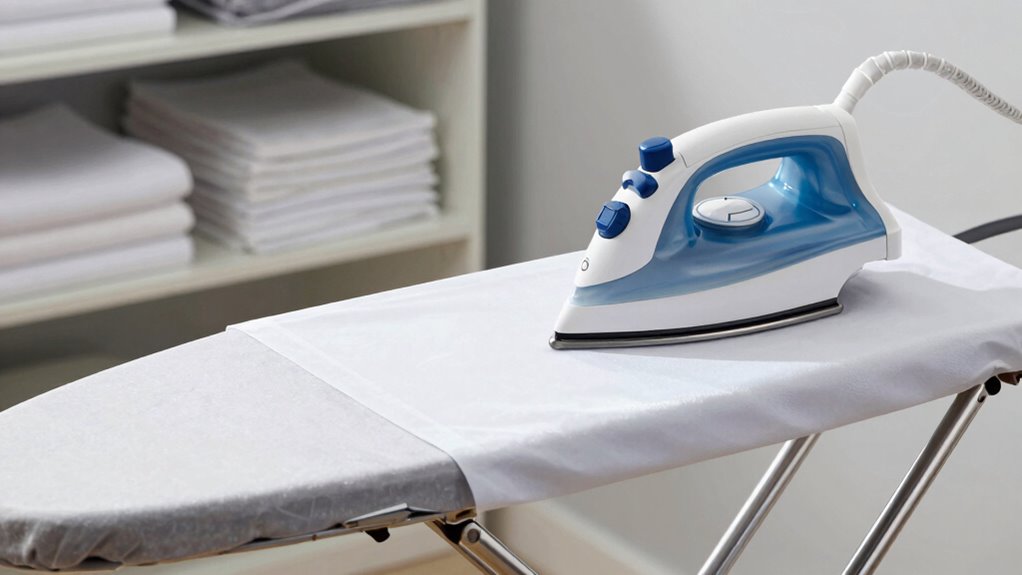

Ironing presses are a quick and easy way to get crisp, wrinkle-free sheets without the hassle of traditional ironing. They apply even heat and pressure across large areas, saving you time and effort. Whether you choose electric or manual models, they help smooth out wrinkles efficiently and protect delicate fabrics. Want to discover the best press for your bedding and tips for flawless results? Keep exploring to find out more.

Get home appliances delivered free with Prime
- Fast, free delivery on millions of items
- Prime Video, Amazon Music and more included
- Member-only deals all year
Key Takeaways
- Ironing presses apply even heat and pressure across large areas, smoothing sheets quickly and effortlessly.
- They reduce ironing time compared to traditional irons, making sheets crisp without much physical effort.
- Proper temperature control and fabric settings prevent damage while achieving professional-looking results.
- Selecting the right size and features ensures efficient pressing suited for different bedding dimensions.
- Regular maintenance and correct usage maximize equipment lifespan and help maintain consistently crisp, wrinkle-free sheets.
electric ironing press for sheets
As an affiliate, we earn on qualifying purchases.
As an affiliate, we earn on qualifying purchases.
What Are Ironing Presses and How Do They Work
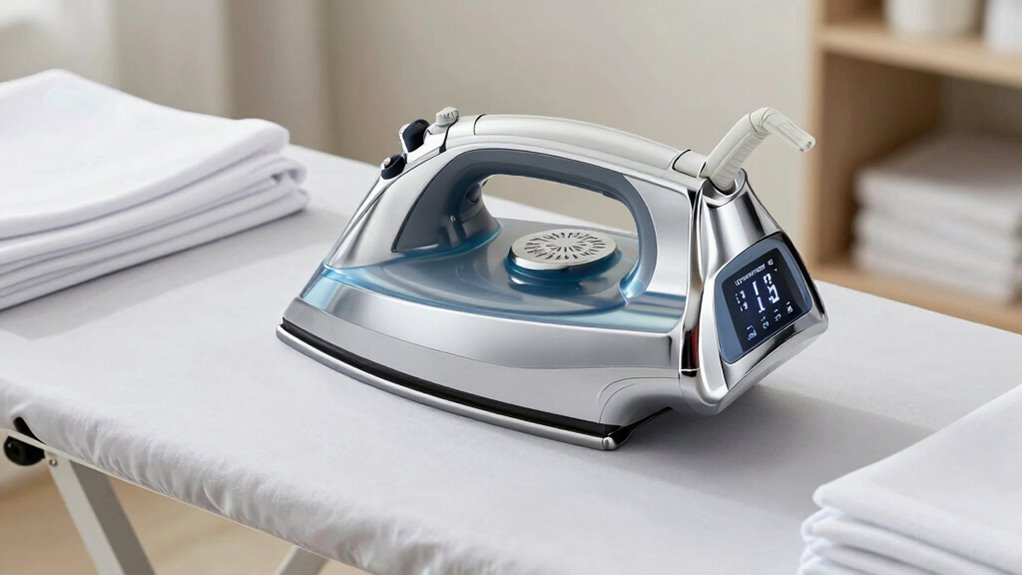
Ironing presses are specialized appliances designed to smooth and press clothes more efficiently than traditional irons. They work by applying even pressure across a large surface, making pressing easier and faster. When choosing an ironing press, you consider fabric types, as different materials like cotton, silk, or polyester require specific heat settings. The press plate material also matters; some models feature ceramic-coated plates for smooth glide and even heat distribution, while others have stainless steel or non-stick surfaces. These materials guarantee ideal heat transfer and protect delicate fabrics from scorching. Additionally, heating element distribution plays a crucial role in ensuring consistent temperature across the entire pressing surface. Proper material selection ensures the press functions effectively for various fabrics. Modern models often incorporate advanced temperature control systems to adapt to different textile needs. Understanding the fabric-specific settings can help prevent damage and achieve the best results. Additionally, regular maintenance of the press ensures it operates safely and maintains optimal performance over time. With an ironing press, you simply place your garment on the heated plate, lower the press arm, and let the machine work its magic. This process results in crisp, wrinkle-free clothes with minimal effort.
As an affiliate, we earn on qualifying purchases.
Struggling to Get Wrinkle-Free Sheets Quickly? Here’s Why Ironing Presses Help
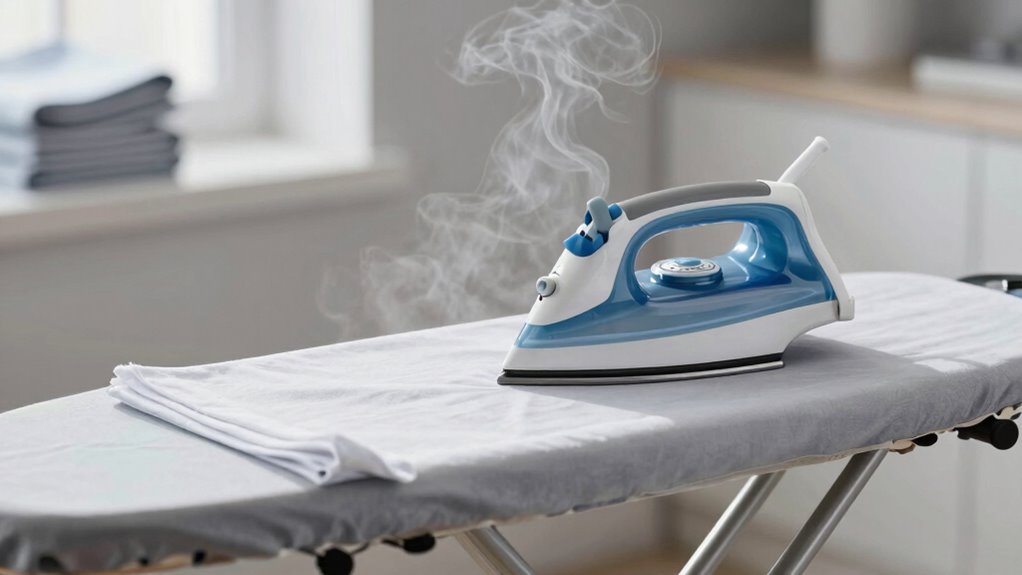
If you’ve ever struggled to get your sheets wrinkle-free quickly, an ironing press can be a game-changer. It applies uniform heat and pressure, smoothing fabric fibers efficiently. Unlike traditional irons, pressing machines handle large areas at once, saving you time. Plus, they work well with various ironing accessories, like steamers or pressing pads, to enhance results. Here’s why they’re effective:
| Benefit | Explanation |
|---|---|
| Faster Wrinkle Removal | Even pressure reduces creases in less time |
| Better Fabric Care | Preserves fabric fibers, preventing damage |
| Consistent Results | Uniform heat and pressure produce smooth sheets |
| Versatility | Compatible with different fabrics and accessories |
Additionally, fabric technology plays a crucial role in ensuring optimal results with ironing presses. Incorporating advanced fabric technology can further improve the efficiency and longevity of your sheets and ironing equipment.
As an affiliate, we earn on qualifying purchases.
How to Choose the Best Ironing Press for Your Bedding

When selecting an ironing press for your bedding, you should consider size compatibility to guarantee it fits your space and linens easily. Look for powerful heating features that provide consistent results and save time. Additionally, reviewing mattress and bedding care tips can help extend the lifespan of your linens. Incorporating energy-saving tips can further enhance efficiency and reduce costs during use. Being mindful of the environmental impact of your appliance choices can also support sustainable practices in your laundry routine. For example, choosing models with energy-efficient technology can significantly reduce your carbon footprint. Considering long-term durability ensures that your investment will serve you well over time. Finally, compare budget options and trusted brands to find a press that balances quality with affordability.
Size Compatibility Tips
Choosing the right size ironing press for your bedding guarantees efficient and even pressing. To do this, consider fabric compatibility and sheet size tips. Larger presses work best for king or queen-sized sheets, providing ample surface area to avoid seams and overlaps. Smaller presses suit twin or full beds, offering better control and easier maneuverability. Measure your bedding to ensure the press’s pressing surface matches or exceeds your sheet dimensions. Keep in mind, thicker fabrics like flannel or quilted bedding may require a larger pressing area for effective results. Also, check the press’s weight and capacity to handle your typical load without strain. Matching the size of your bedding with the press’s dimensions ensures smoother, more uniform results, saving you time and effort. Additionally, ergonomic design features can make operation more comfortable, especially for frequent use. Paying attention to cabling solutions and proper setup can further enhance your ironing efficiency and safety. Considering maintenance requirements can also extend the lifespan of your pressing equipment and ensure consistent performance. Incorporating easy-to-clean surfaces can help maintain hygiene and prolong the equipment’s usability. Moreover, selecting an appropriately sized press can reduce energy consumption by minimizing unnecessary heat exposure and operation time.
Power and Heating Features
Power and heating features are crucial in selecting the right ironing press because they directly impact the efficiency and quality of your pressing. A machine with adjustable heat settings allows you to customize the temperature for different fabrics, safeguarding fabric safety and preventing burns or damage. Look for models with consistent heat distribution to avoid cold spots that can leave wrinkles. Rapid heat-up times save you time, while an automatic shut-off feature provides safety and energy efficiency. Choosing a press with reliable temperature controls ensures your bedding comes out crisp without risking fabric damage. Keep in mind that higher wattage typically means faster heating and more powerful pressing. Proper heat regulation is essential for achieving professional results and maintaining the longevity of your bedding. Additionally, selecting a model with precise temperature control helps prevent overheating and extends the life of your iron, ensuring consistent performance over time. For optimal results, consider models with adjustable pressure settings to better tailor the pressing process to different fabric types and thicknesses. Incorporating adjustable pressure can also improve pressing efficiency and fabric protection. To ensure safety and optimal operation, always verify the built-in safety features of your ironing press before use.
Budget and Brand Options
Are you trying to find an ironing press that fits your budget without sacrificing quality? Start by considering different brands known for reliable performance and reviews. Budget options often handle common fabric types like cotton and linen well, but if you’re working with delicate materials like silk or satin, look for models that offer adjustable temperature controls. Safety precautions are essential—choose presses with automatic shut-off features and sturdy, non-slip bases to prevent accidents. While cheaper models may seem appealing, ensure they meet safety standards and have good customer support. Comparing features across brands helps you find a balance between affordability and durability. Additionally, selecting a model with precise temperature control can help protect delicate fabrics from damage. Remember, the right brand and budget-friendly choice can make pressing bedding easier without compromising safety or fabric care.
As an affiliate, we earn on qualifying purchases.
Tips for Using an Ironing Press to Achieve Perfectly Crisp Sheets
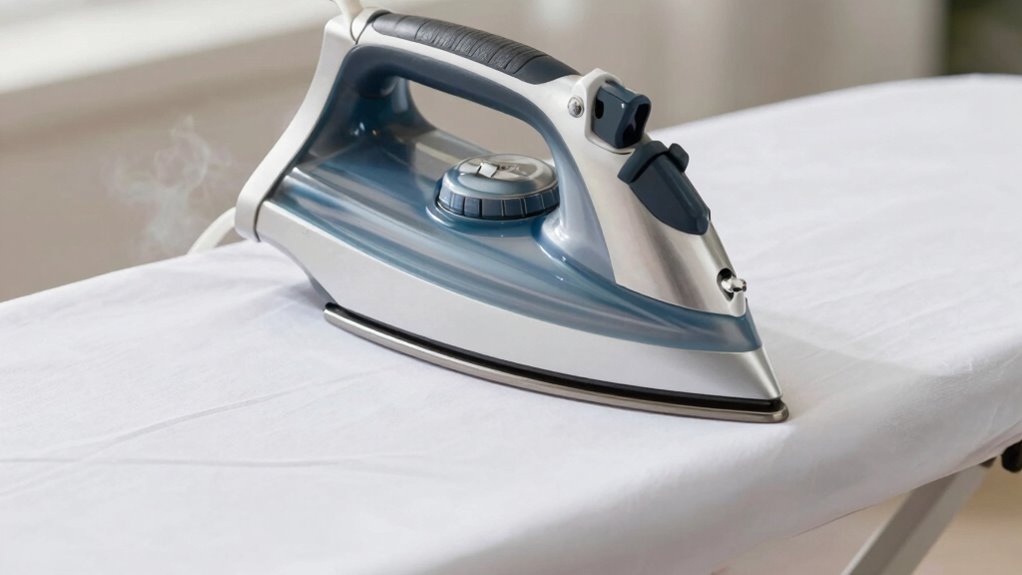
To achieve perfectly crisp sheets with an ironing press, start by setting the correct temperature for your fabric type. Check the fabric care label to determine the ideal heat setting. Before pressing, use fabric softeners or a light spray of water to relax fibers, making ironing easier and results smoother. Avoid heavy use of laundry detergents on sheets, as residue can cause stiffness or leave marks. Guarantee your sheets are slightly damp for the best crispness or use a steam function if available. Press in even, smooth strokes, applying gentle pressure to avoid wrinkles. Pay attention to the edges and corners for a uniform finish. Proper temperature, moisture, and technique are key to achieving crisp, professional-looking sheets effortlessly.
Which Type of Ironing Press Is Right for You? Electric, Manual, or Other
Choosing the right ironing press depends on your needs and preferences. Consider whether manual or electric models suit your workflow, and think about portability, size, and ease of use. Also, weigh the costs and maintenance requirements to find the best fit for your space and budget.
Manual Versus Electric
Deciding between a manual and an electric ironing press depends on how often you plan to use it and the level of convenience you prefer. Manual presses offer simplicity, are generally more affordable, and don’t require power, making them suitable for occasional use. Electric presses provide cordless convenience, saving you time and effort, with an ergonomic design that reduces strain. Consider this comparison:
| Feature | Manual Press | Electric Press | Best For |
|---|---|---|---|
| Power | None | Electric motor | Frequent use |
| Ease of Use | Manual effort, control needed | Easy, quick, with automatic features | Convenience seekers |
| Portability | Compact, lightweight | Slightly bulkier | Versatile, on-the-go use |
Choose based on your routine—manual for simplicity, electric for ease.
Portability and Size
When considering portability and size, the type of ironing press you select can considerably impact how easily and conveniently you can use it in your space. If you need travel portability, a smaller, lightweight press with a compact design is ideal. Manual presses often offer a more portable option, fitting easily into suitcases or storage. Electric presses tend to be larger and heavier, making them less suitable for travel but better for stationary use. Think about your available space and how often you’ll move the press; a compact design ensures it won’t take up too much room. Whether you prioritize easy storage or on-the-go convenience, choosing the right size and portability features will streamline your ironing routine.
Cost and Maintenance
The cost and maintenance requirements of an ironing press can vary markedly depending on its type. A detailed cost analysis shows that manual presses are typically more affordable upfront and have lower maintenance needs, making them ideal for casual users. Electric presses, while more expensive initially, offer faster operation but may incur higher maintenance costs due to electrical components and heating elements. To keep your press in top shape, follow simple maintenance tips like regularly cleaning the plates, checking for wear, and ensuring proper storage. Routine upkeep prevents costly repairs down the line and extends the device’s lifespan. Consider your usage frequency, budget, and long-term maintenance commitment when choosing the right press for you.
Common Mistakes to Avoid When Pressing Sheets for a Flawless Finish
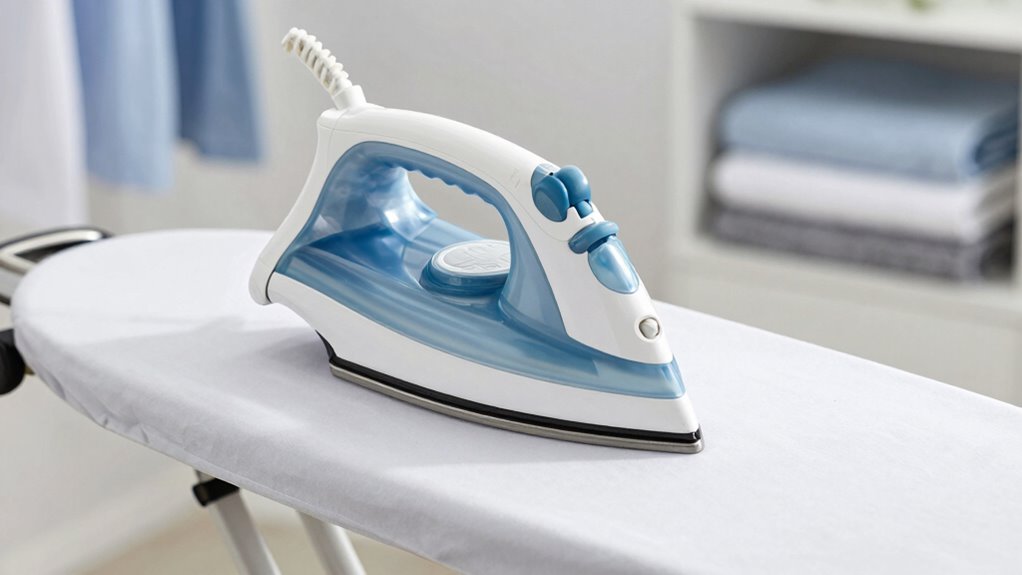
Avoiding common mistakes can make the difference between a perfectly pressed sheet and one that looks wrinkled or uneven. First, don’t skip the pressing etiquette; always let the iron or pressing machine heat up fully before starting. Using fabric softeners on sheets can sometimes cause buildup that hampers smooth pressing, so rinse well and avoid applying softeners right before pressing. Be sure to smooth out wrinkles with your hands before applying heat, and don’t press over heavily wrinkled areas multiple times, which can set the creases. Also, avoid rushing; pressing slowly and evenly ensures a crisp finish. Finally, don’t forget to check the fabric type and set the temperature accordingly—pressing at the wrong heat can damage your sheets and ruin your effort.
Frequently Asked Questions
How Much Space Does an Ironing Press Typically Require?
An ironing press usually needs about 2 to 3 square feet of installation space, making it compact enough for most laundry rooms or closets. Its storage capacity is minimal, as it’s designed to stay in one spot, but you’ll want to make certain there’s enough room to comfortably operate it. Consider the space needed for easy handling and ventilation, so your ironing process remains smooth and efficient.
Are Ironing Presses Safe for All Fabric Types?
Ironing presses are generally safe for most fabric types, but you should check fabric compatibility before use. Some delicate fabrics like silk or polyester may require lower heat settings to prevent damage. Always follow safety precautions, such as using the correct temperature and avoiding prolonged contact with sensitive materials. By paying attention to these guidelines, you can safely press a variety of fabrics and achieve crisp, professional-looking results every time.
How Long Does It Take to Heat up an Ironing Press?
You’ll find that most ironing presses heat up in about 5 to 10 minutes, depending on the model. During this heating time, you can adjust the temperature to suit your fabric type. Once it reaches the desired temperature, it’s ready to use. For best results, always check the manufacturer’s instructions for specific heating time and temperature adjustment guidelines, ensuring your fabrics stay safe and pressed perfectly.
Can Ironing Presses Be Used for Other Household Fabrics?
You can definitely use ironing presses for other household fabrics, enhancing your fabric care routine and boosting household versatility. They’re great for crisping up tablecloths, napkins, or even delicate garments. Just remember to adjust the temperature settings for different materials to avoid damage. This way, you maximize your investment and keep various fabrics looking their best with minimal effort, making your home chores more efficient and satisfying.
What Is the Typical Lifespan of an Ironing Press?
An ironing press typically lasts 8 to 15 years, depending on usage and maintenance. To maximize its lifespan, guarantee fabric compatibility by adjusting settings for different materials, and follow maintenance tips like regular cleaning and checking for worn parts. Proper care prevents damage and keeps your press functioning smoothly, allowing you to enjoy crisp sheets and well-pressed garments for many years.
Conclusion
Now that you know how an ironing press can transform your sheets effortlessly, imagine the perfect crispness waiting just a press away. Will you choose electric convenience or manual control? One decision could change your laundry routine forever. Don’t wait too long—your flawlessly pressed sheets are closer than you think. Are you ready to reveal the secret to crisp, wrinkle-free bedding without breaking a sweat? The choice is yours; the perfect sheets are within reach.
NFL season / tailgating Picks
team gear
As an affiliate, we earn on qualifying purchases.