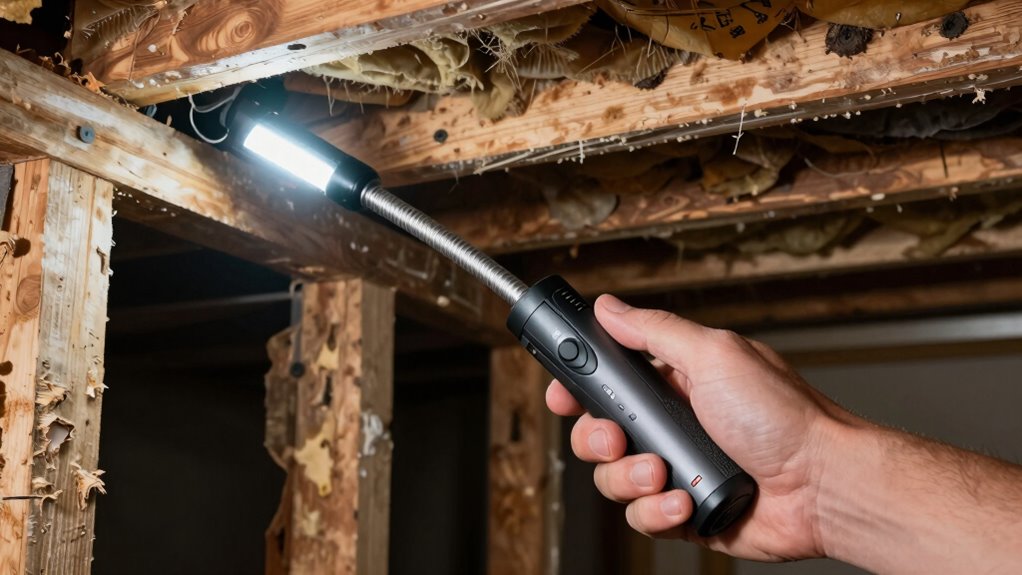

Serious homeowners now use advanced inspection tools like smart diagnostic systems that monitor energy use, HVAC health, and electrical wiring remotely. They rely on gas detectors for leaks, moisture meters for hidden water damage, and air quality monitors to guarantee healthy indoor environments. These tools help catch issues early, saving money and enhancing safety. By staying proactive with these technologies, you can improve your home’s safety and efficiency, and there’s plenty more to discover if you keep exploring.
Key Takeaways
- Serious homeowners are utilizing advanced smart diagnostics to monitor energy use, electrical systems, and appliance performance remotely.
- They employ specialized tools like gas detectors and moisture meters for early detection of hazards like leaks and water damage.
- Integration of home monitoring systems provides real-time alerts for potential issues, enabling proactive maintenance.
- Use of indoor air quality monitors helps maintain a healthy environment and prevent health-related hazards.
- Routine safety assessments with modern tools support early problem detection, reducing costly repairs and safety risks.
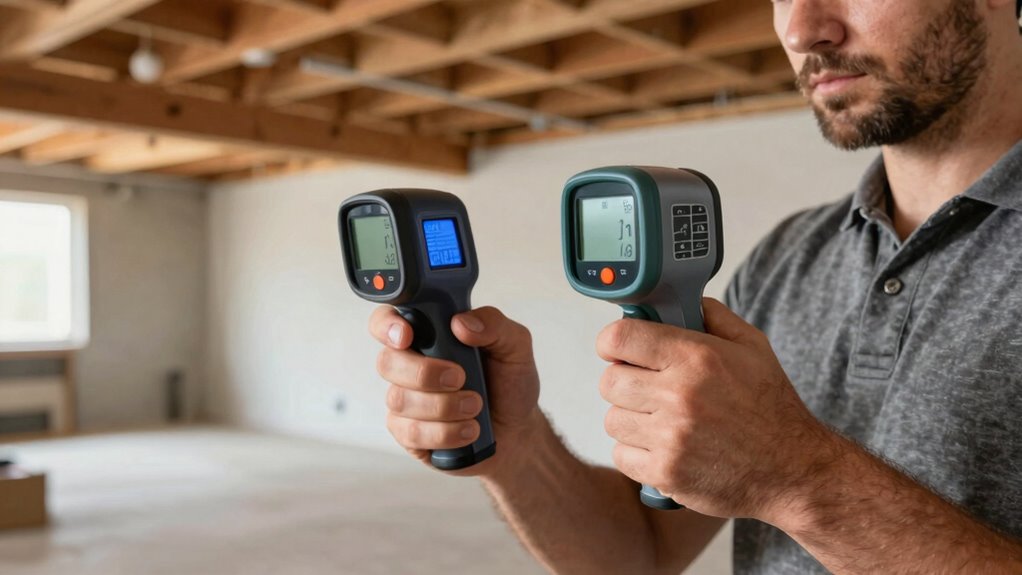
Ever wondered how serious homeowners keep their properties in top shape? It’s all about staying ahead of potential issues before they become costly repairs or safety hazards. One of the most effective ways to do this is by leveraging modern inspection tools that provide detailed insights into your home’s condition. Smart home diagnostics have become essential for homeowners who want to monitor everything from energy consumption to electrical systems remotely. These tools allow you to run real-time diagnostics on your appliances, wiring, and HVAC systems, giving you immediate alerts if something’s off. Instead of waiting for a problem to escalate, you can address minor issues early, saving money and ensuring safety.
Stay ahead of home issues with smart diagnostics that alert you to problems early, saving money and ensuring safety.
Alongside smart diagnostics, DIY safety assessments are gaining popularity among serious homeowners. These assessments involve using specialized tools to check for potential hazards like gas leaks, mold, or faulty wiring. For example, combustible gas detectors can quickly identify leaks that might otherwise go unnoticed until a dangerous situation develops. You might also use moisture meters to detect hidden water damage behind walls or under floors, preventing mold growth and structural deterioration. Performing regular safety assessments empowers you to understand your home’s vulnerabilities and take proactive steps to mitigate risks. Incorporating home maintenance strategies ensures you stay vigilant and proactive about your property’s well-being. Staying informed about home safety is crucial for maintaining a secure living environment. Using advanced inspection tools can significantly improve your ability to detect issues early and maintain your home effectively. Additionally, understanding how indoor air quality impacts your health underscores the importance of integrating proper ventilation and purification methods into your routine.
As an affiliate, we earn on qualifying purchases.
Frequently Asked Questions
How Accurate Are Digital Inspection Tools Compared to Traditional Methods?
Digital inspection tools are generally quite accurate, especially when properly calibrated. You should regularly check sensor calibration to guarantee precise readings. These tools often outperform traditional methods by providing detailed data quickly. Their durability means they withstand tough conditions, maintaining accuracy over time. While traditional methods are reliable, digital tools offer a higher level of precision and efficiency, making them a valuable upgrade for serious homeowners who want reliable, consistent results.
What Safety Precautions Should I Take When Using Advanced Inspection Equipment?
You should prioritize inspection safety by wearing protective gear and ensuring proper tool maintenance. Did you know that 30% of home inspection accidents happen due to neglecting safety precautions? Always check your equipment for damage before use and follow manufacturer guidelines. Keep your workspace clean to avoid hazards, and never operate advanced inspection tools alone. Staying vigilant and maintaining your tools helps prevent injuries and gives you accurate results.
Are There Any Legal Restrictions on Using Certain Inspection Tools at Home?
Yes, there are legal restrictions on using certain inspection tools at home. You must guarantee legal compliance by understanding local laws, especially regarding privacy concerns. For example, using surveillance or audio recording devices without consent can lead to legal issues. Always research your state or local regulations before deploying advanced inspection tools. Respect others’ privacy and avoid intrusive measures, ensuring your inspections stay within legal boundaries.
How Often Should Homeowners Update Their Inspection Tools?
You should update your inspection tools regularly, as the right inspection frequency depends on how often you use them and their condition. Don’t wait for signs of failure—stay ahead with routine tool maintenance and checkups. Over time, calibration drifts or wear can compromise accuracy, risking safety and costly repairs. Keep your tools sharp and reliable, and you’ll always catch potential issues before they escalate, safeguarding your home and peace of mind.
Can These Tools Detect Hidden or Long-Term Damage Effectively?
Yes, these tools can effectively detect hidden damage and assist with long-term assessment. For example, moisture meters reveal concealed water issues, while infrared cameras identify temperature anomalies indicating insulation or electrical problems. Regular use helps you spot issues early, preventing costly repairs later. While no tool guarantees perfect detection, combining advanced inspection devices with routine checks enhances your ability to uncover hidden damage and assess your home’s condition over time.
As an affiliate, we earn on qualifying purchases.
Conclusion
Now that you know about these advanced inspection tools, you’re better equipped to catch issues early before they become costly repairs. Imagine confidently walking through your home, spotting potential problems like hidden leaks or electrical faults with ease. Don’t let small issues turn into big headaches—using these tools puts you in control. With just a little effort, you’ll protect your investment and enjoy peace of mind, knowing your home is safe and sound.
As an affiliate, we earn on qualifying purchases.
As an affiliate, we earn on qualifying purchases.