
TL;DR
This article provides confirmed, practical advice for gardeners on how to care for clematis in June. Proper watering, feeding, supporting new growth, and early pest management are key to achieving a show-stopping, long-lasting display of blooms.
Gardeners can now take targeted actions in June to enhance clematis flowering, ensuring a vibrant, prolonged display of blooms. Expert advice emphasizes watering, feeding, training, and pest monitoring to maximize plant health and visual impact during peak blooming season.
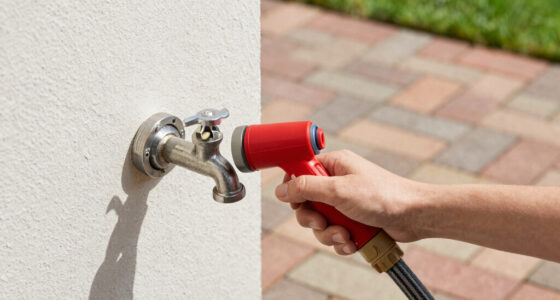
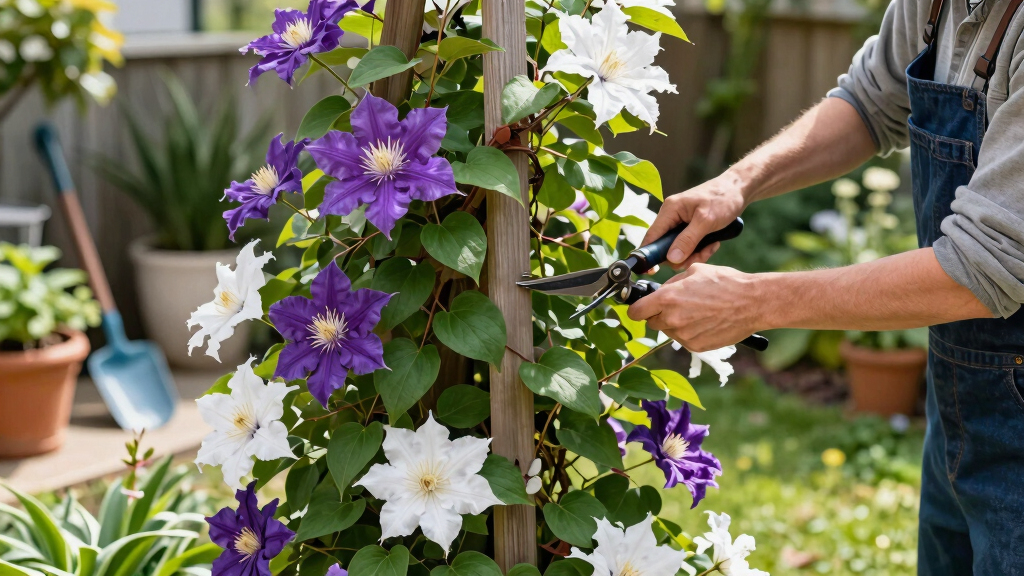
Clematis require consistent moisture, especially during early summer heat, with deep watering recommended once or twice weekly. Mulching helps maintain soil temperature and moisture levels. Regular feeding with a balanced fertilizer supports vigorous growth, switching to a bloom booster as buds form. Training new shoots onto supports prevents tangling and damage, while deadheading faded flowers encourages repeat blooming. Early summer pests such as clematis wilt and aphids should be monitored closely, with prompt removal of affected stems and appropriate pest control measures. These practices are confirmed to improve bloom quality and plant resilience during peak season.
Maximizing Clematis Blooms in June
Proper care in June is crucial for gardeners seeking a spectacular, long-lasting clematis display. Effective watering, feeding, and support techniques ensure healthy growth and abundant flowering, enhancing garden aesthetics and plant longevity.
As an affiliate, we earn on qualifying purchases.
June Gardening Practices for Clematis
Clematis, a popular climbing plant, begins its peak blooming period in early summer. Proper maintenance in June—such as watering, fertilizing, and supporting new growth—is essential for optimal flowering. Past advice from horticultural sources emphasizes early summer care to prevent common issues like wilt and pests, which can diminish bloom quality and plant health.
“Consistent watering, proper feeding, and early support training are key to a show-stopping clematis in summer.”
— Home & Gardens Expert
Clematis fertilizer bloom booster
As an affiliate, we earn on qualifying purchases.
As an affiliate, we earn on qualifying purchases.
Unconfirmed Aspects of June Clematis Care
While general care guidelines are well-established, specific recommendations for different clematis varieties or regional climate variations may require further validation. The effectiveness of certain fertilizers or pest control products could vary depending on local conditions, and ongoing research may refine these practices.
As an affiliate, we earn on qualifying purchases.
Next Steps for Clematis Enthusiasts in Summer
Gardeners should continue to monitor their clematis through the summer, adjusting watering and feeding as needed. Supporting new growth, deadheading regularly, and controlling pests will help sustain a long-lasting, vibrant display. Expect further advice on late summer pruning and preparing plants for fall.
As an affiliate, we earn on qualifying purchases.
Key Questions
How often should I water my clematis in June?
Deep watering once or twice a week is recommended, adjusting for rainfall and temperature to keep roots evenly moist.
When should I prune my clematis in June?
Pruning should be minimal now, mainly deadheading spent flowers and removing weak stems to promote healthy growth and better blooms later in summer.
What fertilizer is best for clematis in June?
A balanced liquid fertilizer every two weeks supports growth, switching to a bloom booster with higher potassium as buds form.
How can I prevent clematis wilt?
Regularly inspect stems, remove affected parts promptly, and avoid overwatering. Good airflow and support training also help reduce risk.
Can I still improve blooms if my clematis is not flowering heavily?
Yes, proper watering, feeding, and deadheading can encourage more vigorous flowering later in the season.
Source: Homes & Gardens