
If your KitchenAid Artisan Series 5 Quart Tilt Head Stand Mixer is leaking oil, it can be concerning. This issue often indicates a seal or internal component problem. Fortunately, with careful troubleshooting and proper steps, you can often resolve the leak without needing professional repair.

Get home appliances delivered free with Prime
- Fast, free delivery on millions of items
- Prime Video, Amazon Music and more included
- Member-only deals all year
In this guide, we’ll cover common causes of oil leaks, detailed troubleshooting steps, and safety tips to help you fix your mixer effectively and safely.
Key Takeaways
| Understanding oil leaks | Oil leaks are usually caused by worn seals or internal gasket failures. |
| Safety first | Always unplug the mixer before attempting any repairs or inspections. |
| Check seals and lubrication | Leaking often relates to damaged seals or excessive lubrication. |
| Replace parts if needed | Some issues require seal or gasket replacement for a lasting fix. |
| Regular maintenance | Periodic cleaning and inspection can prevent future leaks. |
Identify the Source of the Leak
- Unplug your mixer and move it to a clean, well-lit workspace.
- Remove the tilt-head by unlocking and lifting it up carefully.
- Inspect the area around the head, gear housing, and motor base for oil or grease residue.
- Check for visible damage to seals or gaskets, especially around the gear housing and the tilt-head hinge.
- Note if the oil appears to be coming from the gear housing or internal components.
Clean and Assess Internal Components
- Using a soft cloth, wipe away excess oil and grease from accessible parts.
- Inspect for cracks, worn seals, or loose fittings.
- If comfortable, remove the top cover of the gear housing following manufacturer instructions to check internal components.
Address the Leak: Basic Fixes
- If seals appear damaged or worn, order replacement seals or gaskets specific to your model (ASIN B0769ZQWH7).
- Apply a light coat of food-safe lubricant to seals if they are intact but dry, to ensure proper sealing.
- If the oil is excessive, clean all parts thoroughly, then reassemble carefully, ensuring all fittings are snug but not overtightened.
When to Seek Professional Repair
If after cleaning and minor repairs the leak persists, or if internal damage is suspected, consider contacting a professional technician or authorized service center. Persistent leaks may indicate internal component wear requiring expert intervention.
Prevention and Maintenance Tips
- Regularly inspect seals and lubricate moving parts with food-safe lubricants.
- Avoid overloading the mixer, which can strain internal components.
- Store your mixer in a clean, dry place and perform periodic deep cleanings.
The Products in This Guide
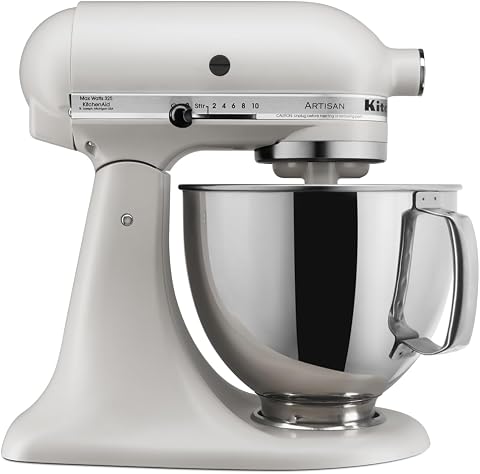
KitchenAid Artisan Series 5 Quart Tilt Head Stand Mixer
- ✔ Power: 325 Watts
- ✔ Bowl Type: Stainless Steel
- ✔ Included Accessories: Pouring shield, flat beater

KitchenAid Stand Mixer Attachment
- ✔ Compatibility: All Household KitchenAid Mixers
- ✔ Attachments: Grinding plates, sausage stuffer
- ✔ Material: Metal
KitchenAid Artisan Series 5 Quart Tilt Head Stand Mixer
The KitchenAid Artisan Series 5 Quart Tilt Head Stand Mixer is built for durability with metal construction and a powerful motor. While some users experience oil leaks, these are often fixable through seal inspection and replacement. Proper maintenance extends its lifespan and performance.
Pros:
- Sturdy metal build
- Powerful 10-speed motor
- Large 5-quart bowl
- Easy tilt-head access
Cons:
- Potential seal leaks
- Heavy weight
- Requires periodic maintenance
Best for: Home bakers and chefs wanting a reliable, versatile mixer
Not ideal for: Users seeking a completely leak-proof device or lightweight equipment
Bottom line: A durable mixer that can be maintained easily to prevent leaks with proper care.
KitchenAid Stand Mixer Attachment
This metal food grinder attachment connects easily to your KitchenAid stand mixer, allowing you to grind meats, vegetables, and more. It’s a great addition for those looking to expand their appliance’s functionality.
Pros:
- Sturdy metal construction
- Multiple grinding plates
- Includes sausage stuffer tubes
- Large food tray
Cons:
- Requires separate purchase
- May need pre-chilling for best results
- Cleaning can be a bit time-consuming
Best for: Home cooks wanting fresh ground ingredients
Not ideal for: Users not interested in food grinding or with limited counter space
Bottom line: A durable attachment that broadens your mixer’s culinary capabilities.
Frequently Asked Questions
Can I fix an oil leak myself?
Yes, if the leak is due to seals or gaskets, you can replace these parts yourself following careful inspection and the manufacturer’s instructions. However, internal gear or motor issues may require professional repair.
Is oil leakage common in KitchenAid mixers?
While not common, some users report oil leaks due to seal wear or damage over time. Regular maintenance can reduce the risk of leaks.
What type of oil should I use for lubrication?
Use only food-safe lubricants recommended for kitchen appliances, and avoid over-lubricating seals to prevent excess oil from leaking.
How often should I inspect my mixer for leaks?
It’s good practice to inspect your mixer every few months, especially if you notice any unusual sounds or leaks during operation.
Maintaining Your KitchenAid for Leak-Free Performance
Regular inspection, proper lubrication, and timely replacement of worn seals can keep your KitchenAid stand mixer running smoothly without leaks. Don’t hesitate to seek professional help if internal damage is suspected. With some basic maintenance, your mixer will continue to serve you well for years to come.
Affiliate disclosure: As an Amazon Associate we earn from qualifying purchases. Prices and availability are accurate as of the time of publishing.
Halloween Picks
halloween
As an affiliate, we earn on qualifying purchases.