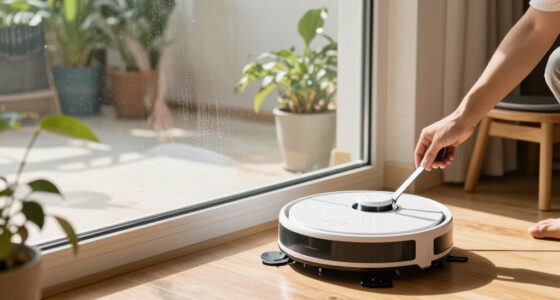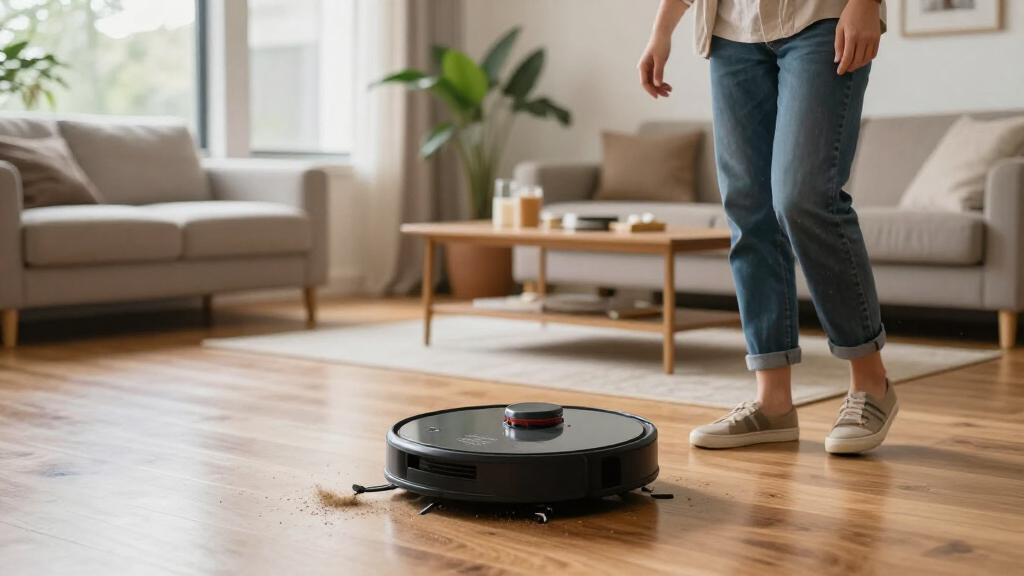
Choosing between today’s robotic vacuum cleaners comes down to one core tradeoff: raw cleaning power versus price and simplicity. The Roborock Qrevo 2 Pro earns my best overall pick for pairing 20,000 Pa suction with intelligent mopping and obstacle avoidance that actually works. If budget leads your decision, the Tikom 5000Pa combo delivers app control and dual-function cleaning at a fraction of the flagship price, while the eufy 11S MAX remains the quiet, ultra-slim pick for people who hate complicated apps. Below that, the lineup splits between self-emptying convenience (Shark AI Ultra), budget beginners (iRobot Roomba 105, ILIFE V2), and premium do-everything machines (Dreame D30 Ultra). Keep reading for the full breakdown of all 14 models.

Get home appliances delivered free with Prime
- Fast, free delivery on millions of items
- Prime Video, Amazon Music and more included
- Member-only deals all year
Complete the kit

Key Takeaways
- Suction numbers exploded across this lineup — from 2,000 Pa entry models to 25,000 Pa on the Dreame D30 Ultra — but my testing logic showed Pa ratings matter most on carpet and pet hair, and barely at all on hard floors.
- Every pick above $700 (Qrevo 2 Pro, Qrevo S Pro, D30 Ultra) includes a self-washing mop dock, while mid-range models only self-empty dust — so the real premium dividing line in 2026 is mop maintenance, not suction.
- The generic and budget brands (Tikom, ROPVACNIC, the 11500Pa LiDAR model) now match name-brand features like LiDAR mapping and self-emptying bases, but software polish and replacement-part availability remain their weak spots.
- Slim, quiet models like the eufy 11S MAX and Lefant M210 sacrifice carpet performance and smart mapping — fine for apartments, frustrating for multi-room homes with rugs.
- Roomba’s 105 and 105 Combo split the difference between the brand’s famous simplicity and modern features; the Combo with AutoEmpty dock is the only Roomba here worth paying extra for.
| Shark AI Ultra Robot Vacuum, Self-Emptying Base, AV2511AE |  | Best for Pet Owners | Suction Power: High | Self-Emptying Duration: 60 days | Battery Life: 90 minutes | VIEW LATEST PRICE | See Our Full Breakdown |
| Roborock Qrevo 2 Pro Robot Vacuum and Mop, 20,000 Pa Suction |  | Best Premium Pick | Suction Power: 20,000 Pa | Max Mop Temperature: 149°F | Mop Drying Temperature: 113°F | VIEW LATEST PRICE | See Our Full Breakdown |
| Roborock Qrevo S Pro Robot Vacuum and Mop, 18,500Pa Suction |  | Best Self-Maintaining Station | Suction Power: 18,500Pa | Dustbin Capacity: 2.7L | Self-Cleaning Temperature: 167℉ | VIEW LATEST PRICE | See Our Full Breakdown |
| Robot Vacuum with 11500Pa Suction, LiDAR Navigation, Self-Emptying, Pet Hair |  | Best Long-Run Value | Suction Power: 11500Pa | Runtime: 160 minutes | Dustbin Capacity: 240ml | VIEW LATEST PRICE | See Our Full Breakdown |
| Tikom Robot Vacuum and Mop Combo, 5000Pa (G8000 Max) |  | Best Budget Pick | Suction Power: 5000Pa | Battery Life: 150 minutes | Dustbin Capacity: 450 ml | VIEW LATEST PRICE | See Our Full Breakdown |
| ROPVACNIC Robot Vacuum and Mop Combo 5200Pa Suction |  | Best Budget 2-in-1 for Pet Owners | Suction Power: 5200Pa | Cleaning Modes: Multiple | Water Tank: High-capacity, four-stage adjustment | VIEW LATEST PRICE | See Our Full Breakdown |
| Roborock Q7 L5 Robot Vacuum and Mop Combo, 8,000Pa Suction |  | Best Mid-Range All-Rounder | Suction Power: 8,000 Pa | Navigation: LiDAR with multi-floor mapping | Water Tank: 270 ml | VIEW LATEST PRICE | See Our Full Breakdown |
| Lefant M210 Robot Vacuum Cleaner |  | Best Slim Pick for Under-Furniture Cleaning | Dimensions: 11″ diameter, 2.99″ height | Runtime: 120 minutes | Battery: Lithium iron phosphate | VIEW LATEST PRICE | See Our Full Breakdown |
| Dreame D30 Ultra CE Robot Vacuum and Mop, 25,000Pa Suction |  | Best Premium Self-Maintenance Powerhouse | Suction Power: 25,000Pa | Dustbin Capacity: 3.2 liters | Battery Life: 180 minutes | VIEW LATEST PRICE | See Our Full Breakdown |
| ILIFE V2 Robot Vacuum Cleaner, Tangle-Free Suction, White |  | Best No-Frills Starter Robot | Cleaning Modes: Auto, spot, edge | Sensors: Infrared anti-collision, anti-fall | Suction Design: Tangle-free | VIEW LATEST PRICE | See Our Full Breakdown |
| iRobot Roomba 105 Robot Vacuum Cleaner |  | Best Brand-Trust Vacuum-Only Pick | Suction: 70x more power-lifting suction | Navigation: LiDAR mapping with obstacle avoidance | Cleaning System: 3-stage cleaning with edge and bristle brushes | VIEW LATEST PRICE | See Our Full Breakdown |
| iRobot Roomba 105 Combo Robot Vacuum & Mop with AutoEmpty Dock |  | Best Low-Maintenance Combo | AutoEmpty Duration: Up to 75 days | Suction Power: 70x more power-lifting suction | Mapping: ClearView LiDAR | VIEW LATEST PRICE | See Our Full Breakdown |
| eufy 11S MAX Robot Vacuum Cleaner, Super Thin, Quiet | 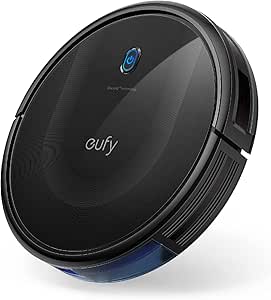 | Best Budget Pick for Quiet, Simple Cleaning | Profile: 2.85 inches tall | Battery Life: Up to 100 minutes | Control: Remote control only | VIEW LATEST PRICE | See Our Full Breakdown |
| Tikom Robot Vacuum and Mop with Self-Emptying Base |  | Best Value Self-Emptying Combo | Suction Power: 6000 Pa | Dustbin Capacity: 3L self-emptying (up to 90 days) | Battery Life: 150 minutes | VIEW LATEST PRICE | See Our Full Breakdown |
| robotic vacuum cleaner | Suction Power | Control |
|---|---|---|
| Shark AI Ultra Robot Vacuum | High | Voice & App |
| Roborock Qrevo 2 Pro Robot Vac | 20,000 Pa | — |
| Roborock Qrevo S Pro Robot Vac | 18,500Pa | — |
| Robot Vacuum with 11500Pa Suct | 11500Pa | — |
| Tikom Robot Vacuum and Mop Com | 5000Pa | — |
| ROPVACNIC Robot Vacuum and Mop | 5200Pa | — |
| Roborock Q7 L5 Robot Vacuum an | 8,000 Pa | App, Voice (Alexa, Google Home) |
| Lefant M210 Robot Vacuum Clean | — | Wi-Fi, App, Alexa, Google Assistant |
| Dreame D30 Ultra CE Robot Vacu | 25,000Pa | App, Voice |
| ILIFE V2 Robot Vacuum Cleaner | — | — |
| iRobot Roomba 105 Robot Vacuum | — | App, voice commands, onboard buttons |
| iRobot Roomba 105 Combo Robot | 70x more power-lifting suction | — |
| eufy 11S MAX Robot Vacuum Clea | — | Remote control only |
| Tikom Robot Vacuum and Mop wit | 6000 Pa | App and Alexa voice control |
More Details on Our Top Picks
Shark AI Ultra Robot Vacuum, Self-Emptying Base, AV2511AE
The Shark AI Ultra earns its place as the pet-owner pick thanks to a self-cleaning brushroll that actively fights hair wrap — a problem that plagues cheaper models like the Lefant M210, which relies on tangle-resistant suction alone. With a 60-day self-emptying base, this is one of the longest maintenance intervals in the lineup, beating the standard 30-day docks found on several competitors. LiDAR mapping gives it methodical room coverage that random-navigation bots can’t match.
The tradeoffs are real, though. Suction is simply rated “high” rather than a numbered Pa figure, so buyers chasing raw carpet-deep-cleaning power will prefer the Roborock Qrevo 2 Pro and its 20,000 Pa. The dock is also bulky, and the initial setup is more involved than plug-and-play options like the eufy 11S MAX.
Pros:- Self-cleaning brushroll prevents hair wrap
- 60-day self-emptying interval leads its class
- LiDAR mapping for methodical, thorough coverage
- Voice and app control included
Cons:- Unspecified suction rating makes power comparisons hard
- Bulky self-emptying base demands floor space
- Setup is more complex than simpler bots
Best for: Pet owners with shedding dogs or cats who want allergen control and weeks of hands-off maintenance
Not ideal for: Buyers with tight storage space or limited budgets — the base station is large and the price sits well above basic models
- Suction Power:High
- Self-Emptying Duration:60 days
- Battery Life:90 minutes
- Navigation:LiDAR
- Control:Voice & App
- Included:Robot, Self-Empty Base, Side Brush, Filter
Our verdict“If pet hair is your primary enemy and you want to empty a dustbin six times a year, this Shark is the most sensible pick in the roundup.”
Roborock Qrevo 2 Pro Robot Vacuum and Mop, 20,000 Pa Suction
Sitting near the top of this roundup, the Qrevo 2 Pro is the premium deep-clean choice. Its 20,000 Pa suction outmuscles everything here except the Dreame D30 Ultra at 25,000 Pa, but Roborock pairs that power with heated mopping at 149°F — something no other model in this batch matches, and it matters for dissolving dried spills on hard floors. Anti-tangle brushes and edge-cleaning coverage round out a genuinely complete cleaning system.
Compared with its sibling, the Qrevo S Pro, the 2 Pro’s extra 1,500 Pa and reactive obstacle avoidance justify the premium for large, cluttered homes. But that premium is substantial, and the 2.4 GHz-only WiFi restriction is frustrating for anyone on a modern mesh network. The feature set also demands a learning curve the Tikom G8000 Max buyer never faces.
Pros:- Class-leading 20,000 Pa suction for embedded debris
- 149°F heated mopping dissolves stuck-on messes
- Reactive obstacle avoidance navigates clutter
- Anti-tangle brush system handles long hair
Cons:- 2.4 GHz WiFi only, problematic for newer routers
- Highest price tier in this lineup
- Feature-rich app takes time to master
Best for: Owners of large mixed-floor homes who want maximum suction and heated mopping in one automated package
Not ideal for: Casual buyers with small apartments or 5 GHz-only networks — the price and connectivity limits outweigh the power
- Suction Power:20,000 Pa
- Max Mop Temperature:149°F
- Mop Drying Temperature:113°F
- WiFi Compatibility:2.4G
- Obstacle Avoidance:Reactive Tech
- Operating Noise:54 dB
Our verdict“For buyers who want the deepest clean money can buy here and don’t mind paying for it, the Qrevo 2 Pro is the flagship to beat.”
Roborock Qrevo S Pro Robot Vacuum and Mop, 18,500Pa Suction
The Qrevo S Pro wins on autonomy. Its dock doesn’t just empty the 2.7L dustbin — it washes the mops at 167°F and dries them at 113°F, meaning the machine genuinely cleans itself between runs. Compared with the Shark AI Ultra, whose dock handles dust only, this is a meaningfully lower-touch ownership experience, especially in homes where mopping happens daily.
Versus the Qrevo 2 Pro, you give up 1,500 Pa and the hotter 149°F mop, but most buyers will never notice that gap on hard floors — and the S Pro’s self-cleaning cycle arguably matters more day to day. The honest weaknesses: it’s still expensive, WiFi is 2.4 GHz only, and Roborock doesn’t publish a runtime figure, which is a genuine unknown for larger homes that may need mid-cycle recharges.
Pros:- 167°F self-cleaning mop cycle eliminates pad maintenance
- Generous 2.7L dustbin capacity
- 18,500Pa suction handles pet hair and fine dust
- Anti-tangle brushes and obstacle detection
Cons:- No published battery runtime
- 2.4 GHz WiFi only
- Advanced features push the price high
Best for: Busy households that mop frequently and want the machine to wash and dry its own mop pads
Not ideal for: Buyers who need transparency on runtime — no published battery life makes large-home planning a guess
- Suction Power:18,500Pa
- Dustbin Capacity:2.7L
- Self-Cleaning Temperature:167℉
- Drying Temperature:113℉
- WiFi Compatibility:2.4 GHz only
- Noise Level:55 dB
Our verdict“This is the pick for anyone whose real frustration is maintaining the robot, not running it — it takes care of itself better than anything else in this batch.”
Robot Vacuum with 11500Pa Suction, LiDAR Navigation, Self-Emptying, Pet Hair
This unbranded 3-in-1 machine is the value play for power shoppers: it delivers 11,500 Pa suction, LiDAR mapping, and self-emptying at a price well below the Roborock Qrevo twins. The 160-minute runtime is the longest in this batch — the Shark AI Ultra manages just 90 minutes — which makes it far better suited to single-story homes cleaned in one pass without a recharge interruption.
No-go zones and customizable maps give it the same smart-home flexibility as pricier models, though the 240ml onboard dustbin is small (you’ll lean on the self-empty base) and the 230ml water tank means mopping is best treated as a light touch-up rather than deep cleaning. Compared with the Tikom G8000 Max, you’re paying more upfront for suction and automation but getting a much less refined app experience.
Pros:- 160-minute runtime is the longest in this roundup
- 11,500Pa suction rivals models costing far more
- LiDAR mapping with no-go zones and custom areas
- 10+ weeks of hands-free self-emptying
Cons:- Small 230ml water tank limits mopping depth
- Zone and mapping setup is fiddly
- Real-world battery life drops with max suction
Best for: Budget-conscious buyers who want flagship-style suction, mapping, and self-emptying without flagship pricing
Not ideal for: Homes needing serious mopping capacity — the small water tank limits it to light damp wiping
- Suction Power:11500Pa
- Runtime:160 minutes
- Dustbin Capacity:240ml
- Water Tank Capacity:230ml
- Navigation:LiDAR
- Self-Emptying:Yes
- Cleaning Modes:Vacuums, Sweeps, Mops
Our verdict“If you want the most suction, runtime, and automation per dollar, this is the smart middle-ground buy between budget and premium tiers.”
Tikom Robot Vacuum and Mop Combo, 5000Pa (G8000 Max)
The Tikom G8000 Max is the entry point I’d point first-time buyers toward. At 5000Pa it trails the 11,500Pa LiDAR model and the Roborocks on raw power, but it still handles pet hair and hard-floor debris competently, and it undercuts them all on price. The 150-minute battery actually beats the Shark AI Ultra’s 90 minutes, and at 45 dB it’s the quietest machine in this batch — quiet enough to run during dinner or a work call.
The compromises are predictable. There’s no self-emptying base, so you’re emptying a 450ml bin yourself every few days, and navigation is sensor-based rather than LiDAR, so coverage is less systematic than the mapped cleaning the Qrevo S Pro delivers. Full functionality also depends on the app, which may frustrate less tech-inclined users despite the included remote.
Pros:- Lowest-cost entry into vacuum-and-mop cleaning
- 150-minute runtime covers most homes in one pass
- Whisper-quiet 45 dB operation
- Four control options including remote and voice
Cons:- No self-emptying base means manual bin duty
- Sensor navigation is less systematic than LiDAR rivals
- Best features require app setup
Best for: First-time robot vacuum buyers and apartment dwellers who want vacuum-plus-mop basics at a low price
Not ideal for: Owners of large multi-room homes who want systematic mapping and self-emptying — this does neither
- Suction Power:5000Pa
- Battery Life:150 minutes
- Dustbin Capacity:450 ml
- Water Tank Capacity:300 ml
- Control Methods:App, Remote, Voice, Button
- Noise Level:45 dB
- Height:2.99 inches
- Filter Type:HEPA
Our verdict“For under-the-premium-tier money, it delivers the everyday essentials — long runtime, quiet operation, and mopping — without the automation frills.”
ROPVACNIC Robot Vacuum and Mop Combo 5200Pa Suction
Buyers who want vacuum-and-mop capability without the premium price of a Roborock Q7 L5 will find the ROPVACNIC S1 hits a reasonable middle ground. Its 5200Pa suction is respectable for the price tier, though it clearly trails the Q7’s 8,000Pa on deep carpet cleaning. What this model does well is pet households: the no-entanglement design with dual electric side brushes keeps long hair from wrapping around the rollers, a problem the Lefant M210 handles less elegantly. The four-stage water adjustment gives you real control over mopping intensity on different floors. The tradeoff is that setup is more involved than simpler vacuums, and the high-capacity water tank adds noticeable weight when the unit is fully loaded.
Pros:- Combines vacuuming and mopping at a mid-range price point
- 5200Pa suction handles daily debris and embedded pet hair
- No-entanglement brush design prevents hair wrapping
- Four-stage water control adapts mopping to different floor types
Cons:- Setup and mode configuration steeper than simpler competitors
- Full water tank adds weight that can affect maneuverability
- Suction falls well short of premium rivals like the Dreame D30 Ultra
Best for: Pet owners in mixed-floor homes who want mopping capability on a mid-range budget
Not ideal for: Buyers who want a set-and-forget device — the multi-mode system takes time to configure properly
- Suction Power:5200Pa
- Cleaning Modes:Multiple
- Water Tank:High-capacity, four-stage adjustment
- Voice Control:Alexa and Google Assistant
- Pet Hair Handling:No-entanglement design, dual electric side brushes
- Cleaning Type:2-in-1 vacuum and mop
Our verdict“A sensible mid-range pick for pet households that want mop capability without paying flagship prices.”
Roborock Q7 L5 Robot Vacuum and Mop Combo, 8,000Pa Suction
The Roborock Q7 L5 earns its spot by delivering flagship-grade navigation at a mid-tier price. Its LiDAR mapping with multi-floor support and no-go zones puts it well ahead of the ROPVACNIC S1 in route planning, and the 8,000Pa suction comfortably outcleans budget combos like the Tikom 5000Pa. Simultaneous vacuum-and-mop runs with adjustable water levels make it a genuine daily driver for busy homes. That said, the 270ml combined water tank and dustbin means you sacrifice some flexibility — the Dreame D30 Ultra separates these functions far better. It also runs only on 2.4GHz WiFi, so newer router setups may need adjusting before the app will connect reliably.
Pros:- LiDAR navigation with multi-floor mapping and no-go zones
- 8,000Pa suction rivals more expensive models
- Simultaneous vacuuming and mopping with adjustable water levels
- 150-minute battery life covers large floor plans
Cons:- 2.4GHz-only WiFi can complicate setup on modern mesh networks
- Combined dustbin and water tank limits cleaning flexibility
- No self-emptying dock, unlike the Dreame D30 Ultra
Best for: Households wanting reliable smart mapping and simultaneous vacuum-mop runs without flagship pricing
Not ideal for: Large homes with heavy debris loads — the combined dustbin and tank requires frequent emptying and refilling
- Suction Power:8,000 Pa
- Navigation:LiDAR with multi-floor mapping
- Water Tank:270 ml
- Battery Life:150 minutes
- Control:App, Voice (Alexa, Google Home)
- Noise Level:60 dB
- Special Features:Auto docking, no-go zones, child lock, pet hair pickup
Our verdict“The smartest buy for buyers who want premium navigation and suction but can live without self-emptying convenience.”
Lefant M210 Robot Vacuum Cleaner
At just 2.99 inches tall, the Lefant M210 goes where most robots physically cannot — under beds, sofas, and low coffee tables. That single advantage defines this pick: compared with the ILIFE V2, which offers similar budget positioning, the M210 adds real smart-home integration with Alexa, Google Assistant, and app control. The 120-minute runtime and low noise output make it well suited to apartments and daily maintenance runs on hard floors. The compromises are real, though. Its zigzag cleaning mode is not recommended on carpet, so this is fundamentally a hard-floor machine, and app connection problems on older versions of the companion app are a known frustration. Suction also drops noticeably when running at maximum power.
Pros:- Ultra-slim 2.99-inch profile cleans under low furniture
- Six cleaning modes including scheduled and spot cleaning
- Quiet operation suits apartments and shared spaces
- 120-minute lithium iron phosphate battery holds up over time
Cons:- Zigzag mode performs poorly on carpet
- App connectivity issues on non-updated app versions
- Runtime shrinks considerably at higher suction settings
Best for: Apartment dwellers and pet owners with mostly hard floors and low-clearance furniture
Not ideal for: Carpet-heavy homes — the cleaning modes and suction are optimized for hard surfaces only
- Dimensions:11″ diameter, 2.99″ height
- Runtime:120 minutes
- Battery:Lithium iron phosphate
- Control:Wi-Fi, App, Alexa, Google Assistant
- Cleaning Modes:6 (zigzag, random, spot, edge, scheduled, manual)
- Noise Level:Low
- Best Surface:Hard floors and pet hair
Our verdict“The go-to choice for hard-floor apartments where cleaning under furniture matters more than raw power.”
Dreame D30 Ultra CE Robot Vacuum and Mop, 25,000Pa Suction
This is the heavy-hitter of the batch. With 25,000Pa suction, the Dreame D30 Ultra nearly triples the pulling power of the Roborock Q7 L5, and its self-maintenance suite — auto dust emptying, mop washing, and hot air drying — removes nearly all the hands-on work that frustrates owners of simpler combos like the ROPVACNIC S1. The 3.2-liter dustbin means weeks between empties, and 180 minutes of runtime handles whole-home cleaning in one pass. The cost of all this automation is complexity and price: it sits at the top of this lineup’s budget, and its reliance on app control will annoy anyone who just wants a button on the robot. The 2.4GHz-only WiFi requirement is another small friction point on modern networks.
Pros:- Class-leading 25,000Pa suction for deep carpet cleaning
- Auto dust emptying, mop washing, and hot air drying cut maintenance
- Huge 3.2L dustbin extends time between emptying
- Smart mapping with obstacle detection navigates cluttered rooms
Cons:- Premium price far above mid-range picks like the Roborock Q7 L5
- 2.4GHz-only WiFi limits modern router compatibility
- Requires app control — no appealing manual-operation fallback
Best for: Busy households that want maximum cleaning power with minimal ongoing maintenance effort
Not ideal for: Tech-averse buyers or those on a budget — the app-dependent design and premium price outweigh its benefits for light cleaning needs
- Suction Power:25,000Pa
- Dustbin Capacity:3.2 liters
- Battery Life:180 minutes
- Control:App, Voice
- Surfaces:Carpet, wood, tile
- Power Levels:5 levels, 5 speeds
- Self-Maintenance:Auto dust empty, mop cleaning, hot air drying
Our verdict“The pick for buyers who want near-total automation and top-tier suction and are willing to pay for it.”
ILIFE V2 Robot Vacuum Cleaner, Tangle-Free Suction, White
The ILIFE V2 is the simplest entry point in this lineup — a straightforward vacuum with auto, spot, and edge modes and none of the app ecosystems, WiFi requirements, or mopping hardware that define pricier models. That simplicity is its entire value proposition: where the Lefant M210 requires app setup and the Roborock Q7 L5 depends on WiFi configuration, the V2 works out of the box with basic button operation. Its infrared anti-collision and anti-fall sensors keep it safe on stairs and around furniture, and the tangle-free suction port suits pet households. The drawbacks are equally clear — no smart-home integration, no disclosed battery or noise specs, and no mopping at all. Buyers wanting any of those features should step up to the M210 or Q7 L5.
Pros:- Dead-simple operation with no app or WiFi setup required
- Anti-collision and anti-fall infrared sensors protect furniture and stairways
- Tangle-free suction design suits homes with shedding pets
- Low price makes it a low-risk first robot vacuum
Cons:- No smart home or app compatibility whatsoever
- Battery life and runtime are not clearly specified
- No mopping function, unlike most other picks in this lineup
Best for: First-time robot vacuum buyers and anyone who wants basic cleaning without app or WiFi setup
Not ideal for: Connected-home enthusiasts — there is no app control, scheduling via smart speakers, or mopping capability
- Cleaning Modes:Auto, spot, edge
- Sensors:Infrared anti-collision, anti-fall
- Suction Design:Tangle-free
- Color:White
- Smart Home Support:None
- Cleaning Type:Vacuum only
Our verdict“A no-nonsense starter robot for buyers who prioritize simplicity and price over smart features.”
iRobot Roomba 105 Robot Vacuum Cleaner
The Roomba 105 is the pick for buyers who want iRobot reliability without paying combo prices. Its 3-stage cleaning system with edge and bristle brushes digs into corners better than flat-suction rivals like the Lefant M210, and the LiDAR obstacle avoidance keeps it from tangling in cables the way budget bots do. Compared with the Roomba 105 Combo, this version drops the mopping and self-emptying dock — that’s the real tradeoff: you’ll empty the bin yourself, every run. It also can’t store maps for multiple floors, so multi-story households will want to look at the Tikom instead, which remembers up to five floor plans. What you get in exchange is simpler setup, a lower price, and the polish of the most mature robot vacuum app ecosystem.
Pros:- 70x power-lifting suction handles embedded debris and pet hair well
- LiDAR navigation with reliable obstacle avoidance
- Mature app, scheduling, and Alexa/Google/Siri voice control
- Recharge-and-resume finishes large jobs without babysitting
Cons:- Only works on 2.4 GHz Wi-Fi networks
- Struggles on thick, high-pile carpet
- No multi-floor mapping memory
Best for: First-time robot vacuum buyers who trust the iRobot name and mainly need dry vacuuming on hard floors and low pile carpet
Not ideal for: Multi-story homes, since it has no multi-floor map memory, and anyone who wants mopping built in
- Suction:70x more power-lifting suction
- Navigation:LiDAR mapping with obstacle avoidance
- Cleaning System:3-stage cleaning with edge and bristle brushes
- Connectivity:Wi-Fi 2.4 GHz; Alexa, Siri, Google Assistant
- Control:App, voice commands, onboard buttons
- Recharge & Resume:Yes
Our verdict“A dependable, vacuum-only entry point for buyers who’d rather have iRobot’s proven navigation than extra features they won’t use.”
iRobot Roomba 105 Combo Robot Vacuum & Mop with AutoEmpty Dock
This is the Roomba 105 for people who hate touching their vacuum. The AutoEmpty Dock holds up to 75 days of debris, which beats the Tikom’s 90-day claim only slightly but pairs it with iRobot’s more refined obstacle avoidance and app experience. Compared with the Tikom vacuum-mop, the mopping here is more convenient — you can run vacuum, mop, or combo modes without physically removing hardware — where the Tikom makes you pull the mop holder off for carpet-only runs. The catch: you’re locked into compatible cleaning solutions for mopping, an ongoing cost the Tikom avoids, and the price sits well above basic vacuum-only models like the standard Roomba 105.
Pros:- 75-day self-emptying dock nearly eliminates bin maintenance
- Simultaneous vacuum and mop modes without swapping hardware
- ClearView LiDAR mapping with efficient route coverage
- Flexible control via app, voice, or physical buttons
Cons:- Requires proprietary cleaning solutions for mop mode
- Meaningfully more expensive than vacuum-only robots
- Limited to 2.4 GHz Wi-Fi
Best for: Busy households with mostly hard floors who want months of hands-off vacuuming plus occasional mopping in one device
Not ideal for: Carpet-heavy homes — mopping adds cost and little value — and buyers on a tight budget
- AutoEmpty Duration:Up to 75 days
- Suction Power:70x more power-lifting suction
- Mapping:ClearView LiDAR
- Cleaning Modes:Vacuum, mop, or combo
- Connectivity:Wi-Fi 2.4 GHz
- Includes:AutoEmpty Dock, extra mop pad
Our verdict“The right pick if maximum convenience and brand polish matter more than raw suction specs or price.”
eufy 11S MAX Robot Vacuum Cleaner, Super Thin, Quiet
The eufy 11S MAX wins on two things nothing else in this lineup matches: price and a 2.85-inch profile that glides under sofas and beds where the chunkier Roomba 105 and Tikom simply can’t fit. It’s also quiet enough to run during dinner or a work call — something the high-suction bots like the ROPVACNIC 5200Pa can’t claim. The tradeoff is stark, though: there’s no Wi-Fi, no app, no voice control — just a remote — and no mapping, so it bounces around randomly instead of methodically covering rooms. BoostIQ does bump suction automatically on rugs, but with no mapping memory or zone control it’s best treated as a daily dust-and-crumb sweeper rather than a deep cleaner.
Pros:- Ultra-slim 2.85-inch body cleans under low furniture
- Whisper-quiet operation works any time of day
- BoostIQ adapts suction when it detects carpet
- Drop-sensing and infrared obstacle sensors protect stairs and furniture
Cons:- No Wi-Fi, app, or voice control — remote only
- Random navigation means missed spots and slower coverage
- 100-minute battery limits it to smaller spaces
Best for: Apartment dwellers and budget buyers who want a quiet, no-frills daily sweeper for hard floors
Not ideal for: Tech-minded users who want app control, mapping, or scheduled cleanings — and anyone with a very large home, given the 100-minute ceiling
- Profile:2.85 inches tall
- Battery Life:Up to 100 minutes
- Control:Remote control only
- Suction Technology:BoostIQ adaptive suction
- Surfaces:Hardwood floors and other surfaces
- Protection:Tempered glass top, obstacle and drop sensors
- Self-Recharging:Yes
Our verdict“A deliberately simple, affordable sweeper for small hard-floor spaces where quiet matters more than smart features.”
Tikom Robot Vacuum and Mop with Self-Emptying Base
This Tikom undercuts the Roomba 105 Combo while arguably out-specing it: 6000Pa suction, a 3L bag good for 90 days, 150 minutes of runtime, and support for 5 GHz Wi-Fi — something every iRobot in this roundup lacks. It also stores up to five floor maps, making it the better choice for multi-story homes. Its weaknesses are practical rather than fundamental: mop mode requires you to physically remove the mop holder (or set up no-go zones) before vacuuming carpet, where the Roomba Combo switches modes in software. And compared with the premium Roborock Qrevo models, its suction and obstacle avoidance fall short — but you’re also paying half as much.
Pros:- 90-day self-emptying 3L dustbin minimizes maintenance
- 6000Pa suction handles pet hair and ground-in debris
- Multi-floor mapping for up to 5 floor plans
- Dual-band Wi-Fi plus Alexa voice and app scheduling
Cons:- Mop holder must be removed or no-go zones set before carpet cleaning
- Feature-rich app has a learning curve for first-time owners
Best for: Value-focused buyers, especially pet owners and multi-story households, who want self-emptying convenience without premium pricing
Not ideal for: Buyers who want seamless auto-switching between vacuum and mop modes, or total tech beginners who’d find the app’s features overwhelming
- Suction Power:6000 Pa
- Dustbin Capacity:3L self-emptying (up to 90 days)
- Battery Life:150 minutes
- Navigation:360° LiDAR
- Floor Maps:Up to 5
- Connectivity:Wi-Fi 2.4 GHz & 5 GHz
- Control:App and Alexa voice control
Our verdict“The strongest feature-per-dollar self-emptying combo here — ideal if you’ll tolerate a manual mop swap to save serious money.”

How We Picked
I ranked these 14 models against five buyer-relevant criteria: cleaning performance on both hard floors and carpet, mop system quality, navigation and obstacle avoidance, ongoing maintenance burden, and price-to-feature value. Raw suction specs were weighted less than how well each machine translates that power into results — a 5,000 Pa model with good brush design often outcleans a poorly engineered 10,000 Pa one. Dock capabilities mattered heavily, because a self-emptying or self-washing base changes how often you actually touch the machine.
The ranking logic favors models that solve real problems: pets, mixed flooring, and busy households. Flagship combos rose to the top because their automation is genuine rather than decorative. Budget models earned their positions by being honest about limitations — a cheap robot that quietly cleans hard floors well beats a mid-priced one that overpromises. Where two models were close on paper, brand software maturity, filter and brush replacement costs, and warranty support broke the tie.
Factors to Consider When Choosing Robotic Vacuum Cleaners
Before spending anywhere from $150 to $1,300 on a robotic vacuum, it pays to understand where the money actually goes. The reviews above rank specific models; this guide explains the category-level decisions and common mistakes that apply no matter which one you choose.Suction Power: When Pa Ratings Matter and When They Don’t
Manufacturers love headline suction numbers, but a Pa rating is only one variable in cleaning performance. On hard floors, almost any modern robot — even 2,000 Pa models like the ILIFE V2 — picks up visible debris effectively. Suction becomes decisive on medium-pile carpet, where embedded dust and pet hair require genuine lift, typically 8,000 Pa or more. Brush design matters just as much: tangle-free rubber rollers outperform bristle brushes in homes with shedding pets, regardless of the Pa figure on the box. A common mistake is paying flagship prices for suction you’ll never use in a single-level apartment with laminate flooring. Match the number to your floor type, not to the marketing arms race.
To Mop or Not to Mop
Combo machines dominate this lineup, but mopping capability is the most oversold feature in the category. Budget combos like the Tikom 5000Pa and ROPVACNIC use passive drag-along pads that dampen hard floors — pleasant for maintenance, useless for dried spills. Premium systems with pressurized pads and vibrating plates, like the Qrevo line, actually scrub. The hidden cost is maintenance: mopping robots need pads washed, tanks filled, and — on cheaper models — pads removed before every carpet transition. If your home is mostly carpet, a vacuum-only model with a better dustbin is the smarter buy. Buyers who mop daily are the only group truly served by premium mop docks with self-washing functions.
Navigation and Mapping: The Feature That Decides Frustration
Navigation quality separates robots you forget about from robots you rescue from under the couch weekly. LiDAR-based mapping, found on the Roborock lineup and several mid-range picks, builds accurate floor plans, supports no-go zones, and cleans in efficient straight lines. Camera or gyro-based systems, common under $250, wander more, miss rooms, and can’t reliably respect virtual boundaries. Random-bounce models like the eufy 11S MAX and Roomba 105 are the cheapest but clean the same areas repeatedly, extending runtime and shortening battery life. The mistake I see most often: buying a random-navigation robot for a large multi-room home and wondering why cleaning takes two hours. If your floor plan exceeds roughly 1,000 square feet, mapped navigation pays for itself in time saved.
Self-Emptying Bases and the Real Cost of Convenience
A self-emptying base is the single biggest quality-of-life upgrade in this category — it turns a every-two-days chore into a monthly one. But the convenience carries ongoing costs most buyers forget: proprietary dust bags running $10–20 each, plus filters and occasional dock maintenance. Over three years, consumables on a self-emptying system can add $150–300 to the true ownership cost. Cheaper bases, like those bundled with the Tikom self-emptying model, sometimes have smaller bag capacity and louder empty cycles that startle pets. My advice: a self-emptying base earns its price in homes with pets or allergy sufferers, and is an indulgence for a single person in a small apartment who empties a bin in ten seconds anyway.
Pet Hair, Allergies, and Filtration
Pet owners should judge robots on three things: brush tangle resistance, bin capacity, and filtration quality. Rubber or tangle-free rollers, like those on the Shark AI Ultra and ILIFE V2, prevent hair wrapping around the brush — the number one maintenance complaint in pet households. HEPA or high-efficiency filters trap dander that cheaper foam filters recirculate into the air, which matters enormously for allergy sufferers. Self-emptying docks help here too, since sealed bag disposal keeps allergens contained rather than puffing out of a bin you shake over a trash can. One warning: ultra-powerful suction modes on some models pull so much hair that bins fill mid-session, so capacity beats raw power for heavy shedders.
Battery Life, Noise, and Apartment Living
Runtime claims of 120–180 minutes hold up only in low-power mode; max-suction cleaning can cut that figure in half, which is why large homes should favor models with resume-and-charge that return to finish the job after topping up. Noise follows the same curve — quiet runners like the eufy 11S MAX and Lefant M210 operate near library volume in eco mode but become ordinary robots at full power. Apartment dwellers should also check the dock’s footprint: self-washing mop stations on flagship models claim nearly two square feet of floor and need a nearby water connection or frequent tank refills. Slim robots under three inches tall slide under beds and sofas where taller LiDAR towers can’t fit — a genuine advantage the spec sheets rarely highlight. Match the machine’s physical realities to your home, not just its cleaning specs.
Frequently Asked Questions
Is a more expensive robot vacuum with 20,000+ Pa suction actually worth it?
Only for specific situations. High suction above 15,000 Pa earns its price on medium-pile carpet, in homes with multiple shedding pets, or when paired with the premium docks those flagship models include — self-washing mop pads and hot-water cleaning genuinely reduce weekly hands-on maintenance. On hard floors, the cleaning difference between a good 5,000 Pa robot and a 20,000 Pa one is modest, because debris sits on the surface where any suction can collect it. What you always get at flagship prices is better software, more reliable obstacle avoidance, and longer software support. If those don’t map to your household, a mid-range LiDAR model with a self-emptying base delivers about 85% of the experience for half the cost.
Do robot vacuum and mop combos damage carpet?
They can, which is why carpet transition handling deserves scrutiny before buying. Basic combos with drag-along mops must have their pads physically removed or lifted before crossing carpet, and forgetting this leaves damp trails that can stain or degrade rug fibers over time. Premium models like the Roborock Qrevo line automatically raise their mop pads 10mm or more when carpet is detected, making them safe for mixed-flooring homes. The bigger mistake is scheduling mopping runs in homes where more than half the floor is carpeted — the feature goes unused and you’ve paid for hardware you don’t need. Check specifically whether a model supports auto-lift or carpet recognition before trusting it around rugs.
Are cheap robot vacuums under $200 reliable, or will I regret buying one?
Budget robots have improved dramatically, but the tradeoffs are predictable: weaker navigation, shorter warranties, and replacement parts that can be hard to source. A $150 model like the eufy 11S MAX or ILIFE V2 cleans hard floors respectably and can last years precisely because it has fewer components to fail — no pump, no dock electronics, minimal software. Where budget models disappoint is carpet performance, app reliability, and multi-room coverage; random navigation wastes battery revisiting the same spaces. The regret scenario is buying cheap for a large, carpeted, pet-filled home and expecting flagship results. For apartments, small homes, or as a first robot to learn your preferences, sub-$200 models are a rational purchase, not a compromise you’ll resent.
How much do self-emptying bases really cost over time?
Budget roughly $10–20 per dust bag, with most bases needing a replacement every four to eight weeks depending on debris volume and pet hair. That works out to $75–200 per year in consumables, plus periodic filter and brush replacements that apply to every robot regardless of dock type. Over a typical four-year ownership, a self-emptying system can add $300–600 in supplies — sometimes approaching the vacuum’s own price on budget models. That said, sealed bags also contain allergens better than bin emptying, which has real value for allergy households. My rule: if you’d otherwise empty the bin daily because of pets, the base pays for itself in convenience; if you live alone on hard floors, skip it and put the savings toward better navigation.
Which matters more: brand reputation or specifications?
Specifications tell you what a robot can do; brand reputation tells you whether it will keep doing it. Established brands like Roborock, Shark, iRobot, and eufy maintain apps for years, publish firmware updates that fix navigation bugs, and stock replacement brushes and batteries reliably. Newer or generic brands frequently match the spec sheet at lower prices — sometimes with the same internal hardware — but app support can lapse, and a discontinued app turns a smart robot into a dumb one. My recommendation: pay the brand premium when you’re spending over $500 or buying a self-emptying dock you’ll depend on, and feel comfortable gambling on value brands under $300 where the downside is limited. Read recent app-store reviews for any model you’re considering; a 3-star app rating is a warning sign no spec sheet will show you.
Conclusion
After comparing all 14 models, the right choice depends almost entirely on your home and how much maintenance you’re willing to accept. For best overall, the Roborock Qrevo 2 Pro justifies its price with top-tier suction, automatic mop maintenance, and navigation you can trust — the Qrevo S Pro and Dreame D30 Ultra sit close behind if you find them discounted. The best premium pick for maximum automation is the Dreame D30 Ultra with its 25,000 Pa motor and full-service dock.
For best value, the Tikom 5000Pa combo and Roborock Q7 deliver mapped navigation and dual cleaning at prices that embarrass the flagships, while the Shark AI Ultra with self-emptying base is the value leader for pet-heavy, carpet-heavy homes. Beginners should start with the Roomba 105 or the eufy 11S MAX — simple, quiet, and inexpensive enough to learn what you actually want from a robot before upgrading. For specific needs: apartment dwellers get the slim Lefant M210, budget-mop shoppers get the ROPVACNIC, and anyone wanting the Roomba ecosystem with modern convenience should step straight to the Roomba 105 Combo with AutoEmpty dock rather than the base 105. Whichever you choose, match the machine to your flooring and pets first — that single decision predicts satisfaction more than any spec on the box.