Air monitoring constantly checks your indoor air for pollutants like dust, VOCs, and humidity, giving you real-time data on air quality. Air cleaning, on the other hand, actively removes these pollutants using filters or purifiers, directly improving the air you breathe. Monitoring helps you identify issues early and guides cleaning efforts, which then act to lower pollution levels. To better understand how these tools work together for healthier indoor spaces, explore the details below.

Get home appliances delivered free with Prime
- Fast, free delivery on millions of items
- Prime Video, Amazon Music and more included
- Member-only deals all year
Key Takeaways
- Air monitoring detects and measures pollutant levels in real-time, providing data on air quality, while air cleaning actively removes or reduces pollutants.
- Monitoring serves as an early warning system to identify pollution issues, whereas cleaning directly improves air quality by filtering contaminants.
- Monitoring offers continuous insights without changing the environment, while cleaning involves active devices that modify air composition.
- Data from monitoring guides targeted cleaning actions; cleaning responds to detected pollution levels for immediate improvements.
- Both are essential; monitoring informs when and where to clean, ensuring effective and proactive indoor air quality management.
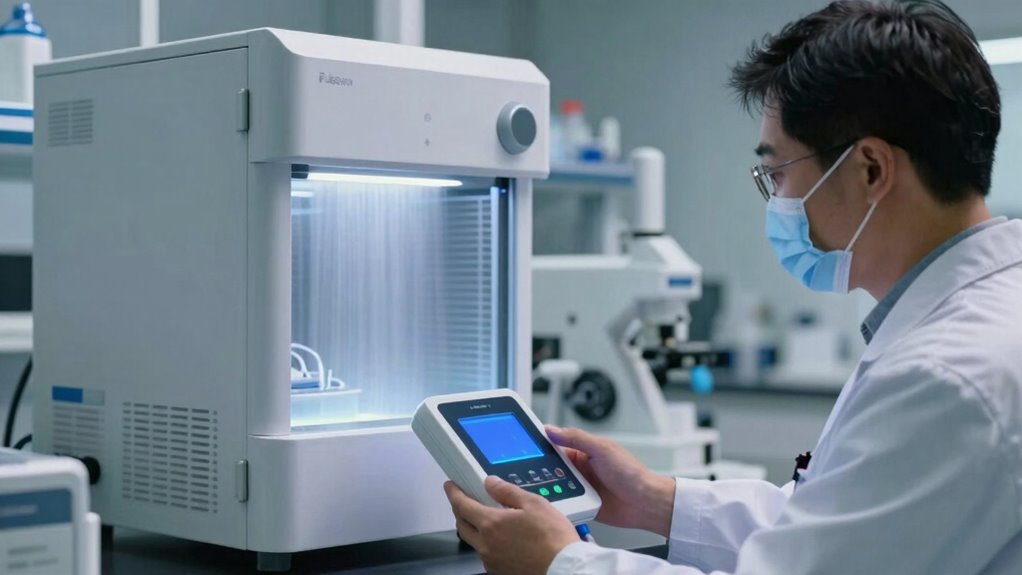
When it comes to maintaining healthy indoor air quality, understanding the difference between air monitoring and air cleaning is essential. Both play crucial roles in ensuring your environment stays safe and comfortable, but they serve distinct purposes in pollution control. Air monitoring involves continuously measuring the levels of pollutants present in your indoor air. Think of it as your system’s way of taking the air’s pulse—detecting dust, volatile organic compounds (VOCs), humidity levels, and other airborne contaminants. With accurate data, you can identify when pollution levels rise beyond safe thresholds, giving you the chance to take targeted action. Monitoring is proactive; it provides real-time insights that help you understand the quality of your indoor air over time, allowing you to make informed decisions about when and how to improve it. Air quality data is essential for implementing effective pollution control strategies. Regularly reviewing this data can also help you recognize seasonal or activity-related patterns that influence indoor air quality. Incorporating air quality management practices can further optimize your approach to maintaining a healthy environment.
On the other hand, air cleaning focuses on actively reducing or removing pollutants from the indoor environment. You might use HEPA filters, activated carbon filters, or UV air purifiers to scrub the air of harmful particles, odors, and biological contaminants. Think of air cleaning as the cleanup crew—it doesn’t just tell you there’s a problem; it works to solve it. When pollutants are detected, air cleaning devices kick into action, filtering the air to bring down contamination levels. This makes your indoor spaces healthier and more comfortable, especially during times of increased pollution or when sensitive individuals are present. While air monitoring provides the data, air cleaning acts on that data to improve indoor air quality directly. Additionally, integrating air quality awareness into your routine can help you better understand and respond to indoor pollution issues.
Understanding the difference between these two approaches is vital for effective pollution control. Monitoring helps you identify issues early, giving you the chance to address potential problems before they impact your health. Real-time data from monitoring can also help you evaluate the effectiveness of your air cleaning solutions and make adjustments as needed. Cleaning, meanwhile, ensures that once a problem is detected, it’s swiftly dealt with, reducing ongoing exposure to indoor pollutants. In a thorough indoor air quality strategy, both are necessary. Monitoring guides your cleaning efforts, telling you when and where to focus, while cleaning maintains a safe, breathable environment. Without monitoring, you’re flying blind—unable to see if your pollution control measures are working. Without cleaning, monitoring alone won’t improve air quality; you’d just know there’s a problem but wouldn’t actively fix it. Combining both methods creates a balanced approach, giving you full control over your indoor air quality and helping you maintain a healthier, safer space. Employing air quality sensors can further enhance your ability to respond swiftly to fluctuations in air quality levels.
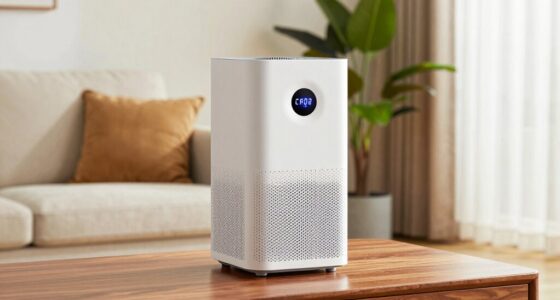
air quality monitor with VOC detection
As an affiliate, we earn on qualifying purchases.
As an affiliate, we earn on qualifying purchases.
Frequently Asked Questions
How Often Should Air Monitoring Be Conducted?
You should conduct air monitoring regularly, ideally monthly, to guarantee indoor ventilation keeps air quality within standards. Frequent checks help identify pollutants early, so you can improve ventilation or clean air systems accordingly. In spaces with higher risks, like hospitals or labs, consider more frequent monitoring. Consistent air monitoring helps maintain ideal indoor air quality, assures compliance with air quality standards, and creates a healthier environment for everyone inside.
Can Air Cleaning Devices Remove All Pollutants?
Think of air cleaning devices as guardians of your home, but even the bravest guardians can’t fight every enemy. They struggle with all pollutant types, especially tiny particles like allergens and VOCs. Device efficiency varies, so some pollutants might slip through, making it impossible to remove all pollutants completely. While these devices greatly improve air quality, you should combine them with other measures for the best protection.
What Are the Costs Associated With Air Monitoring?
You’ll find that the costs of air monitoring vary based on equipment, scope, and certification standards. A basic setup might cost a few hundred dollars, while extensive systems can reach thousands. When comparing costs, consider the accuracy and certifications required, as higher standards often mean higher expenses. Regular maintenance and calibration also add to ongoing costs, making it essential to balance budget with the level of detail you need for effective air quality assessment.
Are There Health Risks if Air Cleaning Fails?
You might think air cleaning always keeps your indoor environment safe, but if it fails, health risks can arise. Without proper filtration, indoor allergens and outdoor pollution can accumulate, leading to respiratory issues or allergies. It’s not just about having an air cleaner; it’s about ensuring it works correctly. Regular maintenance and monitoring help prevent these risks, keeping your air safe and healthy to breathe.
How Do I Choose Between Air Monitoring and Cleaning?
To choose between air monitoring and cleaning, consider your indoor environment and concerns. If you want to detect indoor allergens and assess air quality, opt for air monitoring with sensors or testing devices. If you need to reduce allergens and pollutants, prioritize air cleaning with HEPA filters or air purifiers. Implement proper ventilation strategies alongside to improve overall air quality and maintain a healthier indoor space.
As an affiliate, we earn on qualifying purchases.
Conclusion
Remember, air monitoring and air cleaning are like two sides of the same coin—one detects the problem, while the other solves it. You can’t effectively clean your air without knowing what’s lurking in it, just as you can’t fix a leak without spotting where it’s coming from. By understanding their roles, you’ll better protect your space, turning your environment into a sanctuary rather than a battleground against invisible foes. Stay vigilant and proactive—your lungs will thank you.
As an affiliate, we earn on qualifying purchases.
As an affiliate, we earn on qualifying purchases.
Cold & flu season Picks
humidifiers
As an affiliate, we earn on qualifying purchases.