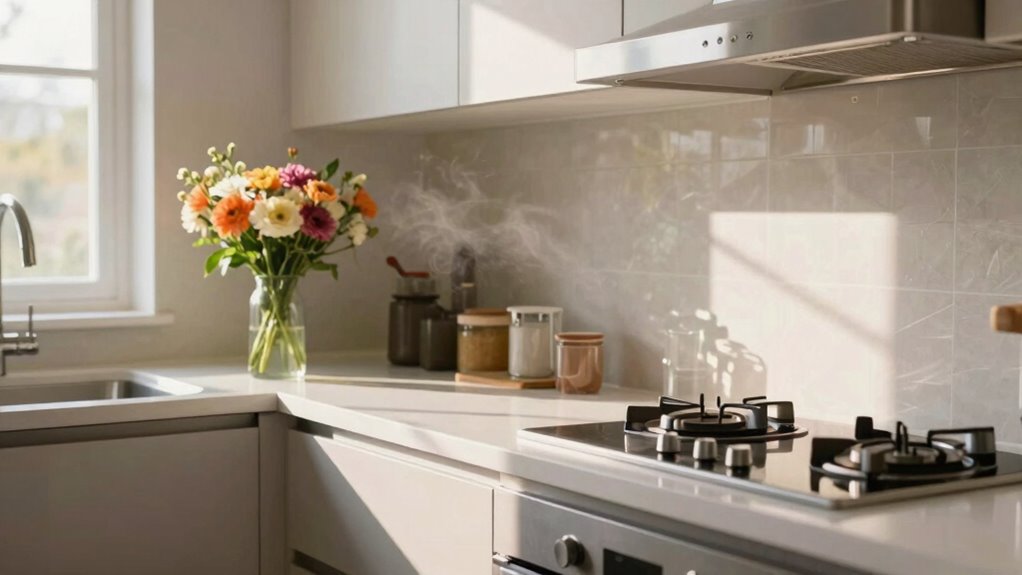

Even if your home smells fresh, hidden indoor pollutants can still be present and affect your health. Chemicals from cleaning supplies, furniture, and cooking can linger invisibly, impacting breathing and overall well-being over time. Poor ventilation can trap these particles, so simply smelling good doesn’t mean the air is clean. Improving airflow and reducing sources of pollution are key. Keep exploring to discover easy ways to improve your indoor environment and breathe easier.

Get home appliances delivered free with Prime
- Fast, free delivery on millions of items
- Prime Video, Amazon Music and more included
- Member-only deals all year
Key Takeaways
- Indoor pollutants like chemicals and particles can be odorless yet harmful over time.
- A fresh scent doesn’t indicate the absence of invisible pollutants affecting health.
- Poor ventilation allows pollutant buildup even if the home smells clean.
- Household activities can introduce pollutants that settle unnoticed in furniture and fabrics.
- Regular air filtration and source control are essential for true indoor air quality.

Many common household activities and appliances can compromise your home’s air quality without you even realizing it. Even if your house smells fresh and clean, it doesn’t mean the air inside is healthy. Indoor pollutants can linger invisibly, slowly affecting your breathing and overall well-being. These pollutants originate from everyday items like cleaning supplies, furniture, and cooking methods, releasing chemicals and particles into the air that you may not notice. Smoke from candles, pet dander, mold spores, and volatile organic compounds (VOCs) contribute to poor indoor air quality, often without any obvious odor. The key to addressing this silent threat lies in understanding how these pollutants accumulate and finding ways to reduce their presence.
Indoor pollutants often go unnoticed, quietly impacting health despite a fresh-smelling home.
One of the most effective strategies to improve indoor air quality is through ventilation improvements. Proper ventilation helps dilute indoor pollutants, bringing in fresh air from outside and expelling contaminated air. You might think that opening windows now and then is enough, but more systematic ventilation solutions can make a significant difference. Installing exhaust fans in the kitchen and bathroom helps remove excess moisture and odors, which can foster mold growth and worsen air quality. Upgrading your home’s ventilation system, such as adding an air exchange unit or HEPA filtration system, guarantees a continuous flow of cleaner air without sacrificing energy efficiency. Understanding air exchange systems can help you choose the best setup for your home. Additionally, choosing energy-efficient ventilation solutions can ensure you maintain good air quality without increasing energy bills. Being aware of indoor air pollutants that can accumulate despite a fresh scent is also crucial for maintaining a truly healthy environment. Regular maintenance and proper filtration techniques are essential to keep indoor air safe and clean.
It’s also essential to be mindful of how your household activities contribute to indoor pollutants. Cooking without good ventilation releases fumes and particulate matter into the air, while using certain cleaning products can introduce VOCs that linger long after you’ve finished cleaning. Regularly changing air filters in your heating and cooling systems can trap many of these pollutants before they circulate. Consider using air purifiers with HEPA filters, which are designed to capture tiny particles like pet dander, pollen, and dust mites, further reducing indoor pollutants. Additionally, being aware of the sources of indoor pollution can help you target specific areas for improvement.
You might assume that a home that smells fine is safe, but the reality is that many indoor pollutants are odorless. They settle into furniture, carpets, and curtains, slowly building up over time. Small improvements in ventilation, combined with mindful cleaning habits and air purification, can dramatically enhance your home’s air quality. Ensuring proper airflow and reducing sources of indoor pollutants are essential steps for creating a healthier living environment—because fresh-smelling air isn’t always the same as clean, healthy air.
HEPA air purifier for indoor air quality
As an affiliate, we earn on qualifying purchases.
As an affiliate, we earn on qualifying purchases.
Frequently Asked Questions
Can Indoor Plants Improve Air Quality Without Noticeable Odors?
Indoor plants can improve air quality through air detoxification, even if they don’t produce noticeable odors. They absorb plant toxins like formaldehyde and benzene, filtering harmful chemicals from the air. By adding a few well-chosen plants, you actively enhance your home’s air quality, making it healthier to breathe without relying on scent masks or air fresheners. So, yes, plants can help purify your indoor air quietly and effectively.
How Often Should HVAC Filters Be Replaced for Optimal Air Quality?
Think of your HVAC filter like the lungs of your home; it needs regular care to keep everything breathing smoothly. Replace filters every 1 to 3 months, depending on usage and filter type. Regular filter maintenance boosts ventilation efficiency and guarantees cleaner air. Don’t wait until you notice issues—timely changes keep air fresh and your system running efficiently, protecting your home’s air quality day in and day out.
Do Air Purifiers Eliminate All Indoor Air Pollutants?
Air purifiers don’t eliminate all indoor air pollutants because of their limitations, especially with larger particles, gases, or VOCs. While they’re effective for odor removal, their effectiveness varies depending on the model and filter type. You should still guarantee proper ventilation and regular cleaning, as air purifiers complement but don’t replace other air quality measures. Relying solely on them might leave some pollutants behind.
Are New Furniture and Carpets Sources of Indoor Air Pollution?
Yes, new furniture and carpets can release toxins that contribute to indoor air pollution. Furniture toxins, like formaldehyde and volatile organic compounds (VOCs), off-gas over time, while carpet chemicals such as adhesives and dyes emit fumes. These pollutants can affect your indoor air quality even if your home smells fresh. To reduce exposure, ventilate thoroughly after bringing in new items, and consider air purifiers with activated carbon filters.
Can Poor Air Quality Cause Long-Term Health Problems?
Imagine someone develops chronic respiratory issues after months of poor indoor air quality. Yes, long-term health problems can arise from prolonged exposure to indoor pollutants. Poor indoor humidity encourages mold growth, which worsens air quality and can trigger allergies or asthma. Over time, this exposure might lead to serious health conditions like respiratory infections or even cardiovascular issues. Keeping indoor humidity balanced helps prevent mold and protects your long-term health.
kitchen exhaust fan with odor removal
As an affiliate, we earn on qualifying purchases.
As an affiliate, we earn on qualifying purchases.
Conclusion
Even if your home smells fine, the air could still be harmful. Did you know that indoor air pollution can be up to five times worse than outdoor air? This means invisible toxins might be affecting your health without you realizing it. Regularly checking your air quality and improving ventilation can make a big difference. Don’t wait for symptoms—take action now to guarantee your indoor environment is truly safe and healthy for everyone in your home.
air exchange system for home ventilation
As an affiliate, we earn on qualifying purchases.
As an affiliate, we earn on qualifying purchases.
energy-efficient bathroom exhaust fan
As an affiliate, we earn on qualifying purchases.
As an affiliate, we earn on qualifying purchases.
NFL season / tailgating Picks
team gear
As an affiliate, we earn on qualifying purchases.