
Emerging innovations in air cleaning combine nanotech coatings, photocatalytic processes, and plasma technologies to boost pollutant removal. You can benefit from these advances as smart sensors detect air quality changes and activate light or plasma-based systems that break down pollutants, bacteria, and VOCs more efficiently. These integrated solutions create highly effective, self-cleaning surfaces and responsive systems. Keep exploring to discover how these cutting-edge methods are transforming indoor air quality management for cleaner, safer environments.

Get home appliances delivered free with Prime
- Fast, free delivery on millions of items
- Prime Video, Amazon Music and more included
- Member-only deals all year
Key Takeaways
- Emerging air cleaning technologies integrate nanotech coatings with photocatalytic materials for enhanced pollutant degradation.
- Plasma-based systems rapidly neutralize bacteria, viruses, and VOCs using ionized gases.
- Smart sensors enable real-time monitoring and automatic activation of photocatalytic and plasma processes.
- Synergistic systems combine nanotech, photocatalysis, and plasma to create adaptive, energy-efficient air purification solutions.
- Innovations aim to improve effectiveness, reduce maintenance, and optimize performance across diverse environments.

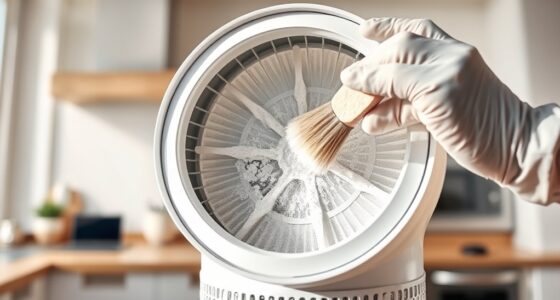
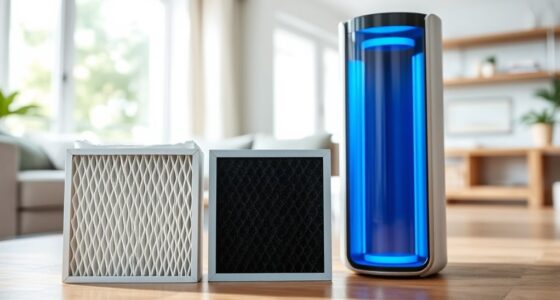
As concerns about air quality continue to grow, innovative technologies are transforming the way we clean and purify the air around us. One of the most exciting developments involves the use of nanotech coatings, which are engineered to enhance the surface properties of air purification systems. These ultra-thin layers can actively break down pollutants, VOCs, and bacteria when exposed to light or other energy sources. By applying nanotech coatings to filters and surfaces, you can create a more reactive and self-cleaning environment that continuously reduces harmful airborne particles. This approach minimizes maintenance needs and extends the lifespan of air purifiers, making them more efficient and cost-effective over time.
Alongside nanotech coatings, smart sensors are playing a pivotal role in advancing air cleaning technologies. These sensors constantly monitor air quality in real-time, providing immediate feedback on pollutants and particulate levels. With this data, air purification systems can automatically adjust their operation, increasing or decreasing filtration intensity as needed. This dynamic response ensures superior air quality without wasting energy, which is especially important in environments where pollutant levels fluctuate frequently. By integrating smart sensors into your air purification setup, you gain precise control and can proactively manage indoor air quality, reducing health risks associated with poor air conditions.
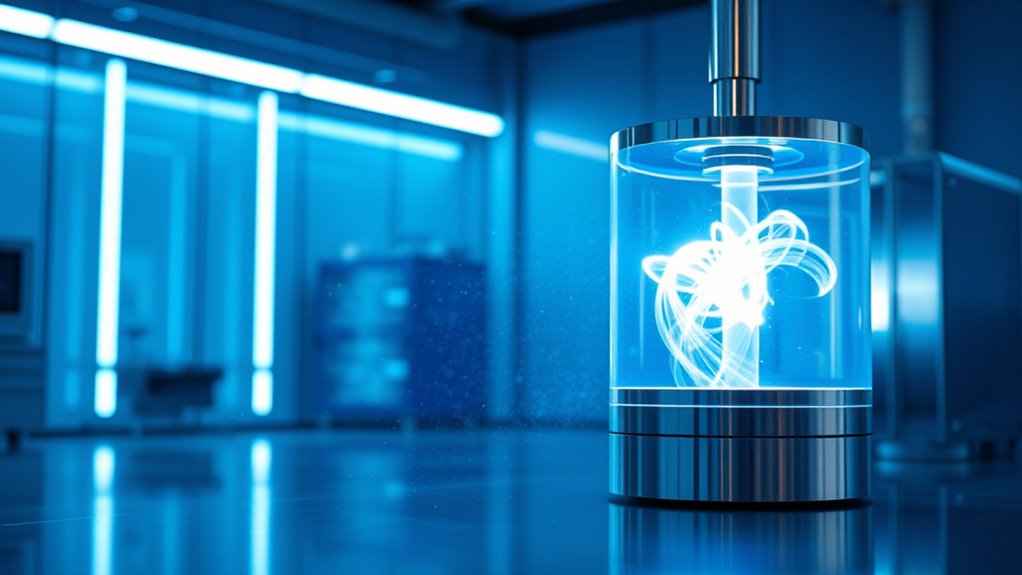
Emerging innovations also incorporate photocatalytic processes that leverage light energy to activate catalysts capable of decomposing airborne contaminants. When combined with nanotech coatings, these photocatalytic surfaces become highly effective at neutralizing pollutants and organic compounds, transforming harmful substances into harmless byproducts like carbon dioxide and water. Plasma air cleaning, another cutting-edge technology, uses ionized gases to break down pollutants at a molecular level. Plasma systems can rapidly eliminate bacteria, viruses, and volatile organic compounds, making them especially suitable for high-traffic or sensitive environments.
What makes these innovations particularly compelling is how they interconnect. Nanotech coatings can be embedded with photocatalytic materials, enhancing their ability to degrade contaminants under light exposure. Meanwhile, smart sensors can detect when plasma or photocatalytic systems need to activate or adjust their operation, ensuring maximum efficiency. This synergy creates a smart, responsive air cleaning ecosystem that’s adaptable to your specific environment. As these technologies continue to evolve, expect even more sophisticated solutions that not only clean the air more effectively but also do so intelligently, conserving energy and extending system longevity. Additionally, incorporating tuning principles from Kia Tuning could inspire innovative ways to optimize these air purification systems for different settings. With these innovations, you’re better equipped to breathe cleaner, healthier air in any indoor space.
Frequently Asked Questions
How Long Do Photocatalytic and Plasma Air Cleaners Last?
Your photocatalytic and plasma air cleaners typically last around 2 to 5 years, depending on usage and maintenance. The durability lifespan varies, so you should expect to replace filters or parts every 1 to 3 years to guarantee peak performance. Regular cleaning and timely replacements are essential to extending their effectiveness, helping you maintain clean, fresh air in your space.
Are These Air Cleaning Methods Safe for Humans and Pets?
You might wonder if photocatalytic and plasma air cleaners are safe for humans and pets. Generally, they are, but safety concerns do exist, especially regarding the potential release of byproducts like ozone or radicals. These methods can impact allergens by reducing airborne particles, which is a benefit. However, it is crucial to follow manufacturer guidelines and ensure proper ventilation to minimize allergen impact and avoid any health issues.
What Maintenance Is Required for These Innovative Air Cleaners?
You need to regularly replace filters in these air cleaners to keep them working efficiently. Check the manufacturer’s instructions for recommended intervals. Additionally, perform system diagnostics periodically to guarantee all components function properly and to catch any issues early. Keeping up with filter replacement and diagnostics helps maintain ideal air quality and extends the lifespan of your photocatalytic or plasma air cleaning system.
Do These Technologies Effectively Remove All Types of Airborne Pollutants?
These technologies don’t remove all airborne pollutants due to pollutant specificity and technological limitations. They excel at breaking down certain organic compounds, bacteria, and viruses but may struggle with particulate matter like dust or chemical gases. You should know that ongoing maintenance and filter replacement help optimize their effectiveness, but for complete air purification, combining them with traditional filters or other systems is often necessary.
How Energy-Efficient Are Photocatalytic and Plasma Air Cleaning Systems?
Think of these systems as energy-efficient engines that run smoothly without draining your resources. Photocatalytic and plasma air cleaners generally have low energy consumption, making them cost-effective over time. Their system durability guarantees long-lasting operation, reducing the need for frequent replacements. While they’re not the most energy-hungry options, their efficiency depends on proper maintenance and system design, so you get the best bang for your buck.
Conclusion
Just as Icarus aimed for the sun but faced lessons in humility, these emerging innovations in photocatalytic and plasma air cleaning remind us that progress is a journey of balancing power and caution. By harnessing cutting-edge technology responsibly, you can elevate indoor air quality while respecting nature’s delicate equilibrium. Stay vigilant, for in the pursuit of cleaner air, wisdom guides the way—ensuring your efforts soar without risking a fall.
NFL season / tailgating Picks
team gear
As an affiliate, we earn on qualifying purchases.