
TL;DR
Home batteries are increasingly popular for energy storage and backup power. Installation involves connecting to the main panel, with costs varying based on capacity and upgrades. This guide covers what you need to know before purchasing.
Home batteries are now more accessible and affordable, with installation procedures and costs becoming clearer for consumers. This development comes as rising electricity prices and renewable energy adoption boost demand for household energy storage systems.
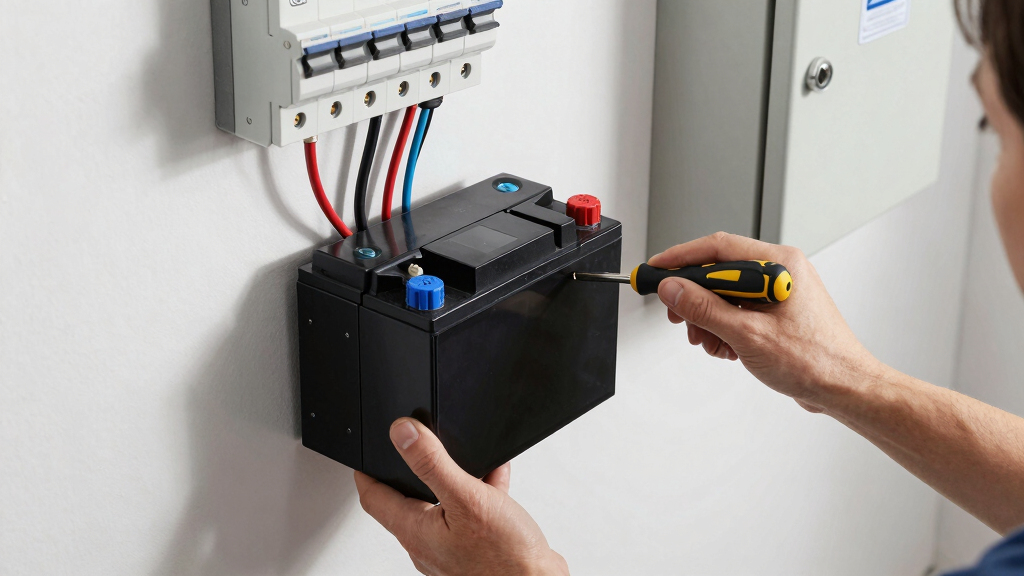
Installing a home battery typically involves connecting the system to the household’s main electrical panel using a cable, often requiring upgrades such as additional breaker boxes or panel modifications. Costs vary widely based on capacity, inverter type, and whether permits are needed. The average installation price ranges from several thousand to over ten thousand dollars, depending on system size and complexity.
Most home batteries are lithium iron phosphate (LFP) models, valued for safety and durability, with some manufacturers offering modular systems that can be expanded over time. Inverters are essential for converting stored DC power into usable AC power, with power ratings (kW) tailored to household demands. Permits from local authorities or utility companies are often required, and approval processes can add to the timeline and costs. Reputable installers with proper certifications are recommended to ensure safety and compliance.
Why Installation Costs and Procedures Matter for Consumers
Understanding the installation process and costs helps consumers make informed decisions, avoid hidden fees, and ensure safety. The real cost of owning a home can also include considerations related to home energy systems. As home batteries become more common, clear guidance on installation requirements and expenses will influence market growth and adoption, impacting energy independence and grid stability.
As an affiliate, we earn on qualifying purchases.
Market Growth and Regulatory Factors Shaping home energy system installations
The home battery market has expanded rapidly due to rising electricity prices and increased adoption of solar panels. Installation practices vary by region, with some areas requiring permits and utility approval, which can delay or increase costs. Industry standards and certifications, such as MCS in the UK, are crucial for safe and compliant installations. Recent trends also include the use of EV batteries and emerging solid-state technology, which could influence future installation practices.
“Permits can vary significantly depending on local regulations, so early inquiries are essential to avoid delays.”
— John Doe, licensed installer
lithium iron phosphate home battery
As an affiliate, we earn on qualifying purchases.
As an affiliate, we earn on qualifying purchases.
Unclear Aspects of Cost Variability and Regulatory Approval
It is not yet clear how regional differences will impact overall costs or how future technological advances might reduce installation complexity and expenses. Variability in permit requirements and utility approval processes remains a challenge for consumers.
As an affiliate, we earn on qualifying purchases.
Future Trends in Home Battery Costs and Regulations
Manufacturers are expected to introduce more cost-effective and compact battery technologies, potentially reducing installation costs. Regulatory frameworks may evolve to streamline approval processes, making home battery systems more accessible. Consumers should stay informed about technological and policy developments to optimize their investments.
As an affiliate, we earn on qualifying purchases.
Key Questions
How much does it typically cost to install a home battery?
Installation costs generally range from $5,000 to $15,000, depending on system size, required upgrades, and regional permitting fees. For more insights, see the real cost of owning a home.
Do I need permits to install a home battery?
Yes, most regions require permits and utility approval, especially for larger systems. Early consultation with local authorities is recommended.
What upgrades might be necessary for installation?
Upgrades can include additional breaker boxes, panel modifications, or inverter replacements, depending on your existing electrical setup.
How long does installation typically take?
The process can take from a few days to several weeks, depending on permit approval, system complexity, and installer availability.
Will my home insurance change after installing a battery?
It may, as some insurers consider home batteries as part of the property’s value or risk profile. Consult your insurer for specific details.
Source: WIRED