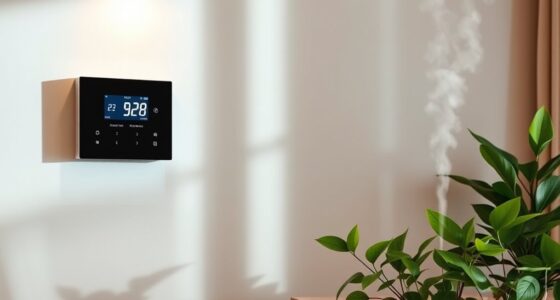
If your AC is over 10-15 years old, it’s likely time to replace it, especially if you notice higher energy bills, uneven cooling, or frequent repairs. Signs like unusual noises, leaks, or reduced performance mean your system may be struggling or nearing the end of its lifespan. Declining efficiency and increased repair costs also point to a replacement. Keep going to discover more signs that indicate your AC needs an upgrade.

Get home appliances delivered free with Prime
- Fast, free delivery on millions of items
- Prime Video, Amazon Music and more included
- Member-only deals all year
Key Takeaways
- Your AC is over 10-15 years old and shows declining efficiency or frequent breakdowns.
- You notice uneven cooling, unusual noises, or persistent leaks indicating system strain.
- Repair costs are increasing, and the system requires frequent or costly repairs.
- Energy bills are rising despite consistent usage, pointing to decreased efficiency.
- Modern features and incentives make replacing with a new, high-efficiency unit more cost-effective.
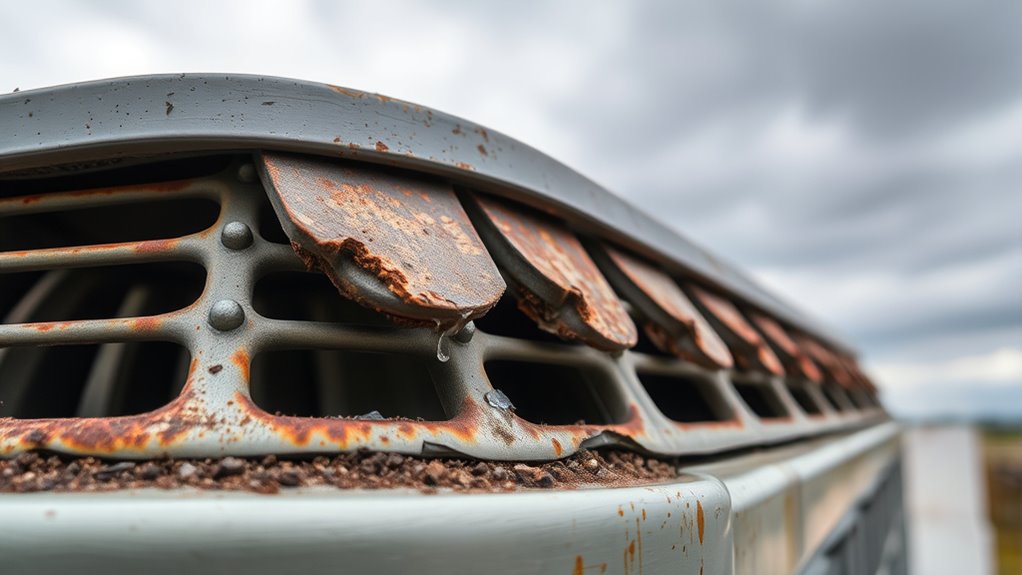
Knowing when to replace your air conditioner can save you money and prevent discomfort during the hottest months. One of the key indicators is declining energy efficiency. If your cooling bills suddenly spike without a change in usage, it’s a sign your system may be losing effectiveness. Older units tend to become less efficient over time, forcing your AC to work harder to cool your home. This increased strain not only raises your electricity costs but also accelerates wear and tear, leading to more frequent repairs. When evaluating whether it’s time for a replacement, consider the age of your unit. Most air conditioners last about 10 to 15 years, but after that, their efficiency typically drops, and repair costs tend to escalate. If your system is nearing or past this age range, it might be more cost-effective to invest in a new, energy-efficient model that can reduce your energy bills in the long run.
Installation costs are another important factor to weigh when deciding to replace your AC. While new units come with an upfront investment, the initial installation expenses can vary depending on the complexity of the setup and the type of system you choose. Keep in mind that installing a modern, high-efficiency air conditioner may have higher upfront costs, but these systems often qualify for rebates or incentives that can offset some of the expense. Additionally, newer models tend to be easier to install and maintain, which can lower ongoing costs. If your current system requires frequent repairs or is difficult to keep running efficiently, the installation costs of a new unit might be justified by the savings on repairs and energy bills over time.
Furthermore, advancements in AI-powered smart technology have made modern AC systems more efficient and easier to manage, providing better control over your home’s climate and energy consumption. Beyond age and costs, you should also consider how well your AC cools your home. Uneven cooling, strange noises, or persistent leaks are signs that your system is struggling. These issues often indicate that the unit is reaching the end of its usable life and may not be worth repairing anymore. Regular maintenance can extend the lifespan of your AC, but if you find yourself scheduling repairs often, it’s probably time to replace it. A new system can improve your home’s comfort, reduce your energy consumption, and ultimately save you money. Remember, investing in a modern, energy-efficient model not only enhances your comfort but also pays off in lower utility bills and fewer repair costs, making it a smart choice when your current AC starts showing its age.
high efficiency central air conditioner
As an affiliate, we earn on qualifying purchases.
As an affiliate, we earn on qualifying purchases.
Frequently Asked Questions
How Long Should an Air Conditioner Typically Last?
Typically, your air conditioner lasts around 10 to 15 years, but this depends on factors like regular maintenance and usage. You should change the air filter regularly to keep it running smoothly. Keep an eye on the compressor lifespan, as issues here can signify it’s time for a replacement. Proper care can extend your unit’s life, but if you notice frequent breakdowns, it might be time to think about a new system.
Can Regular Maintenance Extend My Ac’S Lifespan?
Did you know that regular maintenance can extend your AC’s lifespan by up to 40%? Maintenance benefits include cleaning filters, checking refrigerant levels, and inspecting components, which prevent wear and tear. By staying on top of these tasks, you help your system run efficiently longer, reducing the need for early replacement. Consistent upkeep not only saves you money but also keeps your home comfortably cool for years to come.
What Are the Energy Savings of Upgrading an Old Unit?
Upgrading your old AC can lead to significant energy savings through improved efficiency. You’ll notice cost savings on your utility bills as newer units consume less power, reducing overall energy use. Additionally, an upgraded system offers better climate control and reliability. By investing in a modern air conditioner, you cut down on utility reduction costs and enjoy a more comfortable home while saving money in the long run.
Is a New AC More Environmentally Friendly?
A new AC is more eco-friendly because it uses eco-friendly refrigerants that reduce harmful emissions. Modern units also operate more efficiently, saving energy and lowering your carbon footprint. Plus, they can connect to renewable energy sources like solar power, making your cooling system even greener. Upgrading helps you stay comfortable while supporting environmental sustainability, reducing your impact on the planet.
How Do I Choose the Right Size Replacement Unit?
When choosing the right size replacement AC, consider your home’s size, insulation, and cooling needs. You can do a DIY installation if you’re experienced, but it’s often best to hire a pro for safety and efficiency. Compare costs carefully, including the unit price and installation. An appropriately sized AC ensures energy efficiency, lower bills, and comfort, making it a smart investment over a larger or smaller unit that might struggle or waste energy.
As an affiliate, we earn on qualifying purchases.
Conclusion
So, if your AC is making strange noises, gulping more energy, or just refusing to cool your home, maybe it’s time to say goodbye. Don’t wait till it’s barely breathing—unless you enjoy sweating through summer like a villain in a bad movie. Replacing your unit now could save you from those miserable, humid days. Trust us, your future self will thank you for not sticking with that ancient, leaky, energy hog.
energy-efficient ductless mini split
As an affiliate, we earn on qualifying purchases.
As an affiliate, we earn on qualifying purchases.
As an affiliate, we earn on qualifying purchases.
Halloween Picks
halloween
As an affiliate, we earn on qualifying purchases.