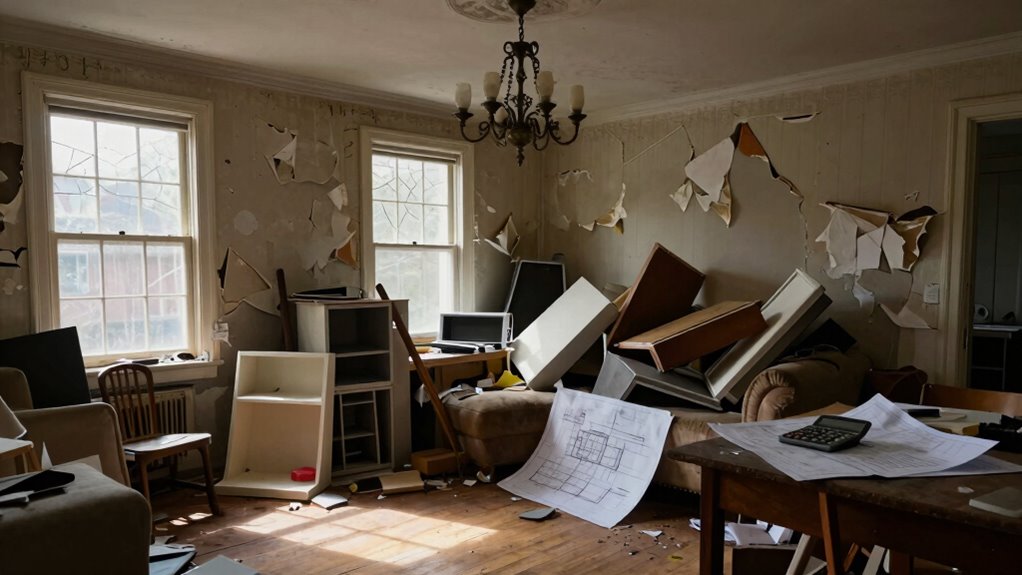

Your home upgrade budget often fails early because you might rush into planning without setting a clear financial limit, leading to unexpected costs. Choosing contractors without proper vetting or ignoring hidden expenses like permits or repairs can quickly blow your budget. Emotional attachments can cause overspending, and a lack of contingency funds leaves you unprepared for surprises. To avoid these pitfalls and keep your project on track, there’s more you should know.

Get home appliances delivered free with Prime
- Fast, free delivery on millions of items
- Prime Video, Amazon Music and more included
- Member-only deals all year
Key Takeaways
- Lack of detailed planning and realistic budgeting leads to unforeseen costs early in the renovation process.
- Choosing unvetted or inexperienced contractors results in underestimated expenses and subpar work.
- Ignoring contingency funds causes financial strain when unexpected issues arise during renovation.
- Emotional attachment to features can cause overspending and deviation from essential budget limits.
- Underestimating hidden costs like permits, materials, and labor leads to budget shortfalls before completion.

When planning a home upgrade, it’s easy to get caught up in big dreams without fully considering your budget, but overspending can quickly turn those aspirations into setbacks. The first mistake many make is rushing into renovation planning without a clear financial framework. You might have a vision of a perfect kitchen or a luxurious bathroom, but without a realistic budget in mind, your plans can spiral out of control. It’s tempting to focus on the design and features you want, but neglecting to set firm spending limits often leads to unexpected costs that drain your finances before the project even begins. Proper renovation planning involves detailed budgeting, prioritizing must-haves over nice-to-haves, and factoring in hidden expenses like permits, materials, and labor. Skipping this step sets the stage for overspending early on. Understanding cost management and how to control expenses is crucial for staying on track. Additionally, tracking your expenses throughout the project can help prevent budget creep and ensure you remain aligned with your financial goals.
Rushing into renovation without a clear budget can cause unexpected costs and project setbacks.
Another common pitfall is poor contractor selection. When choosing a contractor, many homeowners opt for the cheapest quote without thoroughly vetting their experience, reputation, or work quality. This shortcut might seem like a way to save money initially, but it often results in subpar work or costly mistakes that require expensive fixes later. A reputable contractor with a proven track record can help you avoid surprises and stay within your budget by providing accurate estimates and realistic timelines. They can also advise on material choices that balance cost and durability, preventing you from overspending on unnecessary upgrades. Failing to properly vet contractors means you risk ending up with someone who underestimates costs or cuts corners, ultimately leading to budget overruns and frustration.
Many people also neglect to account for contingency funds, which are crucial when dealing with unforeseen issues. During renovation planning, you might overlook potential problems like structural repairs, mold, or outdated wiring that need immediate attention. Without a contingency fund—typically 10-20% of your total budget—you could be forced to dip into savings or cut corners elsewhere to cover unexpected expenses. This oversight often causes the entire project to stall or force you to scale back your plans midway. Additionally, a well-planned contingency fund can provide peace of mind, allowing you to handle surprises without compromising the overall project. Having a clear budget buffer can make a significant difference in managing unexpected costs effectively.
Finally, emotional attachment to your renovation ideas can cloud judgment, making it harder to stick to your budget. You might want to incorporate every feature you’ve ever dreamed of, but without disciplined planning and clear priorities, costs can quickly spiral out of control. Staying within your budget requires honesty about what’s essential and being willing to compromise on less critical elements. If you skip this discipline, your home upgrade can become a financial burden rather than an enhancement, turning a dream project into an ongoing stressor. Recognizing emotional investment as a potential obstacle can help you stay focused on realistic goals and maintain financial balance.
As an affiliate, we earn on qualifying purchases.
Frequently Asked Questions
How Can I Accurately Estimate My Home Upgrade Costs?
To accurately estimate your home upgrade costs, start by researching current design trends to understand popular features and styles. Then, gather detailed quotes for materials, factoring in fluctuating material costs. Create an all-encompassing list of desired upgrades and prioritize them based on your budget. Regularly update your estimates as prices change, and include a contingency fund for unexpected expenses. This approach helps you stay realistic and avoid budget surprises.
What Unexpected Expenses Should I Plan For?
Unexpected expenses can catch you off guard, even when planning DIY projects and selecting a contractor. You should budget for hidden costs like permit fees, material price hikes, and unforeseen structural repairs. Don’t forget potential delays and contractor overruns that can inflate costs. By including a contingency fund, you prepare yourself for surprises, ensuring your upgrade stays on track despite the unpredictable twists of home improvement.
How Do Market Fluctuations Impact My Budget?
Market fluctuations can considerably impact your home upgrade budget. You should regularly monitor real estate trends and economic indicators, as they influence property prices and renovation costs. When the market shifts upward, expect higher expenses, and during downturns, costs may decrease. Staying informed helps you allocate funds wisely, avoiding surprises. Flexibility in your budget allows you to adapt to these changes, ensuring your home upgrade stays on track despite market volatility.
When Is the Best Time to Start My Home Upgrade?
You should start your home upgrade during a period of stable market conditions when costs are predictable, making it ideal for effective budget planning. The best time for a home renovation is when you’ve thoroughly assessed your finances, secured financing options, and planned for unexpected expenses. Initiating your project during off-peak seasons can also save you money. Proper timing helps guarantee your budget remains intact, avoiding costly surprises down the line.
How Can I Prioritize Upgrades Within a Limited Budget?
Ironically, you might put design trends before material durability, but prioritize upgrades by focusing on essentials first. Start with sturdy materials that stand the test of time, like reliable countertops or flooring, then incorporate trendy design elements if budget allows. This way, your home remains functional and stylish, avoiding costly revisions later. By balancing durability and trends, you guarantee your limited budget maximizes value without sacrificing future flexibility.
As an affiliate, we earn on qualifying purchases.
Conclusion
Your home upgrade budget often crashes before the first purchase, like a fragile house of cards in a gust. Without careful planning, those numbers can slip through your fingers, leaving you stranded in a sea of unmet expectations. To avoid this, anchor your budget with realistic figures and anticipate surprises lurking in the shadows. Remember, a well-laid plan is your sturdy bridge across the chasm of overspending—keep it strong, keep it steady.
home renovation contingency fund calculator
As an affiliate, we earn on qualifying purchases.
As an affiliate, we earn on qualifying purchases.
As an affiliate, we earn on qualifying purchases.
Halloween Picks
halloween
As an affiliate, we earn on qualifying purchases.