
If you want a battery that lasts longer, go with a LiFePO4. It offers superior chemical stability, more charge cycles, and better resistance to demanding conditions. While lithium-ion batteries may have a higher upfront cost, they tend to wear out faster and require more frequent replacements. Overall, LiFePO4 provides greater durability and eco-friendliness over time. To discover more about their differences and which suits your needs best, keep exploring the details.
Key Takeaways
- LiFePO4 batteries typically provide more charge cycles, resulting in a longer overall lifespan than standard lithium-ion batteries.
- The chemical stability of LiFePO4 enhances its durability and resistance to capacity fade over time.
- Lithium-ion batteries may degrade faster, especially under high temperatures or frequent deep discharges.
- Proper maintenance and operating conditions can significantly impact the longevity of both battery types.
- Overall, LiFePO4 generally lasts longer than lithium-ion batteries in most practical applications.
What Are LiFePO4 and Lithium Batteries? Basic Chemistry and Uses

Have you ever wondered what makes LiFePO4 and lithium batteries different? Both types are popular energy sources, but they differ in chemistry and environmental impact. Lithium batteries, commonly used in electronics and electric vehicles, contain lithium cobalt oxide or similar compounds, offering high energy density. LiFePO4 batteries, on the other hand, use lithium iron phosphate, which provides a more stable and safer chemistry. When it comes to battery recycling, LiFePO4 batteries are generally easier to recycle safely and with less environmental harm. This reduces their overall environmental impact compared to traditional lithium-ion batteries, which can pose risks if not properly disposed of. Additionally, the cultural craftsmanship involved in making Indonesian masks highlights the importance of traditional techniques and materials, similar to the meticulous processes involved in creating durable and efficient batteries. Understanding these differences helps you make informed choices about energy storage solutions and their sustainability, especially considering the environmental impact of battery disposal and recycling processes. Moreover, advancements in recycling technology continue to improve the safety and efficiency of battery reuse and disposal.
How Do Lithium-Ion and LiFePO4 Batteries Differ in Design and Performance
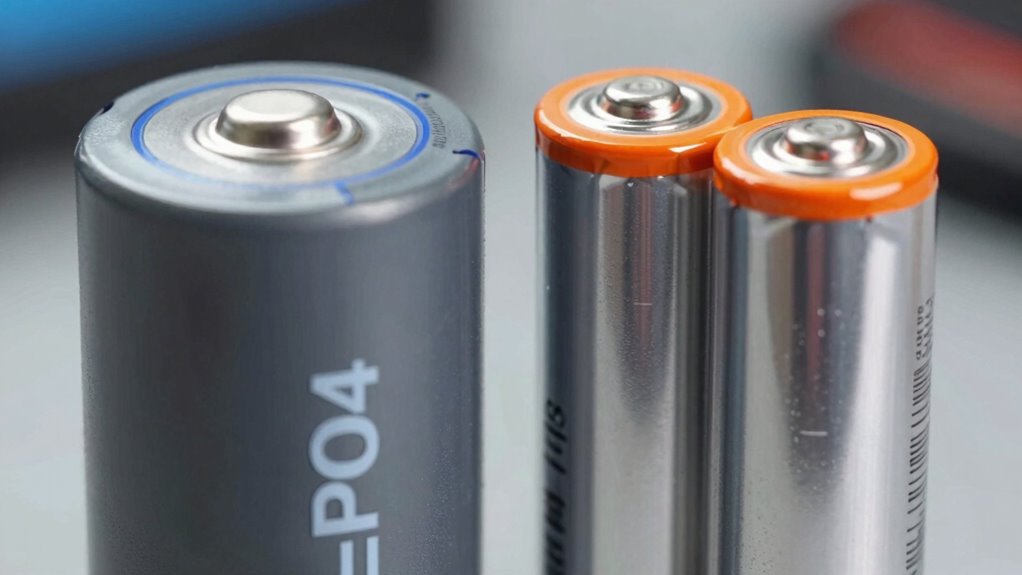
You’ll notice that lithium-ion and LiFePO4 batteries differ markedly in their chemistry, affecting how they perform and last over time. These differences influence their durability, safety, and suitability for various applications. Understanding these distinctions helps you choose the right battery for your needs. Additionally, proper battery maintenance practices, including correct charger settings and low-voltage cutoff, can significantly extend the lifespan of LiFePO4 batteries. Being aware of the chemical composition of these batteries can also guide you in selecting the most reliable and efficient option for your specific requirements. Moreover, factors such as derating at high altitudes or temperatures can impact performance and longevity, making it essential to consider environmental conditions when selecting a battery type. Recognizing the importance of thermal management can further enhance battery performance and safety over time. In addition, considering environmental factors during installation can help optimize battery lifespan and reliability.
Battery Chemistry Differences
Lithium-ion and LiFePO4 batteries differ considerably in their chemical composition and internal structure, which directly impacts their design and performance. The electrolyte composition varies: lithium-ion batteries typically use a liquid organic electrolyte, while LiFePO4 batteries often employ a more stable, phosphate-based electrolyte. These differences influence safety and stability. Electrode materials are also distinct; lithium-ion batteries usually feature cobalt or graphite anodes and layered metal oxides as cathodes, whereas LiFePO4 batteries utilize iron phosphate cathodes and carbon-based anodes. This variation affects voltage, energy density, and thermal behavior. Additionally, these chemical distinctions influence their thermal stability and operating temperature ranges, shaping how each battery type functions, their safety profiles, and their suitability for different applications. The chemical stability of LiFePO4 batteries generally makes them more resistant to thermal runaway, enhancing safety. Understanding these differences helps you grasp why each battery performs uniquely. Battery chemistry plays a crucial role in determining the longevity and performance of these batteries, making it an important factor to consider when choosing the right type for your needs.
Performance and Durability
While both lithium-ion and LiFePO4 batteries deliver reliable power, they differ markedly in their design, which affects performance and durability. LiFePO4 batteries typically last longer, with more charge cycles, due to their stable chemistry. They handle deeper discharges without damage, maintaining consistent performance over time. These features make LiFePO4 batteries well-suited for long-term applications that require durability and sustainability. Additionally, LiFePO4 batteries tend to generate less heat during operation, which further enhances their longevity. Lithium-ion batteries may offer higher energy density but tend to degrade faster, reducing lifespan. These differences influence the environmental impact, as longer-lasting batteries reduce waste and the need for frequent replacements, easing the burden on battery recycling systems. Proper recycling is essential for both types to minimize environmental harm. Overall, LiFePO4 batteries excel in durability and sustainability, making them a smarter choice for long-term use, while lithium-ion batteries may suit applications demanding higher energy density despite shorter durability.
Which Battery Lasts Longer? Comparing Lifespan Under Typical Use
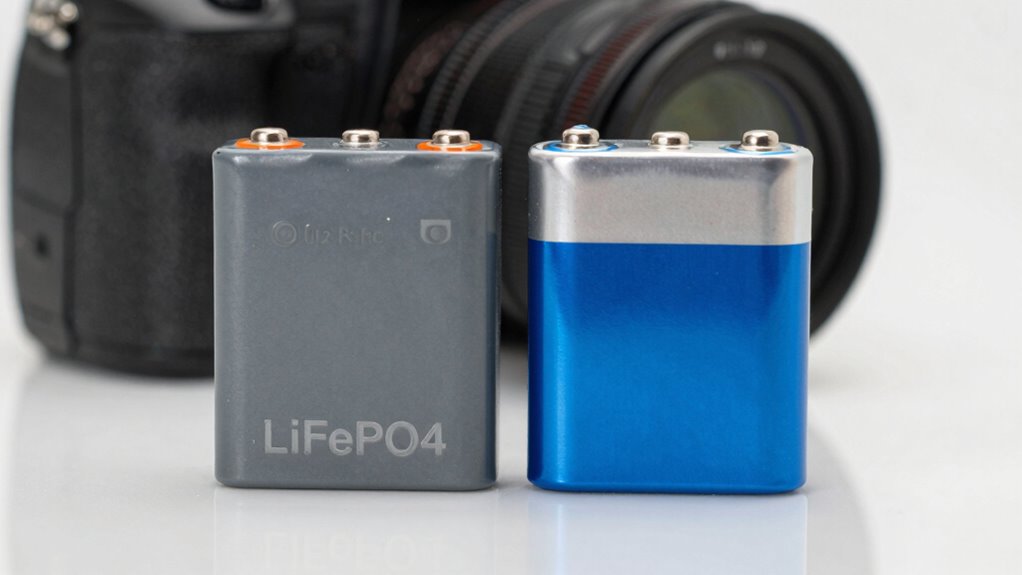
When considering how long batteries last under typical use, LiFePO4 (lithium iron phosphate) batteries generally outperform traditional lithium-ion batteries in lifespan. They typically endure more charge cycles, meaning you get years of reliable service before needing replacement. This longevity can reduce overall costs, as fewer replacements mean lower manufacturing costs and less frequent battery recycling. LiFePO4 batteries also resist capacity fade better over time, maintaining efficiency longer. While they may have a higher upfront cost, their extended lifespan often makes them more economical in the long run. Conversely, lithium-ion batteries tend to degrade faster, limiting their usable life. If you prioritize durability and sustainability, LiFePO4 batteries stand out as the longer-lasting choice under typical use conditions.
What Factors Affect Battery Lifespan : Cycles, Temperature, and More

Ever wonder what really impacts your battery’s lifespan? Several factors come into play, including charge cycles, temperature, and usage patterns. Each charge cycle gradually wears down the battery’s capacity, shortening its lifespan. Extreme temperatures, especially heat, accelerate degradation and can cause safety risks. Proper storage and avoiding overcharging help extend life. Additionally, your choices influence the environmental impact; longer-lasting batteries mean less frequent replacements, reducing waste and supporting battery recycling efforts. Recycling batteries properly minimizes harmful materials entering the environment and conserves valuable resources. To maximize lifespan, keep your batteries within recommended temperature ranges and follow best charging practices. Understanding these factors helps you make smarter decisions, ultimately improving battery longevity while reducing their environmental footprint.
Battery Capacity, Charging Speed, and Discharge Rates: How Do They Measure Up?
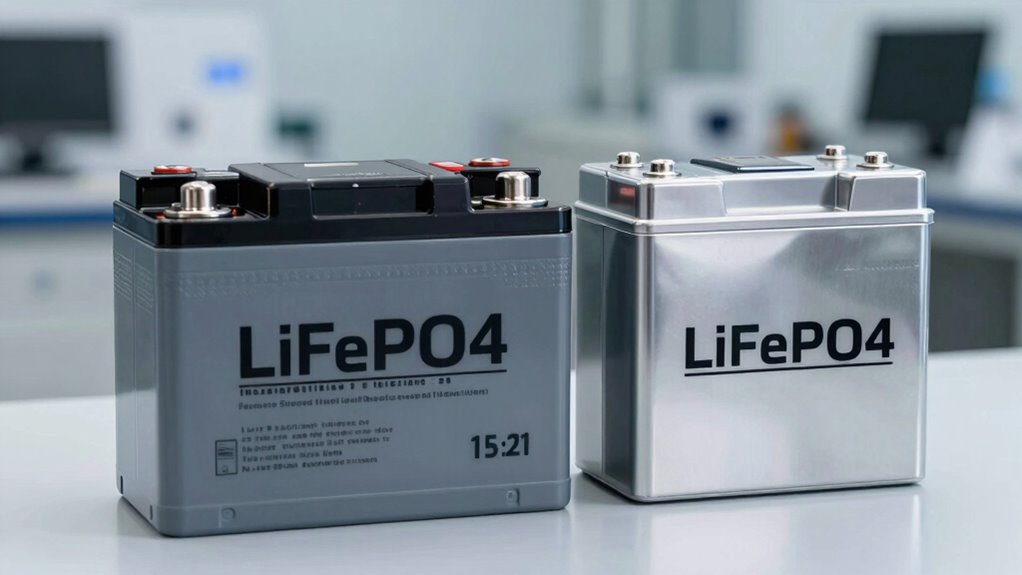
Battery capacity, charging speed, and discharge rates directly influence how well your battery performs over time. LiFePO4 batteries typically have a lower energy density but excel in thermal stability, enabling faster charging and safer operation. Lithium-ion batteries often boast higher capacity and quicker charging, but their thermal stability is compromised under high rates, risking overheating. When comparing these batteries, consider that higher discharge rates may reduce overall lifespan if thermal stability is compromised. Charging speed varies, with lithium-ion batteries generally charging faster due to their higher energy density. However, pushing these limits might lead to quicker degradation. Additionally, thermal stability is a crucial factor that impacts safety and longevity under demanding conditions. It is also worth noting that resilience to high temperatures can significantly affect the overall lifespan of these batteries. Furthermore, cycle life is an important aspect to evaluate, as it determines how many times a battery can be charged and discharged before its capacity diminishes substantially. Factors such as thermal management play a key role in maintaining battery health during operation. Maintaining proper battery health through effective thermal management can help extend the lifespan of both types of batteries. Ultimately, your choice depends on balancing capacity, speed, and safety to meet your specific needs.
Are LiFePO4 or Lithium Batteries Safer and More Reliable?
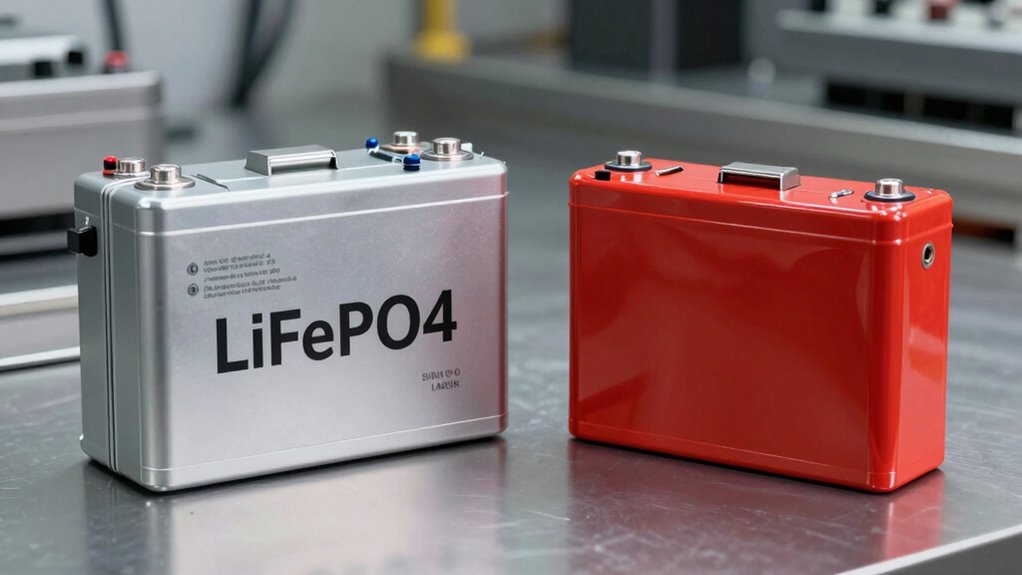
LiFePO4 batteries are generally considered safer than lithium-ion batteries because they are more thermally stable and less prone to overheating or catching fire. This superior chemical stability reduces the risk of battery safety incidents, making them more reliable for long-term use. Their stability minimizes the possibility of thermal runaway, a key safety concern with traditional lithium-ion batteries. Here’s a comparison:
| Feature | LiFePO4 | Lithium-ion |
|---|---|---|
| Thermal Stability | High, less risk of overheating | Moderate |
| Chemical Stability | Excellent, less degradation | Good but less stable |
| Fire Risk | Low | Higher |
| Longevity | Longer cycle life | Shorter cycle life |
| Reliability | Generally more dependable | Varies with usage |
Additionally, battery chemistry plays a significant role in overall safety and longevity, with LiFePO4 offering notable advantages. The manufacturing quality of the battery also impacts its durability and safety over time. Moreover, quality control processes during manufacturing are crucial to ensuring consistent safety standards and long-term performance of these batteries.
Is One Battery Type More Cost-Effective Over Time?
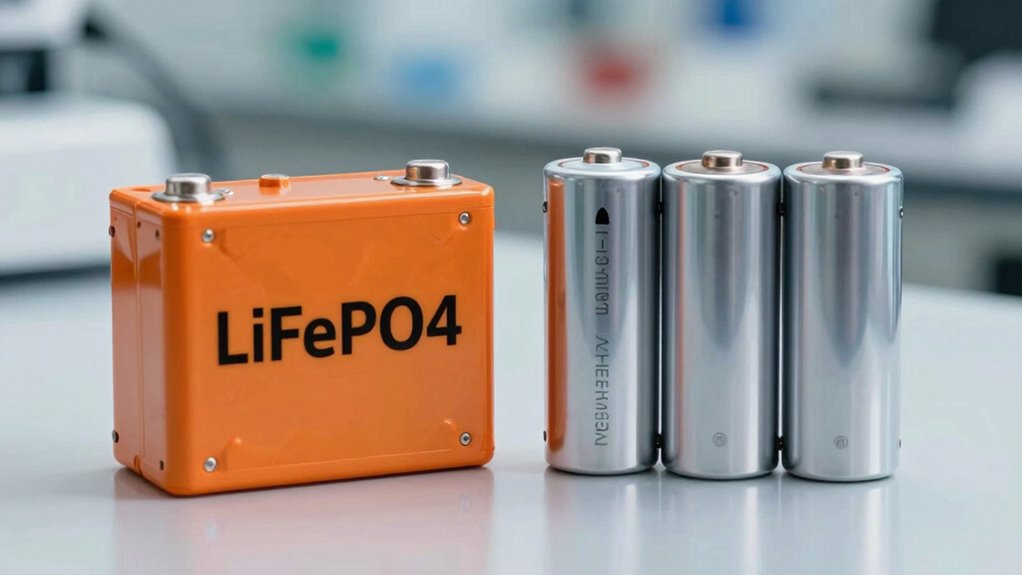
While safety is essential, considering the long-term cost-effectiveness of different battery types helps determine the best choice for your needs. LiFePO4 batteries often have higher manufacturing costs upfront, but they last longer and require fewer replacements. This longevity means you’ll spend less over time, especially since they’re easier to recycle through battery recycling programs, reducing waste and environmental impact. Lithium batteries, on the other hand, tend to have lower initial costs, but their shorter lifespan can lead to frequent replacements and higher cumulative expenses. When evaluating cost-effectiveness, factor in not only purchase price but also recycling options and manufacturing costs. Ultimately, LiFePO4 batteries can be more economical over time due to their durability and sustainable disposal methods.
Best Use Cases for LiFePO4 and Lithium Batteries

Choosing the right energy storage solution depends on your specific needs and usage patterns. LiFePO4 batteries excel in applications requiring long cycle life and safety, like solar energy systems or electric vehicles. Lithium batteries are ideal for portable devices and fast-charging needs, where compact size and high energy density matter most. Consider environmental impact and battery recycling options when selecting. Here’s a quick comparison:
| Use Case | Best Battery Type | Why It Fits |
|---|---|---|
| Solar Storage | LiFePO4 | Longer lifespan reduces waste and recycling needs |
| Electric Vehicles | LiFePO4 | Safe, durable, and environmentally friendly |
| Portable Devices | Lithium | Compact, lightweight, quick recharge |
| High-Performance | Lithium | High energy density for demanding use |
Choose based on your priorities to optimize performance and sustainability.
Tips to Maximize Battery Life and Maintain Performance

To get the most out of your batteries, you should follow proper charging practices and avoid overcharging or deep discharges. Regular maintenance checks help identify issues early and keep your batteries performing their best. Keep these tips in mind to extend your battery’s lifespan and ensure reliable performance.
Proper Charging Practices
Proper charging practices are essential for maximizing the lifespan and performance of both LiFePO4 and lithium batteries. To do this, establish consistent charging routines and avoid overcharging or deep discharges. Always monitor your battery’s state of charge and use a compatible charger to prevent damage. Pay attention to storage conditions; keep batteries in a cool, dry place when not in use, as extreme temperatures can diminish capacity. Avoid leaving batteries fully charged or completely drained for long periods. Regularly check connections and cables to ensure safe, efficient charging. By following these best practices, you help maintain peak performance and extend your battery’s overall lifespan. Proper care during charging routines and storage directly impacts how long your batteries last.
Regular Maintenance Checks
Regular maintenance checks help guarantee your batteries stay in top condition and perform reliably over time. Regularly inspecting your batteries allows you to catch issues early, reducing the risk of failure and extending their lifespan. Keep an eye on voltage levels and look for corrosion or physical damage. Proper maintenance also supports responsible battery recycling, minimizing environmental impact when it’s time to replace or dispose of your batteries. By caring for your batteries through routine checks, you can maximize their efficiency and reduce waste. This proactive approach not only saves you money but also promotes eco-friendly practices, ensuring that valuable materials are recycled properly. Maintaining your batteries carefully helps you get the most out of your investment while contributing to environmental sustainability.
Which Battery Should You Choose for Longer Lasting Performance?

When choosing a battery for longer-lasting performance, understanding the key differences between LiFePO4 and traditional lithium batteries is essential. LiFePO4 batteries often last longer due to their stable chemistry and deeper cycle life. They require less maintenance and are safer, reducing the risk of overheating or fires. Additionally, LiFePO4 batteries have a lower environmental impact because they are easier to recycle, supporting better battery recycling practices. Traditional lithium batteries may offer higher energy density, but they tend to degrade faster and pose more environmental concerns. Consider your usage, safety, and environmental goals when selecting a battery. If longevity and eco-friendliness matter most, LiFePO4 is typically the better choice for longer-lasting performance.
Frequently Asked Questions
How Do Battery Warranties Differ Between Lifepo4 and Lithium Batteries?
You’ll find that warranty terms and coverage differences between LiFePO4 and lithium batteries vary. LiFePO4 batteries typically offer longer warranties, often around 8-10 years, because of their stability and durability. Lithium batteries may come with shorter warranties, usually 2-5 years, due to their higher degradation rates. Always check the manufacturer’s warranty details, as coverage differences can impact your long-term investment and maintenance costs.
Can Lifepo4 or Lithium Batteries Be Recycled More Easily?
You’ll find that LiFePO4 batteries are generally easier to recycle than traditional lithium batteries because their recycling processes face fewer challenges. About 90% of LiFePO4 materials can be recovered, reducing disposal issues. Lithium batteries, on the other hand, pose disposal challenges due to hazardous components and complex recycling steps. So, if recycling ease matters, LiFePO4 batteries are your better choice for environmentally friendly disposal.
What Are the Environmental Impacts of Each Battery Type?
You should know that LiFePO4 batteries have fewer recycling challenges due to their stable chemistry, making them easier to recycle and less harmful to the environment. Lithium batteries, however, pose more recycling challenges because of hazardous materials and complex processes. Manufacturing impacts also differ; LiFePO4 production has a lower environmental footprint, while lithium batteries involve more resource extraction and energy use, increasing their overall environmental impact.
How Do Temperature Extremes Specifically Affect Each Battery’s Lifespan?
Extreme temperatures can wreak havoc on your batteries, shortening their lifespan dramatically. LiFePO4 batteries boast impressive thermal stability and temperature resilience, handling heat and cold better than lithium-ion batteries. Cold temperatures slow chemical reactions, reducing capacity, while heat accelerates degradation. Lithium-ion batteries are more vulnerable to temperature swings, leading to quicker wear and tear. So, in harsh climates, LiFePO4 batteries last longer because of their superior thermal stability.
Are There Differences in Maintenance Requirements for Lifepo4 and Lithium Batteries?
You’ll find that LiFePO4 batteries require less maintenance than lithium batteries. To keep them in good shape, regularly clean the terminals to prevent corrosion and follow proper charging protocols, such as avoiding overcharging and deep discharges. Lithium batteries benefit from similar care, but LiFePO4’s stability makes them more forgiving. Consistent battery cleaning and adhering to recommended charging practices help extend the lifespan of both types.
Conclusion
Choosing between LiFePO4 and lithium batteries is like picking the right tool for a job—you want one that lasts. If longevity is your priority, LiFePO4 batteries often outshine lithium in lifespan and safety. But consider your specific needs, budget, and usage patterns. By understanding their differences and how to care for them, you’ll make an informed decision that keeps your power sources running strong, just like a well-oiled machine that never quits.