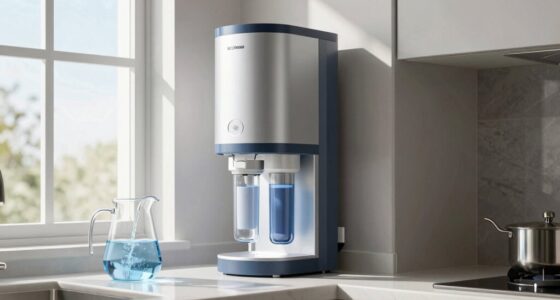
The essential question that shifts your entire water filtration buying path is: “What specific contaminants do I need to remove?” Knowing whether you need to eliminate chlorine, heavy metals, bacteria, or other impurities helps you pick the right technology—whether activated carbon, reverse osmosis, or UV. By understanding your water quality, you avoid wasting money on ineffective solutions. Keep going to discover expert tips on evaluating your water and choosing the best system for your needs.
Listen free for 30 days with Audible
Thousands of audiobooks and originals — cancel anytime.
As an affiliate, we earn on qualifying purchases.
Key Takeaways
- Identify the primary contaminants in your water to determine the most effective filtration technology.
- Understand your water source’s variability and impurity levels to select a suitable system.
- Assess the maintenance requirements and filter lifespan for long-term cost-effectiveness.
- Consider environmental factors and local water quality influences on filtration needs.
- Prioritize systems that address your specific water concerns rather than cost or popularity alone.
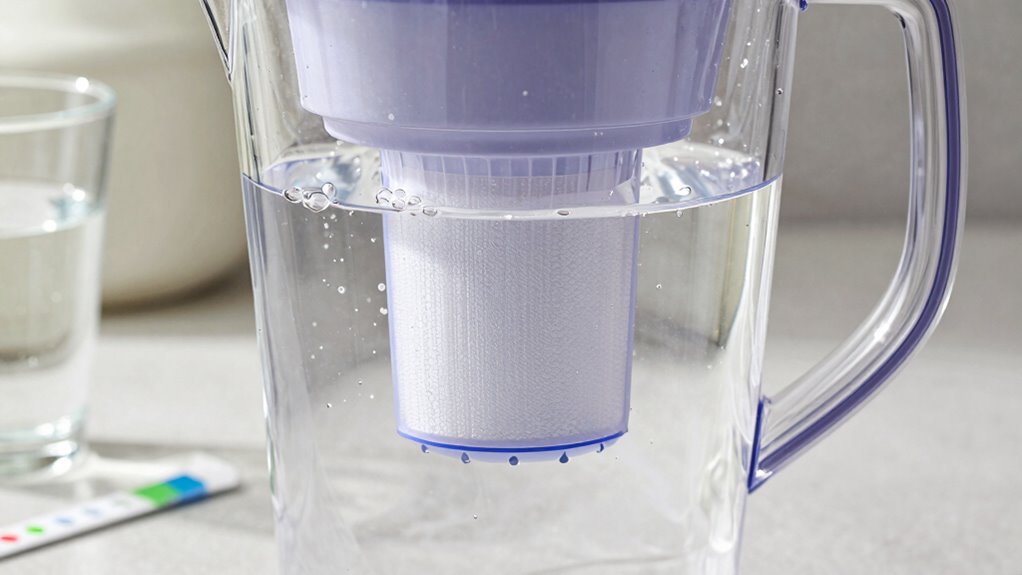
Choosing the right water filtration system can considerably improve the quality of your drinking water. Before you make a decision, the key question you should ask yourself is: what specific contaminants are you aiming to remove? This question is vital because it directs your focus toward the filtration technology that best suits your needs. Different systems use various methods—such as activated carbon, reverse osmosis, UV purification, or a combination of these—to target different impurities. For example, if you’re concerned about chlorine taste and odors, an activated carbon filter might be enough. But if your water contains heavy metals or bacteria, you might need a more advanced system like reverse osmosis or UV treatment. Understanding the strengths and limitations of these filtration technologies will help you make an informed choice, avoiding unnecessary costs or ineffective solutions.
Additionally, considering the water quality assessment before purchasing can help pinpoint the specific contaminants present in your water, guiding you toward the most effective filtration solution. Conducting a water test can reveal the levels of various impurities, helping you select the most appropriate system. It’s also beneficial to understand how contaminant types vary across different water sources, which can influence your choice of filtration technology. Once you’ve identified the appropriate filtration technology, it’s important to think about maintenance tips that keep your system running at peak performance. Regular upkeep not only ensures your water stays safe and clean but also prolongs the lifespan of your investment. Most systems require simple tasks like replacing filters at recommended intervals—typically every few months, depending on usage and water quality. Setting reminders can help you stay on schedule and avoid neglecting filter changes, which can lead to bacterial growth or decreased filtration efficiency. Additionally, inspecting your system for leaks or buildup can prevent larger issues down the line. Keep the system clean by following the manufacturer’s cleaning instructions, which often involve rinsing or disinfecting certain parts periodically. Proper maintenance not only sustains the filtration effectiveness but also saves you money in the long run by avoiding costly repairs or early replacements. Moreover, understanding the filter lifespan of your system helps plan for timely replacements, maintaining optimal filtration performance. Recognizing the impact of biodiversity in your local environment can also influence your choice of filtration technology, especially if you’re in an area with diverse water sources and potential contaminants.
Ultimately, the question you need to ask yourself isn’t just about which filtration system is the cheapest or most popular; it’s about finding one that aligns with your water quality concerns and your willingness to maintain it. By understanding the different filtration technologies and committing to regular maintenance tips, you set yourself up for a steady supply of clean, safe drinking water. This proactive approach ensures your investment continues to serve its purpose effectively, giving you peace of mind every time you turn on the tap. Remember, the right filtration system, combined with proper upkeep, makes a significant difference in your daily water quality—and that’s what truly matters.
best water filtration system for heavy metals
As an affiliate, we earn on qualifying purchases.
As an affiliate, we earn on qualifying purchases.
Frequently Asked Questions
How Often Should I Replace My Water Filter?
You should replace your water filter every 6 to 12 months, depending on your water quality and filter lifespan. If your water has high levels of contaminants or a strong odor, consider changing it more frequently. Regular replacement guarantees your filter maintains peak performance and keeps your water clean. Keep an eye on your filter’s condition and follow the manufacturer’s recommendations to guarantee consistent water quality.
Are There Eco-Friendly Water Filtration Options Available?
Think of eco-friendly water filtration options as the green shoots of innovation. You can choose biodegradable filters or opt for renewable filtration systems that use sustainable materials and energy sources. These options help reduce waste and environmental impact while providing clean water. By selecting eco-conscious filters, you’re making a positive impact on the planet and ensuring future generations have access to safe, sustainable water solutions.
Can Water Filters Remove All Types of Contaminants?
Water filters can’t remove all types of contaminants, but they considerably improve water quality. Their filtration effectiveness varies depending on the contaminant types present—some filters tackle bacteria, viruses, or chemicals effectively, while others may fall short. To guarantee you’re addressing your specific needs, check the filter’s specifications and certifications. This way, you choose a filter capable of effectively reducing the contaminant types most relevant to your water source.
What Is the Cost Difference Between Various Filtration Systems?
Have you considered how much you’re willing to invest in clean water? The cost comparison between filtration systems varies widely, from budget-friendly pitchers to high-end reverse osmosis units. Generally, more advanced systems offer better filtration efficiency but come at a higher price, both initially and in maintenance. Balancing your budget with your water quality needs helps you choose the right system without overspending or sacrificing safety.
How Do I Know Which Filter Is Best for My Water Source?
You can determine the best filter for your water source by first analyzing your water quality through testing kits or lab analysis. Once you know the contaminants, explore different filtration types like activated carbon, reverse osmosis, or UV filters. Choose a system suited to your specific needs, ensuring it effectively targets the impurities present. This way, you get clean, safe water tailored to your source’s unique water quality.
reverse osmosis water filter for bacteria
As an affiliate, we earn on qualifying purchases.
As an affiliate, we earn on qualifying purchases.
Conclusion
Think of your water filter journey as choosing a trusted compass on a vast, uncertain sea. When you ask the right questions, you steer confidently toward pure, invigorating waters, avoiding the treacherous rocks of poor quality. This isn’t just about buying a filter; it’s about safeguarding your health and peace of mind. Trust yourself to navigate wisely—your future self will thank you for the clear, pure waters that await.
activated carbon water filter for chlorine
As an affiliate, we earn on qualifying purchases.
As an affiliate, we earn on qualifying purchases.
UV water purifier for impurities
As an affiliate, we earn on qualifying purchases.
As an affiliate, we earn on qualifying purchases.
Fall yard work Picks
leaf blowers
As an affiliate, we earn on qualifying purchases.