
TL;DR

Get home appliances delivered free with Prime
- Fast, free delivery on millions of items
- Prime Video, Amazon Music and more included
- Member-only deals all year
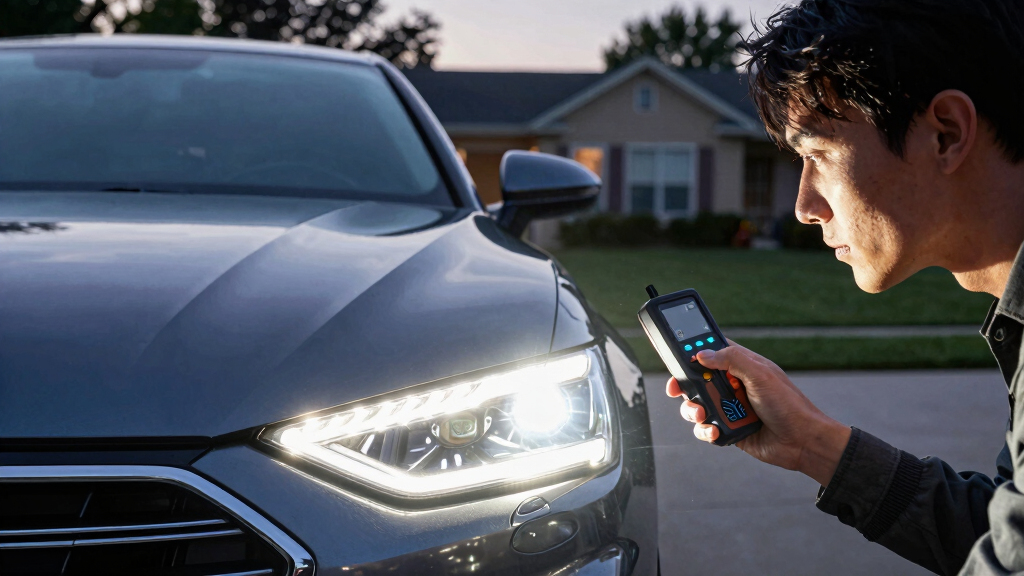
Recent discussions question if current LED headlights are excessively bright, potentially impairing other drivers’ visibility. Authorities and experts are evaluating safety implications amid rising vehicle headlight brightness levels.
Automakers’ shift to brighter LED headlights has sparked debate over whether these lights enhance safety or pose glare risks that could impair other drivers’ vision.
Manufacturers have designed modern LED headlights to produce higher brightness and better visibility, especially in adverse weather conditions. However, some drivers and safety experts argue that the increased intensity may cause glare, reducing the visibility of oncoming vehicles and pedestrians. Regulatory agencies, including the U.S. Department of Transportation and European safety authorities, are reviewing current standards and testing data. While there is no conclusive evidence yet that LED headlights are universally unsafe, reports of glare-related incidents have increased, prompting calls for stricter regulations and further research into optimal brightness levels.
Implications for Road Safety and Vehicle Regulations
This issue directly affects driver safety, as excessive glare from headlights can lead to accidents or near-misses. If authorities determine that current LED headlight brightness levels are unsafe, it could lead to revised standards and vehicle modifications. For consumers, understanding whether their headlights meet safety guidelines is crucial, especially as more vehicles are equipped with high-intensity LEDs. The debate influences future vehicle design, regulation policies, and public awareness about headlight safety.
As an affiliate, we earn on qualifying purchases.
Rise of LED Headlights and Regulatory Responses
Over the past decade, LED headlights have become standard due to their energy efficiency and longevity. Automakers have increased headlight brightness to improve nighttime visibility and comply with evolving safety standards. However, incidents involving glare-related visibility issues have prompted safety agencies to examine whether current brightness levels are appropriate. Some regions have already introduced regulations limiting headlight intensity, but uniform standards remain a work in progress. Previous studies have shown mixed results on the safety impact of brighter headlights, with ongoing research aiming to clarify these effects.
“While brighter headlights can improve visibility for the driver, they also increase the risk of glare, which can be dangerous for oncoming traffic.”
— Jane Smith, transportation safety researcher
car headlight glare reduction film
As an affiliate, we earn on qualifying purchases.
As an affiliate, we earn on qualifying purchases.
Unclear Impact of Bright Headlights on Overall Safety
It is not yet confirmed whether the increased brightness of LED headlights directly correlates with higher accident rates or if glare issues are widespread. Research findings are mixed, and data is still being analyzed by safety authorities. The extent of the problem varies by region, vehicle type, and headlight design. Further studies are needed to establish clear safety guidelines and regulatory limits.
As an affiliate, we earn on qualifying purchases.
Upcoming Regulatory Reviews and Industry Adjustments
Regulatory agencies are expected to release updated standards on headlight brightness within the next year. Automakers may also modify headlight designs to reduce glare, possibly adopting adaptive lighting systems. Public awareness campaigns about headlight safety could increase, and vehicle inspections may include checks for compliance with new brightness regulations. Continued research will aim to clarify the safety impact of high-brightness LEDs.
vehicle headlight regulation compliance
As an affiliate, we earn on qualifying purchases.
As an affiliate, we earn on qualifying purchases.
Key Questions
Are LED headlights safer than traditional halogen headlights?
LED headlights generally provide better visibility and energy efficiency, but their safety depends on proper brightness levels. Excessively bright LEDs can cause glare, potentially impairing other drivers’ vision.
Can I adjust the brightness of my LED headlights?
Most modern vehicles have adjustable headlight settings or adaptive systems. However, legal limits on brightness are set by regulations, and modifications should comply with local laws.
Are there regulations restricting LED headlight brightness?
Yes, some regions have established maximum brightness standards, but regulations vary widely. Authorities are reviewing whether current limits are sufficient to ensure safety.
What should I do if I experience glare from oncoming headlights?
Maintain a safe distance, avoid looking directly into bright lights, and consider using anti-glare glasses if recommended. If glare persists, report it to local authorities or vehicle inspectors.
Will future regulations require changes to existing headlights?
Regulatory bodies are considering updates to headlight standards, which may include restrictions on brightness levels and the adoption of glare-reducing technologies.
Source: rss
Fall yard work Picks
leaf blowers
As an affiliate, we earn on qualifying purchases.