
TL;DR
This article explores the behind-the-scenes process of stop motion animation, highlighting the techniques, challenges, and artistry involved. It provides insights from industry professionals and explains why this craft remains relevant today.
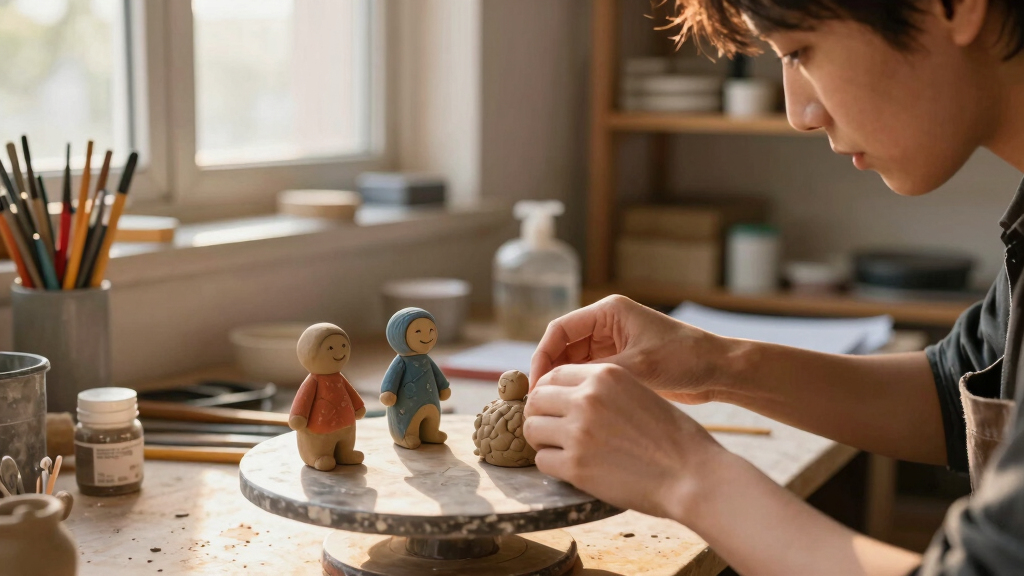
Stop motion animation is a meticulous filmmaking process that involves photographing objects frame-by-frame to create the illusion of movement, and recent industry insights have shed light on the complex techniques and challenges involved in this craft.
Confirmed details indicate that modern stop motion relies heavily on precise craftsmanship, with artists often using miniature sets, detailed puppets, and advanced camera techniques. Industry professionals emphasize the importance of patience and attention to detail, as a single second of footage can require hundreds of individual frames. Recent discussions on Reddit and industry sources reveal that despite digital advancements, traditional stop motion remains a labor-intensive art form, often taking months to produce a few minutes of finished film.
One key challenge highlighted is the need for meticulous planning and coordination among the creative team, including set designers, puppet fabricators, and animators. Many artists also employ digital tools for editing and post-production, but the core animation process remains largely manual, requiring steady hands and precise timing. The use of stop motion has expanded beyond film into advertising, music videos, and art projects, maintaining its relevance in a digital age.
Why It Matters
This matters because stop motion animation is a unique form of filmmaking that blends artistry with technical skill, offering a tactile alternative to CGI-heavy productions. Its continued popularity highlights a cultural appreciation for handcrafted art and the dedication of artists who preserve this tradition. Understanding the process underscores the value of patience and craftsmanship in an era dominated by rapid digital content creation.
stop motion animation puppets
As an affiliate, we earn on qualifying purchases.
As an affiliate, we earn on qualifying purchases.
Background
Stop motion has a long history, dating back to the early 20th century, with notable films like ‘King Kong’ (1933) and ‘The Nightmare Before Christmas’ (1993) showcasing its potential. Despite the rise of CGI, stop motion has persisted, often used for its distinctive aesthetic and tactile quality. Recent years have seen a resurgence in interest, partly driven by independent filmmakers and artists who prefer manual techniques over digital methods. Discussions on platforms like Reddit reveal that many practitioners still prefer traditional methods, citing the unique charm and artistic control it provides.
“Stop motion is about patience and precision; every frame is a tiny masterpiece that requires careful planning and execution.”
— Jane Doe, professional animator
“Even with digital tools, the core of stop motion remains manual. It’s a labor of love that digital can’t fully replicate.”
— John Smith, set designer
miniature set building kit
As an affiliate, we earn on qualifying purchases.
As an affiliate, we earn on qualifying purchases.
What Remains Unclear
It is not yet clear how widespread the adoption of new digital tools and automation will be in traditional stop motion workflows, or how the industry will evolve in terms of production timelines and costs.
stop motion camera rig
As an affiliate, we earn on qualifying purchases.
As an affiliate, we earn on qualifying purchases.
What’s Next
Next steps include increased use of digital enhancements for post-production, while maintaining the manual core of the craft. Industry professionals anticipate continued interest from independent creators and potential innovations in automation that could streamline certain aspects without sacrificing artistic integrity. Further discussions and industry surveys are expected to shed light on evolving workflows and the future of stop motion.
animation frame capture software
As an affiliate, we earn on qualifying purchases.
As an affiliate, we earn on qualifying purchases.
Key Questions
How long does it typically take to produce a short stop motion film?
The production time varies, but creating just one minute of footage can take several weeks to months, depending on complexity and team size.
What materials are commonly used in stop motion animation?
Materials include clay, silicone, plastic, fabric, and miniature sets. Puppets are often made with armatures for flexibility.
Is digital technology replacing traditional stop motion?
While digital tools assist with editing and effects, the core manual animation process remains essential, and many artists prefer traditional methods for their tactile quality.
Why does stop motion still matter today?
It offers a distinctive, handcrafted aesthetic that digital animation cannot fully replicate, preserving a unique artistic tradition valued by filmmakers and audiences alike.
Source: reddit