
TL;DR

Get home appliances delivered free with Prime
- Fast, free delivery on millions of items
- Prime Video, Amazon Music and more included
- Member-only deals all year
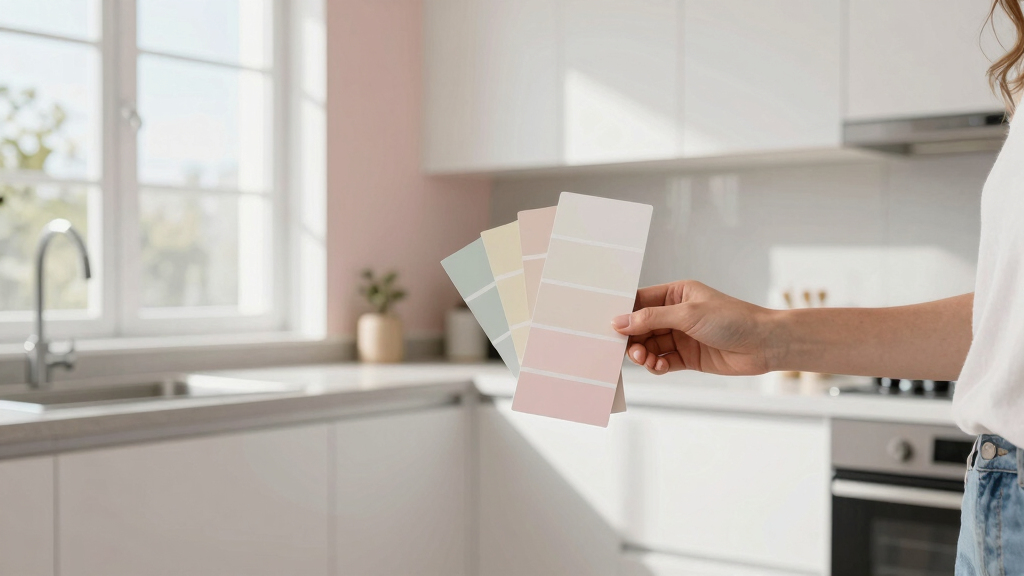
This article provides a detailed, expert-backed framework for selecting a kitchen color scheme that is cohesive and timeless. It emphasizes starting with permanent elements and building a balanced palette.
Choosing a kitchen color scheme can be complex, but experts recommend a structured approach that begins with the room’s fixed elements and builds toward a cohesive palette. This method helps ensure a balanced, timeless design that integrates well with existing materials and architecture.
According to design professionals, the process of selecting a kitchen color scheme should start with the room’s most permanent features, such as countertops, flooring, and cabinets, which influence the overall palette. These elements often have undertones and patterns that guide color choices. For example, a marble countertop with blue-gray veining suggests cooler tones, while warm-toned oak floors may lead to earthy hues.
Once the fixed elements are identified, the next step is to choose a dominant color, typically for cabinets, which occupy the largest visual space. Experts advise considering the mood and atmosphere you want to create, whether it’s bright and airy or cozy and subdued. The selected dominant color should complement the natural light and the room’s architecture, with popular choices including whites, neutrals, or deeper hues for larger, well-lit kitchens.
Building a supporting palette involves layering secondary colors, finishes, and contrasts that enhance the dominant tone. This step ensures the overall scheme feels intentional and harmonious, balancing practicality with aesthetic appeal. The process emphasizes flexibility, allowing homeowners to experiment with accents and textures without overwhelming the space.
Why a Cohesive Kitchen Color Scheme Matters
A well-chosen kitchen color scheme enhances the room’s visual harmony, making it more inviting and functional. It also increases the longevity of the design, reducing the need for frequent updates. Proper color coordination can influence mood, perception of space, and overall satisfaction with the kitchen, which is often considered the heart of the home.
Experts highlight that a thoughtfully curated palette can also add value to a property by showcasing a modern, cohesive look that appeals to future buyers. Therefore, understanding how to build a balanced color system is essential for homeowners undertaking renovations or new builds.
kitchen cabinet paint color samples
As an affiliate, we earn on qualifying purchases.
As an affiliate, we earn on qualifying purchases.
The Importance of Fixed Elements in Color Planning
Design professionals stress that the most permanent features of a kitchen—such as countertops, flooring, and cabinetry—should guide the color scheme. These elements carry the most visual weight and influence the overall aesthetic. For example, a stone countertop with specific undertones can set the tone for wall colors and accents.
This approach contrasts with choosing paint first, which can lead to mismatched or clashing schemes. Instead, starting with these fixed features ensures that the palette is rooted in the room’s architecture and materials, making it easier to select complementary colors and finishes.
“Before we look at a single paint chip, we look at the ‘soul’ of the home. We lean into its history and the client’s own story.”
— Alissa Pulcrano, Bright Designlab
marble countertop with blue-gray veining
As an affiliate, we earn on qualifying purchases.
As an affiliate, we earn on qualifying purchases.
Uncertainties in Personal Preferences and Trends
While the framework provides structured guidance, individual preferences and evolving trends can influence final choices. It is not yet clear how emerging styles or new materials might impact color selection strategies in the future. Additionally, personal taste remains subjective, and what feels timeless to one person may not to another.
As an affiliate, we earn on qualifying purchases.
Next Steps for Homeowners and Designers
Homeowners planning a kitchen update should start by assessing their fixed elements and considering the mood they wish to evoke. Consulting with design professionals can help refine color choices and build a cohesive palette. Future developments may include new materials and color innovations that expand options, making the process more flexible.
In the coming months, industry experts anticipate more tools and resources to assist in visualizing color schemes, including digital simulations and augmented reality applications, to help homeowners make confident decisions.
timeless kitchen backsplash tiles
As an affiliate, we earn on qualifying purchases.
As an affiliate, we earn on qualifying purchases.
Key Questions
How do I choose a kitchen color that will last over time?
Focus on classic, versatile shades that complement your fixed elements and reflect your personal style. Neutrals, soft whites, and muted earth tones tend to be timeless choices.
Should I match my cabinets to my countertops?
Matching isn’t necessary; instead, aim for a harmonious contrast or complementary tones that highlight each material’s beauty. Use the fixed elements as a guide for color coordination.
Can I change my kitchen color scheme easily later?
Yes, painted walls and accents are the easiest to update. Starting with a flexible palette allows for future adjustments without major renovations.
What role does lighting play in choosing kitchen colors?
Lighting significantly affects how colors appear. Natural light can enhance warm tones and cool shades differently, so consider your kitchen’s lighting when selecting colors.
Source: Homes & Gardens
Fall Picks
fall essentials
As an affiliate, we earn on qualifying purchases.