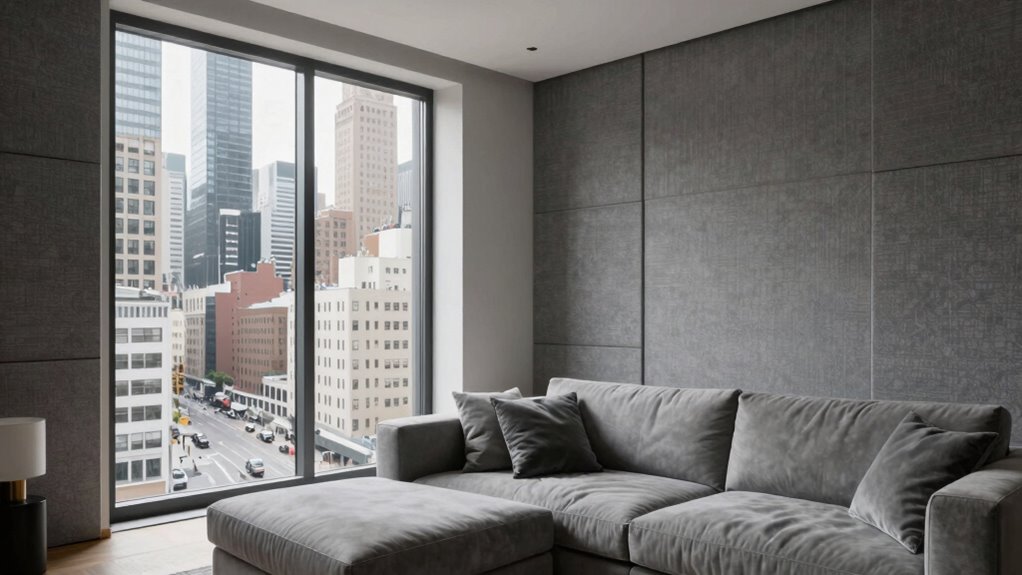

You should prioritize noise control in your renovation plans because it helps create a peaceful, comfortable space and keeps your neighbors happy. Ignoring noise can lead to frustration, legal issues, and lingering disruptions long after the work is done. Using soundproofing and acoustic treatments prevents unnecessary disturbances and makes your home more functional and enjoyable. If you keep exploring, you’ll discover even more ways to make your renovation quieter and more peaceful.
Key Takeaways
- Proper noise control minimizes disturbances for residents and neighbors during renovations.
- Incorporating soundproofing early prevents costly modifications and delays later.
- Acoustic treatments improve internal sound quality, enhancing comfort and functionality.
- Addressing noise proactively avoids legal issues and strained community relationships.
- Prioritizing noise mitigation increases overall satisfaction and long-term peace in the home.
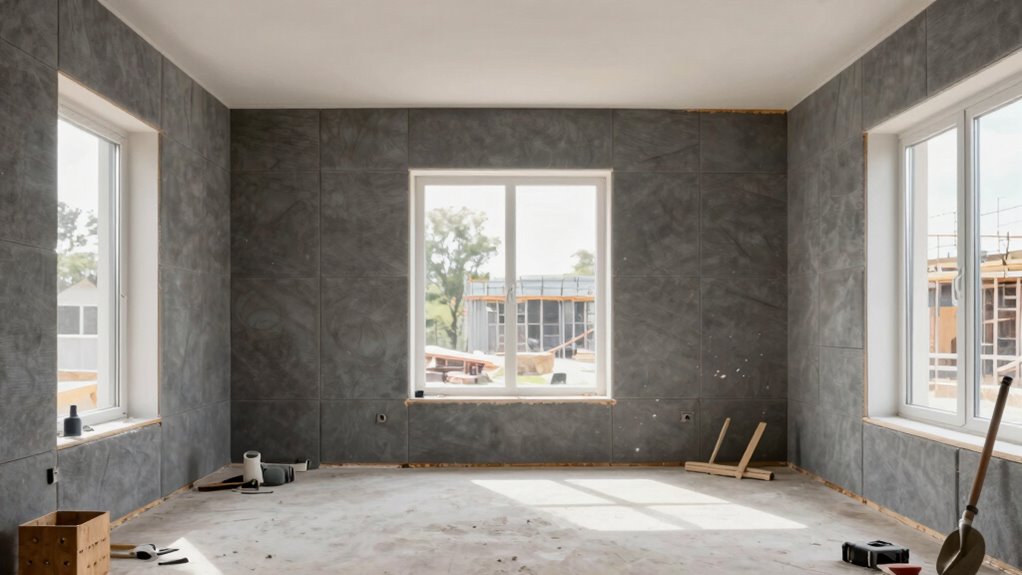
Renovations can considerably disrupt your peace and quiet, but with proper noise control measures, you can minimize the disturbance. When planning your project, it’s crucial to consider how noise will impact your daily life and those around you. Incorporating effective soundproofing techniques and acoustic treatments into your renovation plans isn’t just about reducing noise; it’s about creating a more comfortable, functional space. Many homeowners overlook the importance of soundproofing until the chaos begins, but proactive planning can save you headaches down the line.
Proactively plan noise control to create a comfortable, functional space during renovations.
Soundproofing techniques are your first line of defense. These include installing specialized insulation materials within walls, ceilings, and floors that absorb sound instead of letting it pass through. You might contemplate adding mass-loaded vinyl or acoustic mats to key areas to block noise transmission. Sealing gaps around doors, windows, and electrical outlets also plays a critical role in preventing sound leaks. When you take these steps early, you guarantee that noise from construction or from noisy equipment doesn’t spill into adjacent rooms or neighboring properties. Recognizing the significance of noise mitigation strategies can help you make more informed renovation decisions. Additionally, understanding the soundproofing materials suitable for your space can optimize your efforts and results. Being aware of soundproofing techniques can further enhance your ability to design an effective noise control plan.
Acoustic treatments, on the other hand, are about managing how sound behaves inside your space. They help control echoes, reduce reverberation, and improve overall sound quality. Using sound-absorbing panels, fabric-covered wall treatments, or even strategically placing furniture can make a significant difference. If you’re renovating a shared wall or an open-plan area, these treatments help contain noise within specific zones, making your space more livable during the upheaval. You’ll find that combining soundproofing techniques with acoustic treatments results in a more serene environment, despite ongoing renovations.
Ignoring noise control during renovations can lead to frustration, strained relationships with neighbors, and even legal issues if noise becomes excessive. It’s tempting to focus solely on aesthetics or structural changes, but the reality is that noise can linger long after the work is done if you don’t address it properly. Planning for soundproofing and acoustic treatments from the outset ensures that noise levels stay manageable, allowing you to continue your daily routine without constant disruption.
In essence, prioritizing noise control in your renovation plans isn’t just a matter of comfort; it’s a smart investment in your home’s functionality and your peace of mind. When you integrate soundproofing techniques and acoustic treatments into your project, you’re creating a space that’s not only visually appealing but also acoustically optimized. This foresight can turn a disruptive renovation into a smoother process, with less stress and more satisfaction once the work is complete.
soundproof insulation for walls
As an affiliate, we earn on qualifying purchases.
As an affiliate, we earn on qualifying purchases.
Frequently Asked Questions
How Much Does Noise Control Add to Overall Renovation Costs?
Noise control typically adds about 5-15% to your overall renovation costs, depending on the complexity and materials used. You should consider the cost impact within your budget considerations, as investing in soundproofing can considerably improve comfort and privacy. While it may seem like an extra expense now, prioritizing noise control can save you money long-term by reducing the need for future modifications or repairs.
Are There Specific Building Codes for Noise Reduction?
Yes, there are specific building codes for noise reduction that you need to follow. These codes often specify minimum standards for soundproofing materials and acoustic design, especially in multi-unit buildings or commercial spaces. You must incorporate soundproofing materials like insulation, resilient channels, and acoustic panels to meet these requirements. Ensuring your renovation adheres to these codes not only boosts comfort but also helps avoid legal issues.
Can Noise Control Techniques Improve Energy Efficiency?
Yes, noise control techniques can improve energy efficiency. By using soundproofing materials and acoustic insulation, you create a barrier that reduces heat transfer, helping keep your space cooler in summer and warmer in winter. These materials also dampen sound transmission, enhancing comfort. Incorporating advanced soundproofing and insulation during renovations not only minimizes noise pollution but also contributes to lower energy bills and a more sustainable, energy-efficient environment.
What Are the Long-Term Benefits of Investing in Noise Control?
Imagine your home wrapped in a soothing quiet, where soundproofing benefits create a peaceful sanctuary. Investing in noise control boosts your comfort, enhances acoustic design, and reduces stress over time. These long-term benefits mean lower energy bills, better sleep, and increased property value. Over the years, you’ll appreciate the calming environment, making your space more enjoyable and resilient against external noise, turning your home into a true haven.
How Do Noise Control Measures Affect Property Value?
Noise control measures, like installing soundproofing materials and acoustic insulation, can markedly boost your property value. These enhancements make your space quieter, more comfortable, and appealing to potential buyers or tenants. When you invest in quality soundproofing, you create a more private and peaceful environment, which stands out in the real estate market. Ultimately, improved noise control can lead to higher resale prices and faster sales.
acoustic panels for home renovation
As an affiliate, we earn on qualifying purchases.
As an affiliate, we earn on qualifying purchases.
Conclusion
Don’t let noise be the silent villain of your renovation. By giving noise control the spotlight it deserves, you’re not just creating a quieter space—you’re crafting a sanctuary where every whisper and every laugh can be heard clearly and comfortably. Think of noise reduction as the velvet curtain that transforms a noisy stage into a serene performance. Prioritize it, and your renovation will sing in harmony with your peace of mind, not drown it out.
mass loaded vinyl soundproofing
As an affiliate, we earn on qualifying purchases.
As an affiliate, we earn on qualifying purchases.
soundproof door and window seals
As an affiliate, we earn on qualifying purchases.
As an affiliate, we earn on qualifying purchases.