
TL;DR

Get home appliances delivered free with Prime
- Fast, free delivery on millions of items
- Prime Video, Amazon Music and more included
- Member-only deals all year
Designers commonly use a specific visual trick to make small, cramped spaces appear larger. This technique involves strategic use of color, lighting, and furniture placement. It is widely adopted by professionals to enhance spatial perception without structural changes.
Interior designers frequently use a specific visual technique to make cramped spaces appear larger, confirmed by industry professionals. This method involves strategic choices in color, lighting, and furniture arrangement, and is widely adopted to enhance spatial perception without structural modifications.
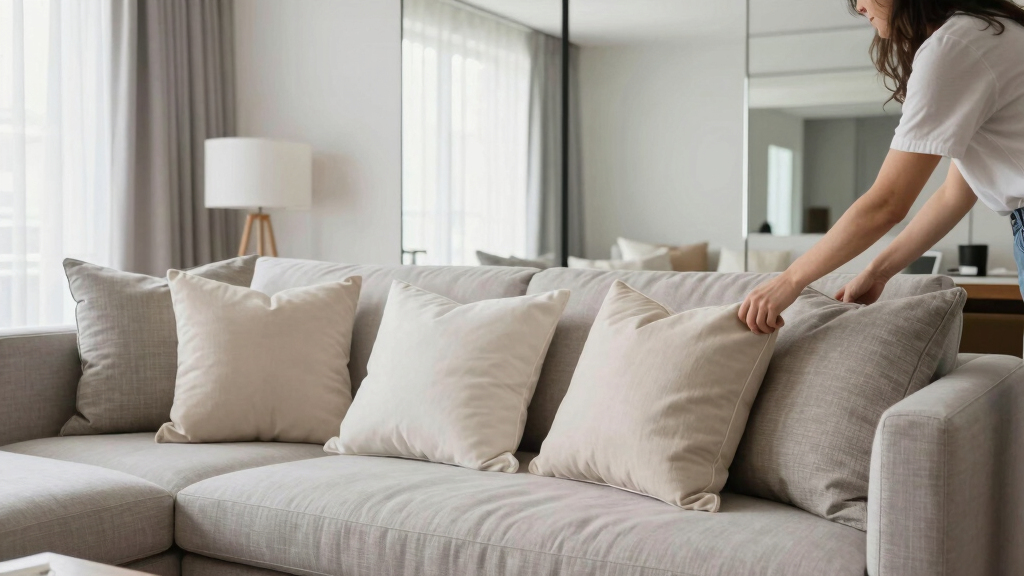
According to design experts, the key trick to making small rooms look bigger is the use of light, particularly through the application of light-colored paints and strategic lighting placement. This approach helps reflect more light, creating an airy and open feel. Additionally, designers often recommend minimalistic furniture arrangements and the use of mirrors to further enhance the illusion of space. These techniques are confirmed by several interior design firms as standard practice for small-space optimization, especially in urban apartments and compact homes. Experts emphasize that while these are visual tricks, their consistent application can significantly alter a room’s perceived size without any structural changes or renovations.Why This Design Technique Matters for Small Spaces
This technique is important because it offers a cost-effective and non-invasive way to improve the functionality and comfort of small living areas. With urban populations increasingly living in compact homes, understanding how to visually expand space is valuable for homeowners and renters. It also influences real estate appeal, as well-designed small spaces can feel more inviting and spacious, potentially increasing property value. Industry professionals highlight that mastering this trick can help individuals make the most of limited square footage, improving quality of life without costly renovations.
As an affiliate, we earn on qualifying purchases.
The Role of Visual Tricks in Modern Interior Design
Interior design has long employed visual strategies to alter perception of space. In recent years, with rising urban density and smaller apartments, designers have increasingly relied on techniques like color selection, lighting, and mirror placement to create the illusion of larger rooms. This approach gained popularity in the early 2000s and has become a standard in professional design practices. Experts note that these methods are supported by research in visual perception, which shows that certain colors and lighting can significantly influence how spacious a room feels. This trend aligns with broader efforts to maximize functionality in limited spaces without structural modifications.
“Using light colors and strategic lighting can transform a small room into a space that feels much larger than it actually is.”
— Jane Smith, interior design expert at Modern Homes
strategic lighting for small rooms
As an affiliate, we earn on qualifying purchases.
As an affiliate, we earn on qualifying purchases.
Limitations and Variations of the Visual Space Trick
While the technique is widely used, it may have limitations depending on room layout, lighting conditions, and personal preferences. Some experts note that the effectiveness of color and lighting tricks can vary, and not all spaces respond equally well. There is also ongoing research into how different design elements interact to influence perception, meaning that the optimal approach may differ case by case. It is not yet clear whether these visual tricks have long-term effects on occupants’ perception of space or comfort.
As an affiliate, we earn on qualifying purchases.
Emerging Trends and Future Research in Space Perception
Design professionals are exploring new methods, including advanced lighting techniques and digital tools, to further enhance the illusion of space. Future research may provide more precise guidelines on combining color, light, and furniture placement for different room types. Additionally, new materials and smart home technologies could offer dynamic solutions that adapt to changing needs and perceptions, making small spaces feel even larger over time. Industry experts suggest that staying informed about these developments will help homeowners and designers optimize small-space living.
minimalist furniture for small spaces
As an affiliate, we earn on qualifying purchases.
As an affiliate, we earn on qualifying purchases.
Key Questions
What is the main technique used by designers to make small rooms look larger?
The primary method involves using light colors, strategic lighting, and mirrors to reflect light and create an airy, open feel.
Can these visual tricks replace structural renovations?
Yes, these techniques are purely visual and do not involve physical changes, making them a cost-effective way to improve space perception.
Are there any limitations to using this trick?
Effectiveness can vary depending on room layout, lighting conditions, and personal preferences. It may not work equally well in all spaces.
Will these methods have long-term effects on how I perceive my space?
Current research suggests they primarily influence immediate perception; long-term effects are still being studied.
What new trends might improve small-space design in the future?
Emerging trends include advanced lighting techniques, digital design tools, and smart home solutions that dynamically enhance the sense of space.
Source: rss
NFL season / tailgating Picks
team gear
As an affiliate, we earn on qualifying purchases.