
TL;DR

Get home appliances delivered free with Prime
- Fast, free delivery on millions of items
- Prime Video, Amazon Music and more included
- Member-only deals all year
An Apartment Therapy contributor says spraying a light coating of WD-40 around outdoor window frames kept visible spider webs from returning for a month at her Florida home. That is a personal test, not evidence that the method works for everyone or lasts a year; the report also advises keeping the product off the glass.
An Apartment Therapy contributor says a light coating of WD-40 around the frames of her outdoor windows kept visible spider webs from returning for a month after she cleaned them. The account offers a household test, not controlled evidence that the method works generally or will keep windows clear for a year.
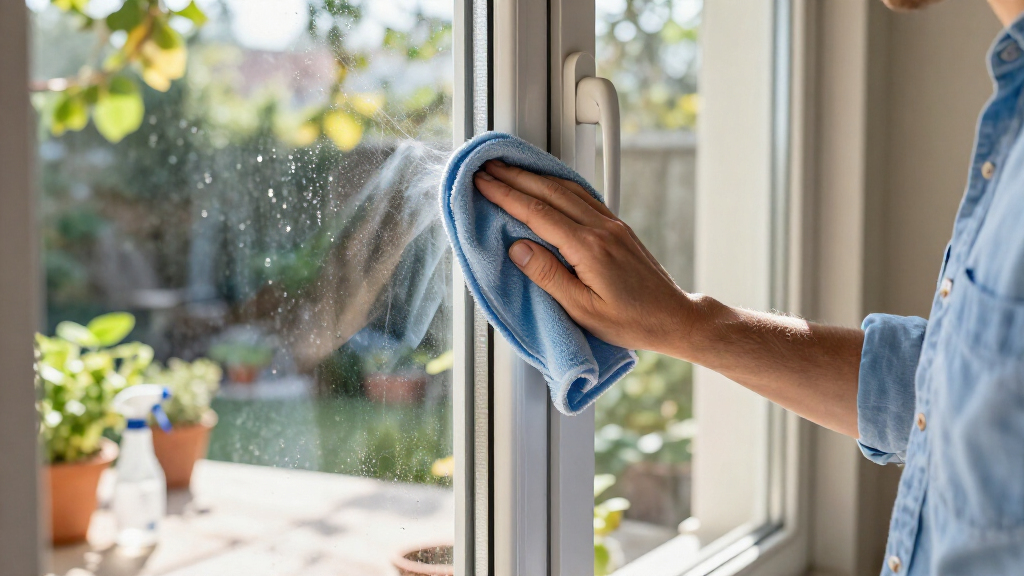
The writer, who lives in a historic home in Florida, said spiders repeatedly built webs in the corners of her exterior windows despite regular cleaning. After removing the webs and cleaning the windows, she sprayed WD-40 around the outside perimeter: along the sill, sides and top of each frame. She also applied a small amount in the window-pane corners where she had noticed spiders.
She said she took care to keep the product off the glass because it could leave a greasy appearance, then let the coating dry without wiping it away. In her account, she saw no webs after one week and still saw none after a month, including after several heavy rains. Those observations describe her own windows and the period she monitored them.
The article suggests that the product’s lubricating properties may make a surface less suitable for web-building, and the writer speculates that its odor might also deter spiders. The report does not cite a pest-control expert or present testing to establish either explanation. It also says a coating could last up to a year, but that duration is presented as the writer’s understanding, not as a result demonstrated by the month-long trial.
A Month-Long Home Test
The account may interest people dealing with recurring webs on exterior windows because it describes a quick application using a common household product. The writer reports a clear short-term result at her home, but one household’s experience cannot show how the treatment performs on different window materials, in other climates or where spider activity is heavier.
The distinction matters for readers considering the method: the reported month without visible webs is an observation, while the proposed mechanism and year-long duration are not established by the test. The article does not compare treated windows with untreated ones, measure spider activity or report how much WD-40 was used. It therefore cannot show whether the spray caused the change or predict how long another application might last.
Products Worth Considering

Philips Hue Festavia 65-Foot Smart LED String Lights, 250 Color-Changing Mini LEDs

Roborock Qrevo S Pro Robot Vacuum and Mop with Multifunctional Dock

Blueair Signature SP1i Smart Air Purifier
As an affiliate, we earn on qualifying purchases.
How the Window Treatment Was Applied
The source is a first-person home-care report from Apartment Therapy, which identifies the contributor’s problem as repeated webs in the corners of outdoor windows. She said ordinary removal and cleaning did not keep the spiders away for more than a few days. The described method followed that cleaning: spray a light coating around the frame, avoid the glass, and allow the product to dry.
The report’s headline says the hack gets rid of webs “for good,” but the body documents only one month of observation. It does not provide independent testing, expert assessment or a longer follow-up. Its broader suggestions about applying WD-40 near doors or soffits to deter insects and prevent bee or wasp nests are also not verified by the window test.
““I was skeptical if this hack would work at all.””
— Apartment Therapy contributor
Effectiveness Beyond One Home
The source does not establish whether WD-40 was responsible for the lack of webs, how it compares with other approaches, or whether spiders would return after more time. It provides no controlled test or independent expert confirmation of the suggested explanation that a slick surface prevents web-building. The claim that the coating can last up to a year is not supported by the one-month follow-up reported.
The account also does not give product-specific safety guidance for use around all window finishes, nearby plants, pets or other surfaces. Its observations about deterring other insects and preventing bee or wasp nests are not backed by evidence in the report. Readers should not treat those claims as proven pest-control advice.
Longer Follow-Up Is Needed
The contributor’s account ends after a month without visible webs; it does not report a later check or a planned follow-up. A longer observation period would be needed to assess whether the coating continues to have an effect through changing weather and seasons. Independent testing across different homes and window types would be needed to assess whether the outcome can be repeated.
For now, the result remains a single-person report. The source gives no confirmed timeline for when spiders might return, whether reapplication would be needed, or whether the method is suitable for other surfaces. Those points remain open rather than established by the reported trial.
Key Questions
What did the Apartment Therapy writer do?
After removing webs and cleaning the windows, she sprayed a light coating of WD-40 around the exterior window frames, taking care to avoid the glass, and let it dry.
How long did the writer report that the windows stayed clear?
She reported seeing no webs after one week and still none after one month. The source does not document a longer test.
Does the report prove WD-40 keeps spiders away for a year?
No. The year-long duration appears as the contributor’s understanding, but her reported observation lasted one month. The article does not provide testing that confirms a year of effectiveness.
Why did the writer avoid spraying the glass?
She said she did not want WD-40 to leave the windows looking greasy. Her described application was around the frame and in small corners, not across the glass.
Source: rss