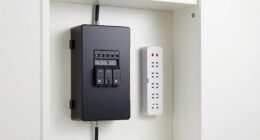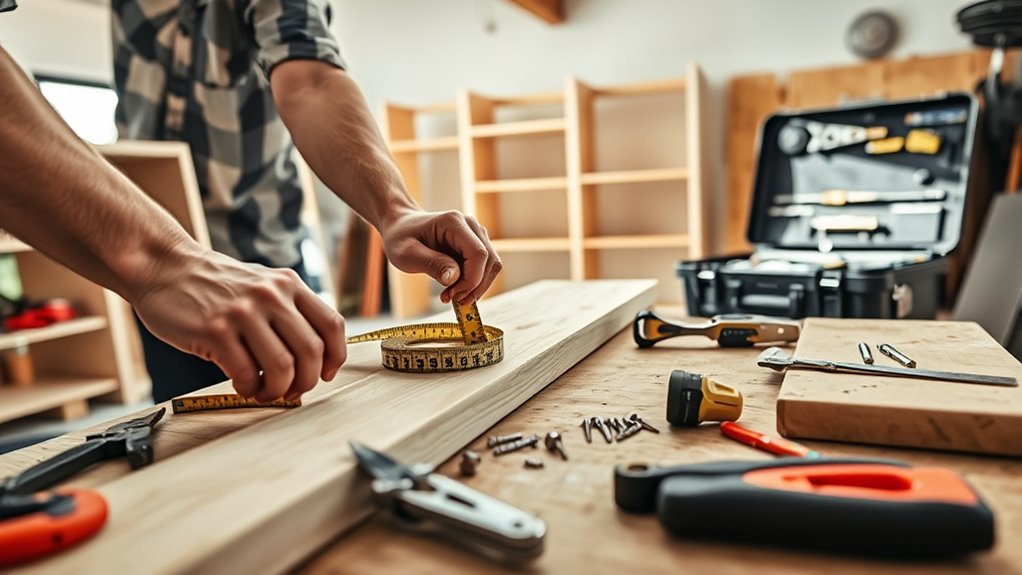

When deciding between DIY and hiring a professional, consider your project’s complexity, your skills, and safety needs. For simple, low-risk tasks, you might save money by doing it yourself, but for complex or high-stakes jobs, hiring a contractor guarantees safety, compliance, and quality. Think about the long-term costs, time investment, and potential risks. If you want to make an informed choice, keep exploring the key factors that can help you decide confidently.
Key Takeaways
- Assess the complexity and safety requirements of the project to determine if professional expertise is necessary.
- Consider your skill level and experience to avoid costly mistakes and ensure proper, code-compliant installation.
- Evaluate the total costs, including hidden expenses and potential repairs from DIY errors versus professional services.
- Factor in time constraints and the need for efficiency, as professionals typically complete projects faster.
- Prioritize safety, regulations, and warranties—when in doubt, hiring a contractor offers greater assurance and protection.
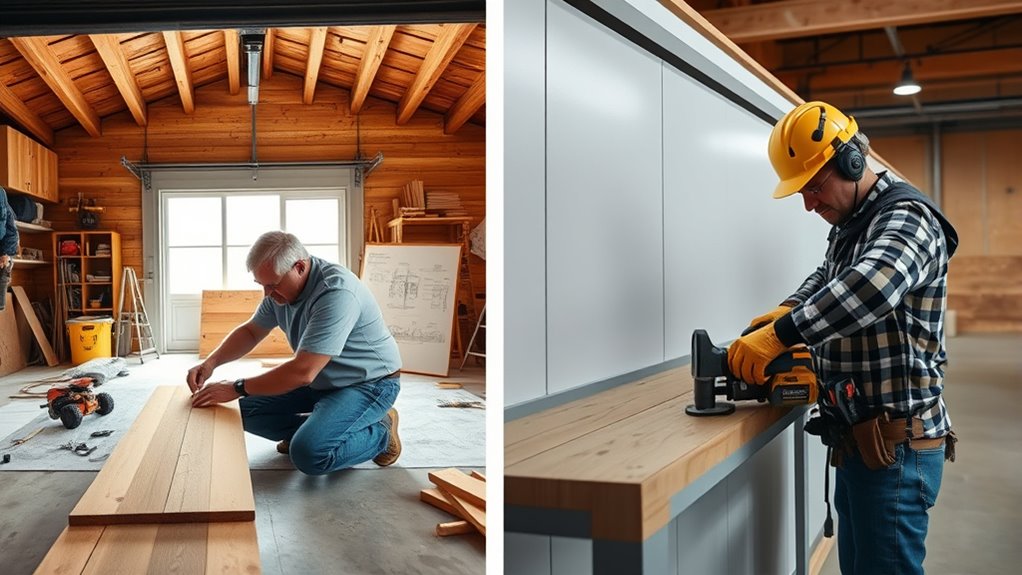
When deciding how to install a new system or appliance, you often face the choice between doing it yourself or hiring a professional. One of the key factors to weigh is the cost comparison. Doing it yourself might seem cheaper upfront, especially if you already have some basic tools or experience. However, it’s essential to take into account hidden costs like potential mistakes, additional materials, or the need for specialized equipment. Professionals, on the other hand, typically charge for their expertise and labor, which can be costly but often results in fewer errors and quicker completion. While DIY might save money initially, mistakes can lead to expensive repairs or safety hazards later. So, balance the upfront savings against possible long-term expenses.
Weigh upfront savings against long-term costs when deciding DIY versus professional installation.
Skill requirements are another critical aspect. Installing certain systems or appliances demands a specific level of knowledge and technical skill. For example, electrical work, plumbing, or HVAC installations require understanding of safety codes, proper wiring techniques, and handling potentially dangerous components. If you lack this expertise, attempting a DIY installation can be risky, leading to improper setup or even safety issues. Conversely, if you have experience or are willing to dedicate time in learning, some projects might be manageable without professional help. But for complex or high-stakes installations, it’s usually best to hire a licensed contractor. They bring the necessary skills to ensure everything is installed correctly and complies with local regulations. Additionally, understanding home improvement standards can help you assess whether a DIY approach is feasible or if professional guidance is necessary.
Beyond cost and skill, think about the time investment involved. DIY projects often take longer, especially if you’re learning as you go or troubleshooting unexpected problems. Professionals work efficiently because they’ve done similar installations many times. If speed and certainty are priorities, hiring a contractor might be the better choice. Additionally, consider warranty and insurance. Professional installation often comes with warranties that protect you against future issues, while DIY efforts usually don’t include guarantees. If something goes wrong down the line, you might end up paying more in repairs or replacements.
Ultimately, the decision hinges on your budget, expertise, time availability, and comfort level with the installation process. For simple, low-risk projects, DIY can be a rewarding option. But for complex systems or when safety and compliance are critical, investing in a professional’s skills is often the smarter move. Carefully evaluate the cost comparison and skill requirements before making your choice to guarantee a safe, efficient, and cost-effective outcome.
Frequently Asked Questions
What Safety Precautions Should I Consider for DIY Projects?
When doing DIY projects, you should prioritize safety gear like gloves, goggles, and masks to protect yourself. Always be aware of potential hazards such as sharp tools, electrical wires, or unstable surfaces. Follow safety instructions carefully, keep your workspace tidy, and never rush. If you’re unsure about a task, take extra precautions or consider consulting a professional. Staying alert and prepared helps prevent accidents and keeps your project progressing safely.
How Do I Assess My Skill Level for Installation Tasks?
If you think your DIY confidence is enough, take a skill assessment first. Honestly, be brutally honest about your experience with similar projects, tools, and techniques. Do you follow detailed instructions or just wing it? If you hesitate or doubt your abilities, it’s a sign to seek professional help. Assess your skills objectively—better to ask for help now than redo costly mistakes later.
What Tools Are Essential for a DIY Installation?
You need vital tools like power tools such as drills, saws, and screwdrivers to handle installation tasks efficiently. Measurement tools like tape measures, levels, and squares are essential for precision. Make certain your power tools are in good condition and you know how to operate them safely. Having the right tools not only makes the job easier but also guarantees a professional finish, helping you decide if DIY is feasible.
How Long Does a Typical Professional Installation Take?
A typical professional installation usually takes about one to three days, but don’t be surprised if it stretches into a week—after all, professional scheduling isn’t always lightning-fast. You might think it’s just a quick job, but experts often juggle multiple projects, so the installation timeline can vary. Ironically, hiring professionals often means waiting longer, but at least you’ll get a polished result without lifting a finger.
Are There Legal Permits Required for Certain Installations?
You need to check permit requirements before starting certain installations, especially for electrical, plumbing, or structural work. Many projects require permits to comply with licensing regulations and guarantee safety. Failing to obtain necessary permits can lead to legal issues or fines. Always consult your local building department to verify if permits are needed, and hire a licensed professional if the project exceeds your skill level or involves complex regulations.
Conclusion
Picture yourself standing back, admiring your finished project, feeling proud of what you’ve accomplished. But if the task feels overwhelming or risky, don’t hesitate to call in a pro—imagine a skilled contractor guiding your vision seamlessly into reality. Sometimes, handing over the reins guarantees safety, quality, and peace of mind. Trust your judgment, and remember: knowing when to ask for help transforms a good project into a great one.