Installing low-flow plumbing fixtures helps you save water, lower utility bills, and support environmental sustainability. Opt for fixtures like faucets and toilets rated at 2.0 gpm or less, ensuring they meet efficiency standards. Regular maintenance, such as cleaning aerators and fixing leaks promptly, keeps them working efficiently. Combine these upgrades with mindful habits like turning off taps when not in use for maximum savings. Keep going to discover more ways to boost your water conservation efforts.
Key Takeaways
- Select fixtures rated at 2.0 gpm or less, ensuring water efficiency without sacrificing performance.
- Regularly maintain and clean fixtures to prevent leaks and sustain optimal flow rates.
- Replace high-volume toilets with low-flow models to save hundreds of gallons daily.
- Incorporate water-saving habits, such as turning off taps during activities, to maximize conservation.
- Verify fixtures meet water efficiency standards like WaterSense for effective water conservation.
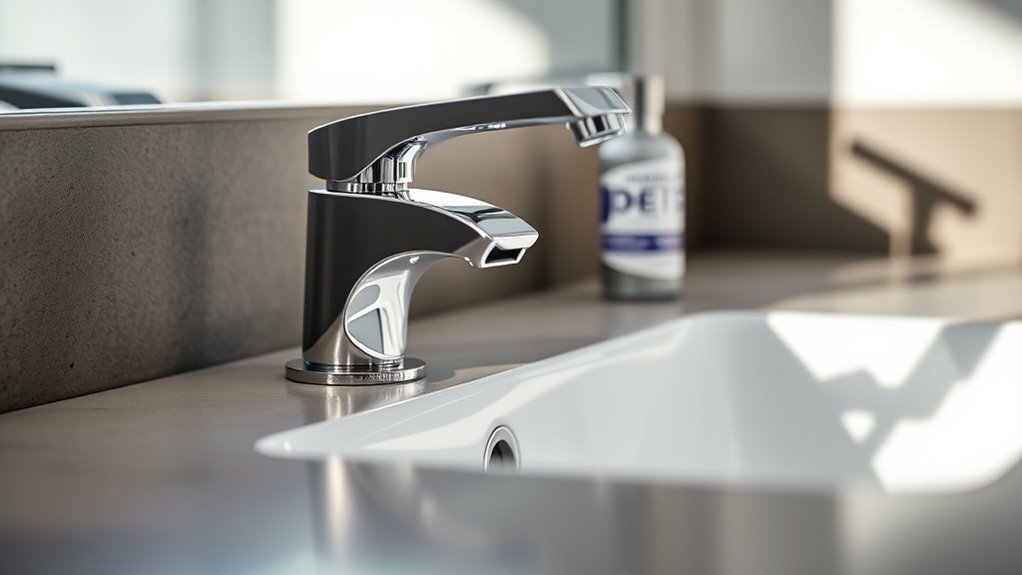
Installing low-flow plumbing fixtures is an effective way to conserve water and reduce utility bills. When you choose to upgrade your faucets, showerheads, and toilets, you actively participate in water conservation efforts while saving money in the long run. These fixtures are designed to deliver the same functionality as traditional models but use considerably less water, making them a smart choice for both your household and the environment. To maximize their benefits, it’s vital to incorporate water saving tips into your routine, guaranteeing that your fixtures operate efficiently and last longer. Proper fixture maintenance is key; regularly cleaning aerators and inspecting for leaks can prevent unnecessary water waste and keep your fixtures functioning at their best. Small tweaks, like turning off taps while brushing your teeth or shaving, complement the benefits of low-flow fixtures and amplify your water-saving efforts.
When you install low-flow fixtures, pay close attention to the specifications and guarantee they meet your household needs. For instance, selecting a showerhead rated at 2.0 gallons per minute (gpm) or less can dramatically cut water usage without sacrificing comfort. Similarly, replacing an old, high-volume toilet with a low-flow model can reduce your water consumption by hundreds of gallons each day. Remember, fixture maintenance is vital; a leaky faucet or running toilet can negate the water savings from your new fixtures. Regularly checking for leaks and fixing them promptly keeps everything running efficiently and prevents water wastage. Additionally, cleaning fixtures periodically helps prevent buildup that could affect flow rates, ensuring they continue to operate at peak performance. Furthermore, understanding water efficiency standards can help you choose the most effective fixtures for your home.
Incorporating water saving tips extends beyond the fixtures themselves. Consider installing aerators on your faucets, which mix air with water to maintain pressure while reducing flow. When you’re not using water, turn off the tap—this simple habit can save gallons daily. For showerheads and faucets, look for products with WaterSense labels or similar certifications, indicating they meet high standards for efficiency. Proper fixture maintenance not only prolongs the lifespan of your fixtures but also ensures they continue to save water effectively. Keep an eye out for drips or signs of wear, and address issues promptly to prevent unnecessary waste. By combining smart fixture choices with consistent maintenance and water-saving habits, you can make a notable impact on your household’s water usage and financial costs. Ultimately, these small but impactful steps help you live more sustainably while enjoying the benefits of lower utility bills.
Frequently Asked Questions
Will Low-Flow Fixtures Affect Water Pressure Significantly?
Low-flow fixtures may slightly reduce water pressure, but it usually isn’t significant enough to impact daily use. They are designed to maintain adequate pressure while conserving water, so your fixture durability stays strong. If you notice a drastic pressure drop, check for clogs or leaks. Overall, low-flow fixtures provide reliable performance and help save water without compromising the effectiveness of your plumbing system.
Are Low-Flow Fixtures Compatible With All Existing Plumbing Systems?
Yes, low-flow fixtures are generally compatible with most existing plumbing systems. You need to check pipe compatibility to guarantee proper fixture installation, as some older pipes might require adjustments or upgrades. Most low-flow fixtures are designed to fit standard connections, making installation straightforward. However, it’s wise to consult a professional if your plumbing system has unique features or if you’re unsure about compatibility, ensuring smooth fixture installation.
How Long Do Low-Flow Fixtures Typically Last?
Ever wondered how long your low-flow fixtures will last? Typically, they offer excellent fixture durability and can serve you well for 10 to 15 years with proper maintenance. Isn’t it great that you won’t need replacements often? However, factors like water quality and usage can influence their lifespan. So, while they’re built to last, keep an eye on their performance to know when a replacement might be needed.
Can I Install Low-Flow Fixtures Without Professional Help?
Yes, you can handle DIY installation of low-flow fixtures if you’re comfortable with basic plumbing tasks. You’ll need essential tools like a wrench, screwdriver, and plumber’s tape. Make sure to turn off the water supply before starting, follow the manufacturer’s instructions carefully, and check for leaks afterward. With patience and some prior experience, you can successfully install low-flow fixtures yourself, saving money and conserving water.
Do Low-Flow Fixtures Save Enough Water to Justify Their Cost?
Yes, low-flow fixtures do save enough water to justify their cost benefits, especially when considering the environmental impact. You might worry about performance, but modern designs ensure efficiency without sacrificing function. Over time, reduced water bills make the investment worthwhile. By choosing low-flow fixtures, you contribute to conserving water resources, lower your utility costs, and lessen your environmental footprint, making it a smart, eco-friendly decision.
Conclusion
By installing low-flow fixtures, you’re fundamentally planting seeds of change that blossom into a more sustainable future. Think of each fixture as a gentle river guiding water wisely through your home, conserving every precious drop. With your mindful choices, you’re not just saving water—you’re nurturing the planet’s delicate balance. Embrace these fixtures as your allies in the ongoing dance of conservation, turning your home into a sanctuary where every drop counts and nature’s song continues unspoiled.