Upgrading to a tankless water heater involves evaluating your household’s hot water needs, choosing the right unit size, and ensuring your existing electrical or gas systems can support the upgrade. You’ll need professional installation to handle plumbing and electrical adjustments safely. The benefits include energy savings, reduced space requirements, and a longer-lasting, reliable hot water supply. Keep exploring to discover detailed steps and how this upgrade can improve your home’s efficiency and comfort.
Key Takeaways
- Assess household hot water needs and select the appropriate tankless unit size for optimal performance.
- Hire a licensed professional to evaluate existing plumbing and electrical or gas systems for compatibility.
- Upgrade electrical wiring or gas supply if required to meet the new unit’s power or fuel demands.
- Remove the old water heater and properly install the tankless unit, ensuring correct connections and safety measures.
- Enjoy benefits like energy savings, space efficiency, and reliable hot water supply with proper installation and maintenance.

If you’re tired of running out of hot water or seeing your energy bills soar, upgrading to a tankless water heater can be a smart move. These units heat water on demand, providing hot water only when you need it, which notably boosts energy efficiency. Unlike traditional tank models that keep a large volume of water heated constantly, tankless systems eliminate standby heat loss, allowing you to cut down on unnecessary energy consumption. While the initial installation costs of a tankless water heater can be higher than a traditional unit, many homeowners find that the long-term savings in energy bills justify the investment.
Upgrade to a tankless water heater for energy savings and endless hot water.
When considering an upgrade, one of your first steps should be evaluating the installation costs. Factors such as the size of the unit, the complexity of the setup, and whether your existing plumbing or electrical systems need upgrades all influence the total expense. It’s important to get a clear estimate from a professional before making a purchase. Although the upfront costs might seem steep, many tankless models are durable and have longer lifespans compared to traditional water heaters, which can save you money over time. Plus, the energy efficiency of these units means you’ll likely see a noticeable reduction in your monthly utility bills, offsetting the initial investment.
Installing a tankless water heater involves more than just swapping out your old unit. You might need to upgrade your electrical wiring or gas supply, especially if you’re switching from a traditional heater to a higher-capacity tankless model. Proper sizing is vital; a unit that’s too small won’t meet your household’s hot water demands, while an oversized one could lead to unnecessary costs and energy use. It’s best to consult with a licensed professional who can assess your household’s hot water needs and recommend the right unit. They can also handle the installation process efficiently, ensuring everything is set up correctly and safely.
Another benefit of upgrading to a tankless water heater is the convenience it offers. Because these units are compact, they save space and can be installed in tighter areas. They also require less maintenance since there’s no tank that’s prone to rust or sediment buildup. Over time, you’ll appreciate the reliability and consistent hot water supply, especially during peak usage times. Plus, many modern tankless systems come with advanced features like digital controls and remote monitoring, giving you more control over your hot water usage.

Tankless Water Heater Electric 110V, 3000W Instant Electric Water Heater, Under Sink Water Heater with Digital Display, On Demand Hot Water heater Electric for Kitchen Bathroom Washin
✔ ELECTRIC TANKLESS WATER HEATER – This tankless electric water heater is made of high-quality ABS material, with…
As an affiliate, we earn on qualifying purchases.
As an affiliate, we earn on qualifying purchases.
Frequently Asked Questions
How Long Does a Tankless Water Heater Typically Last?
A tankless water heater typically lasts around 20 years with proper maintenance. You should expect a good lifespan if you regularly flush the system and check for mineral buildup, especially in hard water areas. Maintenance requirements are generally minimal but vital for longevity. By staying on top of these tasks, you guarantee your unit operates efficiently and reaches its full lifespan expectations, saving you money in the long run.
Can I Install a Tankless Water Heater Myself?
You can try a DIY installation, but it’s like steering a stormy sea—you’ll need strong plumbing expertise. Tankless water heaters require precise connections and knowledge of electrical and gas lines. If you’re comfortable with plumbing projects and follow the manufacturer’s instructions carefully, you might succeed. However, for safety and efficiency, it’s often wiser to call in a professional. They’ll guide you clear of costly mistakes and ensure a proper install.
What Is the Typical Cost Difference Between Tank and Tankless?
The cost comparison between tank and tankless water heaters varies, but generally, tankless units are more expensive upfront, often costing two to three times as much. Pricing factors include the size, brand, and installation complexity. While the initial investment is higher for tankless models, they save you money long-term through energy efficiency and longer lifespan. Consider these factors when weighing your options and budget accordingly.
Are There Size or Capacity Limitations for Tankless Units?
Think tankless water heaters are limitless? Think again. While they handle most households, capacity constraints mean you might face installation challenges in large homes or high-demand situations. These units have size and capacity limitations, requiring careful planning to match your hot water needs. If your household’s water demand exceeds their limits, you may need multiple units or a different system altogether, ensuring you don’t run out of hot water in the middle of your shower.
How Does a Tankless Heater Impact My Energy Bill?
A tankless water heater boosts your energy efficiency by heating water only when you need it, which can substantially lower your utility bills. Since it doesn’t store hot water, it reduces standby heat loss common with traditional tanks. You’ll see utility savings over time, especially if you use hot water frequently. Plus, its long lifespan means you benefit from energy efficiency for years to come.
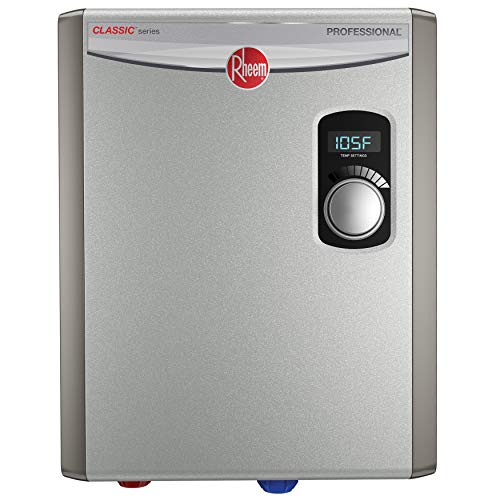
Rheem 18kW 240V Tankless Electric Water Heater, Gray
External digital thermostatic control with LED display (+/1 degree accuracy)
As an affiliate, we earn on qualifying purchases.
As an affiliate, we earn on qualifying purchases.
Conclusion
Upgrading to a tankless water heater is a smart move that pays off in energy savings and endless hot water. By following the steps and understanding the benefits, you’ll enjoy a modern upgrade that makes your home more efficient. Think of it as bringing your plumbing into the 21st century—like having a personal butler for your hot water needs. So, don’t wait—make the switch and enjoy the comfort of on-demand hot water today.

Tankless Water Heater, Novieex On Demand Water Heater Natural Gas, Up to 3.6 GPM, 86,000 BTU Instant Hot Water Heater with LED Display, Indoor Installation, 2-3 Point Use for Family Bathroom Kitchen
【Note 】 This 3.6GPM on demand water heater requires Natural Gas.
As an affiliate, we earn on qualifying purchases.
As an affiliate, we earn on qualifying purchases.

HYDRO MASTER Tankless Water Heater Service Valve Kit with Pressure Relief Valve 3/4-Inch IPS Isolator Clean Brass
Durable Construction: Made from thick, forged Lead Free brass for strength and leak prevention. Each valve set is…
As an affiliate, we earn on qualifying purchases.
As an affiliate, we earn on qualifying purchases.