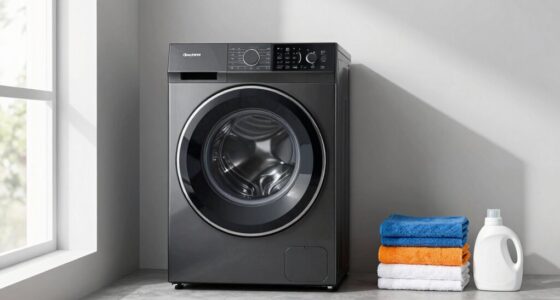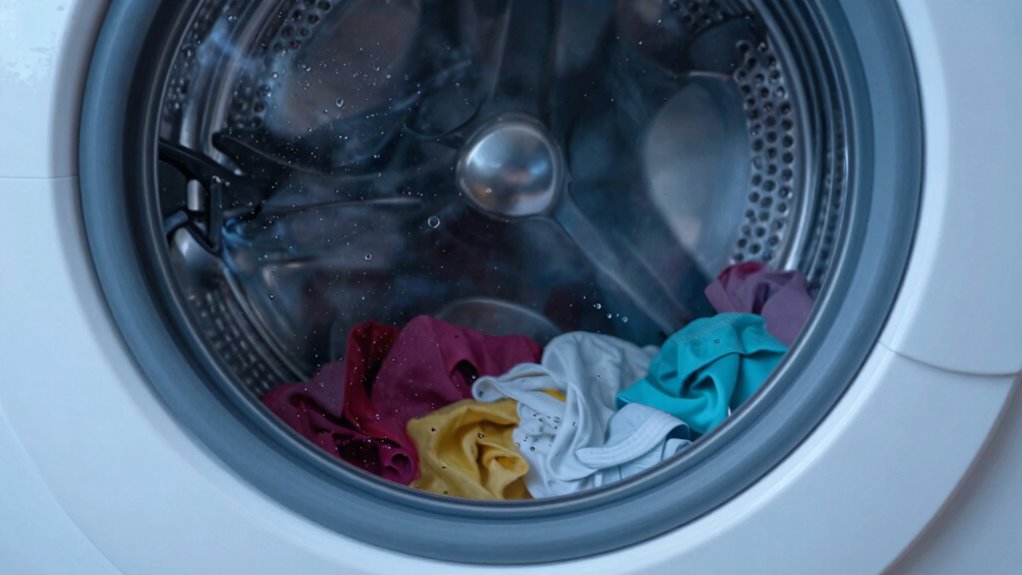

Sanitize cycles aim to reduce bacteria and viruses in laundry and dishes by using high heat, typically between 150°F and 160°F, and longer wash times. While they markedly lower the microbial load, they don’t sterilize or eliminate all pathogens, especially resistant bacteria and viruses with protective shells. If you want to understand what these cycles can truly accomplish and their limitations, keep exploring the details behind their effectiveness.

Get home appliances delivered free — and shop member deals
- Fast, free delivery on millions of items
- Access to Prime Big Deal Days deals on October 6–7
- Prime Video, Amazon Music and more included
Key Takeaways
- Sanitize cycles primarily kill bacteria and viruses using high water temperatures and extended wash times but do not guarantee complete sterilization.
- They effectively reduce germs like E. coli and Salmonella but may not eliminate all resistant microorganisms or spores.
- High heat and water pressure help break down bacterial cell walls, enhancing hygiene but cannot remove all viruses or biofilms.
- Sanitize cycles are designed to disinfect laundry and dishes, not to remove stains, odors, or achieve full sterilization.
- Proper loading, detergent use, and cycle selection improve effectiveness; they are an added layer, not a substitute for comprehensive cleaning.
What Are Sanitize Cycles and How Do They Work?

Many modern dishwashers come with a sanitize cycle designed to eliminate germs and bacteria effectively. This cycle works through specific cycle mechanisms that increase water temperature and extend wash times. The high heat targets germs, breaking down their cell walls and ensuring thorough germ elimination. During this cycle, the dishwasher intensifies its rinse phase, maintaining elevated temperatures for longer periods. Some models also incorporate additional features like steam or specialized spray patterns to boost hygiene. The goal is to deliver dishes that are not only clean but also hygienically safe. By understanding how sanitize cycles operate through these cycle mechanisms, you can confidently rely on your dishwasher to reduce bacteria and provide peace of mind after every wash. Additionally, being aware of Free Floating components helps in understanding how water flows during these intensive cycles, ensuring optimal cleaning performance. Recognizing the temperature control capabilities of your dishwasher can further optimize the effectiveness of the sanitize cycle. For example, understanding how heat distribution works can help in assessing the overall efficiency of the sanitization process, especially when considering temperature sensors that monitor and adjust heat levels throughout the cycle. Moreover, water flow dynamics play a crucial role in ensuring that all surfaces are adequately exposed to high temperatures and cleaning agents, enhancing the cycle’s effectiveness.
How Hot Do Sanitize Cycles Get and How Long Do They Last?

How hot do sanitize cycles get, and how long do they last? Sanitize cycles typically reach temperatures around 150°F to 160°F, but temperature accuracy can vary depending on your machine. The cycle duration usually lasts between 30 to 90 minutes, influenced by factors like load size and cycle settings. Temperature maintenance is essential to ensure the cycle reaches and sustains the proper heat for effective sanitization. The cycle duration may extend if the dishwasher adjusts for load or water temperature. Longer cycles help maintain consistent heat, but shorter cycles may sacrifice some sanitizing effectiveness. Additionally, cycle optimization features can impact both the temperature achieved and the length of the cycle, ensuring thorough sanitation without unnecessary extension. Proper cycle settings are crucial for achieving the highest sanitation standards while conserving energy and water. Understanding thermal disinfection principles can help in selecting the most effective cycle for your needs. Moreover, water temperature accuracy plays a vital role in meeting sanitation requirements and ensuring safety.
Which Germs and Bacteria Do Sanitize Cycles Kill?

Sanitize cycles are designed to eliminate a wide range of harmful germs and bacteria, making your dishes safer to use. They target common bacteria like E. coli, Salmonella, and Listeria, effectively reducing the risk of foodborne illnesses. These cycles achieve germ eradication by exposing items to high temperatures and powerful water jets, which can break down bacterial cell walls. Additionally, the effectiveness of sanitize cycles can be influenced by the power of electric bikes, as higher-powered models may generate more heat or pressure during cleaning processes. The temperature levels reached during these cycles are crucial for ensuring optimal disinfection, especially when dealing with resistant microorganisms. Proper detergent use and cycle duration also play significant roles in achieving effective sanitization. However, some bacteria resistance may limit the effectiveness of sanitizing processes, especially against spores or hardy strains. While sanitize cycles considerably lower microbial presence, they don’t eradicate every microorganism. It’s important to remember that proper loading, detergent use, and cycle duration influence overall results. Understanding which germs are targeted helps you better appreciate the protective benefits of sanitizing your dishes.
What Microorganisms Are Not Eliminated by Sanitize Cycles?

Some bacterial strains can survive sanitize cycles, making them harder to eliminate completely. Viral resistance also limits how effective sanitizing agents are against certain viruses. Knowing which microorganisms persist helps you better protect your environment from contamination. Incorporating adequate nutritional intake can also support your immune system in fighting off persistent microbes. Additionally, understanding microbial resistance mechanisms can aid in developing more effective cleaning strategies. Recognizing microbial survival tactics can guide the selection of appropriate disinfectants and procedures to improve sanitation outcomes. Studying microbial adaptation can further enhance our ability to combat resistant strains and ensure thorough sterilization, especially when considering how resistance mechanisms evolve over time.
Bacterial Strains That Persist
Despite the effectiveness of sanitize cycles, certain bacterial strains can survive these cleaning processes. These persistent strains can resist standard sanitization, making them harder to eliminate completely. You might find that some bacterial strains form biofilms, protecting themselves from heat and chemicals. Others have inherent resistance to disinfectants, allowing them to survive despite thorough cleaning. Additionally, some bacteria can enter dormant states, reducing their susceptibility to sanitizing agents. Biofilm formation is a common microbial survival strategy that complicates sanitation efforts. Understanding microbial resistance mechanisms is crucial for developing more effective sterilization techniques. Recognizing these resistance strategies can help in designing better cleaning protocols and reducing the risk of microbial persistence. Unsettling tales about bacterial survival strategies highlight the importance of understanding these resilient microorganisms. Exploring microbial adaptability can provide further insights into how bacteria withstand various stressors and improve sterilization methods.
Viral Resistance Limits
While sanitize cycles are effective against many microorganisms, certain viruses and hardy microorganisms can resist these cleaning methods. Viral resistance occurs when some viruses, especially non-enveloped types, withstand standard sanitizing processes, reducing antimicrobial effectiveness. These viruses have protective protein shells that shield them from disinfectants, making them harder to eliminate. Similarly, some microorganisms like spores and certain protozoa demonstrate resilience, surviving despite rigorous cycles. Because of this, sanitize cycles don’t guarantee complete sterilization against all pathogens. You should be aware that viruses with high resistance may require additional sterilization methods, such as higher heat or specialized disinfectants. Understanding these viral resistance limits helps guarantee you adopt more comprehensive cleaning practices, especially in settings where infection control is critical.
Are Sanitize Cycles Necessary for Daily Laundry and Dishes?

Sanitize cycles are designed to eliminate bacteria and germs from your laundry and dishes, but whether they’re necessary for daily use depends on your household’s needs. For most households, regular washing with household chemicals and laundry detergents is enough to keep things clean and safe. Sanitize cycles add an extra step, often requiring higher temperatures and longer times, which can be energy-intensive and *considerably* unnecessary for everyday laundry. Consider using sanitize settings if someone in your home is ill, or if you’re washing items like baby clothes or kitchen towels.
- They’re especially useful for disinfecting items that carry more germs
- Not always needed for routine laundry or dishes
- Can increase energy and water consumption *considerably*
How Can You Make Sanitize Settings More Effective?

To get the most out of sanitize cycles, you can optimize their effectiveness by following a few practical steps. First, ensure you’re using the right detergent, as detergent effectiveness is vital for deep cleaning and sanitizing. Use a detergent with strong disinfectant properties, especially for heavily soiled items. Second, avoid overloading the washer or dishwasher, allowing water and heat to reach all surfaces. Additionally, select an extended rinse cycle if available; this helps remove any residual detergent or contaminants. Proper rinsing ensures items are thoroughly cleaned and reduces the risk of bacteria surviving. Finally, regularly maintain your appliance by cleaning filters and seals, which helps maintain peak performance. These steps maximize the sanitize cycle’s ability to disinfect and leave your items truly sanitized.
Common Myths About Sanitizing With These Cycles

Many people believe that running a sanitize cycle guarantees their items are completely germ-free, but this isn’t always the case. Myth busting is essential to understand what sanitize cycles actually do and what cleaning misconceptions persist. First, many think these cycles sterilize everything; in reality, they primarily reduce bacteria and viruses, not eliminate all germs. Second, some believe that higher temperatures automatically mean better sanitation, but cycle effectiveness depends on proper duration and detergent use. Lastly, there’s a misconception that sanitizing removes all stains and odors—it’s mainly about germs, not cleaning aesthetics. Recognizing these myths helps you set realistic expectations and avoid overestimating what sanitize cycles can achieve. Proper understanding ensures you use your appliances effectively and stay truly clean.
How to Choose the Best Appliances and Settings for Your Household

Choosing the right appliances and settings starts with understanding your household’s specific needs. You should match appliances to those needs, whether it’s a powerful washer for heavy loads or a gentle cycle for delicate items. By understanding cycle options and adjusting settings for efficiency, you can guarantee thorough sanitization without wasting energy.
Match Appliance to Needs
Selecting the right appliances and settings starts with understanding your household’s specific needs. Consider how often you do laundry, the types of fabrics, and your cleaning priorities. This helps you choose appliances that maximize detergent effectiveness without overloading the machine, which can harm its appliance lifespan.
- Match cycle options to your typical laundry loads to avoid unnecessary wear or energy use.
- Choose machines with features that support thorough cleaning while conserving water and power.
- Use appropriate settings to prevent detergent buildup and extend appliance lifespan.
Understand Cycle Options
Understanding cycle options is essential to ensuring your laundry routine is efficient and effective. To do this, familiarize yourself with different cycle types and their purposes. Cycle duration varies; shorter cycles work for lightly soiled clothes, while longer ones are better for heavily stained items. Pay attention to options like delicate, heavy-duty, or sanitize cycles, which are designed for specific needs. Your choice of detergent selection also influences results—using the right detergent for each cycle guarantees ideal cleaning without damage. Some cycles automatically adjust cycle duration based on load size and soil level, saving time and energy. By understanding these options, you can select the most appropriate settings, making your laundry more thorough and less wasteful.
Optimize Settings for Efficiency
To optimize your household appliances for efficiency, start by evaluating your specific laundry needs and the features available on your machines. Choose settings that balance detergent effectiveness with cycle duration to save energy without sacrificing clean clothes. Adjust cycle options based on load size and soil level, which can considerably impact efficiency. Use shorter cycles when possible, as they consume less energy and water. Consider load size sensors that automatically optimize cycle duration for each load. Also, select eco-friendly modes if your machine offers them, ensuring detergent effectiveness while minimizing resource use.
- Match cycle length to soil level for better efficiency
- Use eco-friendly or quick wash modes when suitable
- Regularly maintain appliances for optimal performance
Alternatives to Sanitize Cycles for Household Hygiene

Are sanitize cycles always the best option for maintaining household hygiene? Not necessarily. You can achieve effective cleaning using alternatives like chemical disinfectants or UV sterilization. Chemical disinfectants, such as diluted bleach or alcohol solutions, kill germs on surfaces quickly and are easy to apply. UV sterilization uses ultraviolet light to destroy bacteria and viruses without chemicals, making it a chemical-free option. Both methods can be incorporated into your routine for surfaces, laundry, or air purification. Consider the table below for comparison:
| Method | Effectiveness | Drawbacks |
|---|---|---|
| Chemical disinfectants | Fast, broad-spectrum | Chemical residue, fumes |
| UV sterilization | Chemical-free, quick | Limited surface penetration |
| Traditional cleaning | Removes dirt & microbes | Less germicidal efficacy |
| Steam cleaning | High temperature kills germs | Heavy equipment, moisture |
| Hand washing | Personal hygiene | Time-consuming, dependent on technique |
Frequently Asked Questions
Do Sanitize Cycles Consume Significantly More Energy Than Regular Cycles?
Yes, sanitize cycles generally consume more energy than regular cycles. They often have longer wash cycle durations and use higher temperatures, which increase energy consumption. You might notice your washer running longer and using more power during these cycles, especially if you’re aiming for thorough sanitation. While they use more energy, they’re effective for killing germs and bacteria, making the extra energy use worthwhile for hygiene.
Can Sanitize Cycles Damage Delicate or Non-Heat-Resistant Items?
Sanitize cycles can damage delicate or heat-sensitive items because they often use high temperatures that pose risks to heat-sensitive materials. If you’re washing fragile items like certain plastics or silk, avoid using sanitize cycles, as they may cause shrinkage, warping, or discoloration. Always check your item’s care label and opt for gentler settings to prevent delicate item damage and preserve their quality.
Are There Environmental Concerns Associated With Sanitize Cycle Chemicals?
Yes, there are environmental concerns with sanitize cycle chemicals, especially if you use non-eco friendly detergents. These chemicals can contribute to chemical runoff, polluting water sources and harming ecosystems. To minimize impact, opt for eco-friendly detergents that break down more safely and reduce chemical runoff. Always follow manufacturer instructions to guarantee effective sanitation while protecting the environment, and consider using natural alternatives when possible.
How Often Should I Run a Sanitize Cycle on My Appliances?
Think of your dishwasher as a car; regular check-ups keep it running smoothly. For ideal dishwasher maintenance and to extend its lifespan, run a sanitize cycle once a month or as recommended by your appliance’s manual. This helps eliminate bacteria and buildup, ensuring your dishwasher stays in top shape. Overusing it, however, can wear out parts faster, so stick to the suggested frequency for the best results.
Do Sanitize Cycles Remove All Odors From Dishes and Laundry?
Sanitize cycles help with odor removal and residue elimination, but they may not eliminate all odors from dishes and laundry. They kill bacteria and loosen grime, which can reduce smells, but stubborn odors might persist if caused by residues or odor-causing substances. To maximize odor removal, use a proper detergent and consider extra rinsing or specialized odor-eliminating products alongside the sanitize cycle.
Conclusion
While sanitize cycles are a helpful tool in your cleaning arsenal, they’re not magic bullets. Think of them as a sturdy shield, but not an impenetrable fortress against every germ. To truly keep your home safe, combine these cycles with good habits and proper cleaning. Remember, no single method can do all the work. Stay vigilant, stay informed, and treat sanitize cycles as just one piece of your overall household hygiene puzzle.
NFL season / tailgating Picks
team gear
As an affiliate, we earn on qualifying purchases.