
TL;DR
Landscaping professionals identify seven frequent mistakes homeowners make, including neglecting maintenance and overplanting. Avoiding these can improve yard health and curb appeal.
Landscape designers warn that homeowners often make avoidable mistakes that undermine their garden’s health and aesthetic appeal, including neglecting maintenance, overplanting, and poor pruning, which can lead to costly fixes and reduced curb appeal.
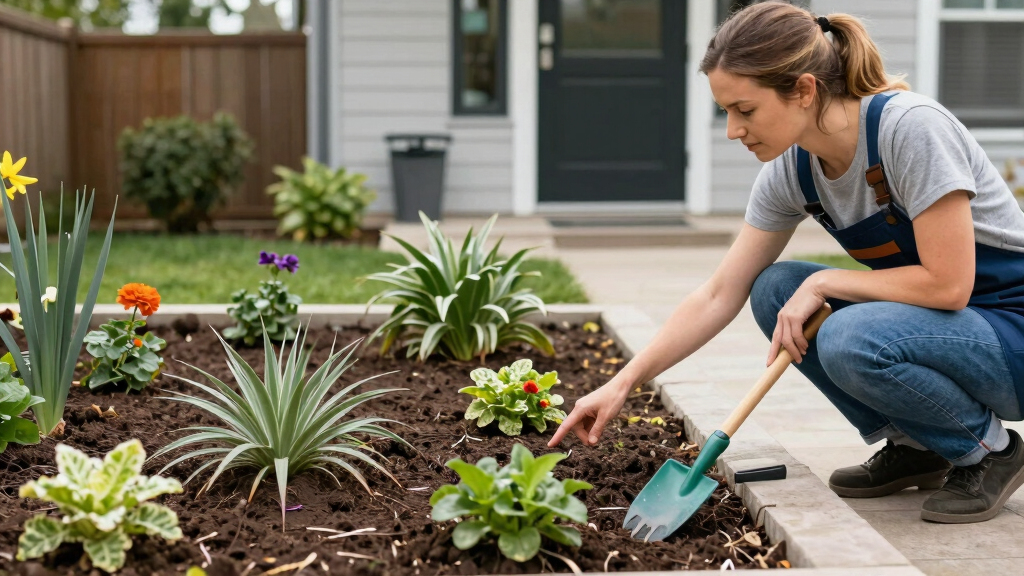
According to Los Angeles-area landscape designers, the most common mistake is neglecting regular yard maintenance, which can cause weeds to proliferate and plants to decline. Jenny Jones, senior landscape designer at Terremoto Landscape Architecture, emphasizes that a well-maintained garden requires consistent care, ideally by trained professionals if homeowners lack time or expertise.
Another frequent error is going too big with plant choices, often influenced by online inspiration. Jones advises homeowners to select plants suitable for their climate and environment, avoiding invasive or poisonous species like feather grass or fire sticks, which can harm local ecosystems or cause safety issues.
Heavy-handed pruning also ranks high among mistakes. Jones notes that improper trimming—such as shearing natives or over-trimming trees—can damage plants and diminish their natural beauty. She recommends thoughtful, gradual pruning to preserve plant health.
Additionally, many homeowners rely heavily on Pinterest images for design ideas, but experts warn that these are often divorced from the realities of local climate and space. Isabelle Dahlin from Dekor stresses the importance of choosing plants that match the specific environment and landscape conditions.
Planting for immediate impact rather than future growth is another common mistake. Dahlin advises giving newly planted landscapes at least six months to settle and grow before judging their success. Overly ambitious planting can lead to disappointment and unnecessary rework.
Finally, mixing too many colors and plant varieties without a cohesive plan can create visual chaos. Dahlin recommends limiting palettes to three main colors or themes and repeating plants across the landscape for continuity, a tip echoed by senior landscape architect Marc Delouvrier, who emphasizes the importance of repetition for a unified design.
Why Avoiding These Mistakes Improves Yard Longevity
Understanding and avoiding these common landscaping errors can save homeowners time and money, while also enhancing the long-term health, safety, and aesthetic appeal of their outdoor spaces. Proper maintenance, thoughtful plant selection, and cohesive design are essential for sustainable landscaping that withstands environmental challenges and remains visually appealing over time.
As an affiliate, we earn on qualifying purchases.
Common Landscaping Pitfalls and Their Roots
These mistakes reflect widespread misconceptions about landscaping, often driven by social media inspiration and a lack of local knowledge. Many homeowners underestimate the importance of ongoing maintenance and overestimate their ability to execute complex design ideas without professional guidance. Experts have observed these issues consistently across Los Angeles properties, highlighting the need for better education on sustainable and climate-appropriate landscaping practices.
“A well-maintained yard is just as important as a well-designed one. Neglect can undo years of planning and investment.”
— an anonymous researcher
As an affiliate, we earn on qualifying purchases.
Unclear Aspects of Homeowner Landscaping Practices
It is not yet clear how widespread awareness of these mistakes is among homeowners or how effective current educational efforts are in reducing these errors. Further research is needed to determine whether increased professional guidance or public education campaigns can significantly improve landscaping outcomes.
climate-appropriate landscape plants
As an affiliate, we earn on qualifying purchases.
As an affiliate, we earn on qualifying purchases.
Next Steps for Improving Landscaping Success
Experts suggest that homeowners seek professional advice before planting, prioritize regular maintenance, and educate themselves on climate-appropriate plant choices. Landscaping professionals may also increase outreach efforts to inform homeowners about best practices, reducing common mistakes over time.
garden design cohesive plant palette
As an affiliate, we earn on qualifying purchases.
As an affiliate, we earn on qualifying purchases.
Key Questions
How often should I prune my plants?
Pruning frequency depends on plant species, but generally, native plants and trees should be pruned annually or as needed to maintain health and shape. Consult a professional for specific guidance.
What are the best plants for a low-maintenance yard?
Native plants, drought-tolerant species, and those suited to your local climate typically require less care and water, making them ideal for low-maintenance landscaping.
How can I avoid overplanting in my garden?
Start with a clear plan, choose plants appropriate for your space, and consider future growth. Repeating plants and sticking to a cohesive color palette can help maintain balance.
Should I hire a professional landscaper for my yard?
Yes, especially if you’re unsure about plant choices, design, or maintenance. Professionals can help avoid common mistakes and create a sustainable, attractive landscape.
Source: Apartment Therapy