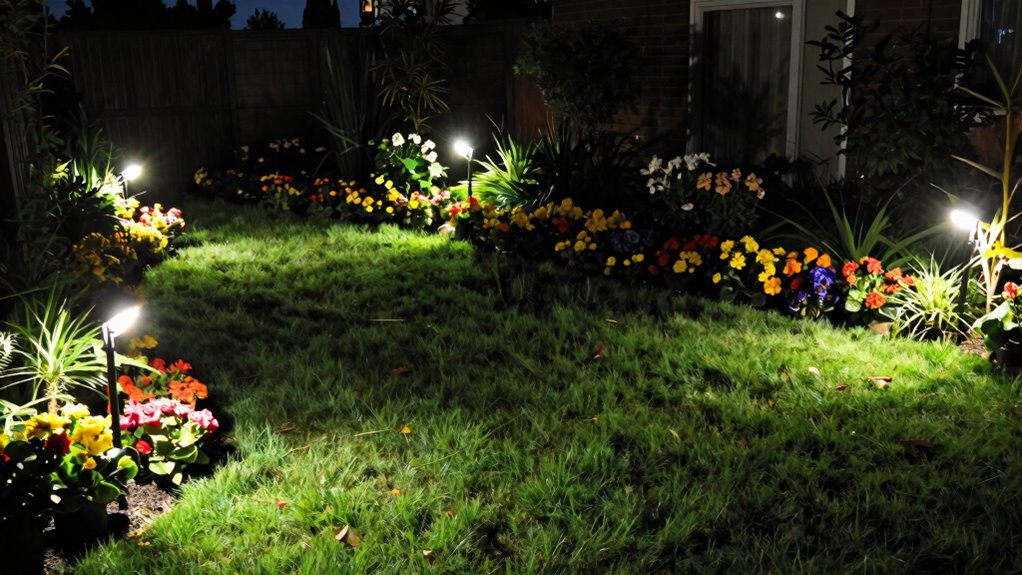
Poorly planned outdoor lighting can flatten your yard’s natural beauty by causing uneven illumination and harsh shadows. If you place fixtures randomly or use the wrong type, your landscape can become overexposed or too dark, masking its features. Overlighting or neglecting natural elements might make your yard feel cluttered or dull. To avoid these pitfalls, it’s essential to understand proper fixture placement, use appropriate lights, and incorporate balanced layers. Keep exploring to discover how to make your yard glow beautifully.

Get home appliances delivered free with Prime
- Fast, free delivery on millions of items
- Prime Video, Amazon Music and more included
- Member-only deals all year
Key Takeaways
- Poor fixture placement can cause uneven lighting, creating shadows and highlighting imperfections in the landscape.
- Using inappropriate or overly bright fixtures results in harsh shadows and diminishes natural beauty.
- Ignoring natural landscape features leads to missed opportunities for depth and visual interest.
- Excessive illumination overwhelms the space, making it look flat and unnatural.
- Lack of cohesive design and strategic planning flattens the yard’s visual appeal and reduces functionality.
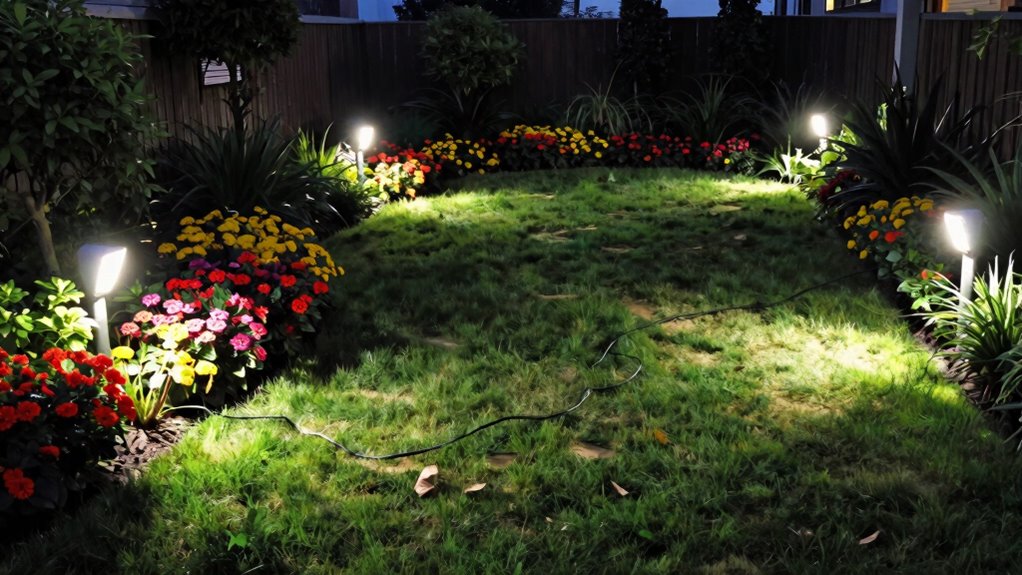
When it comes to outdoor lighting, mistakes can turn your beautiful landscape into a poorly lit mess. One common error is neglecting the importance of proper fixture placement, especially along your garden path. If you don’t plan where your lights go, you risk creating uneven illumination, leaving parts of your yard in shadow while others are overly bright. Proper fixture placement isn’t just about aesthetics; it’s about safety and functionality. You want your garden path to be clearly visible so you and your guests can walk confidently without tripping over uneven ground or unseen obstacles. Avoid placing fixtures too far apart or too close together, as this can result in inconsistent lighting and an unbalanced look. Instead, space your lights evenly and position them at strategic spots—like near steps, corners, or changes in terrain—to highlight the path naturally. Additionally, considering fixture placement strategies can help optimize your outdoor lighting for both beauty and safety. Paying attention to how these strategies interact with your landscape can make a significant difference in creating a cohesive and well-lit environment.
Proper fixture placement ensures safety, even lighting, and highlights your garden path naturally.
Another mistake is using the wrong type of fixture for your landscape. When lighting your garden path, choose fixtures designed for outdoor use, such as low-voltage pathway lights or stake-mounted luminaires. These are made to withstand weather conditions and provide focused, downward lighting that illuminates the ground without causing glare. Using bright floodlights or overly powerful fixtures can ruin the ambiance and create harsh shadows, making your yard feel less inviting. It’s also tempting to install too many lights, which can lead to a cluttered look and unnecessary energy consumption. Focus on key areas that need highlighting, and use dimmer or softer lighting options to maintain a cozy atmosphere. Selecting the right fixtures not only enhances the aesthetic but also extends their longevity by resisting outdoor elements and reducing maintenance needs.
A frequently overlooked mistake is ignoring the natural landscape and existing features when planning your outdoor lighting. If you don’t consider how fixtures interact with trees, shrubs, or garden beds, you might end up with uneven light distribution or unwanted shadows. When positioning fixtures, think about how the light will fall on your garden path and surrounding elements. Proper fixture placement involves not just where to put the lights, but also how they work together to create a harmonious glow that emphasizes your yard’s best features. Incorporating natural landscape elements into your lighting design can add depth and texture, making your yard look more dynamic and inviting.
Finally, avoid the trap of over-illumination. Bright, overly intense lighting can detract from the natural beauty of your landscape and make your yard look unnatural. Instead, aim for a layered lighting scheme that combines ambient, task, and accent lighting. This approach creates depth and visual interest, making your outdoor space more inviting and safe without overwhelming the senses. Paying attention to fixture placement and choosing the right lights will ensure your yard looks stunning, functional, and well-lit every evening. Thoughtful lighting not only highlights your landscape’s features but also helps conserve energy and prolongs the lifespan of your fixtures.
Products Worth Considering

Philips Hue Festavia Globe Outdoor String Lights, 32 Bulbs, 91 ft

Philips Hue Festavia 130-Foot Indoor/Outdoor Smart String Lights, 500 LEDs

Ring Battery Doorbell Plus (2nd Gen) with Chime Plus, Nickel Silver and White
As an affiliate, we earn on qualifying purchases.
Frequently Asked Questions
How Can I Prevent Glare From Outdoor Lighting?
To prevent glare from outdoor lighting, focus on proper light placement. Position fixtures so they shine downward or shield the bulbs to minimize direct view. Use glare reduction techniques like diffusers or softer bulbs, and aim lights at specific features rather than flooding entire areas. Regularly adjust and maintain the fixtures to guarantee they’re not causing unwanted glare, creating a comfortable, inviting ambiance without harsh brightness.
What’s the Best Energy-Efficient Outdoor Lighting Option?
Switch to smart, sustainable solar options or LED advantages for energy-efficient outdoor lighting. Solar alternatives harness sunlight, saving energy and reducing costs, while LED lights provide long-lasting, low-wattage brilliance. Both options shine brightly without draining your energy bill. By choosing these eco-friendly, economical choices, you’ll illuminate your yard beautifully and sustainably, ensuring your outdoor space stays stunning without sacrificing energy efficiency or style.
How Do I Choose the Right Brightness for Outdoor Lights?
To choose the right brightness for outdoor lights, consider fixture placement and light color. Place fixtures strategically to highlight key features without over-illuminating, which can flatten your yard’s appearance. Opt for warm light colors to create a cozy, inviting atmosphere, and use dimmer settings for softer illumination. Test different brightness levels during evening hours to make certain your yard looks balanced, welcoming, and safe without overpowering the landscape’s natural beauty.
When Is the Best Time to Install Outdoor Lighting?
You should install outdoor lighting in early spring or late summer when the weather’s mild. Studies show that proper timing boosts installation success and minimizes disruptions. Timing considerations include avoiding harsh weather and seasonal adjustments for ideal results. Installing at the right time ensures your lights shine their brightest and last longer, so plan ahead. This way, you enjoy a beautifully lit yard without the hassle of weather-related setbacks.
How Can I Maintain Outdoor Lighting Fixtures?
You can maintain your outdoor lighting fixtures by regularly cleaning them with a damp cloth to remove dirt and debris, which keeps your garden design looking fresh. Check for any corrosion or damage, and replace bulbs as needed to guarantee consistent illumination. Also, inspect wiring and connections for safety. Proper maintenance not only enhances the visual appeal but also prolongs the lifespan of your lighting fixtures, keeping your yard beautifully lit.
Conclusion
Avoiding these outdoor-lighting mistakes transforms your yard from a mere shadow of its potential into a true masterpiece. Think of it as a delicate dance—each light placement and choice must be intentional, much like a master painter with their brush. Don’t let poor lighting be the Trojan horse that undermines your efforts. Instead, craft a landscape that invites enchantment and safety, turning your outdoor space into a timeless oasis that’s as inviting as a cozy corner in a bustling tavern.