To make your outdoor space feel more private, you should combine natural barriers like tall plants, shrubs, or hedges with structural elements such as fences, privacy screens, or trellises. Enhance this setup with thoughtful lighting—string lights or lanterns create a cozy, enclosed atmosphere and caution against prying eyes. When you understand how these features work together, you’ll be able to design a secluded oasis tailored to your style and needs.

Get home appliances delivered free with Prime
- Fast, free delivery on millions of items
- Prime Video, Amazon Music and more included
- Member-only deals all year
Key Takeaways
- Tall plants, shrubs, or hedges act as natural barriers to block unwanted views.
- Privacy screens or trellises with climbing plants create physical enclosures and lush privacy.
- Soft outdoor lighting enhances intimacy and deters prying eyes during evening hours.
- Outdoor curtains or fabric screens provide quick, flexible privacy solutions.
- Incorporating native plants attracts wildlife, adding a dynamic, natural sense of seclusion.

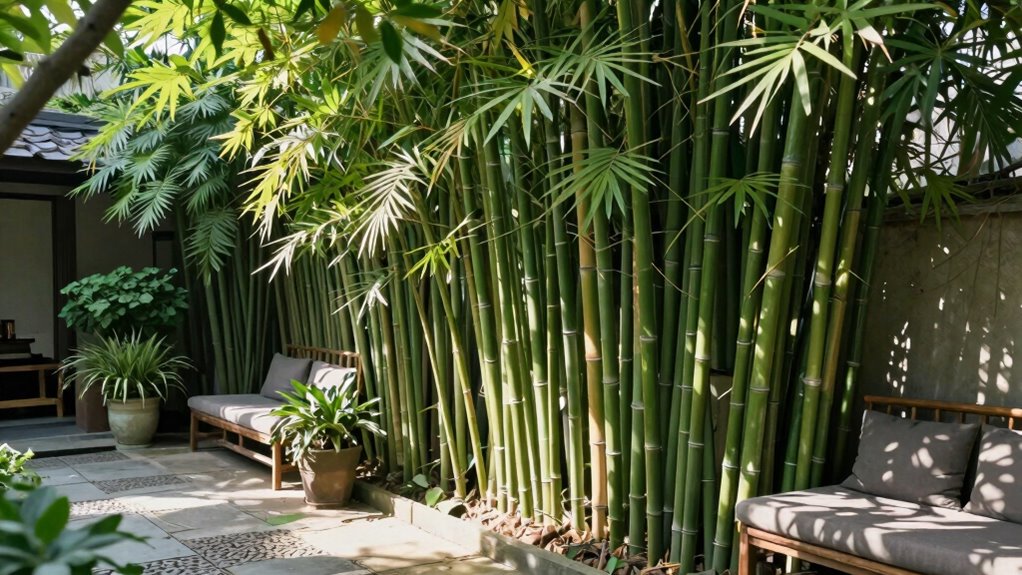
Creating a private outdoor living space can transform your backyard into a relaxing oasis where you can unwind without feeling exposed. One of the most effective ways to achieve this sense of seclusion is by paying attention to the details that influence how your space feels. The right elements can make your outdoor area feel cozy and inviting, rather than open and exposed. A key factor is enhancing your garden aesthetics with strategic privacy features that blend seamlessly into the landscape. Think about adding tall plants, shrubs, or hedges that act as natural barriers, softening the boundaries and blocking unwanted views. These elements not only create visual privacy but also add to the overall beauty of your space, making it more inviting and harmonious.
Lighting solutions play a vital role in establishing intimacy and ambiance during evening hours. Soft, warm lighting can make your outdoor area feel more enclosed and comforting. String lights, lanterns, or solar-powered pathway lights help define the space without overwhelming it. When used thoughtfully, lighting can draw attention to certain areas while obscuring others, subtly shielding your private retreat from the outside world. Consider installing dimmable fixtures or layered lighting to control how much light is cast and where, giving you the flexibility to create a cozy atmosphere at any time. Proper lighting also deters nosy neighbors from peering inside, as the glow from your outdoor space suggests activity and occupancy, discouraging prying eyes. Incorporating biodiversity into your garden with native plants can further enhance privacy by attracting local wildlife that naturally keeps the area lively and private.
Beyond plants and lighting, structural elements like fences, privacy screens, or trellises add a sense of enclosure that enhances privacy. These features can be designed to complement your garden aesthetics, whether you prefer a modern look or a more rustic charm. Vines or climbing plants on trellises not only increase privacy but also add greenery and texture, making your outdoor area feel lush and secluded. You can also incorporate outdoor curtains or fabric screens that can be drawn when needed, providing instant privacy while adding a touch of elegance.
Ultimately, the secret to creating a private outdoor living space lies in combining these elements thoughtfully. When your garden aesthetics are carefully curated, and your lighting solutions are designed to set the right mood, your backyard becomes a sanctuary. You’ll enjoy peaceful moments alone or shared with loved ones, knowing your space is truly your own. Small details matter—each thoughtfully chosen element contributes to a sense of privacy that transforms your outdoor area into a personal retreat you’ll want to spend time in.
Products Worth Considering

Philips Hue Festavia Globe Outdoor String Lights, 32 Bulbs, 91 ft

Philips Hue Large Smart Light Tube, Black – White and Color Ambiance LED Color-Changing Light – 1 Pack

Philips Hue Bridge Pro Smart Lighting Hub
As an affiliate, we earn on qualifying purchases.
Frequently Asked Questions
Can Plants Alone Provide Sufficient Privacy in Outdoor Living Spaces?
Plants alone can provide good privacy if you focus on plant density and creating natural barriers. Thick, densely planted shrubs or tall grasses act as screens, blocking sightlines and creating a cozy, secluded atmosphere. Combine different heights and textures for a layered effect that enhances privacy and adds visual interest. While plants are effective, consider blending them with fences or screens for even more privacy in your outdoor living space.
How Do Privacy Solutions Vary for Small Versus Large Outdoor Areas?
Think of your outdoor space as a canvas—you need different brushes for small versus large areas. For small spaces, a taller fence with durable material adds privacy without overwhelming. In larger yards, consider layered solutions like tall fences, hedges, or screens to create intimate zones. Always prioritize fence height and material durability; taller fences and weather-resistant materials guarantee your privacy, no matter the size of your outdoor haven.
Are There Eco-Friendly Options for Creating Outdoor Privacy?
Yes, you can choose eco-friendly options like solar-powered privacy screens that harness sunlight to operate, reducing energy use. Recycled fencing made from repurposed materials offers a sustainable way to add privacy without harming the environment. These solutions not only help protect your outdoor space but also promote eco-conscious living, allowing you to enjoy privacy while reducing your carbon footprint.
What Are the Cost Differences Among Various Privacy Enhancement Methods?
You’ll find that privacy screens, fences, and plant barriers vary in cost mainly due to material durability and installation expenses. For example, wood fences are affordable but require regular maintenance, increasing long-term costs. Vinyl or composite fences have higher upfront costs but are more durable, reducing upkeep. Plant barriers are often cheaper initially but need time to grow, making their cost-effectiveness depend on your patience and space.
How Long Do Outdoor Privacy Screens Typically Last Outdoors?
Outdoor privacy screens typically last between 3 to 10 years, depending on material durability and maintenance requirements. For example, metal or vinyl screens tend to be more durable and weather-resistant, lasting longer with minimal upkeep. Wooden screens may need regular sealing or staining to prevent rot and damage, which can extend their lifespan. Proper maintenance, like cleaning and protecting against weather, helps maximize the longevity of your outdoor privacy screen.
Conclusion
Creating privacy in your outdoor space not only enhances your comfort but also boosts your home’s value. Did you know that 82% of homeowners say a private outdoor area increases their overall satisfaction with their property? By adding strategic plants, screens, or fences, you can enjoy your outdoor retreat without feeling exposed. So, take these tips to heart and transform your space into a secluded sanctuary where you can relax and unwind whenever you need it.