To stay safe with your patio heater, keep a minimum clearance of 3 to 4 feet from walls, furniture, and combustibles, as recommended by manufacturers and safety standards. Proper spacing prevents overheating, fire hazards, and accidents. Make sure to regularly check the placement, keep flammable items away, and maintain good airflow around the heater. Ensuring these safety rules are followed helps you enjoy warmth without scary risks—if you want to know more, keep exploring how to create a secure outdoor space.

Get home appliances delivered free with Prime
- Fast, free delivery on millions of items
- Prime Video, Amazon Music and more included
- Member-only deals all year
Key Takeaways
- Maintain a 3-4 feet clearance around the patio heater to prevent fire hazards and ensure proper airflow.
- Keep flammable objects like paper, fabric, and furniture at least 3-5 feet away from the heater.
- Ensure the heater is placed on a stable, level surface and at the correct height to avoid overheating and tipping.
- Regularly inspect the heater for damage, leaks, or obstructions, and turn off immediately if unsafe conditions are detected.
- Follow manufacturer guidelines and local safety codes to reduce the risk of accidents and ensure safe outdoor heating.
How to Measure and Set Safe Clearance for Your Patio Heater
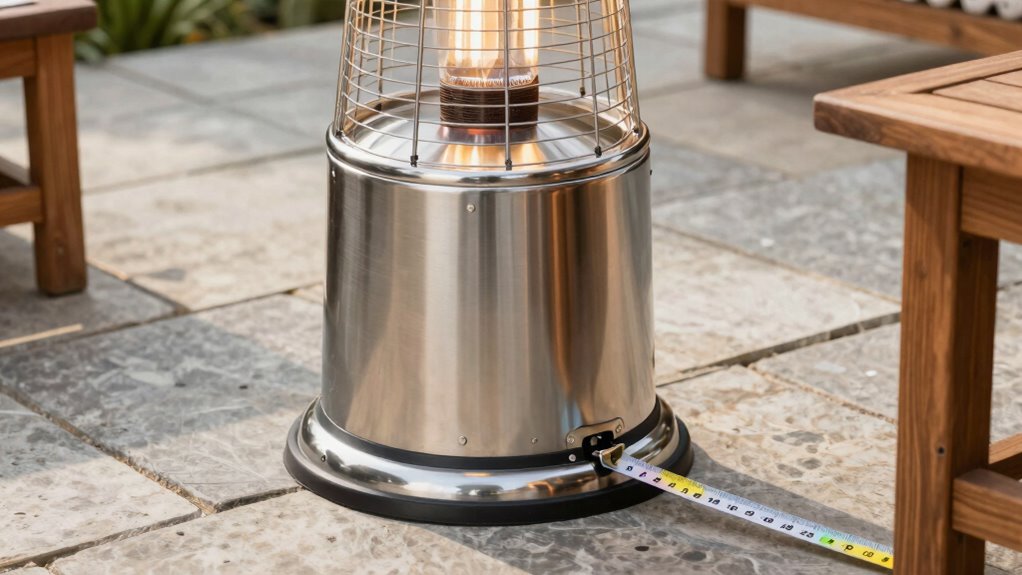
To guarantee your patio heater operates safely, it’s vital to measure and set the correct clearance around it. Ensuring proper distance helps prevent fire hazards and enhances fuel safety. Start by checking the manufacturer’s guidelines for clearance, typically 3 to 4 feet from walls or combustible materials. Use a tape measure to verify these distances before operation. Regular maintenance tips include inspecting for rust, leaks, or damaged parts that could compromise safety. Keeping the area clear of debris and combustible items also reduces risk. Remember, maintaining proper clearance not only prevents accidents but also promotes efficient heating. Additionally, understanding safety regulations can help ensure your setup complies with local codes and standards. It’s also helpful to familiarize yourself with fire safety tips to further minimize hazards around your patio heater. Always double-check your measurements and follow safety recommendations to keep your environment safe and your patio heater functioning efficiently. Maintaining proper clearance is essential for both safety and optimal performance. Regularly reviewing clearance requirements ensures ongoing safety compliance. Keeping these safety guidelines up-to-date can further improve your outdoor safety practices.
Why Proper Clearance Is Critical for Patio Heater Safety
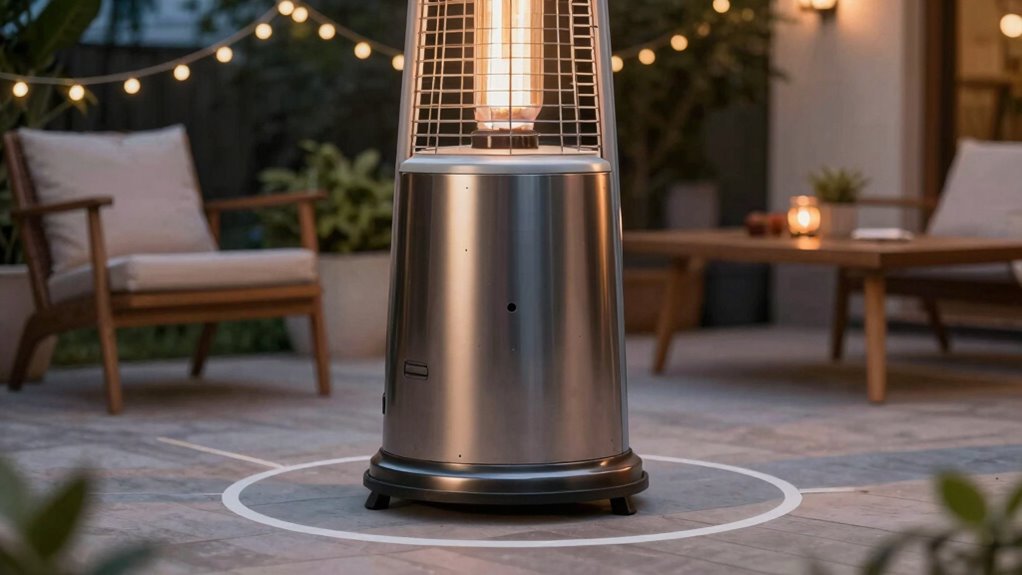
Maintaining proper clearance around your patio heater is essential because it directly impacts safety and performance. Adequate space heating depends on proper airflow, which prevents overheating and reduces fire risks. Safety regulations specify minimum clearance distances to keep combustible materials away from heat sources, minimizing the chance of accidental fires. When you keep the correct distance, your heater operates efficiently, providing consistent warmth without hazards. Ignoring clearance guidelines can lead to dangerous situations, like sparks or heat damage to nearby objects. By following these rules, you ensure your patio heater functions safely and effectively, giving you peace of mind during outdoor gatherings. Proper clearance isn’t just a suggestion; it’s a crucial safety measure that protects everyone around your heater. Additionally, regular foam rolling routines can help improve your overall recovery and reduce stress on your muscles, supporting a safer outdoor environment. Proper clearance also helps maintain optimal heater performance, preventing unnecessary wear and tear. Ensuring proper ventilation around your heater further enhances safety by allowing heat to dissipate effectively and reducing the risk of heat buildup. Furthermore, understanding fire safety regulations can help you stay compliant and prevent potential accidents.
Items and Materials to Keep Away From Your Patio Heater

You should always keep flammable materials away from your patio heater to prevent fires. Avoid placing combustible furniture or decorations near the heater’s flame or hot surfaces. Staying mindful of these items helps guarantee a safe and enjoyable outdoor space. Additionally, being aware of fire safety measures can further reduce the risk of accidents. For example, understanding the importance of proper heater placement can help prevent unintended fires or injuries. Using appropriate equipment maintenance routines, such as regularly checking for leaks or damage, further enhances safety. Regularly inspecting your heater’s exfoliation and cleaning ensures it functions safely and efficiently. Incorporating natural landscaping elements can also serve as a buffer zone, reducing the chance of accidental contact with hot surfaces.
Flammable Materials Nearby
Have you considered how easily flammable materials can ignite if placed too close to your patio heater? Items like fire resistant fabrics or containers with non flammable liquids might seem safe, but proximity can be risky. Keep these materials well away to prevent a dangerous fire. Imagine a spark reaching fabric or liquid, causing rapid flames. Use this table to identify hazards:
| Material Type | Risk Level | Safe Distance |
|---|---|---|
| Fire resistant fabrics | Moderate | At least 3 feet away |
| Non flammable liquids | High | Minimum 5 feet apart |
| Paper and cardboard | Very high | Keep outside the heater zone |
| Plastic containers | Moderate | 4 feet or more |
Additionally, maintaining a safe environment always involves ensuring your patio heater is placed on a stable, level surface and regularly inspected for any signs of damage or wear to prevent malfunctions that could lead to accidents. Remember, regular inspections are key to ensuring safety and preventing potential hazards.
Combustible Furniture and Decor
Since combustible furniture and decor can easily catch fire, it’s essential to keep these items well away from your patio heater. Avoid placing furniture made from flammable materials like untreated wood or fabric that isn’t fire resistant. Opt for fire resistant fabrics on cushions and umbrellas to reduce fire risk. Use non combustible decor, such as metal or stone accents, to add style without safety concerns. Keep throw pillows, tablecloths, and decorative items made of paper, plastic, or other flammable materials at a safe distance. Remember, even decorative elements like lanterns or curtains should be carefully positioned to prevent accidental ignition. Maintaining a clear zone around your patio heater helps prevent dangerous fires and keeps your outdoor space safe and enjoyable. Proper gear care and regular safety checks further enhance outdoor safety. Additionally, understanding fire-resistant materials can help you choose safer decor options for your space, such as fireproof fabrics and treated woods. Being aware of fire safety tips can also guide you in creating a safer outdoor environment. Incorporating fire-resistant landscaping techniques can further reduce the risk of fire spreading near your patio area.
Signs Your Patio Heater Is Placed Unsafe and Needs Adjustment
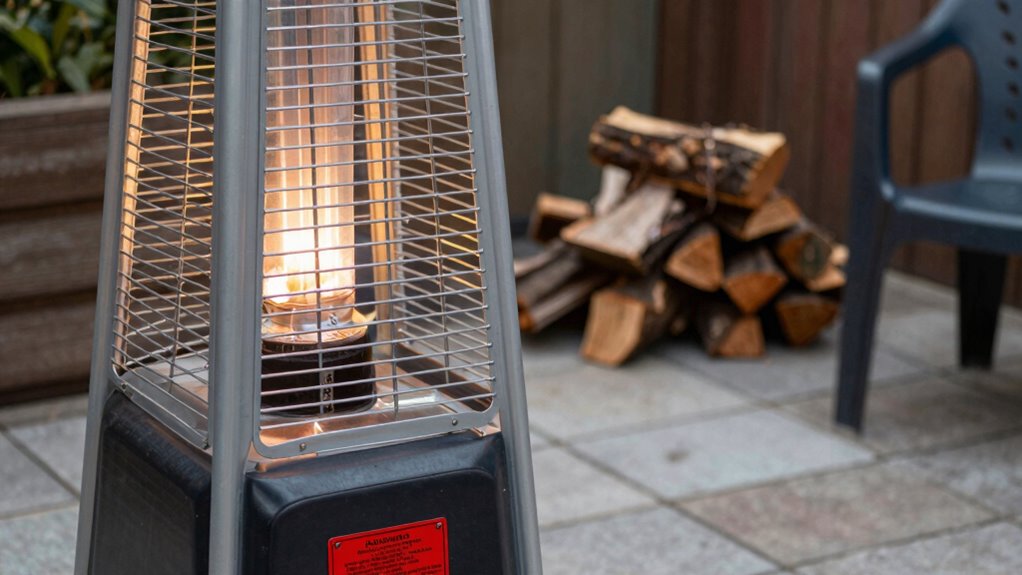
If you notice items too close to your patio heater, it’s a clear sign it’s not placed safely. Also, check if the heater is at the right height—too high or low can be hazardous. Address these issues immediately to prevent accidents and keep your outdoor space safe. Ensuring proper smartphone accessory placement can also help maintain safety around your patio heater.
Items Near Heater
Are there objects too close to your patio heater? If so, you might be creating fire hazards that threaten safety. Items like furniture, cushions, or decorations within the heater’s safety zones can easily catch fire if they become too hot or if sparks escape. Check around your heater for anything that’s too close and move or remove it immediately. Maintaining clear space ensures proper airflow and reduces the risk of accidents. It’s essential to keep combustible items well away from the heater’s operational area. When objects encroach on the designated safety zones, the chance of fire hazards increases, making your outdoor space unsafe. Always stay vigilant and keep the area around your patio heater free of clutter.
Improper Height Placement
An improperly placed patio heater can pose serious safety risks, especially if it’s too high or too low. When the heater is too high, it increases the fire hazard by placing the heat source closer to combustible materials or overhead structures. Conversely, if it’s too low, it can cause uneven heating and ventilation issues, trapping heat and potentially leading to dangerous fumes. Proper height placement guarantees safe operation and ideal airflow. If you notice the heater is tilted or positioned too close to furniture, walls, or ceilings, it’s time to readjust. Maintaining the correct height minimizes fire risks and allows proper ventilation, preventing dangerous buildup of heat or fumes. Regularly check your heater’s placement to keep your outdoor space safe.
Practical Tips for Creating a Safe Outdoor Space With Patio Heaters
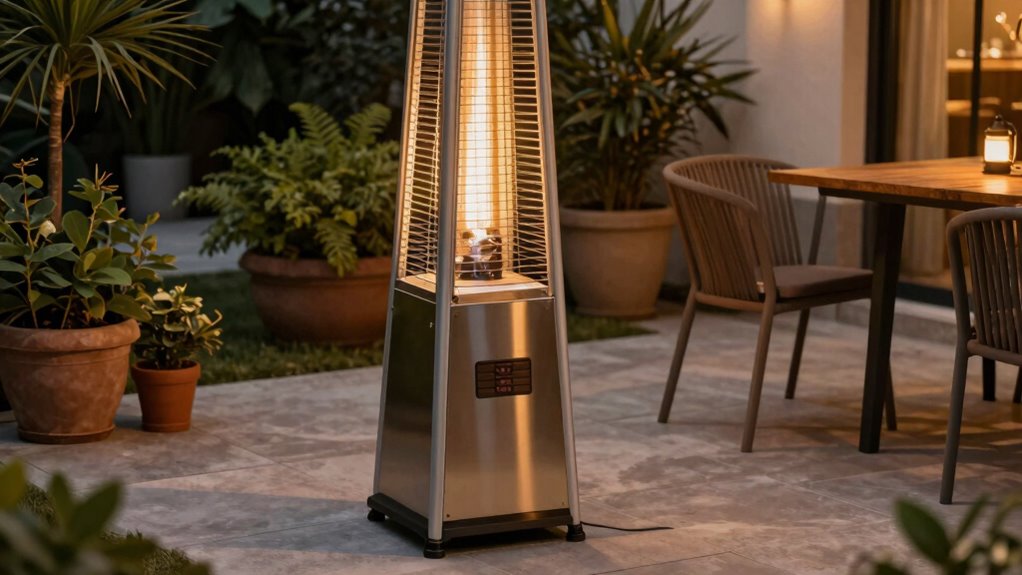
Creating a safe outdoor space with patio heaters starts with careful placement and regular maintenance. Position your heater away from flammable objects like furniture, umbrellas, and overhanging branches to reduce fire safety risks. Keep the heater on a stable, level surface to prevent tipping. Use protective screens if available to contain sparks or heat. Regularly check for signs of wear, leaks, or damage, and clean the heater to prevent buildup of debris. Always follow manufacturer instructions for outdoor heating equipment. Adequate clearance around the heater is essential to prevent accidents. By paying attention to placement, maintenance, and clearances, you create a safer environment where you can enjoy outdoor heating without worry. Safety starts with vigilance and proper setup.
What to Do If an Accident Happens Because of Insufficient Clearance
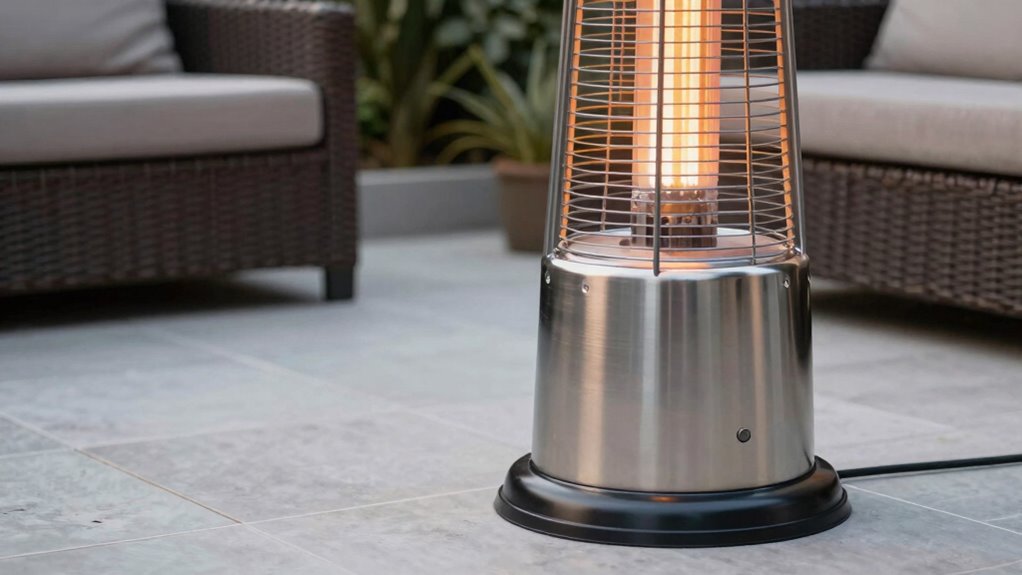
If an accident occurs due to insufficient clearance around your patio heater, acting quickly and calmly can prevent further damage or injury. First, turn off the heater if possible, and move yourself and others to a safe distance. Use a fire extinguisher placed nearby to suppress any flames; ensure it’s accessible and suitable for the type of fire. After controlling the situation, call emergency contact information to alert authorities or medical assistance if needed. Do not attempt to move a large or dangerous fire yourself. Once the immediate danger is gone, assess the damage carefully and avoid reusing the heater until it’s inspected and repaired. Remember, having a fire extinguisher within reach and knowing emergency contact information can make all the difference during a crisis.
Frequently Asked Questions
Can I Use My Patio Heater Indoors Safely?
You shouldn’t use your patio heater indoors because it’s unsafe and can cause carbon monoxide buildup, which is dangerous. Indoor heating with patio heaters isn’t designed for enclosed spaces, and doing so risks fire safety hazards. Always use heaters as intended—outdoors—and guarantee proper clearance and ventilation. If you want indoor heating, opt for models specifically made for indoor use to keep your space warm and safe.
What Are the Common Causes of Patio Heater Fires?
You should know that most patio heater fires stem from poor fire prevention and neglected heater maintenance. About 70% of these incidents happen due to combustible materials placed too close or faulty parts. To avoid this, regularly clean your heater and check for leaks or damage. Always follow safety guidelines, keep combustibles away, and guarantee proper clearance. Proper maintenance and fire prevention are key to enjoying your patio safely.
How Often Should I Inspect My Patio Heater for Safety?
You should inspect your patio heater for safety at least once a month to make certain it’s functioning properly. Regular heater maintenance involves checking for leaks, rust, and loose connections, and making sure the safety features work correctly. Conduct safety inspections before each use, especially if it hasn’t been used for a while. Staying proactive helps prevent accidents, keeps your heater operating safely, and extends its lifespan.
Are There Specific Clearance Rules for Different Heater Types?
Imagine a homeowner placing a propane patio heater too close to a wooden deck—disaster averted by following clearance guidelines. Different heater types, like electric, propane, or infrared, have specific clearance rules to ensure safety. For example, propane heaters often need a 3-foot clearance from combustible materials, while electric heaters require less. Always check the manufacturer’s heater placement and clearance guidelines to prevent accidents and keep your space safe.
What Safety Gear Should I Use When Operating a Patio Heater?
When operating a patio heater, you should wear protective gloves to prevent burns and safety glasses to shield your eyes from sparks or intense heat. Always handle the heater carefully, following the manufacturer’s instructions. Keep a safe distance, and make certain no loose clothing or flammable materials are nearby. Wearing proper safety gear helps prevent accidents and keeps you safe while enjoying your outdoor space.
Conclusion
By following the clearance rules, you can prevent dangerous accidents and enjoy your outdoor space safely. Imagine a summer evening when a misplaced patio heater sparks a fire because it was too close to a wooden deck. Keeping proper clearance isn’t just about rules—it’s about protecting your home and loved ones. Stay vigilant, set your heater correctly, and create a cozy, safe outdoor environment you can truly enjoy all season long.
Halloween Picks
halloween
As an affiliate, we earn on qualifying purchases.