
TL;DR
Listen free for 30 days with Audible
Thousands of audiobooks and originals — cancel anytime.
Start your free trialAs an affiliate, we earn on qualifying purchases.
Local authorities are enforcing pet waste laws more strictly, emphasizing both written regulations and unwritten neighbor etiquette. This development highlights the importance of responsible pet ownership and community harmony.
Municipalities across the country are increasing enforcement of pet waste laws, with authorities issuing citations for violations and reminding residents of both legal obligations and community etiquette. This shift underscores the importance of responsible pet ownership to maintain neighborhood harmony and comply with local regulations.
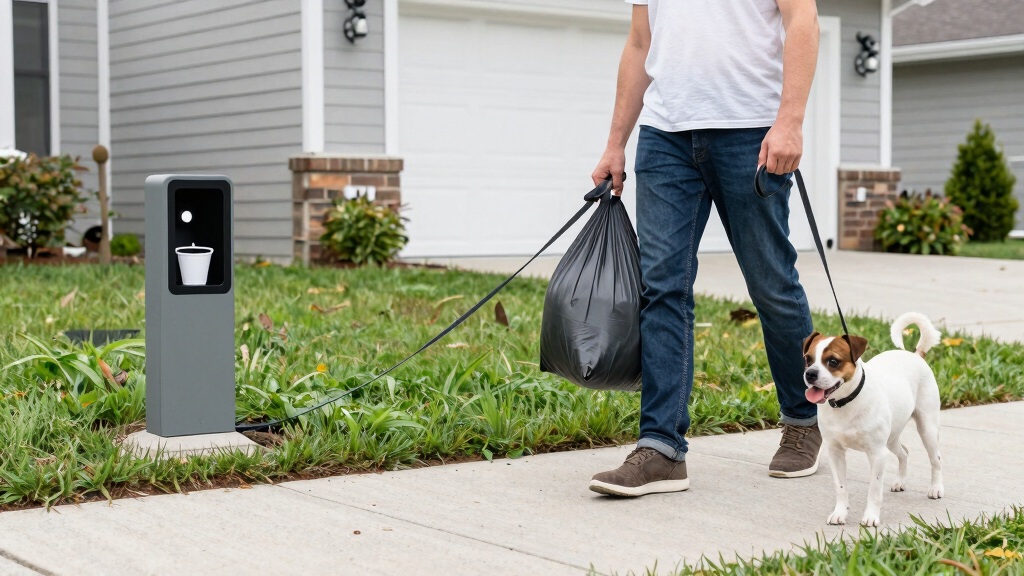
Several cities have reported a rise in pet waste violations, prompting local authorities to ramp up inspections and citations. These laws typically require pet owners to pick up and properly dispose of waste, with fines imposed for non-compliance. Experts note that many violations stem from a lack of awareness or neglect of unwritten community norms, such as respectful yard maintenance and neighbor courtesy. Pet owners are encouraged to familiarize themselves with both written ordinances and the social expectations that promote good neighbor relations. Enforcement agencies emphasize that education, alongside citations, is key to improving compliance.Legal requirements vary by jurisdiction but generally include mandatory cleanup and disposal of pet waste in public and private spaces. Some cities have specific fines, ranging from $50 to $200, for violations. Many communities also promote pet waste stations in parks and public areas, aiming to make compliance easier. Local pet advocacy groups are offering resources to educate owners about their responsibilities, emphasizing that responsible pet waste management benefits everyone.
This increased enforcement highlights the importance of responsible pet ownership for community health and harmony. Proper pet waste management prevents environmental pollution, reduces health risks, and fosters respectful neighbor relations. Failure to comply can lead to fines, community disputes, and potential legal action, making awareness and adherence critical for pet owners. The development also signals a broader trend toward stricter local regulations and community standards, which could influence future legislation and neighborhood policies.
As an affiliate, we earn on qualifying purchases.
Growing Focus on Pet Waste Regulations and Community Norms
Over the past decade, many municipalities have updated or introduced pet waste laws to address environmental concerns and public health. These laws typically mandate cleanup in parks, sidewalks, and private yards. Recent enforcement actions, including citations issued in several cities, reflect a renewed emphasis on compliance. Community groups and local governments are increasingly promoting education campaigns to inform pet owners about their legal and social responsibilities. Historically, pet waste issues have caused disputes between neighbors, prompting the need for clearer regulations and better community standards. This trend aligns with broader efforts to improve neighborhood quality of life and environmental stewardship.“We’re seeing more citations because residents are not always aware of their responsibilities. Education is our first step, but enforcement remains important.”
— Jane Smith, local animal control officer
dog waste bag dispenser and refills
As an affiliate, we earn on qualifying purchases.
As an affiliate, we earn on qualifying purchases.
Unclear Aspects of Future Enforcement and Community Standards
It is not yet clear how widespread future enforcement will be or whether new legislation will be introduced to further regulate pet waste management. The long-term impact of recent citations on community relations and pet owner compliance remains to be seen. Additionally, there is limited data on whether educational programs effectively reduce violations over time.As an affiliate, we earn on qualifying purchases.
Next Steps in Pet Waste Regulation and Community Education
Municipalities are expected to continue increasing enforcement efforts, with some planning to implement more pet waste stations and public awareness campaigns. Local governments may also review and update ordinances to clarify responsibilities and penalties. Pet advocacy groups will likely expand educational resources, emphasizing responsible ownership. Monitoring compliance rates and community feedback will guide future policy adjustments. Legal challenges or disputes over enforcement may also influence ongoing developments.As an affiliate, we earn on qualifying purchases.
Key Questions
What are the typical legal requirements for pet waste cleanup?
Most jurisdictions require pet owners to immediately pick up and properly dispose of pet waste in designated trash or waste stations, with fines imposed for violations.
Are there penalties for not cleaning up after my pet?
Yes, penalties vary but often include fines ranging from $50 to $200, and repeated violations can lead to more severe legal consequences.
What community norms should I follow regarding pet waste?
Beyond legal requirements, it is considered good etiquette to clean up after your pet, respect neighbors’ yards, and use designated disposal areas in parks and public spaces.
How effective are educational programs in reducing violations?
While data is limited, many experts believe that education combined with enforcement improves compliance and community relations over time.
What should I do if I see a neighbor not cleaning up after their pet?
Address the issue politely if comfortable, or report the violation to local authorities for enforcement action, especially if repeated or severe.
Source: rss
Fall Picks
fall essentials
As an affiliate, we earn on qualifying purchases.