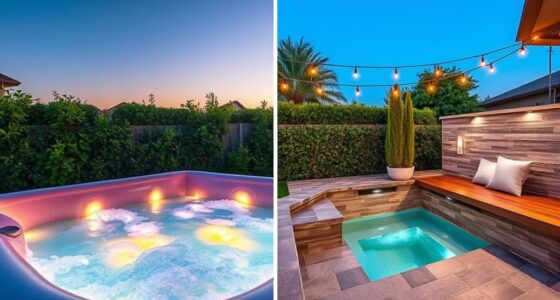
Balancing landscaping and hardscaping in your yard creates a beautiful, functional outdoor space that reflects your style. Soft elements like plants, flowers, and lawns bring color and vibrancy, while hard features such as patios and pathways add structure and durability. Combining both thoughtfully guarantees your yard is inviting and practical. Incorporating lighting and decor enhances nighttime appeal and usability. To discover how these components work together for a stunning landscape, explore the key strategies below.
Key Takeaways
- Combining soft and hard elements creates a balanced, visually appealing outdoor space that reflects your lifestyle and aesthetic preferences.
- Soft landscaping adds color, texture, and natural feel, while hardscaping provides structure, durability, and functional features.
- Integrate lighting and decor to enhance both aesthetics and safety, ensuring usability during day and night.
- Regular maintenance of soft elements ensures lushness, while hardscaping features require minimal upkeep for longevity.
- Achieving harmony between plantings and hard structures results in an inviting, functional yard that feels cohesive and personalized.
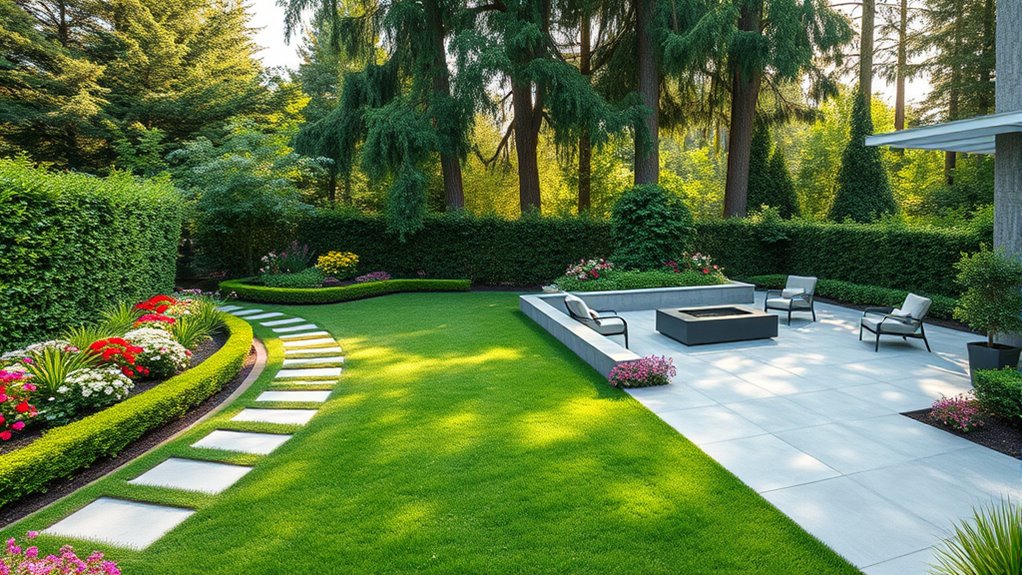
Are you trying to decide between landscaping and hardscaping for your outdoor space? Understanding the differences and how they complement each other is essential for creating a balanced yard. Landscaping focuses on planting, garden design, and soft elements like grass, shrubs, flowers, and trees. It’s about making your outdoor area vibrant, inviting, and full of life. Hardscaping, on the other hand, involves the non-living components such as patios, walkways, retaining walls, and decorative stonework. Both elements serve a purpose, but combining them thoughtfully leads to a more functional and attractive space.
Balancing landscaping and hardscaping creates a vibrant, functional outdoor space.
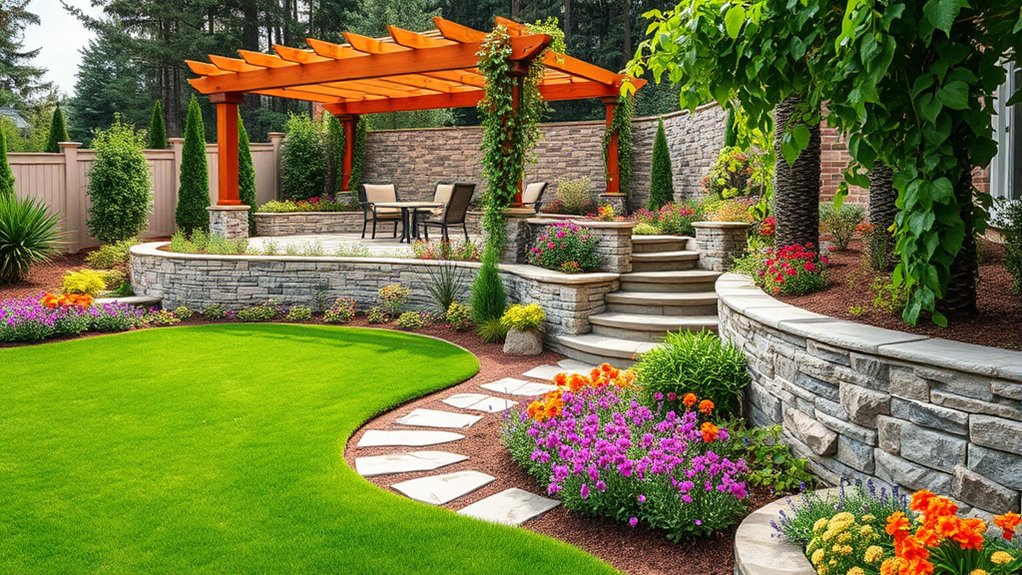
When considering garden design, think about how soft and hard elements will work together. Soft landscaping provides color, texture, and a natural feel, while hardscaping offers structure, definition, and durability. For example, a lush flower bed can be framed by a stone pathway or a brick border, tying the entire design together seamlessly. You should also plan for outdoor lighting, which enhances both aesthetics and safety. Proper lighting highlights your garden’s features after sunset, making pathways safer to navigate and creating a cozy ambiance that invites you to spend evenings outside.
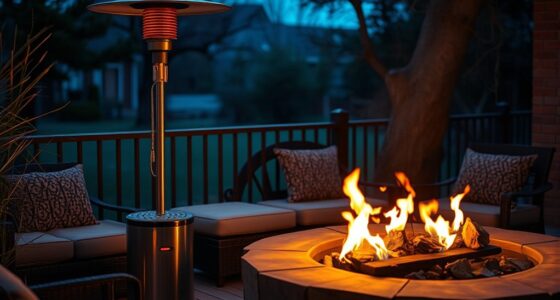
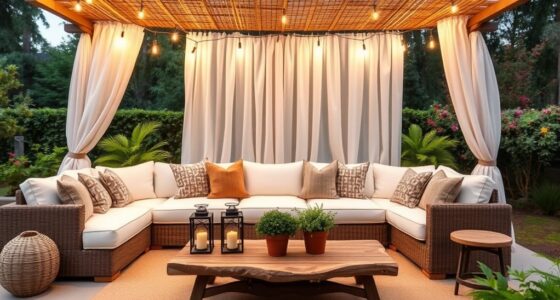
Incorporating outdoor lighting into your garden design can dramatically alter the mood and usability of your yard. Spotlights can accentuate trees or architectural features, while string lights or lanterns add warmth and charm. When blending hardscaping with lighting, think about strategic placement—placing lights along pathways, near seating areas, or around focal points ensures that your outdoor space remains functional and visually appealing well into the night. Additionally, selecting rustic decor and natural materials can enhance the authentic farmhouse feel and seamlessly blend hardscaping with soft landscaping elements.
Balancing landscaping and hardscaping also involves considering maintenance and longevity. Soft elements may require regular watering, pruning, and fertilizing, whereas hardscaping tends to be more durable with minimal upkeep. By combining these elements wisely, you create a space that’s both beautiful and practical. For instance, a lush lawn can be complemented by a sturdy patio for entertaining, with garden beds providing color and privacy. Properly integrated outdoor lighting enhances this balance, allowing you to enjoy your yard comfortably day and night.
Ultimately, your goal is to craft an outdoor environment that reflects your lifestyle and aesthetic preferences. By thoughtfully blending garden design, hardscaping features, and outdoor lighting, you’ll achieve a harmonious yard that’s inviting, functional, and visually striking. Whether you lean more toward lush gardens or sleek stonework, balancing these elements ensures your outdoor space becomes a true extension of your home.
As an affiliate, we earn on qualifying purchases.
Frequently Asked Questions
How Do I Choose Between Landscaping and Hardscaping for My Yard?
You should choose based on your yard’s needs and your style. Focus on plant selection to add natural beauty and enhance aesthetic appeal, or incorporate hardscaping elements like patios and pathways for structure and durability. Consider how much maintenance you want, your climate, and your budget. Combining both creates a balanced look that’s functional and visually appealing, giving your yard a personalized and inviting feel.
What Are the Maintenance Requirements for Landscaping Versus Hardscaping?
You’ll find landscaping needs regular plant care, including watering with irrigation systems, pruning, and fertilizing to stay vibrant. Hardscaping, on the other hand, requires minimal upkeep—just occasional cleaning and sealing. While landscaping demands ongoing attention to keep plants healthy, hardscaping offers a durable, low-maintenance option. Balancing both means you can enjoy beautiful, sustainable yard features without overwhelming your schedule.
Can Hardscaping Increase My Property Value More Than Landscaping?
Yes, hardscaping can boost your property value more than landscaping because features like durable outdoor furniture and attractive garden lighting add lasting appeal. These elements create functional, inviting outdoor spaces that attract buyers. Well-designed hardscaping enhances curb appeal and provides low-maintenance solutions, making your yard stand out. Investing in quality hardscape features can offer a higher return on investment, increasing your home’s overall market value.
What Is the Typical Cost Difference Between Landscaping and Hardscaping?
The cost comparison shows that landscaping typically costs less upfront than hardscaping, but it varies based on your project’s scope. Landscaping can range from a few hundred to several thousand dollars, while hardscaping might require a larger budget, especially for features like patios or retaining walls. You should plan your budget carefully, considering both options’ long-term benefits and maintenance costs to make the best decision for your yard.
Which Option Is More Environmentally Sustainable: Landscaping or Hardscaping?
Landscaping tends to be more environmentally sustainable because you can incorporate native plants and focus on water conservation. Native plants require less water, fertilizers, and pesticides, reducing your environmental impact. Hardscaping, while durable, often involves materials that aren’t eco-friendly and doesn’t support local ecosystems. By choosing landscaping with native plants and water-saving techniques, you create a greener, more sustainable yard that supports local biodiversity and conserves resources.
As an affiliate, we earn on qualifying purchases.
Conclusion
Balancing landscaping and hardscaping transforms your yard into a functional and beautiful space. By thoughtfully combining plantings with sturdy structures, you create a harmonious environment that reflects your style and meets your needs. Don’t you want a yard that’s both inviting and practical? Remember, the key lies in blending natural beauty with durable elements, ensuring your outdoor space remains vibrant and resilient for years to come.
As an affiliate, we earn on qualifying purchases.
As an affiliate, we earn on qualifying purchases.