If your De’Longhi espresso machine’s grinder is making excessive noise, it can be concerning and affect your coffee experience. Understanding the common causes and simple fixes can help restore quiet operation and ensure your machine functions optimally.
In this guide, we’ll walk you through practical, safe steps to diagnose and resolve grinder noise issues specifically for the De’Longhi Magnifica Evo Next Fully Automatic Espresso Machine.
Key Takeaways
| Identify common noise causes | Worn burrs, debris, or misalignment can cause grinding noise. |
| Regular cleaning helps | Cleaning the grinder reduces blockages and noise. |
| Check for mechanical issues | Loose parts or worn components may need replacement. |
| Follow safe troubleshooting steps | Always unplug before maintenance to ensure safety. |
Step 1: Unplug and Access the Grinder
- Ensure the machine is turned off and unplugged from the power outlet.
- Remove the bean hopper by carefully lifting it off the top of the machine.
- Consult your user manual if needed to locate and access the grinder assembly.
Step 2: Clean the Grinder Components
- Use a soft brush or a vacuum to remove any loose coffee grounds or debris from the burrs and surrounding areas.
- Check for any stuck coffee particles that might be causing noise.
- If your model supports it, run a cleaning cycle or use a grinder cleaning tablet according to the manual.
Step 3: Inspect the Burrs and Mechanical Parts
- Look for signs of wear or damage on the conical burrs. If they appear worn or chipped, consider replacing them.
- Check for loose screws or parts that might be vibrating during operation.
- Ensure the burrs are properly aligned and seated correctly.
Step 4: Test the Machine and Adjust Settings
Reassemble the grinder and reattach the bean hopper. Plug in the machine and run a test grind at a medium setting. Listen for any unusual noises and observe the operation. If noise persists, proceed to further troubleshooting or contact support.
Tips and Warnings
- Always unplug the machine before cleaning or servicing to avoid electrical hazards.
- Use genuine replacement parts if you need to replace burrs or other components.
- Do not attempt to disassemble the motor or internal parts unless you are qualified or instructed by the manual.
The Products in This Guide
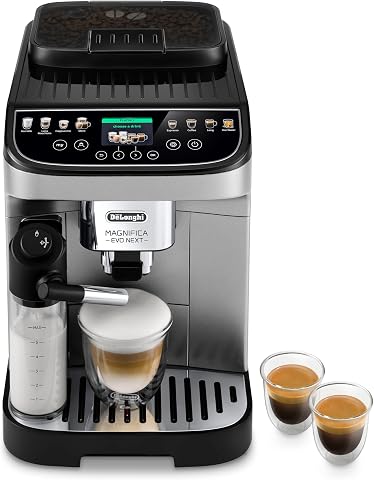
De’Longhi Magnifica Evo Next Fully Automatic Espresso Ma
- ✔ Color: Stainless Steel
- ✔ Power: 1450W
- ✔ Warranty: 1 Year

De’Longhi Replacement Water Filter
- ✔ Weight: 0.5 pounds
- ✔ Dimensions: 2 x 2 x 3 inches
- ✔ Color: White/Black
De’Longhi Magnifica Evo Next Fully Automatic Espresso Ma
The De’Longhi Magnifica Evo Next offers a fully automatic experience with customizable settings, a built-in grinder, and milk frother, making it an excellent choice for coffee lovers. Its conical burr grinder is designed for precision, but regular maintenance is key to keep noise levels low.
Pros:
- Multiple grind settings
- Automatic cleaning cycle
- Built-in milk frother
- Programmable options
Cons:
- Can be noisy if not maintained
- Requires regular descaling
- Complex for beginners
Best for: Home baristas seeking a versatile, all-in-one espresso machine.
Not ideal for: Users looking for a silent grinder or minimal maintenance.
Bottom line: A premium espresso machine with excellent features, though regular cleaning helps minimize grinder noise.
De’Longhi Replacement Water Filter
Using a De’Longhi Replacement Water Filter can improve water quality, reduce mineral buildup, and help maintain your machine’s efficiency, which can also contribute to quieter operation.
Pros:
- Improves water taste
- Prevents lime scale
- Easy to install
- Extends machine lifespan
Cons:
- Requires replacement every few months
- Additional cost
- Compatible with select models
Best for: Maintaining optimal performance and water quality in espresso machines.
Not ideal for: If your water source is already soft and filtered.
Bottom line: A simple upgrade for better water quality and potentially quieter machine operation.
Frequently Asked Questions
Why is my grinder making loud noises?
Loud grinding noises can be caused by worn burrs, debris buildup, or misalignment. Regular cleaning and inspection can help reduce noise.
Can I fix grinder noise myself?
Yes, with proper safety precautions, you can clean the burrs and check for loose parts. Replace worn burrs if necessary, following the manufacturer’s instructions.
How often should I clean the grinder?
Cleaning should be done every 1-2 months, or more frequently if you notice increased noise or a change in grind quality.
When should I replace the grinder or burrs?
If the burrs are chipped, worn, or causing persistent noise despite cleaning, consider replacing them for optimal performance.
Keep Your De’Longhi Espresso Machine Running Smoothly
Regular maintenance, including cleaning and inspecting the grinder, is key to preventing noise issues and ensuring your espresso machine continues to deliver high-quality coffee. Follow these steps for safe troubleshooting, and don’t hesitate to replace parts when needed for optimal performance.
Affiliate disclosure: As an Amazon Associate we earn from qualifying purchases. Prices and availability are accurate as of the time of publishing.


