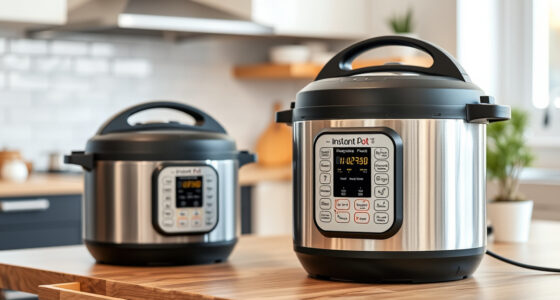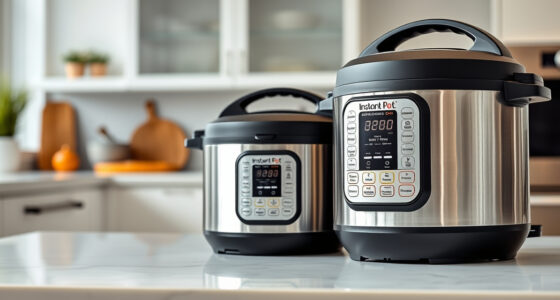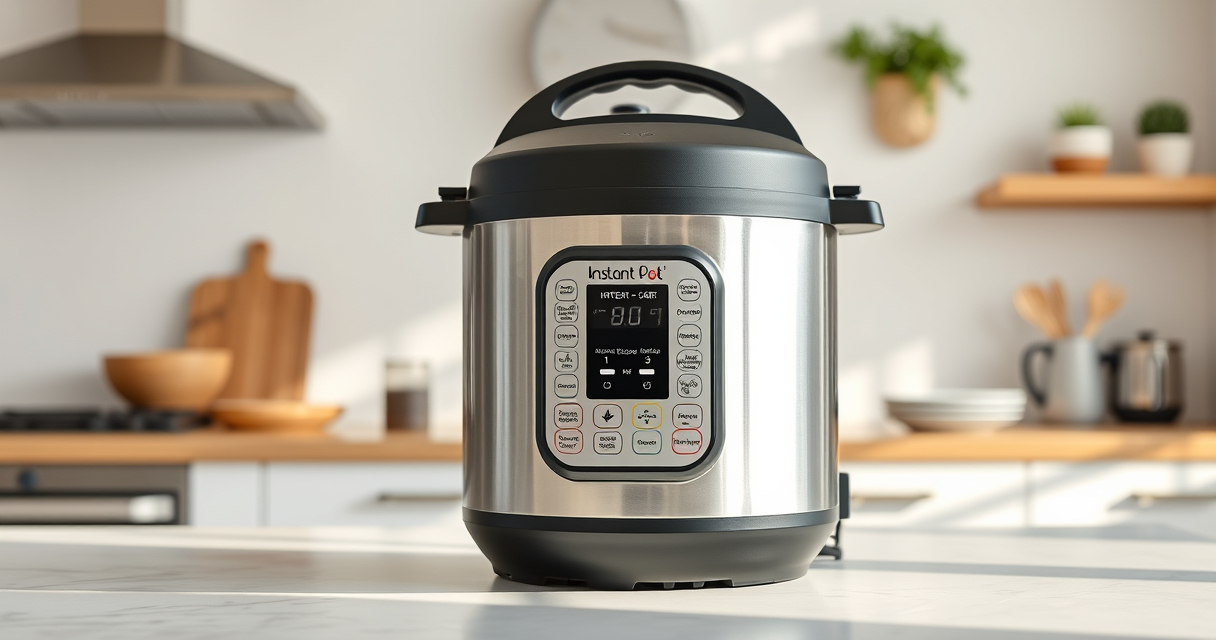

If your Instant Pot is not sealing during pressure cooking, it can prevent the cooker from reaching the necessary pressure, leading to failed recipes or warnings. This issue is common but fixable with some straightforward troubleshooting steps. Understanding the primary causes—such as sealing ring problems, lid alignment, or debris—can help you resolve the problem quickly and safely. In this guide, we’ll walk you through practical, step-by-step solutions to restore your Instant Pot’s sealing function, ensuring your meals are cooked perfectly and safely every time.
Before you begin, make sure to unplug your device and allow it to cool if it was recently used. Always follow safety precautions when handling electrical appliances or pressure components.
Key Takeaways
| Check the sealing ring | A worn or improperly placed sealing ring is the most common cause of sealing failures. |
| Inspect the lid and components | Ensure the lid is correctly aligned and free from debris or damage. |
| Clean the sealing surfaces | Food residue or grime on the sealing surface can prevent a proper seal. |
| Verify the vent/steam release handle | Make sure the steam release handle is in the sealing position. |
| Replace faulty parts if necessary | Damaged sealing rings or lids should be replaced to restore sealing. |
Amazon Product B0F9B923NC
As an affiliate, we earn on qualifying purchases.
Step 1: Safely Prepare and Inspect the Lid
- Unplug the Instant Pot and allow it to cool completely before handling.
- Remove the lid carefully by turning it counter-clockwise.
- Inspect the lid for any visible damage or warping, especially around the sealing area.
- Ensure the silicone sealing ring sits properly in its groove on the lid, without twists or gaps.
Amazon Product B07CMW3B95
As an affiliate, we earn on qualifying purchases.
Step 2: Check and Clean the Sealing Ring
- Remove the sealing ring from the lid by gently pulling it out of the groove.
- Examine the ring for cracks, tears, or hardening, and replace if damaged.
- Wash the ring with warm, soapy water and dry thoroughly.
- Reinstall the ring, ensuring it fits snugly and evenly in the groove.
Step 3: Ensure Proper Lid Alignment and Vent Position
- Align the lid so that the arrow on the lid matches the lock symbol or designated locking position.
- Make sure the steam release handle is firmly set to the ‘Sealing’ position, not ‘Venting.’
- Check that the float valve is clean and pops up when the lid is properly closed.
Step 4: Clean the Sealing Surface and Float Valve
- Wipe the sealing surface on the lid and the rim of the inner pot with a damp cloth to remove any food residue or grease.
- Use a soft brush or toothpick to clear any debris from the float valve and vent area.
- Ensure all components are dry before reassembling.
Step 5: Test the Seal and Reassemble
- Place the lid back onto the Instant Pot, aligning it properly.
- Turn the lid clockwise to lock it securely.
- Set the steam release handle to the ‘Sealing’ position.
- Press the ‘Manual’ or ‘Pressure Cook’ button and observe if the unit starts to build pressure.
Additional Tips and Warnings
- Always use genuine parts, such as the official Instant Pot sealing ring, to ensure compatibility and safety.
- If the sealing ring is old or cracked, replacing it is the most reliable fix.
- Never force the lid closed if it doesn’t align properly; this can cause damage or safety hazards.
- Regular maintenance and cleaning prolong the life of your Instant Pot and prevent sealing issues.
The Products in This Guide

Instant Pot 4QT RIO Mini 7-in-1 Multi-Cooker
- ✔ Capacity: 4 QT
- ✔ Functions: 7-in-1
- ✔ Material: Stainless Steel & Plastic

AOZITA Steamer Basket
- ✔ Material: Stainless Steel
- ✔ Size: Fits 6 & 8 QT
- ✔ Design: 2-tier stackable
Instant Pot 4QT RIO Mini 7-in-1 Multi-Cooker
The Instant Pot 4QT RIO Mini 7-in-1 Multi-Cooker offers a range of functions in a space-saving design, perfect for small families, singles, or students. Its anti-spin lid and modern Rosewater finish combine convenience with style. Despite its mini size, it cooks up to 70% faster than traditional methods, making it an excellent addition to any kitchen.
Pros:
- 7 versatile cooking functions
- Compact and easy to store
- Cooks faster than slow cooking
- Modern, stylish design
Cons:
- Limited capacity for larger families
- Requires occasional sealing ring replacement
- Lid may need alignment for perfect seal
Best for: Small households seeking a versatile, space-saving cooker
Not ideal for: Larger families or those needing bigger capacity
Bottom line: A compact, multifunctional cooker ideal for small spaces and quick meals.
AOZITA Steamer Basket
The AOZITA Steamer Basket provides a practical solution for steaming vegetables, seafood, or eggs simultaneously. Its 2-tier, stackable design maximizes your Instant Pot’s capacity and efficiency, making it perfect for quick, healthy meals.
Pros:
- Two-tier stackable design
- Made of durable stainless steel
- Compatible with 6 and 8 qt models
- Easy to clean
Cons:
- Adds some space inside the pot
- Requires careful placement to avoid tipping
- Extra accessory cost
Best for: Cooking multiple ingredients at once effortlessly
Not ideal for: For those with limited space or infrequent steaming needs
Bottom line: A versatile accessory that expands your Instant Pot’s cooking options.
Frequently Asked Questions
Why does my Instant Pot keep not sealing?
Common reasons include a damaged or misaligned sealing ring, improper lid placement, debris on sealing surfaces, or a faulty float valve. Troubleshooting these parts usually restores proper sealing.
How often should I replace the sealing ring?
It’s recommended to replace the sealing ring every 12-18 months, especially if you notice persistent odors, cracks, or leaks during cooking.
Can I use a different sealing ring material?
It’s best to use the official Instant Pot sealing ring or high-quality, food-grade silicone rings designed for pressure cookers to ensure safety and compatibility.
What should I do if the lid won’t close properly?
Check for obstructions or debris around the lid, ensure the sealing ring is correctly seated, and verify that the lid aligns properly with the base and locking mechanism.
Is it safe to cook with a damaged sealing ring?
No. A damaged or worn sealing ring can prevent proper sealing, leading to unsafe pressure buildup or food leaks. Replace it immediately for safe operation.
Ensuring Your Instant Pot Seals Perfectly Every Time
By following these troubleshooting steps, you can confidently resolve sealing issues and restore your Instant Pot’s optimal performance. Regular maintenance, including checking and replacing the sealing ring, is key to safe and effective pressure cooking. With a little care and attention, your Instant Pot will continue to be a reliable kitchen companion for years to come, delivering delicious meals quickly and safely.
Affiliate disclosure: As an Amazon Associate we earn from qualifying purchases. Prices and availability are accurate as of the time of publishing.