
TL;DR
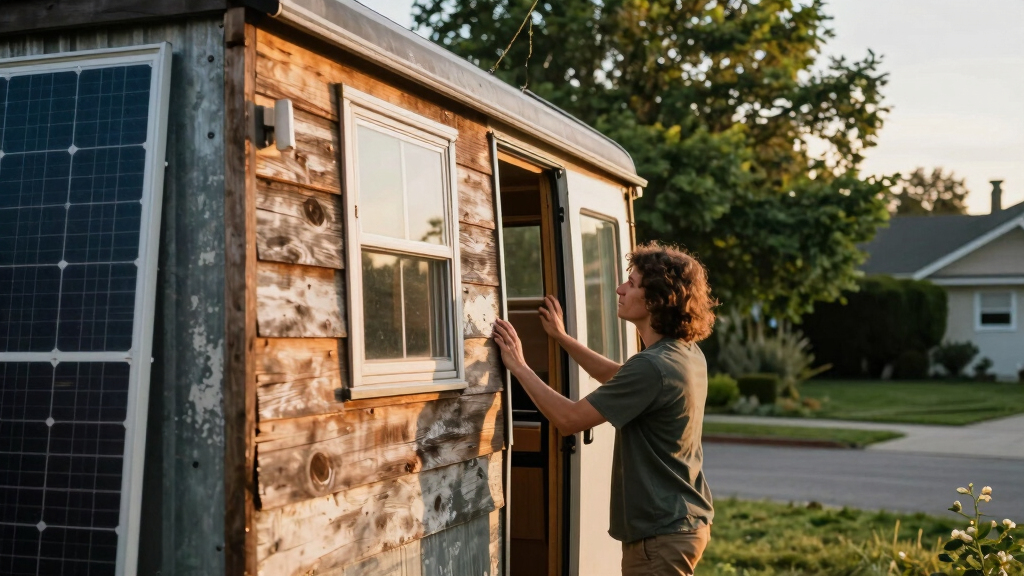
A DIY builder has converted a Ford E350 cargo van into a two-story tiny house by cutting off the roof and stacking a second level. The project features full electrical and plumbing systems, demonstrating innovative use of vertical space in van life. This development showcases new possibilities for mobile tiny homes.
A builder has converted a Ford E350 cargo van into a two-story tiny home by removing the original roof and stacking a second level, creating a fully functional, multi-level living space on wheels. This project demonstrates innovative use of vertical space in van conversions, pushing the boundaries of mobile tiny living.
The core of this build involves cutting away the roof of a Ford E350 cargo van and reinforcing the shell with extensive welding and structural support, enabling the addition of a second story. The builder, known for his demanding vehicle modifications, designed a multi-level interior with distinct zones for living and sleeping, effectively doubling the usable space without increasing the van’s footprint.
Despite its unconventional appearance, the van is fully wired for electrical systems, including lighting and appliances, and plumbed with a working water system. This project exemplifies how creative engineering and small-space design can redefine what is possible in mobile housing, offering a new model for van life enthusiasts seeking more space and comfort.
Innovative Use of Vertical Space in Van Living
This transformation highlights how vertical expansion can dramatically increase living space in mobile homes, offering a new approach for van dwellers and tiny house advocates. It challenges traditional ideas of van design, showing that with structural reinforcement, stacking levels is feasible and practical, potentially influencing future conversions and small-space living solutions.
van conversion structural reinforcement kit
As an affiliate, we earn on qualifying purchases.
As an affiliate, we earn on qualifying purchases.
Pushing the Limits of Van Conversion Techniques
Most van conversions focus on maximizing horizontal space within a single level, often resulting in cramped interiors. This project, undertaken by President Chay, breaks new ground by removing the roof of a cargo van and reinforcing its structure to support a second floor. The approach aligns with a growing trend of innovative DIY tiny homes that prioritize vertical expansion to achieve more livable space on wheels.
“This build demonstrates that with proper reinforcement, stacking levels in a van is not only possible but can create a truly functional tiny home on wheels.”
— an anonymous researcher
two-story van conversion accessories
As an affiliate, we earn on qualifying purchases.
As an affiliate, we earn on qualifying purchases.
Unclear Details on Structural Reinforcement and Safety
It is not yet clear how the structural reinforcement was implemented in detail, or how the van’s safety and roadworthiness are maintained with the roof removed and a second story added. Further technical specifics and safety certifications remain to be confirmed.
mobile tiny home electrical system
As an affiliate, we earn on qualifying purchases.
As an affiliate, we earn on qualifying purchases.
Next Steps for the Van Conversion Project
The builder is expected to provide more detailed insights into the structural modifications and safety measures. Future plans may include testing the van on the road, sharing detailed construction tutorials, or expanding the design for broader DIY adoption.
van plumbing kit for RV conversions
As an affiliate, we earn on qualifying purchases.
As an affiliate, we earn on qualifying purchases.
Key Questions
How safe is a two-story van conversion?
Safety depends on proper structural reinforcement and adherence to vehicle modification standards. The builder reinforced the shell extensively, but further testing and certification are needed to confirm roadworthiness.
Can this design be replicated by other DIYers?
While technically feasible, replicating this build requires advanced welding, structural support, and plumbing skills. It is recommended only for experienced builders with proper tools and safety measures.
What are the main benefits of a two-story van home?
The primary benefit is doubling the usable living space without increasing the vehicle’s footprint, allowing for more comfort and functionality in mobile living environments.
Does removing the roof affect the van’s legality or insurance?
Modifying a vehicle in this way may impact its legality and insurance coverage. Owners should consult local regulations and insurance providers before undertaking such a project.
What systems are included in the van’s interior?
The van is equipped with full electrical wiring for lighting and appliances, as well as plumbing for a water system, making it fully functional for everyday living.
Source: Tiny House Talk