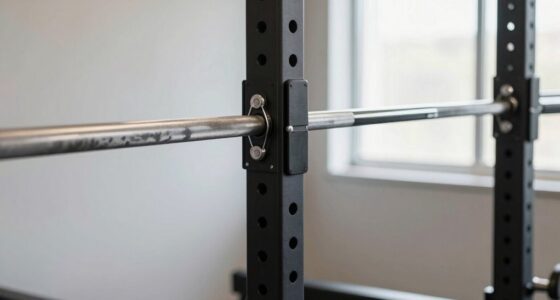
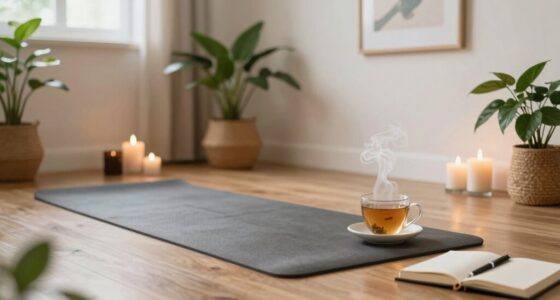
You need better noise planning for your home training space to avoid disturbing your household and neighbors. Proper soundproofing techniques like acoustic panels, sealing gaps, and choosing quieter equipment help contain noise and create a more comfortable environment. Good ventilation is also key for safety and air quality. When you focus on effective noise control, you’ll enjoy peaceful workouts and better relationships at home. Keep exploring to discover how you can optimize your space further.

Get home appliances delivered free with Prime
- Fast, free delivery on millions of items
- Prime Video, Amazon Music and more included
- Member-only deals all year
Key Takeaways
- To prevent noise from disrupting household members and neighbors, fostering a harmonious living environment.
- To enhance workout focus and comfort by containing sound and reducing distractions.
- To ensure proper ventilation without increasing noise levels, maintaining air quality during exercise.
- To minimize sound leakage through gaps and openings, improving overall soundproofing effectiveness.
- To create a balanced space that combines noise control with good airflow for safe, healthy workouts.

Creating a dedicated home training space is a great way to stay fit, but managing noise levels is crucial to avoid disturbing others. When you work out at home, the sounds of weights dropping, high-impact cardio, or even loud music can easily travel through walls, ceilings, and floors, creating friction with neighbors or household members. That’s why it’s important to implement effective soundproofing strategies right from the start. Soundproofing isn’t just about adding thick mats or carpets; it involves a combination of techniques like installing acoustic panels, sealing gaps around doors and windows, and using materials that absorb or block sound waves. These steps help contain the noise within your space, making it less disruptive for others and allowing you to work out without worry.
Effective soundproofing keeps your workouts quiet and neighbor-friendly.
However, controlling sound is only part of the equation. Ventilation considerations are equally important to ensure your space remains comfortable and safe. When you enhance soundproofing, walls and doors can become more insulated, which might restrict airflow if not properly managed. You’ll want to incorporate ventilation solutions that maintain good air quality without compromising your soundproofing efforts. Options include installing quiet exhaust fans or air exchange systems that operate with minimal noise, or using vents with sound attenuators. Proper ventilation is essential because it keeps fresh air circulating, prevents stuffiness, and reduces humidity—especially if you’re sweating heavily during intense workouts. Neglecting ventilation can lead to stale air, mold growth, or overheating, all of which diminish the quality of your training environment. Additionally, selecting soundproofing materials that also promote airflow can further enhance your space’s comfort. Incorporating air quality management strategies can also improve overall health and performance during your workouts.
Designing your home training space with both soundproofing strategies and ventilation considerations in mind ensures a balanced environment. For example, using acoustic panels on walls not only dampens sound but can also be integrated into wall designs that include vents or fans. Consider placing your space in a basement or a corner of your home where noise leakage is naturally minimized, and ensure that any openings are sealed properly. Additionally, choosing equipment with quieter operation modes, like silent treadmills or low-noise weights, complements your overall noise management plan. Paying attention to sound transmission helps prevent sound from traveling to other rooms or neighboring units, creating a more harmonious living situation. Proper planning can also involve selecting appropriate location to further reduce sound disturbance.
In the end, a well-planned home training space doesn’t just improve your workout experience; it fosters harmony with your household and neighbors. Prioritizing soundproofing strategies and ventilation considerations helps you create a space that’s comfortable, functional, and respectful of others—making your fitness journey sustainable and stress-free.
As an affiliate, we earn on qualifying purchases.
Frequently Asked Questions
How Can I Reduce Noise Transfer Between Different Rooms?
To reduce noise transfer between rooms, start by carefully placing your equipment away from shared walls, ideally in corners or near sound-insulating barriers. Use rugs, wall hangings, or foam panels to absorb sound. Make certain good indoor ventilation to prevent echo and noise buildup. Sealing gaps around doors and windows also helps. These steps create a quieter environment, making your home training space more comfortable for everyone.
What Materials Are Best for Soundproofing Home Gyms?
You should choose dense materials like rubber flooring options or cork for gym floors, as they absorb impact and reduce noise. For walls, consider adding mass-loaded vinyl or acoustic panels, which effectively block sound transmission. Combining these wall treatments with soundproof flooring creates a quieter environment. Also, sealing gaps around doors and windows guarantees minimal sound escape, making your home gym more peaceful for you and your neighbors.
How Do I Handle Noise Complaints From Neighbors?
Think of your neighbors as characters in a shared story—you want everyone to enjoy the plot. To handle noise complaints, focus on controlling outdoor equipment and ventilation noise with soundproof barriers or mufflers. Communicate openly, explain your efforts, and consider adjusting workout times to reduce disruptions. By taking these steps, you turn potential conflict into harmony, ensuring your workouts stay private and neighborly peace remains intact.
Are There Legal Noise Level Limits for Home Gyms?
Yes, there are typically legal noise level limits for home gyms, which vary by location. To stay compliant, you should consider equipment placement to minimize noise transfer and invest in soundproof doors to contain sound within your space. These measures help you reduce noise pollution, avoid complaints, and remain within legal limits, ensuring your workouts stay private and neighborly peace is maintained.
How Much Does Soundproofing a Home Training Space Typically Cost?
They say, “You get what you pay for,” but soundproofing myths often scare you into overspending. Typically, budget-friendly solutions for soundproofing a home training space cost between $200 and $800, depending on the level of soundproofing needed. Simple fixes like foam panels or weatherstripping are affordable, but more extensive measures, like adding drywall or insulation, can increase costs. Start small, and upgrade as your budget allows.
As an affiliate, we earn on qualifying purchases.
Conclusion
By prioritizing better noise planning in your home training space, you’re not just creating a peaceful environment—you’re crafting a sanctuary that respects both your fitness goals and your neighbors. Think of it as building a fortress of sound, where your workouts roar without disturbing others. So, take charge now, design thoughtfully, and let your home gym be a place where energy flows freely, but noise stays in check. After all, harmony in your space fuels your progress.
soundproofing materials for home gym
As an affiliate, we earn on qualifying purchases.
As an affiliate, we earn on qualifying purchases.
As an affiliate, we earn on qualifying purchases.
Cold & flu season Picks
humidifiers
As an affiliate, we earn on qualifying purchases.