To fix your rowing stroke instantly, focus on the simple 3‑step cue: drive with your legs, engage your core, and reset properly during recovery. Push through your heels and straighten your legs first, then smoothly use your core for power while relaxing your arms. Reset with controlled breathing and relaxed shoulders before the next stroke. Mastering this cue makes your rowing safer and more effective, so keep going to discover how to perfect it.
Key Takeaways
- Use the 3-step cue to focus on proper posture, core engagement, and controlled movement for instant stroke correction.
- Initiate each stroke by pushing through your heels, maintaining a firm foot position, and engaging leg muscles.
- Keep your core activated and sit tall, ensuring back straight and shoulders relaxed throughout the movement.
- Maintain a smooth, steady rhythm with synchronized breathing to prevent arm overuse and improve efficiency.
- Regular drills, equipment adjustments, and mindful posture reinforce proper form and prevent common rowing mistakes.
Why Proper Rowing Form Matters for Efficiency and Safety
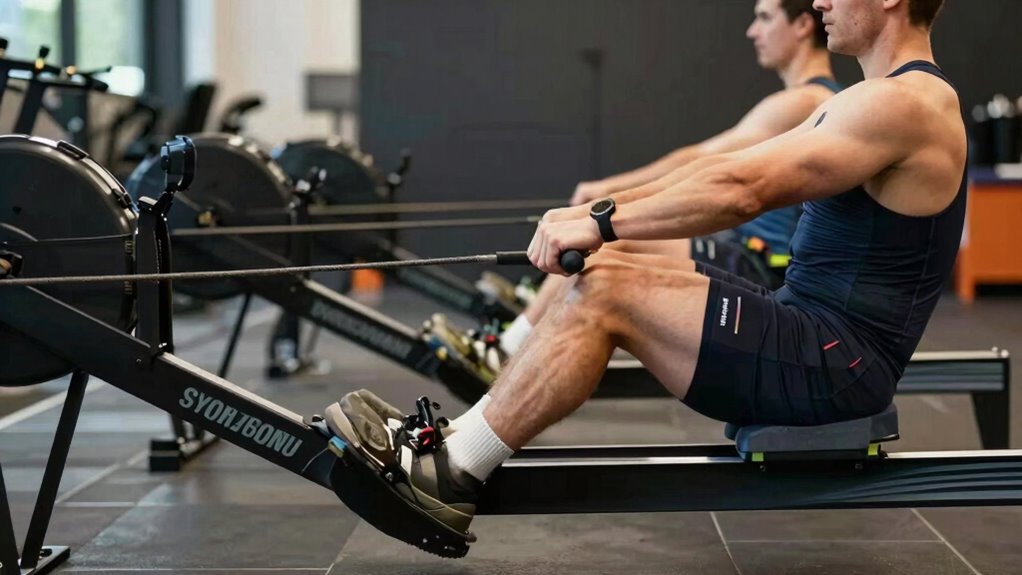
Using proper rowing form is essential because it directly impacts your workout’s effectiveness and your safety. When you maintain consistent technique, you ensure each stroke is efficient, maximizing your effort and results. Proper form helps distribute the workload evenly across your muscles, reducing unnecessary strain. This consistency also plays a key role in injury prevention, as it minimizes the risk of overuse injuries or improper joint alignment. If you neglect technique, you might compensate with other muscles or improper movements, which can lead to soreness or long-term damage. Focusing on correct form from the start keeps your workouts safe and productive, helping you build strength and endurance without setbacks. Ultimately, good technique becomes second nature, making your rowing sessions safer and more effective.
How the 3‑Step Cue Builds Better Rowing Technique

The 3‑Step Cue is a simple but effective method to develop and reinforce proper rowing technique. It helps you focus on key elements that improve efficiency and safety. By incorporating proper breathing techniques, you stay relaxed and maintain rhythm. It also emphasizes the importance of equipment maintenance, ensuring smooth strokes and preventing issues. This cue guides you through a clear, structured process:
- Coordinate your breath with each stroke for better endurance
- Maintain consistent equipment checks to avoid disruptions
- Focus on smooth, controlled movements rather than rushing
- Use the cue to build muscle memory and confidence
- Incorporating routine maintenance can help sustain optimal performance and prevent unexpected setbacks during workouts. Regular maintenance also contributes to overall equipment longevity, ensuring your rowing machine remains reliable over time. Additionally, implementing preventive care routines can further reduce the risk of breakdowns and costly repairs, maintaining your equipment’s peak condition.
Regular practice with the 3‑Step Cue not only enhances your technique but also supports work-life harmony by making workouts more efficient and enjoyable, reducing stress and preventing burnout. Additionally, paying attention to equipment upgrades can further enhance your performance and comfort during workouts.
With consistent application of these principles, you’ll develop better habits, making your rowing more effective and sustainable over time.
Drive Strong With Your Legs: Getting the Leg Drive Right

To drive effectively with your legs, focus on initiating each stroke by pushing through your heels and engaging your quadriceps and glutes. Your foot positioning is vital; keep your feet securely placed on the footrests, with heels slightly lower than the toes. This stance allows for a powerful leg push, maximizing the force transferred through your legs. As you drive, concentrate on driving with your legs first, rather than relying on your arms or back. Maintain a firm, consistent push until your legs are nearly fully extended, then begin the recovery phase smoothly. Proper foot positioning ensures your leg push stays efficient and safe, helping you generate maximum power without strain. Additionally, understanding the content formats used in digital media can enhance your training and technique analysis. Mastering this leg drive forms the foundation for a strong, effective rowing stroke, and paying attention to rhythm and timing can further improve your overall performance. Developing awareness of proper technique can prevent injury and improve efficiency over time. Incorporating feedback mechanisms can help you fine-tune your form and sustain consistent power during each stroke. Engaging in targeted strength training can also improve your leg drive efficiency and overall rowing performance.
Engage Your Core and Arms Smoothly for Power

After driving through your legs, it’s important to engage your core and arms smoothly to harness maximum power and maintain proper form. Core activation creates a stable foundation, allowing your upper body to transfer energy efficiently. Focus on arm engagement to avoid overusing your shoulders and neck. To optimize this step, remember:
Engage your core and arms smoothly for efficient power and proper form.
- Initiate movement with a controlled core squeeze
- Keep your arms relaxed until the final pull
- Use your core to drive the stroke, not just your arms
- Maintain smooth, fluid motion without jerking
This approach ensures your power is evenly distributed and reduces fatigue. Proper core activation and arm engagement lead to a more efficient, comfortable stroke, helping you achieve better results with less strain.
Reset Properly During Recovery to Prepare for the Next Stroke
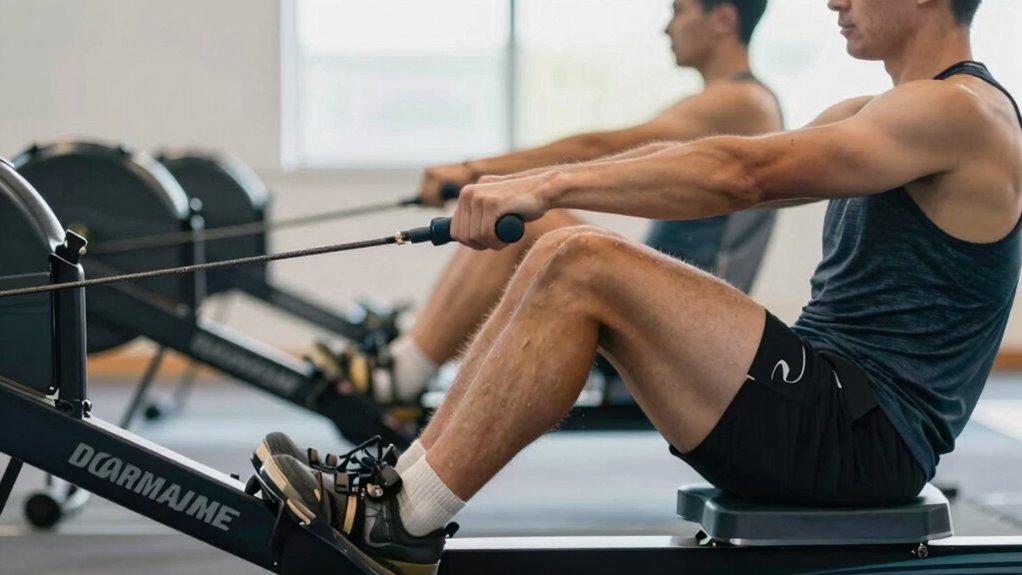
As you shift into the recovery phase, focus on resetting your body efficiently to set up for the next powerful stroke. Use proper breathing techniques—inhale deeply as you extend your arms and legs, preparing your body to reset smoothly. Keep your equipment setup in mind; make certain your foot straps are snug and your handle is at the correct height, making the transition seamless. During recovery, maintain a relaxed posture, avoiding tension in your shoulders and grip. This allows your body to recover fully and prepares you mentally and physically for the next drive. Additionally, being mindful of your seasons and environment can help optimize your training and recovery routines. Incorporating sound healing techniques into your routine can also promote relaxation and enhance recovery. Paying attention to ergonomic positioning during recovery can further reduce strain and improve overall efficiency. Developing mindfulness practices can help you stay focused and calm during each stroke, leading to better form and endurance. By consciously resetting with controlled breathing and correct equipment setup, you maximize efficiency and reduce fatigue, setting the stage for a stronger, more consistent rowing stroke.
Practice the Cue in Real Rows: Tips for Better Technique

To improve your rowing technique, it’s essential to practice the cues in real rows. Focus on maintaining proper posture, keep a consistent pace, and regularly incorporate drills to reinforce good habits. These steps will help you develop a smoother, more efficient rowing form. Paying attention to plant properties such as the timing and placement of your strokes can further enhance your technique and effectiveness. Incorporating ergonomic principles like proper body alignment can also reduce strain and improve overall comfort during your workout. Additionally, utilizing support networks for new fathers can provide valuable encouragement and advice as you pursue training goals and stay motivated. Engaging with quality equipment like well-designed rowing machines can also make a significant difference in practicing correct form and building strength. Understanding the importance of precision in technique helps maximize the benefits of your rowing sessions and minimizes the risk of injury.
Focus on Proper Posture
Focusing on proper posture during rowing is essential for maximizing efficiency and preventing injuries. Ensuring your ergonomic seating supports your back helps maintain spinal alignment. Keep your shoulders relaxed and down to avoid tension. Use breathing techniques to stay steady and avoid rushing through strokes. To reinforce good posture, remember:
- Sit with your hips slightly forward on the seat
- Engage your core for stability
- Keep your back straight, avoiding slouching
- Breathe evenly with each stroke, inhaling during the recovery and exhaling during the drive
Additionally, paying attention to proper heat buffering can help prevent equipment overheating and ensure a smoother workout. Incorporating electric bike performance principles, such as maintaining proper posture, can help optimize your rowing efficiency. Practicing these tips during real rows helps ingrain proper technique. By focusing on posture, you’ll improve performance, reduce strain, and make every stroke more effective. Proper posture isn’t just about form—it’s about maximizing your workout and longevity on the machine.
Incorporating smart home automation techniques, such as setting up reminders or routines to check your form, can further enhance your training consistency.
Maintain Consistent Pace
Maintaining a steady pace during rowing helps you stay efficient and reduce fatigue. Focus on your breathing techniques, inhaling and exhaling smoothly to keep your energy steady. This controlled breathing supports your rhythm and helps prevent unnecessary tension. Use mental focus to stay present with each stroke, resisting the urge to rush or slow down abruptly. Consistent pacing allows you to develop better technique and endurance over time. Pay attention to how your body feels at a steady rhythm, adjusting as needed without losing momentum. Keeping a uniform pace also makes it easier to maintain proper form throughout your workout. By practicing this in real rows, you train your mind and body to work harmoniously, ensuring a more effective and injury-free rowing experience. Additionally, understanding the importance of transaction monitoring/security can help you stay aware of potential risks in your training data or progress tracking.
Incorporate Drills Regularly
Incorporating drills into your rowing routine helps reinforce proper technique and build muscle memory. Regular practice allows you to focus on key elements like breathing techniques and equipment adjustments, guaranteeing your form stays ideal. To maximize your drills:
- Break down each stroke into segments to refine specific movements
- Practice breathing techniques to maintain rhythm and endurance
- Use equipment adjustments to find your perfect seat height and foot placement
- Focus on maintaining a steady, consistent stroke during drills
Repetition helps embed correct habits, making your stroke more efficient. Incorporate these drills into your warm-up or cool-down sessions to enhance overall technique. Consistent practice ensures you stay mindful of your form and make quick adjustments when needed, leading to better performance and reduced injury risk.
Common Rowing Mistakes That Hurt Your Performance

Many rowers make mistakes that can limit their progress and cause injury. Poor posture alignment, incorrect stroke rhythm, and overusing arm strength are common errors that hurt your performance. Recognizing and fixing these issues is key to rowing efficiently and safely.
Poor Posture Alignment
Poor posture alignment is a common mistake that can substantially hurt your rowing performance. When your posture is off, you lose power and risk injury. To correct this, focus on postural correction by maintaining a straight back and engaged core. Use alignment cues like keeping your shoulders relaxed and hips square. Keep these tips in mind:
- Sit tall with a neutral spine
- Avoid hunching or leaning forward excessively
- Engage your core throughout the stroke
- Keep your shoulders down and relaxed
These cues help you stay aligned and maximize efficiency. Proper alignment ensures your muscles work together correctly, reducing fatigue and improving stroke consistency. Always check your posture before pulling and adjust as needed to stay on track. Proper postural correction is key to a safe, effective rowing workout.
Incorrect Stroke Rhythm
Incorrect stroke rhythm disrupts your rowing efficiency and can lead to fatigue or injury. When your timing is off, it’s harder to maintain proper breathing techniques, which reduces oxygen flow and saps your energy. You might find yourself rushing the recovery or rushing the drive, breaking the natural flow of the stroke. To fix this, focus on maintaining a steady, consistent cadence—think of it as a mental cue to stay present. Improving your mental focus helps you synchronize your breathing with each phase of the stroke, ensuring smooth shifts. By aligning your breathing techniques with your rhythm, you maximize power and endurance while reducing strain. Staying mindful of your stroke cadence keeps your movements fluid and effective, preventing the common mistake of rushing or dragging through the motion.
Overusing Arm Strength
Overusing your arm strength during rowing can considerably reduce your efficiency and increase fatigue. Relying too much on your arms creates a technique imbalance, causing you to tire quickly and miss out on the power of your legs and core. This arm fatigue limits your ability to maintain proper form and slows your progress. To fix this, focus on engaging your legs during the drive and maintaining a smooth, coordinated pull. Be aware of these common mistakes:
- Pulling with arms too early or aggressively
- Neglecting leg engagement at the start
- Overloading your arms instead of using your core
- Ignoring proper sequencing of the stroke
Balancing your effort ensures a more effective, injury-free workout. Shift your focus to technique, and you’ll see immediate improvements.
How to Make the Cue a Habit in Your Workout Routine

Have you ever wondered how to turn your rowing machine cue into a consistent habit? The key is integrating it into your routine with intentional repetition. Focus on mental focus and breathing control to reinforce the cue’s effectiveness. Create a simple plan and stick to it, gradually making the cue second nature. To help, review this table:
| Step | Action | Reminder |
|---|---|---|
| Consistency | Use the cue every session | Builds habit |
| Focus | Concentrate on breathing and form | Reinforces mental focus |
| Reflection | Track progress and adjust | Ensures continuous improvement |
Troubleshooting: What to Do When the Cue Feels Unnatural?
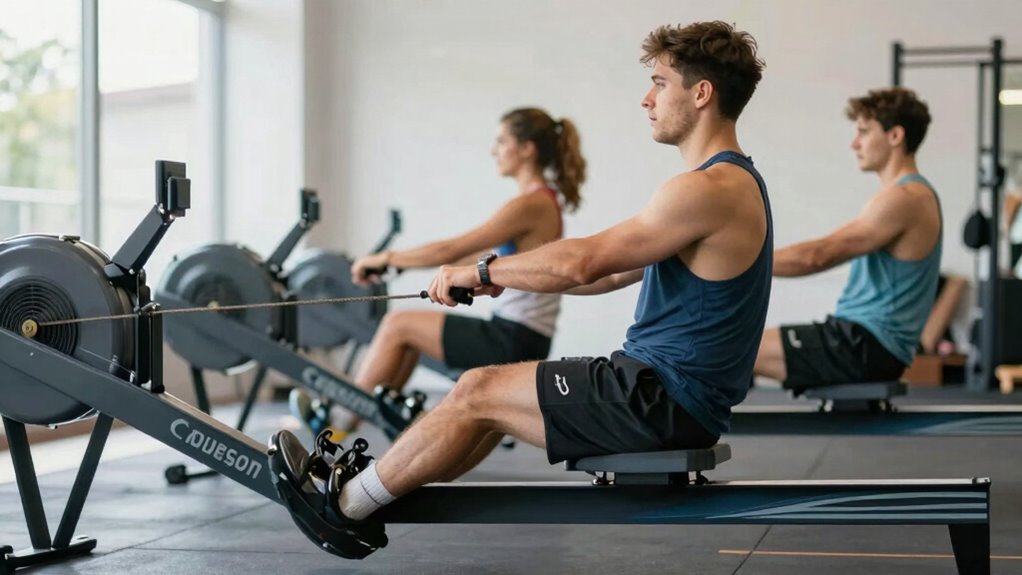
Even with consistent practice, you might find that your rowing machine cue feels awkward or unfamiliar at first. When this happens, focus on refining your breathing techniques and mental focus. These elements help your body adapt to the cue naturally. To troubleshoot:
- Slow your movements to regain control
- Break down the stroke into smaller parts
- Concentrate on your breath to stay relaxed
- Reset your mental focus before each stroke
Benefits of Mastering the Cue: Faster, Safer, More Effective Rows
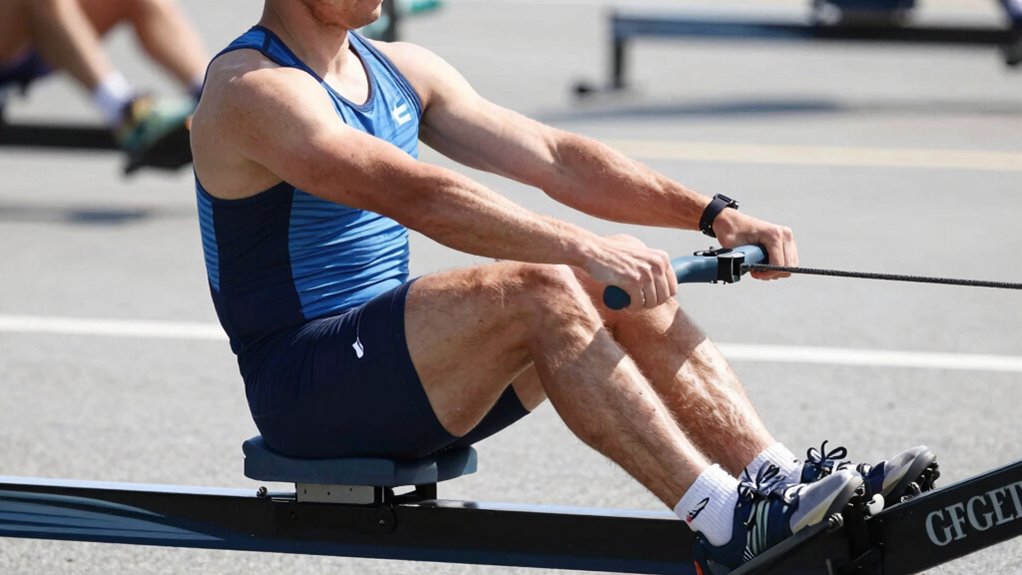
Mastering the rowing machine cue enhances your overall workout by making each stroke faster, safer, and more effective. When you apply proper breathing techniques, you maintain a steady rhythm that boosts power and endurance. This reduces fatigue and keeps your strokes smooth. Additionally, mastering the cue helps you make necessary equipment adjustments, ensuring proper posture and stroke mechanics. As a result, you minimize the risk of injury and improve efficiency. Faster, controlled strokes translate into better calorie burn and muscle engagement. You also develop consistency, which makes your workouts more productive. Overall, integrating this cue into your routine ensures every row is safer, more effective, and aligned with your fitness goals. It’s a simple change that delivers substantial benefits.
Frequently Asked Questions
How Long Does It Take to See Improvements With the 3-Step Cue?
You can start seeing improvements with the 3-step cue in just a few sessions, especially if you focus on practicing consistently. Techniques become clearer as your body adapts, and your stroke quality improves faster when you stay committed. With regular practice, you’ll notice smoother, more efficient rowing within a week or two. Consistency is key—stick with it, and you’ll see noticeable progress in your form and performance.
Can This Cue Be Adapted for Different Rowing Machine Models?
Yes, this cue can be adapted for different rowing machine models. You’ll want to focus on machine compatibility by adjusting your technique to fit each device’s design. The cue’s core principles are versatile, making it easy to modify for various machines. By focusing on proper posture and stroke rhythm, you ensure cue adaptability, helping you improve your form regardless of the rowing machine you’re using.
Is the Cue Suitable for Beginners or Only Experienced Rowers?
This cue is beginner-friendly, making it perfect for those new to rowing, but it also helps experienced rowers refine their advanced technique. You’ll find it easy to implement, regardless of your skill level, as it simplifies the stroke and promotes proper form. Whether you’re just starting or looking to improve, this 3-step cue offers instant benefits, ensuring you develop good habits early and progress efficiently in your rowing journey.
How Often Should I Practice the Cue to Maintain Proper Form?
Did you know consistent practice can improve your rowing efficiency by up to 25%? You should practice the cue daily or at least three times a week to reinforce proper form. Regular practice helps ingrain the movement, making it second nature. Focus on cue reinforcement during each session, and over time, you’ll maintain proper stroke technique effortlessly, preventing bad habits and maximizing your workout benefits.
Can This Cue Help Prevent Common Rowing Injuries?
Yes, this cue can help prevent common rowing injuries by improving your technique correction. By focusing on the correct movement pattern, you reduce strain on your back, shoulders, and knees. Consistently applying this cue guarantees proper form, which is key to injury prevention. Practice it regularly during your sessions, and you’ll build safer, more efficient rowing habits that protect your body long-term.
Conclusion
Mastering this simple 3-step cue transforms your rowing. By focusing on proper form, you’ll row faster, safer, and more efficiently—much like a well-trained sailor of yore. Consistency turns it into a habit, making each stroke feel natural and powerful. Remember, even the greatest mariners relied on technique to conquer the seas; now, it’s your turn to harness that knowledge for peak performance on the water—or in the gym.