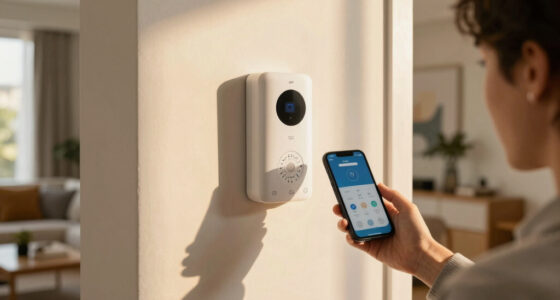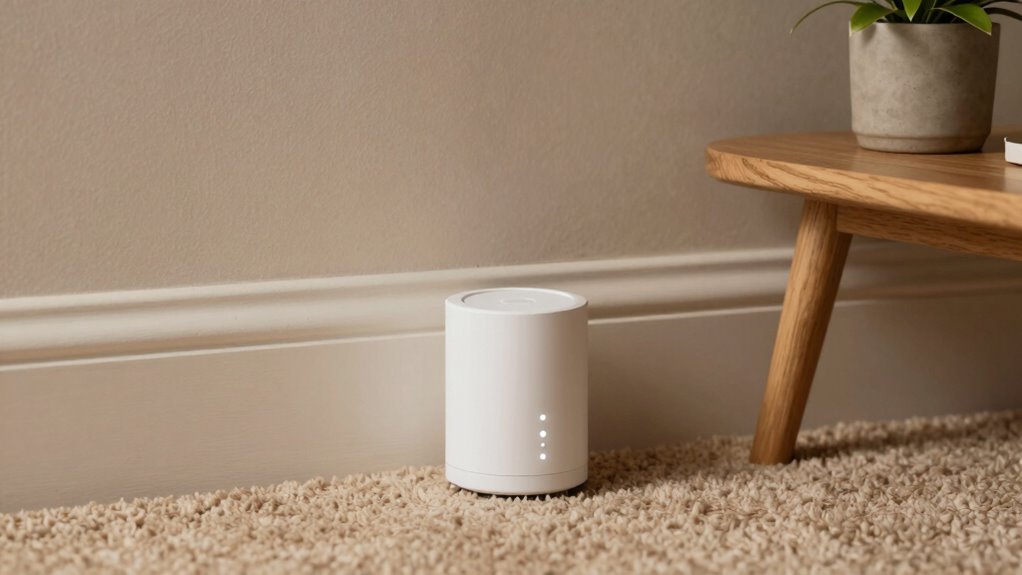

To hide water leak sensors effectively, place them near appliances, under sinks, or along pipes where leaks are likely to occur, but avoid areas prone to splashes or damage. Conceal them behind cabinetry, in basement corners, or near pipe joints for discreet protection. Use waterproof mounting options and guarantee easy access for maintenance. Want to make sure your sensors stay hidden yet functional? Keep exploring for tips on best placement and concealment strategies.
Key Takeaways
- Hide sensors behind appliances, under sinks, or near pipe joints for discreet, effective leak detection.
- Place sensors in basement corners and along pipe paths where water may accumulate unnoticed.
- Use waterproof mounts or adhesive pads to secure sensors in concealed, stable spots out of water splash zones.
- Avoid high-traffic or visible areas; prioritize hidden locations that are close to potential leak sources.
- Regularly test and maintain sensors, ensuring they remain hidden yet accessible for upkeep.
water leak sensor discreet mounting
As an affiliate, we earn on qualifying purchases.
As an affiliate, we earn on qualifying purchases.
Why Proper Placement Is Key to Detecting Water Leaks
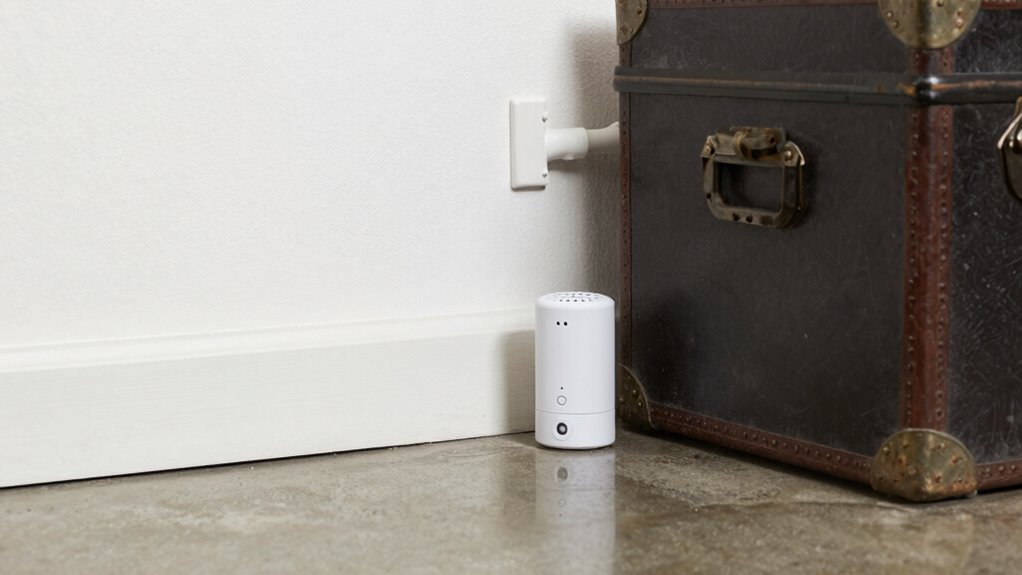
Proper placement of water leak sensors is essential because even the best devices can’t detect leaks if they’re not positioned correctly. Your choice of water sensor placement directly impacts leak detection accuracy, ensuring early alerts before water damage occurs. Position sensors near appliances, under sinks, and along potential trouble spots like pipes and drains. Avoid placing sensors in areas prone to false alarms, such as near vents or high humidity zones. When you optimize water sensor placement, you increase the chances of catching leaks early, saving you money and hassle. Remember, a sensor in the right spot is more effective than multiple sensors in the wrong places. Proper placement techniques make all the difference in protecting your home from water damage. Proper sensor placement is also crucial for detecting leaks quickly, especially in hidden or hard-to-see areas. Additionally, understanding the water leak sensor types and features can help you choose the most effective locations for installation, and considering sensor technology can improve detection reliability.
water leak detector for under sink
As an affiliate, we earn on qualifying purchases.
As an affiliate, we earn on qualifying purchases.
Where Are the Best Hidden Spots for Water Leak Sensors in Your Home
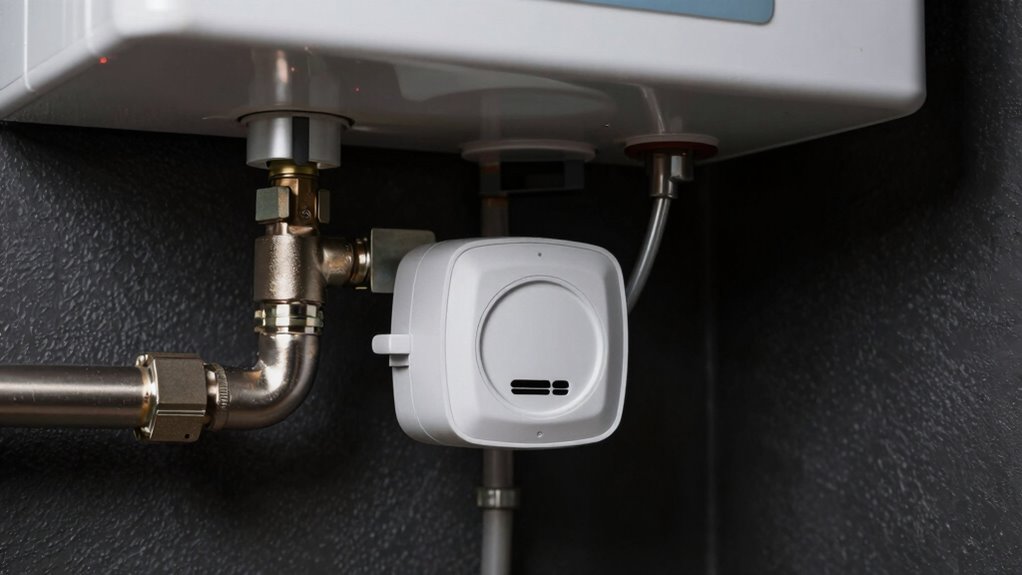
To catch leaks early, placing sensors in hidden spots that are often overlooked can make a big difference. Consider installing hidden sensor types in areas like behind appliances, under sinks, or near water heaters. These spots are prone to leaks but aren’t always obvious, so discreet sensors help catch issues before they cause damage. When installing, use the right sensor installation tools, such as mounting brackets or adhesive pads, to guarantee the sensors stay secure and unobtrusive. Avoid placing sensors in high-traffic or easily visible areas, which defeats the purpose of discreet placement. Focus on spots where water might accumulate unnoticed, like basements, crawl spaces, or behind cabinetry. Proper placement with the right tools ensures you’re alerted early, saving you from costly repairs. Preventing water damage with strategic sensor placement can further enhance your home’s protection. Additionally, understanding free floating systems can help you choose the most effective sensor placements for your specific environment. Recognizing sensor placement strategies is key to optimizing your leak detection system’s effectiveness. Moreover, selecting appropriate sensor types based on your home’s layout will maximize detection efficiency. Employing proper placement techniques ensures your sensors function optimally and provide reliable alerts.
water leak sensor for basement corners
As an affiliate, we earn on qualifying purchases.
As an affiliate, we earn on qualifying purchases.
How to Discreetly Hide Sensors Under Sinks and Appliances
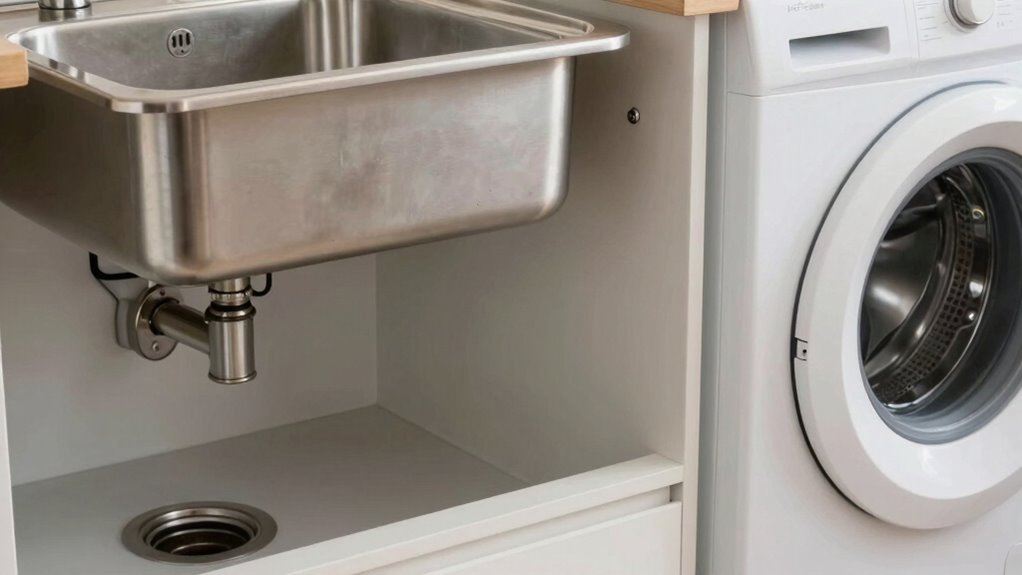
Hiding water leak sensors under sinks and appliances requires some strategic concealment to keep them discreet yet effective. To achieve concealed placement, position the sensor behind or beside pipes where it won’t be visible but can still detect leaks promptly. Use small, unobtrusive containers or mounts that blend with the surrounding area for aesthetic concealment. You can tuck sensors behind cabinetry panels or install them underneath the sink’s base, ensuring they aren’t exposed to water splashes or accidental bumps. Avoid cluttered spots that might obstruct water detection. The goal is to hide the sensor without compromising its functionality, so choose locations that are out of sight but close enough to pipes and appliances to alert you quickly in case of leaks. Incorporating glycolic acid products can help you approach this task with strategic planning and attention to detail. Additionally, considering water-resistant mounting options can enhance the durability of the sensors in damp environments. Planning your sensor placement with environmental considerations in mind can further improve their longevity and effectiveness.
water leak sensor adhesive pads
As an affiliate, we earn on qualifying purchases.
As an affiliate, we earn on qualifying purchases.
Top Locations Near Pipes and Basements for Water Leak Sensors
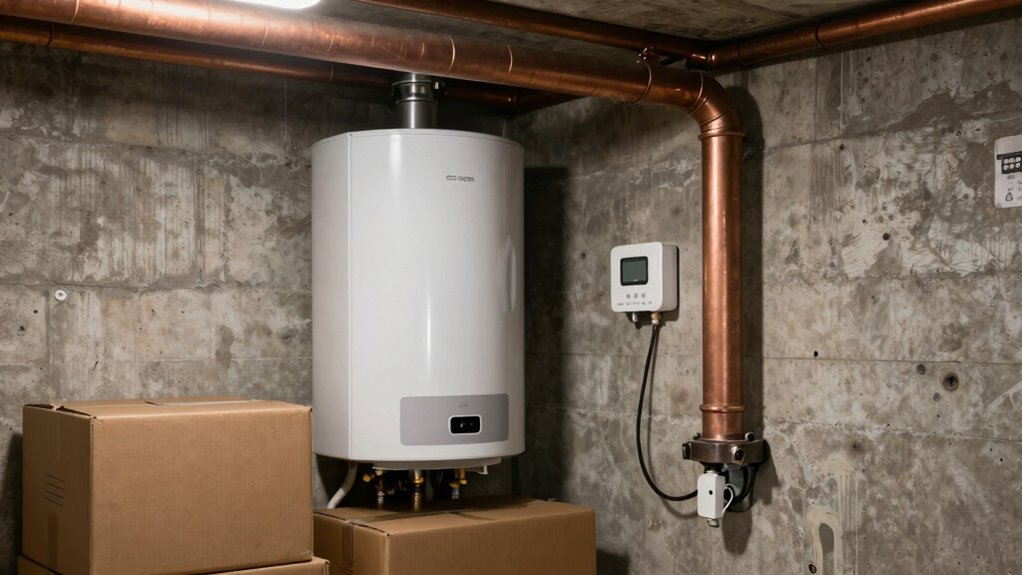
You should place water leak sensors near pipe joints and basement floor corners where leaks are most likely to occur. These spots are common trouble areas and can help you catch leaks early before they cause serious damage. Proper placement guarantees you’re quickly alerted to any issues in these critical locations.
Near Pipe Joints
Near pipe joints and in basement areas, water leak sensors are especially effective at detecting leaks early. Placing sensors here catches leaks right at their source, preventing costly damage. Consider these key points:
- High-Risk Spot: Pipe joints are common leak points, making early detection essential. Proper sensor placement ensures maximum effectiveness in leak detection, especially when considering detection range and environmental factors. Using detecting water leaks technology can further improve accuracy in these vulnerable areas. Incorporating comprehensive leak detection methods enhances the reliability of early warnings.
- Smart Home Integration: Choose sensors compatible with your system for instant alerts.
- Sensor Battery Life: Opt for long-lasting batteries to reduce maintenance and ensure continuous protection.
- Placement Tips: Position sensors slightly above pipe joints where leaks are most likely to seep out. Ensuring installation location aligns with the typical leak patterns enhances early detection and minimizes potential water damage.
Basement Floor Corners
Ever wonder why basement floor corners are ideal spots for water leak sensors? These areas are common trouble spots because water naturally flows toward corners due to gravity, especially near pipes and foundation walls. Placing sensors here provides early detection before water reaches critical levels. To guarantee effective monitoring, use waterproofing techniques such as sealants and drainage mats to prevent water from seeping unnoticed. When installing sensors, keep them close to the floor, ideally within a few inches of the corner, and make sure they’re on a flat, stable surface. Avoid placing sensors directly on uneven or cracked surfaces, as this can interfere with detection. Proper sensor installation tips like securing them firmly and testing regularly help you catch leaks early and protect your basement from costly water damage. Additionally, understanding water flow patterns can help you choose the most strategic locations for sensor placement, especially in areas where water intrusion is most likely to occur. Recognizing the importance of sensor maintenance ensures continued reliability and early leak detection effectiveness. Also, considering humidity levels can aid in identifying the best spots for sensor placement to prevent mold growth and further damage.
Common Mistakes When Hiding Water Leak Sensors: And How to Avoid Them
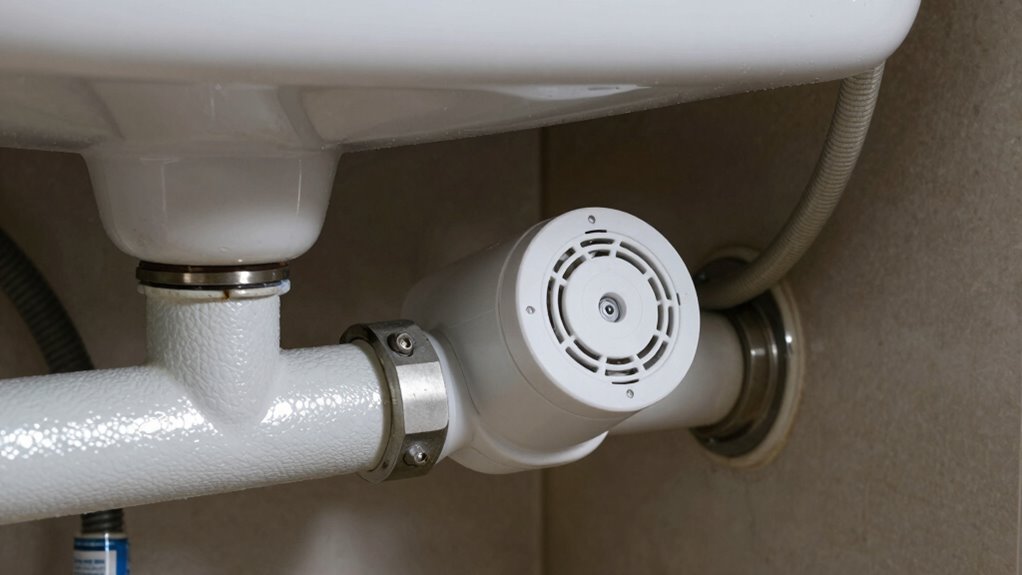
Hiding water leak sensors improperly can render them ineffective, even if they’re perfectly placed. Common mistakes include placing sensors too close to potential water sources, which can cause false alarms, or in areas with poor air circulation, reducing sensitivity. To avoid these pitfalls, consider these points:
- Neglecting sensor calibration, which can lead to inaccurate readings and missed leaks.
- Overlooking false alarm prevention, by avoiding placements near humidity-heavy appliances.
- Installing sensors too high or too low, missing small leaks or water accumulation.
- Ignoring regular testing, which ensures sensors respond correctly over time.
Tips for Testing and Maintaining Your Hidden Leak Sensors
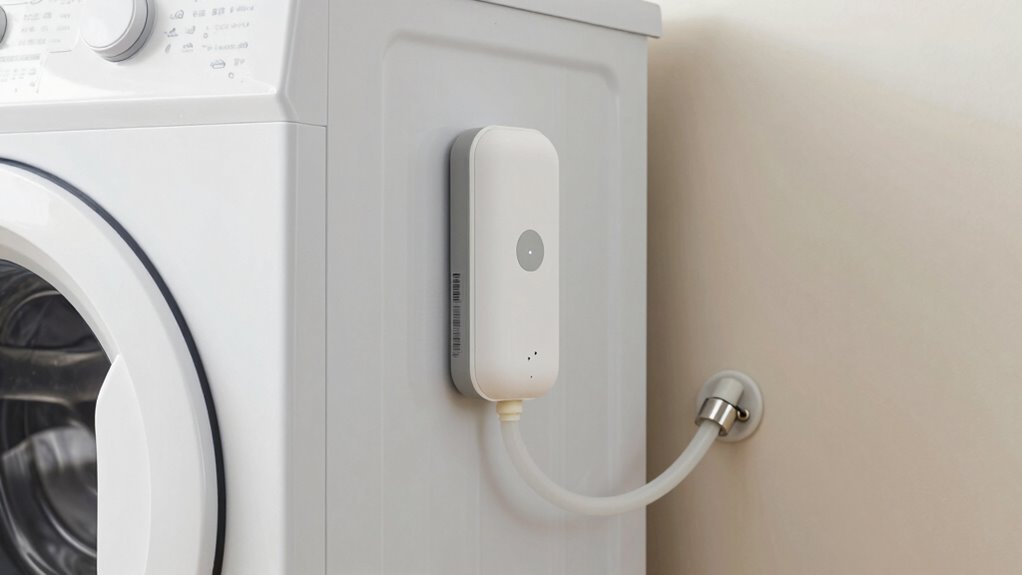
Regularly testing and maintaining your hidden water leak sensors is vital to guarantee they function correctly when needed. Start by performing alert testing monthly; simply trigger the sensor to ensure it activates and the alarm sounds promptly. Sensor calibration is also essential—check manufacturer instructions to confirm the sensor’s sensitivity remains accurate over time. Keep a maintenance log to track testing dates and calibration adjustments. To streamline this process, consider using a table like below:
| Task | Frequency | Notes |
|---|---|---|
| Alert testing | Monthly | Ensure alarm sounds correctly |
| Sensor calibration | Every 6 months | Follow manufacturer guidelines |
| Battery check | Monthly | Replace if battery is low |
| Physical inspection | Quarterly | Look for damage or corrosion |
Consistent testing and calibration keep your sensors reliable and ready to protect your home.
Frequently Asked Questions About Hiding Water Leak Sensors
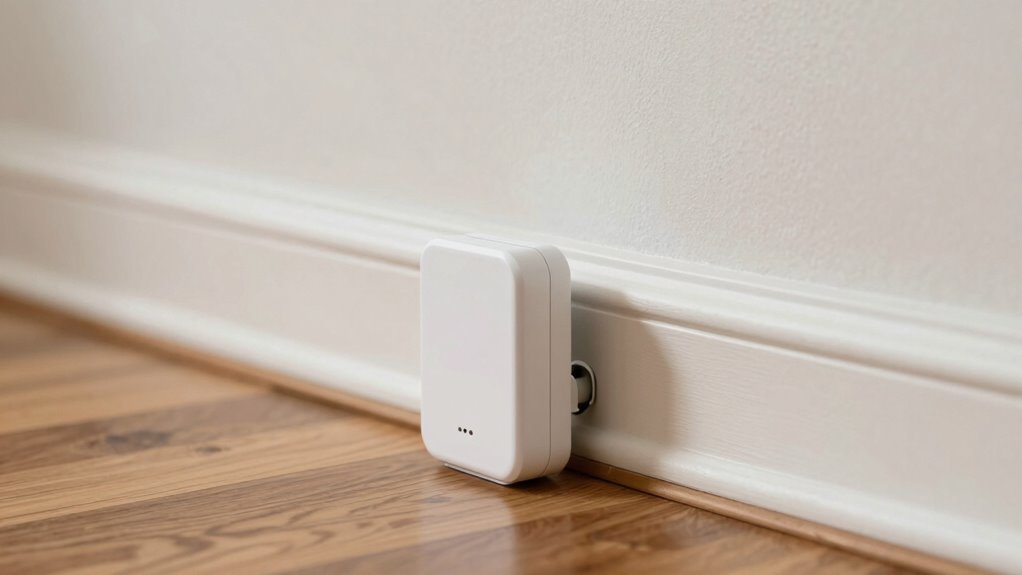
Are you wondering how to effectively hide water leak sensors without compromising their functionality? Proper sensor installation is key. First, choose waterproof materials for concealment, ensuring water contact doesn’t interfere with operation. Second, hide sensors in discreet spots like behind appliances or under cabinets—places that don’t block water flow or signals. Third, avoid obstructing vents or airflow, which can affect sensor accuracy. Fourth, test regularly to confirm that your hiding spots still allow for effective monitoring. Remember, the goal is to keep sensors out of sight but accessible for maintenance. Using waterproof materials and strategic placement ensures your sensors work reliably while remaining hidden, giving you peace of mind before disaster strikes.
Frequently Asked Questions
Can Water Leak Sensors Detect Slow Leaks Effectively?
Yes, water leak sensors can detect slow leaks effectively. You should place them near drain pipes or inside sink cabinets where slow leaks often develop. These sensors detect moisture early, alerting you before significant damage occurs. Regularly check their placement and keep them dry until needed. With the right positioning, you’ll catch slow leaks quickly, preventing costly repairs and water damage.
Are There Waterproof Sensors Suitable for Outdoor Use?
Like a sturdy ship weathering storms, waterproof sensors are perfect for outdoor use. You’ll find many designed with durable, weather-resistant materials, making them ideal for outdoor installation. These sensors resist water, dirt, and extreme temperatures, ensuring long-lasting performance. When choosing, look for those labeled as waterproof or outdoor-rated, so you can depend on their sensor durability and never worry about weather interfering with your leak detection.
How Often Should Hidden Leak Sensors Be Tested?
You should test your hidden leak sensors once a month to make certain proper sensor maintenance. Regular testing helps verify their functionality, allowing you to catch issues before a leak causes damage. Keep in mind, this routine also extends your sensor lifespan by preventing unnoticed malfunctions. By staying proactive with sensor testing, you ensure your system remains reliable and ready to alert you at the first sign of water trouble.
Do Hiding Spots Affect Sensor Sensitivity?
Yes, hiding spots can affect sensor sensitivity. Proper sensor placement and concealment techniques are vital to guarantee accurate detection. If you hide sensors too deeply or behind objects, they may not detect water leaks promptly. To maximize sensitivity, choose visible yet discreet locations near potential leak sources, like under sinks or behind appliances. Avoid blocking sensors with furniture or thick materials, so they can reliably alert you to water issues.
Can Multiple Sensors Be Connected for Comprehensive Coverage?
Yes, you can connect multiple sensors for thorough coverage by creating a sensor network. For example, in a household, installing sensors in the basement, kitchen, and laundry room ensures all vulnerable areas are monitored. This setup optimizes coverage, reduces blind spots, and enhances detection accuracy. By linking sensors, you improve the system’s reliability, making it easier to protect your home from water damage through effective coverage optimization.
Conclusion
So, now that you know the sneaky spots to hide your water leak sensors, don’t forget to give them a quick test run—because nothing says “I’ve got this under control” like a false alarm in the middle of the night. Hide them wisely, maintain them diligently, and sleep soundly knowing you’ve outsmarted disaster… or at least made it a little more challenging. After all, who knew protecting your home could be this secretly fun?