
AI-based predictive maintenance helps you keep your home systems running smoothly by detecting issues early before they become costly or disruptive. It monitors appliances, HVAC, plumbing, and electrical systems, identifying inefficiencies and potential failures. This technology saves you money on repairs, reduces energy waste, and improves home comfort. Plus, it provides real-time alerts and tailored suggestions. Keep exploring to discover how these solutions can make your home smarter and more efficient.
Key Takeaways
- AI-powered systems detect early signs of appliance, HVAC, plumbing, and electrical issues to prevent costly repairs.
- These solutions optimize energy use, reduce utility bills, and lower the home’s carbon footprint through proactive maintenance.
- Predictive maintenance provides real-time alerts and scheduling options via user-friendly interfaces, enhancing home management.
- Machine learning personalizes maintenance recommendations based on the home’s unique usage patterns for improved accuracy.
- Incorporating cybersecurity ensures connected home systems remain protected against potential threats.

Predictive maintenance powered by AI is transforming how you manage your home systems, helping you catch problems early before they become costly repairs. This technology analyzes data from your appliances, HVAC, plumbing, and electrical systems to detect patterns indicating potential issues. By doing so, it guarantees your home remains efficient and comfortable while preventing unexpected breakdowns. One of the key benefits is improved energy efficiency. AI-driven predictive maintenance identifies inefficiencies—such as a malfunctioning HVAC component or a leaky pipe—that cause energy waste. When these issues are addressed promptly, your home consumes less power, reducing utility bills and your carbon footprint. It’s a smart way to maximize your energy use without constant manual monitoring. Additionally, integrating cybersecurity measures ensures that your connected systems remain protected from potential digital threats, safeguarding your home’s data and privacy.
AI-powered predictive maintenance boosts home efficiency by detecting issues early, saving energy, money, and reducing environmental impact.
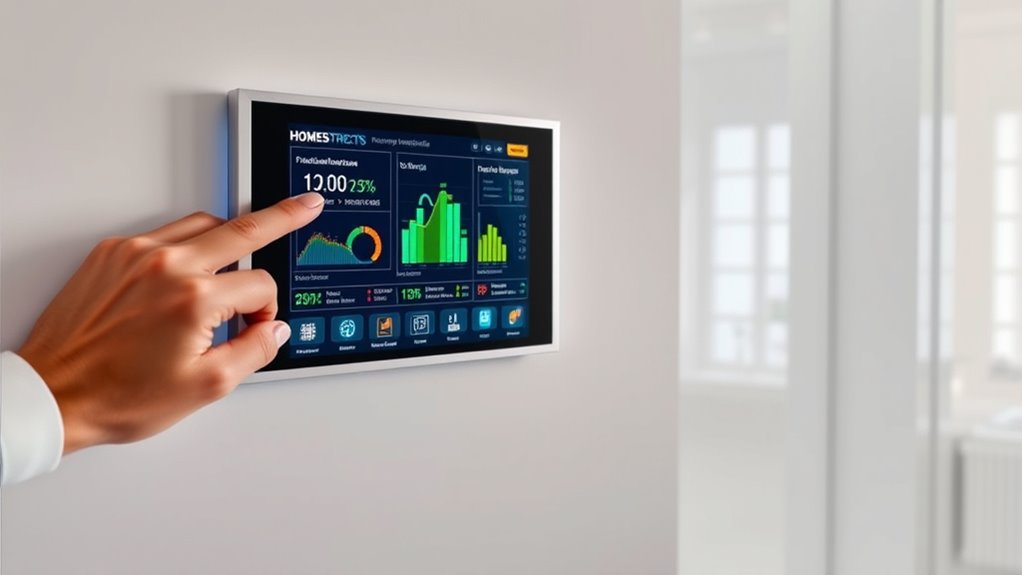
Beyond saving energy, AI enhances your user experience by making home management more seamless and intuitive. Instead of reactive repairs that disrupt your schedule, predictive maintenance provides proactive alerts, giving you time to schedule repairs at your convenience. This shifts your home from a reactive environment to a proactive one, increasing comfort and peace of mind. With real-time insights delivered through user-friendly apps or smart home interfaces, you gain clarity about your home’s health at a glance. You’re no longer in the dark about potential issues; instead, you’re empowered to take action early, often with minimal effort.
The AI systems learn from your home’s unique patterns over time, continuously refining their predictions. This personalized approach means that maintenance recommendations become more accurate and tailored to your specific setup. As a result, you experience fewer disruptions, and your home runs more smoothly. The user experience is further elevated by automation capabilities—certain issues can be addressed automatically or with minimal input from you, reducing the hassle of managing complex systems. Overall, predictive maintenance powered by AI simplifies home upkeep, making it less stressful and more efficient.
In essence, AI-based predictive maintenance offers a smarter way to care for your home. It balances energy efficiency with an improved user experience, ensuring your home operates at its best while saving you money and reducing inconvenience. By catching issues early, it helps you avoid costly repairs and extends the lifespan of your appliances and systems. As this technology continues to evolve, you can expect even more intuitive, personalized solutions that enhance your home’s performance and your daily life. Embracing AI-driven predictive maintenance isn’t just about modernizing your home—it’s about creating a more efficient, comfortable, and hassle-free environment for you.
Frequently Asked Questions
How Secure Is My Data With AI Predictive Maintenance Systems?
Your data’s security with AI predictive maintenance systems depends on the cybersecurity measures in place. Reputable providers prioritize data privacy and implement robust encryption, secure access controls, and regular security updates. While no system is entirely foolproof, choosing trusted vendors and staying informed about their security practices helps protect your information. Ultimately, your data remains safer when extensive cybersecurity measures are actively maintained and transparent.
Can Predictive Maintenance Be Customized for Unique Home Setups?
Yes, predictive maintenance can be customized for your unique home setup. You can tailor the system to fit your specific home customization needs by adjusting sensors and algorithms. Proper system integration guarantees compatibility with your existing devices and infrastructure, allowing the predictive maintenance to work seamlessly. This customization helps optimize performance, prevent failures, and prolong the lifespan of your home systems, making maintenance more efficient and personalized to your lifestyle.
What Are the Long-Term Cost Savings of Ai-Based Home Maintenance?
You’ll see savings so massive they seem like a fortune! AI-based home maintenance considerably reduces costs by preventing costly repairs and optimizing energy use. Over time, it boosts efficiency, cutting down utility bills and extending your system’s lifespan. These long-term cost reductions can add up to a substantial financial benefit, making your home smarter and more economical. With consistent maintenance, you’ll enjoy a more comfortable, efficient home for years to come.
How Does AI Handle False Alarms or Maintenance Alerts?
AI handles false alarms through false alarm mitigation techniques, constantly refining its algorithms to improve alert accuracy. When an alert is triggered, the system analyzes data patterns to determine if maintenance is truly needed, reducing unnecessary notifications. If a false alarm occurs, AI learns from it, adjusting future predictions. This guarantees you receive timely, accurate alerts without being overwhelmed by false alarms, saving you time and avoiding unneeded maintenance.
Is Professional Installation Necessary for AI Predictive Maintenance Devices?
You can definitely do DIY installation for AI predictive maintenance devices, but professional installation often guarantees proper setup and peak performance. If you’re comfortable with basic tech tasks, user training helps you understand the device’s features and troubleshoot minor issues. However, professional installers bring expertise, guaranteeing seamless setup, safety, and ideal operation, especially with complex systems. Ultimately, choose what’s best for your skill level and confidence to keep your home healthy and hassle-free.
Conclusion
So, next time your smart fridge claims it’s “just resting,” remember, it’s probably just plotting its next breakdown. With AI predictive maintenance, your home systems might finally get their act together—if they choose to cooperate. Until then, enjoy the thrill of unexpected failures, because who doesn’t love a good surprise? Embrace the future where your appliances know more about your habits than you do—just don’t ask them to fix themselves, yet.