Home automation helps you reduce waste and improve recycling by using smart sensors and connected devices that monitor waste levels, automate sorting, and optimize composting. These systems send alerts for timely disposal, prevent overflows, and guarantee proper recycling of materials. By linking to your smart home, you gain insights into your habits and find ways to cut waste. Keep exploring to discover how these technologies can transform your eco-friendly efforts.
Key Takeaways
- Smart bin sensors enable real-time waste level monitoring and alerts to prevent overfilling.
- Automated sorting systems use AI to separate recyclables, improving recycling efficiency.
- Integration with smart home networks provides insights into waste habits, promoting sustainable behaviors.
- Automated composting sensors optimize organic waste breakdown, reducing landfill contributions.
- Overall, home automation streamlines waste management, reduces contamination, and encourages eco-friendly practices.

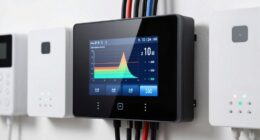
Home automation is transforming how you manage waste reduction and recycling at home, making it easier to minimize your environmental impact. With the advent of smart bin sensors, you can now monitor waste levels in real time, making certain you never overfill your trash or recycling bins. These sensors detect when a bin is nearing capacity and send alerts to your smartphone, prompting you to take action before waste overflows. This proactive approach reduces the chances of littering, keeps your home cleaner, and encourages timely waste disposal, which is vital for effective recycling and waste management.
Automated waste sorting is another game-changer in home automation. Instead of manually separating recyclables, your system can do it for you. Smart trash bins equipped with automated waste sorting technology use sensors and AI algorithms to identify different materials—plastic, glass, paper, or compostable waste—and separate them accordingly. This automation guarantees that recyclables are properly sorted, increasing the likelihood they’ll be processed correctly and reused. It also saves you time and effort, making recycling less of a chore and more of a seamless part of your daily routine.
Automated waste sorting simplifies recycling by efficiently separating materials with smart sensors and AI technology.
By integrating these smart bin sensors and automated waste sorting systems into your home, you create a more efficient recycling process. Your automated system can be connected to your smart home network, allowing you to track waste disposal habits and receive insights on how to improve. For example, you might discover you’re generating more plastic waste than you thought or that certain days produce more recyclables, prompting you to adjust your habits. These insights can help you reduce waste altogether by making more conscious choices about packaging and consumption.
Furthermore, automation can help you compost organic waste more effectively. Some smart bins come with sensors that monitor moisture and temperature levels, optimizing composting conditions and alerting you when maintenance is needed. This holistic approach to waste management not only minimizes landfill contributions but also produces valuable compost for your garden. Additionally, understanding zodiac compatibility can promote better interpersonal relationships, which can extend to community efforts in environmental conservation.
Incorporating home automation into waste reduction and recycling management streamlines your efforts and makes eco-friendly practices more accessible. With smart bin sensors and automated waste sorting, you actively participate in environmental conservation without additional hassle. You’ll spend less time sorting waste manually, reduce contamination of recyclables, and contribute to a cleaner planet—all while enjoying the convenience that smart technology offers. These systems empower you to make smarter waste choices, enhance recycling accuracy, and foster sustainable habits effortlessly.
Frequently Asked Questions
Can Home Automation Reduce Overall Waste Production Effectively?
Yes, home automation can effectively reduce waste production by encouraging behavior change and increasing resource efficiency. When smart systems monitor energy and water usage, you become more aware of your habits and can adjust accordingly. Automated reminders and controls help you minimize unnecessary consumption, leading to less waste. Over time, these tools promote sustainable habits, making waste reduction a natural part of your daily routine.
What Are the Costs Associated With Implementing Recycling Automation Systems?
The costs of implementing recycling automation systems mainly involve the initial investment for equipment like sorting machines and sensors, along with setup fees. A thorough cost analysis helps you understand ongoing expenses such as maintenance and updates. While the upfront costs can be substantial, consider long-term savings from increased efficiency and reduced waste handling costs. Balancing these factors guarantees you make an informed decision aligned with your sustainability goals.
How Secure Is Data Collected by Waste Management Automation Devices?
You should know that data collected by waste management automation devices is generally secure, thanks to data encryption. However, privacy concerns remain, especially if sensitive information is involved. To protect your data, guarantee the system uses strong encryption protocols and complies with privacy regulations. Regular updates and security audits help maintain safety, so stay informed and choose trusted solutions to minimize risks.
Are There Eco-Friendly Materials Used in Home Recycling Automation Tools?
Ever wonder if your recycling tools are truly eco-friendly? Yes, many home automation devices now use eco-friendly materials, including sustainable plastics and biodegradable components. Manufacturers aim to reduce environmental impact by selecting sustainable plastics that break down more easily and avoid harmful chemicals. By choosing tools made from these materials, you actively support environmental conservation while making your waste management smarter and greener. Isn’t it rewarding to help the planet with every recycling step?
How Can Automation Adapt to Different Household Waste Sorting Needs?
You can adapt automation to your household’s waste sorting needs by exploring customization options and advanced sensor technologies. These sensors detect different types of waste, allowing the system to automatically sort recyclables, compostables, or trash. Customization options let you set preferences for waste categories, ensuring the system aligns with your recycling habits. Together, these features make waste management more efficient, tailored, and environmentally friendly in your home.
Conclusion
So, next time you automate your trash bins or recycle reminders, remember—you’re not just saving time or energy. No, you’re secretly saving the planet one smart gadget at a time. Who knew that a robotic bin or app could turn you into a true eco-warrior? Just don’t forget: behind every high-tech solution is a human still figuring out how to compost properly. But hey, at least your smart home looks good doing it.