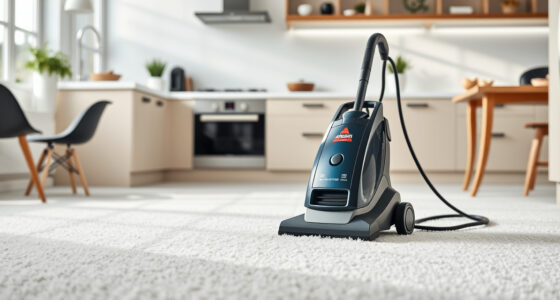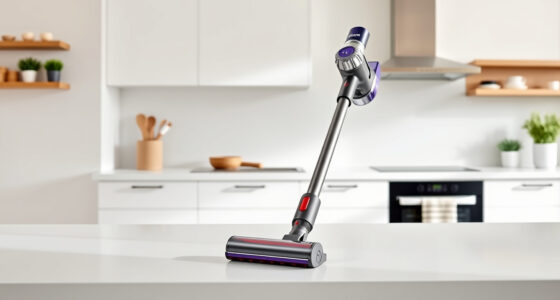
Neglecting proper cleaning habits, skipping protective coatings, or using harsh tools and products can speed up your floors’ aging process. Cleaning too often or infrequently damages surfaces, while rough scrubbers cause scratches that trap dirt. Using inappropriate cleaners like vinegar can weaken finishes. Without regular maintenance and the right tools, your floors wear out faster and look dull. To keep your surfaces in top shape longer, consider the tips ahead that can help you avoid these common mistakes.

Get home appliances delivered free with Prime
- Fast, free delivery on millions of items
- Prime Video, Amazon Music and more included
- Member-only deals all year
Key Takeaways
- Cleaning too frequently or infrequently can accelerate surface wear and dullness.
- Skipping or neglecting protective coatings exposes floors to damage and speeds up aging.
- Using harsh or inappropriate cleaning products can strip finishes and weaken flooring surfaces.
- Employing abrasive tools or rough scrubbers causes scratches and surface degradation.
- Ignoring proper maintenance practices leads to premature aging and costly repairs.
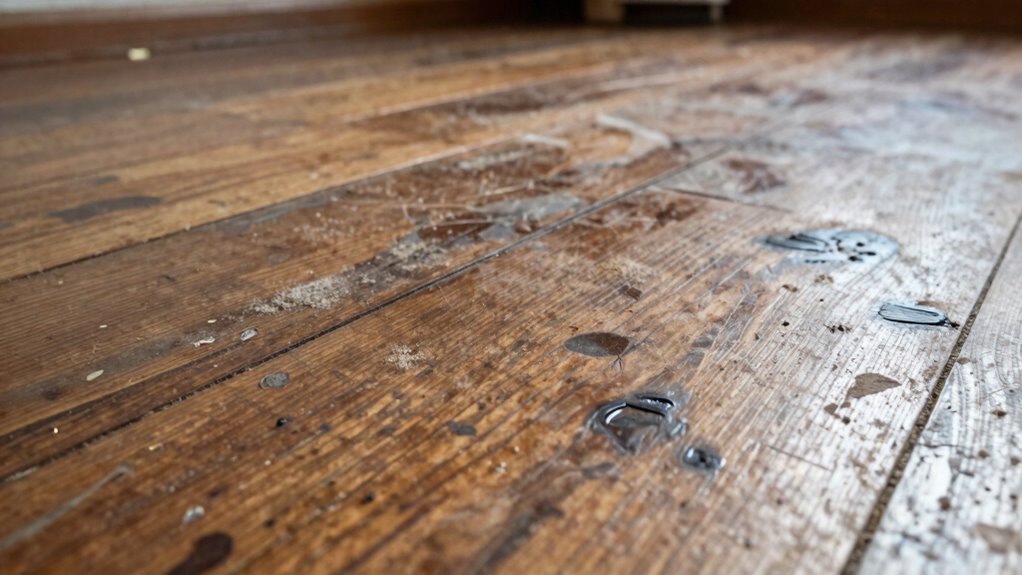
Maintaining clean floors might seem straightforward, but even small mistakes can cause long-term damage. One common error is neglecting the importance of proper cleaning frequency. Cleaning too often can wear down your flooring’s surface, especially if you use harsh chemicals or abrasive tools. On the other hand, cleaning too infrequently allows dirt and debris to settle in, which can scratch or dull the surface over time. Striking the right balance means understanding your floor type and establishing a consistent cleaning schedule that effectively removes dirt without causing unnecessary wear.
Finding the right cleaning balance protects your floors from damage and wear over time.
Another mistake many homeowners make is overlooking the significance of protective coatings. Protective coatings act as a barrier against scratches, stains, and general wear. Skipping or neglecting these coatings can accelerate surface aging, making floors look aged and damaged much sooner. If you already have a protective layer, it’s essential to maintain it by applying re-coats when needed. Failing to do so leaves your floors vulnerable to daily impacts, spills, and foot traffic, all of which contribute to premature aging. Recognize that protective coatings aren’t a one-and-done solution; regular maintenance and timely reapplications help preserve your floors’ appearance and integrity.
People often underestimate the impact of using unsuitable cleaning methods or products. For example, using a wet mop on hardwood floors without a proper cleaner can cause water damage, leading to warping or swelling. Similarly, using vinegar or lemon juice on certain surfaces can degrade protective coatings or the finish altogether. It’s imperative to choose cleaning products specifically designed for your flooring material and to follow manufacturer recommendations. This guarantees you’re not unintentionally stripping away protective layers or damaging the surface, which accelerates aging. Additionally, using the wrong cleaning techniques can negate the benefits of proper products, so understanding cleaning best practices is vital for longevity. Incorporating appropriate cleaning methods can further extend the lifespan of your floors. Moreover, employing eco-friendly cleaning tools**** can help maintain a healthier environment while caring for your surfaces.
Additionally, many forget that the type of cleaning tools matters just as much as the cleaning products and frequency. Using rough or abrasive scrubbers can scratch delicate surfaces, creating tiny imperfections that collect dirt and become difficult to remove over time. Instead, opt for soft-bristled brushes or microfiber mops, especially when cleaning sensitive flooring types. Properly maintaining your cleaning tools is just as essential as how often and with what products you clean. Being aware of biodiversity and sustainable practices in choosing eco-friendly cleaning tools can also contribute to more environmentally responsible maintenance. This mindful approach not only benefits the environment but can also help maintain the integrity of your floors over the long term.
In essence, the key to extending the life of your floors lies in understanding that cleaning frequency, protective coatings, suitable cleaning methods, and proper tools all work together. Avoiding shortcuts and paying attention to these details ensures your floors stay beautiful longer, saving you money and the hassle of early replacements. Small, consistent efforts today prevent costly damage tomorrow.
Products Worth Considering

Roborock Qrevo S Pro Robot Vacuum and Mop

Dyson Big Ball Multi Floor Canister Vacuum, Yellow

Roborock Q7 M5+ Robot Vacuum and Mop with Self-Emptying Dock
As an affiliate, we earn on qualifying purchases.
Frequently Asked Questions
How Often Should I Deep Clean My Floors for Longevity?
You should deep clean your floors every three to six months, depending on foot traffic and surface type. Incorporate routine maintenance into your cleaning schedules to prevent dirt and grime buildup that can cause premature aging. Regular deep cleaning helps preserve the surface’s appearance and prolongs its lifespan. Avoid neglecting this step, as it keeps your floors looking fresh and prevents costly repairs or replacements down the line.
Are There Specific Cleaning Products to Avoid for Delicate Surfaces?
You should avoid harsh chemicals and abrasive tools on delicate surfaces because they can cause damage and accelerate aging. Stick to gentle, pH-neutral cleaners specifically designed for your surface type. Always read labels, and test a small area first. Using harsh chemicals or abrasive tools can dull finishes, scratch surfaces, and lead to quicker wear, so be cautious to preserve your floors’ beauty and longevity.
Can Using Too Much Water Damage Certain Flooring Types?
Yes, using too much water can definitely damage certain flooring types. Excess moisture seeps into cracks, crevices, and porous surfaces, leading to swelling, warping, and water damage. You want to avoid saturating floors during cleaning, especially with hardwood, laminate, or cork. Instead, opt for damp mops and gentle cleaning methods. By controlling moisture, you protect your floors from lasting damage and preserve their beauty for years to come.
What Are Signs My Floor Needs Professional Restoration?
You’ll notice surface discoloration or uneven patches that signal your floor needs professional restoration. If you see warping, buckling, or cracks, these indicate potential structural damage beneath the surface. Don’t ignore persistent stains or a foul odor, as they also point to deeper issues. Addressing these signs promptly with a professional guarantees your flooring’s longevity and prevents costly repairs down the line.
How Does Foot Traffic Impact Floor Surface Aging?
Think your floors are aging gracefully? Think again! Your footwear habits and traffic patterns play a starring role in that accelerated wear and tear. Constant foot traffic, especially in high-traffic zones, wears down surfaces faster, making them look tired and old. Shoes with rough soles or heels gouge the floor, while frequent passage in the same spots creates visible paths. So, if you want your floors to stay youthful, watch those traffic patterns and swap those shoes!
Conclusion
So, here’s the irony: the very mistakes you make to protect your floors might be speeding up their aging. You sweep or mop without care, use harsh chemicals, or skip routine maintenance—and suddenly, your beloved surfaces start showing their age faster. It’s almost poetic how a little neglect or wrong choice can turn your efforts into their undoing. Take care, or your floors might just be the first to remind you that age is catching up.