
Smart light switches and bulbs do more than just respond to voice commands. They help you save energy by optimizing lighting and scheduling lights to turn off when not needed. You can create custom routines, control lights remotely via apps, and automate based on motion or natural light. Plus, many offer features like color-changing options and dimming for personalized ambiance. Keep exploring to discover even more ways these smart devices enhance your lighting experience.
Key Takeaways
- Many smart lighting devices offer advanced scheduling, automation, and environmental responses beyond basic voice commands.
- Features like color-changing, dimming, and scene customization enhance ambiance and user experience.
- Integration with other smart home systems allows for coordinated automation and remote control.
- Compatibility with various protocols ensures stable connectivity and seamless device operation.
- Smart switches often include safety features such as remote control, energy monitoring, and compatibility with home wiring.
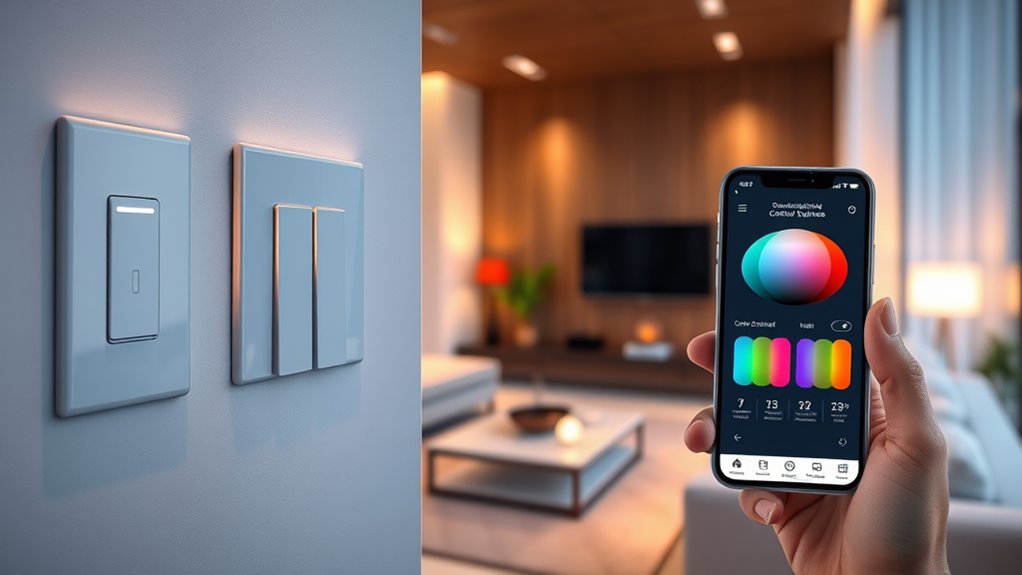
Smart light switches and bulbs are revolutionizing the way you control your home’s lighting. No longer do you have to rely solely on manual switches or standard bulbs; instead, you can customize your lighting experience to suit your lifestyle and preferences. One of the biggest advantages is energy efficiency. These smart devices are designed to optimize your lighting usage, helping you reduce electricity consumption and lower your utility bills. By scheduling lights to turn off when not needed or dimming them during the day, you conserve energy without sacrificing comfort. This efficiency isn’t just good for your wallet; it’s also better for the environment.
When it comes to installing smart switches and bulbs, a few tips can make the process smoother. First, ensure your home’s wiring is compatible, especially for smart switches, which often replace traditional wall switches. Turning off the power at the circuit breaker before starting is essential for safety. If you’re comfortable with basic electrical work, replacing a switch can be straightforward: remove the existing switch, connect the smart switch following the manufacturer’s instructions, and restore power to test the setup. For bulbs, installation is even simpler—just screw in the smart bulb into any compatible socket. Always verify the bulb’s compatibility with your Wi-Fi network and your smart home platform, whether it’s Alexa, Google Assistant, or another system. Most smart bulbs connect via Wi-Fi or Zigbee/Zigbee, and ensuring your hub or router supports these protocols will prevent connectivity issues.
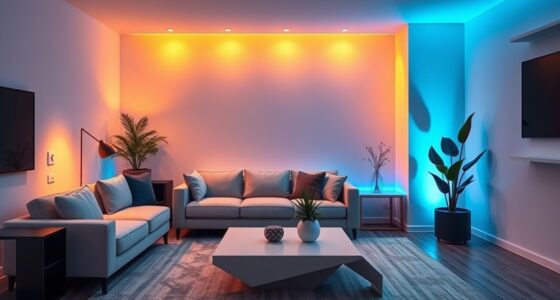
Beyond installation, smart switches and bulbs offer more than just voice control. They enable you to create customized schedules, sync lighting with your daily routines, or control lights remotely through smartphone apps. Some systems even support automation based on motion detection or natural light levels, making your home more responsive and energy-conscious. Additional features include color-changing options, dimming capabilities, and integration with other smart home devices, which enhance both convenience and ambiance. These features give you a level of control and personalization that traditional lighting simply can’t match.
Frequently Asked Questions
Can Smart Switches Be Installed Without Professional Help?
Yes, you can install smart switches yourself if you follow the installation guidelines carefully. Make sure to turn off the power before starting, and use a voltage tester to check connections. Familiarize yourself with wiring diagrams and safety precautions. If you encounter issues, DIY troubleshooting can help identify common problems like loose wires or incorrect connections. However, if you’re unsure or uncomfortable, it’s best to consult a professional electrician for safety.
Do Smart Bulbs Work During Power Outages?
Smart bulbs typically don’t work during power outages because they rely on the main power supply. However, if you want backup power for temporary lighting, consider installing a UPS or a battery backup system. This way, you can keep your smart bulbs or other essential lights functioning during outages, making sure you have reliable lighting when you need it most.
Are Smart Switches Compatible With All Lighting Fixtures?
Smart switches suit a wide variety of lighting fixtures, but compatibility can vary. You’ll want to double-check if your fixtures support dimming capabilities or color customization, since some switches work better with certain types. For example, LED or incandescent fixtures often pair perfectly. Before installing, guarantee your switch syncs smoothly with your fixture’s features, so your space shines with seamless control and vibrant visual appeal.
How Secure Are Smart Lighting Systems From Hacking?
Smart lighting systems are generally secure if you use strong encryption protocols and keep your firmware updated regularly. Hackers target weak security, so enable automatic updates and use complex passwords. Be cautious with third-party integrations and Wi-Fi networks. While no system is 100% foolproof, following these best practices minimizes risks, helping protect your smart lighting from potential hacking attempts.
Can Smart Bulbs Be Used Outdoors Safely?
Yes, you can use smart bulbs outdoors safely if they have proper outdoor durability and weather resistance. Look for bulbs specifically rated for outdoor use, which can withstand rain, humidity, and temperature fluctuations. Installing them in protected fixtures or covered areas further enhances safety. Always check the manufacturer’s specifications to verify the bulbs are designed for outdoor environments, preventing damage and ensuring reliable performance in various weather conditions.
Conclusion
While voice control is convenient, smart light switches and bulbs offer much more—like customizable schedules, energy savings, and remote access. Imagine controlling your lights from anywhere, yet still enjoying the simple satisfaction of a perfectly lit room without voice commands. These features go beyond just convenience; they transform your space into a smarter, more efficient home. So, don’t just rely on voice—embrace the full range of possibilities and make your lighting truly intelligent.