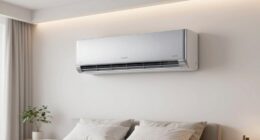
Inverter window ACs are a smart upgrade that many overlook for quieter, more efficient cooling. Unlike traditional units that turn on and off, inverter models adjust compressor speed based on your cooling needs, reducing noise and saving energy. This means you get consistent comfort without the loud noises or high energy bills. If you want to discover how these advanced units can transform your space, keep exploring the benefits and features they offer.
Key Takeaways
- Inverter window ACs operate more quietly due to variable-speed compressors that reduce noise during operation.
- They adapt cooling demand in real-time, minimizing compressor cycling and thus decreasing operational noise levels.
- Advanced sound insulation and noise reduction features in inverter units further enhance quiet operation.
- Proper installation and regular maintenance, like cleaning filters and sealing gaps, significantly improve noise levels.
- Many overlook these quiet features, missing out on a cooler, more peaceful environment with inverter AC upgrades.
What Are Inverter Window ACs and How Do They Work?

Inverter window air conditioners are an advanced type of cooling device designed to operate more efficiently than traditional units. They use variable-speed compressors that adjust their power based on the room’s cooling needs, which markedly boosts energy efficiency. Unlike conventional ACs that turn on and off repeatedly, inverters modulate their operation, reducing energy consumption and lowering your electricity bills. This smarter operation also lessens environmental impact by decreasing greenhouse gas emissions. You’ll notice quieter operation and consistent cooling, making your space more comfortable. By optimizing power use and extending the lifespan of the compressor, inverter window ACs offer a sustainable, eco-friendly alternative to older models. They’re a smart choice for eco-conscious homeowners seeking efficient, effective cooling.
How Do Inverter Window ACs Compare to Traditional Units?

While traditional window ACs cycle their compressors on and off to maintain temperature, inverter units continuously adjust their compressor speed to match cooling demands. This results in better energy efficiency, as inverter models consume less power by avoiding constant startup spikes. Over time, this can markedly lower your energy bills compared to traditional units. Additionally, inverter technology offers smoother operation, reducing noise and vibrations that can disrupt your comfort. The temperature stability provided by inverter ACs enhances overall comfort by maintaining a more consistent indoor climate. This advanced control also contributes to long-term durability, helping the unit operate more reliably over its lifespan. Here’s a quick comparison:
| Feature | Traditional AC | Inverter AC |
|---|---|---|
| Energy Use | Higher due to on/off cycling | Lower, steady operation |
| Cost | Usually cheaper upfront | Slightly higher initial cost |
| Cooling Consistency | Less stable | More consistent and quiet |
Inverter window ACs typically cost more initially but save you money over time through lower energy bills and improved comfort. Understanding how inverter technology works can help you make a more informed decision when choosing your cooling system.
Why Are Inverter ACs Cooler and Quieter Than Standard Models?

Because inverter ACs adjust their compressor speed continuously rather than turning it on and off, they operate more smoothly and efficiently. This steady operation helps maintain a consistent cooling level, making your space feel cooler without sudden temperature fluctuations. Their energy efficiency means they use less power, reducing your electricity bills and lowering environmental impact. Additionally, the quieter operation results from the compressor running at lower speeds, decreasing noise levels markedly. Standard models often cycle their compressors on and off, creating loud noises and inconsistent comfort. Inverter ACs’ ability to modulate their compressor speed leads to less vibration and noise, making your environment more peaceful. Furthermore, their adaptive cooling technology optimizes compressor performance for enhanced comfort. This technology also contributes to longer-lasting components by reducing wear and tear, ensuring durability over time. Another benefit of inverter technology is its ability to respond quickly to changing cooling demands, providing rapid temperature adjustments that enhance overall comfort. Thanks to variable speed compressors, inverter ACs can better adapt to fluctuating conditions, optimizing performance and comfort. Additionally, the advanced inverter systems incorporate smart controls that enable more precise temperature regulation. Overall, this combination of cooler, quieter operation benefits both your comfort and the planet.
What Features Should You Look for in the Best Inverter Window AC?

When shopping for the best inverter window AC, focusing on key features can guarantee you get a model that delivers reliable cooling, energy efficiency, and quiet operation. First, look for units with high energy efficiency ratings, such as ENERGY STAR certification, to reduce power consumption and save on bills. Second, check for adjustable fan speeds and smart temperature control to customize comfort and optimize performance. Third, consider models with straightforward installation tips, like clear instructions and easy mounting options, ensuring hassle-free setup. These features help maximize inverter AC benefits, ensuring quieter operation and better energy management. Prioritizing these aspects ensures you select a model that’s efficient, easy to install, and perfectly suited to your cooling needs.
How Much Can You Save on Energy Bills With an Inverter Window AC?
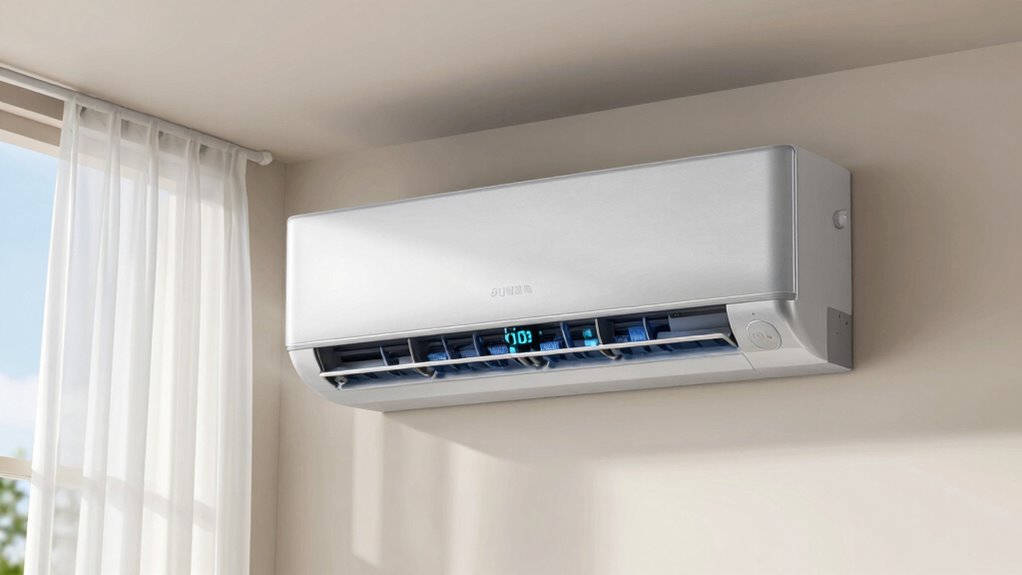
Inverter window ACs are designed to consume less energy than traditional models, leading to noticeable savings on your electricity bills. Because they adjust their compressor speed based on cooling needs, they use energy more efficiently. This energy saving can notably lower your monthly expenses, especially during peak usage seasons. The cost benefits of inverter technology add up over time, making it a smart investment. You might see savings of 20-30% compared to standard ACs, depending on usage and unit efficiency. The initial higher purchase price is often offset by these long-term savings. Additionally, requirements traceability ensures that the energy-efficient features meet compliance standards, providing peace of mind. Improved energy efficiency means your AC can adapt to changing conditions more effectively, further reducing unnecessary power consumption. If you’re looking to cut energy costs without sacrificing comfort, upgrading to an inverter window AC is a practical choice that pays off in the long run.
Debunking Common Myths About Inverter Window Air Conditioners
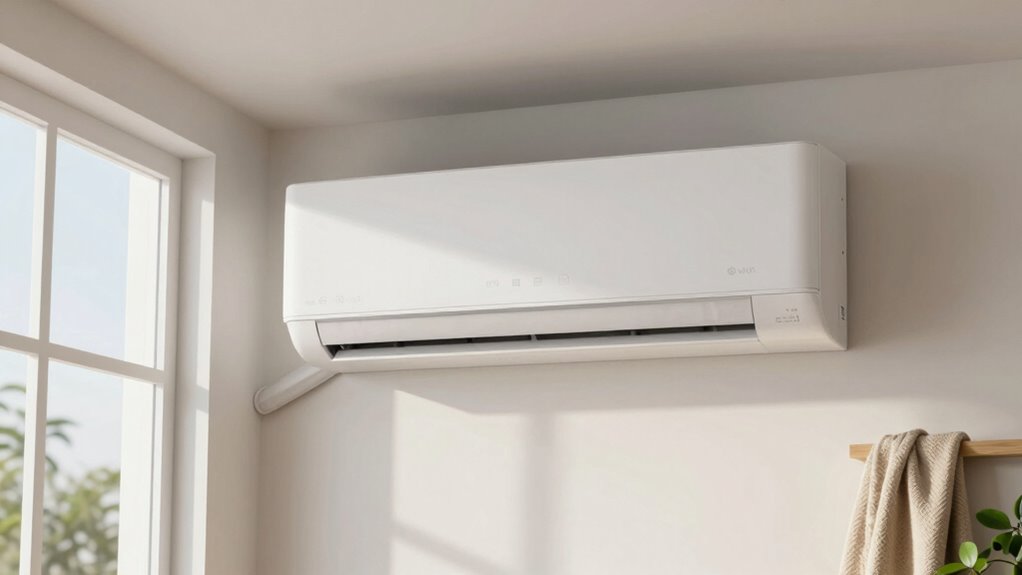
Many people believe inverter window ACs are noisy or less efficient, but that’s often mistaken. You’ll find that they operate quietly and can actually save you money over time. Let’s clarify these myths and look at the facts about cost, noise, and efficiency. In fact, their Free Floating technology allows for smoother operation and reduced energy consumption, making them a superior choice for modern cooling needs. Additionally, the energy efficiency of inverter models can significantly lower your electricity bills compared to traditional units. Understanding cost benefits can help consumers make more informed decisions about upgrading their cooling systems. Moreover, the filtration systems in many inverter window ACs are designed to improve indoor air quality, which is especially beneficial for allergy sufferers. Installing these units with proper safety precautions ensures safe operation and optimal performance over time.
Inverter Efficiency Myths
Despite what some people believe, inverter window air conditioners are not necessarily less efficient than traditional models. In fact, they often save more energy in the long run. Common myths include ideas that inverters consume more power or wear out quickly. In reality:
- Inverter technology adapts to demand, reducing energy use during lower cooling needs. Energy efficiency is a key benefit that distinguishes modern inverter units from older models.
- They can contribute to a smarter grid by adjusting operation based on overall energy demand.
- Properly maintained inverters have a long lifespan, ensuring consistent efficiency over years. Energy consumption is minimized through precise control over compressor speed and operation.
- The ability of inverter units to modulate compressor speed is supported by neurobiological factors that influence device durability and performance.
- Time management plays a crucial role in understanding how inverter systems optimize energy consumption and extend equipment longevity.
Using an inverter not only cuts energy costs but also supports the environment. The myth that inverters are short-lived or inefficient is unfounded—modern units are built for durability, making them a smart choice for reliable, efficient cooling.
Noise Level Facts
One common misconception is that inverter window air conditioners are excessively noisy due to their advanced technology. In reality, their noise comparison often favors inverter models, which operate more smoothly and quietly than traditional units. The key lies in sound insulation; inverter ACs adjust their compressor speed gradually, reducing vibration and noise. This gradual adjustment not only minimizes noise but also helps maintain consistent temperature and humidity levels, which can be especially beneficial in maintaining humidity management within your space. Additionally, the use of sound-dampening materials in inverter ACs further enhances their quiet operation, making them a suitable choice for noise-sensitive environments. These improvements are driven by advanced noise reduction features incorporated into modern inverter units, which actively work to suppress operational sound. This means you experience less disruptive sound during operation, especially at lower speeds. Many people assume that advanced tech equals loudness, but inverter window ACs are designed to minimize noise levels. In fact, they often run quieter than non-inverter units, providing a more peaceful environment. So, if you’re worried about noise, you’ll find that inverter window air conditioners deliver on quiet performance, challenging common myths with their superior sound insulation and noise management.
Cost and Savings
While inverter window air conditioners are often praised for their quiet operation, some people believe they come with a hefty price tag and high running costs. However, their energy efficiency can lead to significant savings over time. The initial investment might be higher, but it’s balanced by lower utility bills. Consider these points:
- Reduced electricity consumption due to variable-speed compressors.
- Faster cooling with less energy waste.
- Long-term savings outweigh the upfront cost.
Most users find that inverter ACs pay for themselves through lower energy bills within a few years. Their efficiency not only cuts costs but also minimizes environmental impact. So, don’t let myths about cost discourage you—these units offer a smart investment that saves money in the long run.
Installing and Maintaining Your Inverter Window AC for Peak Performance
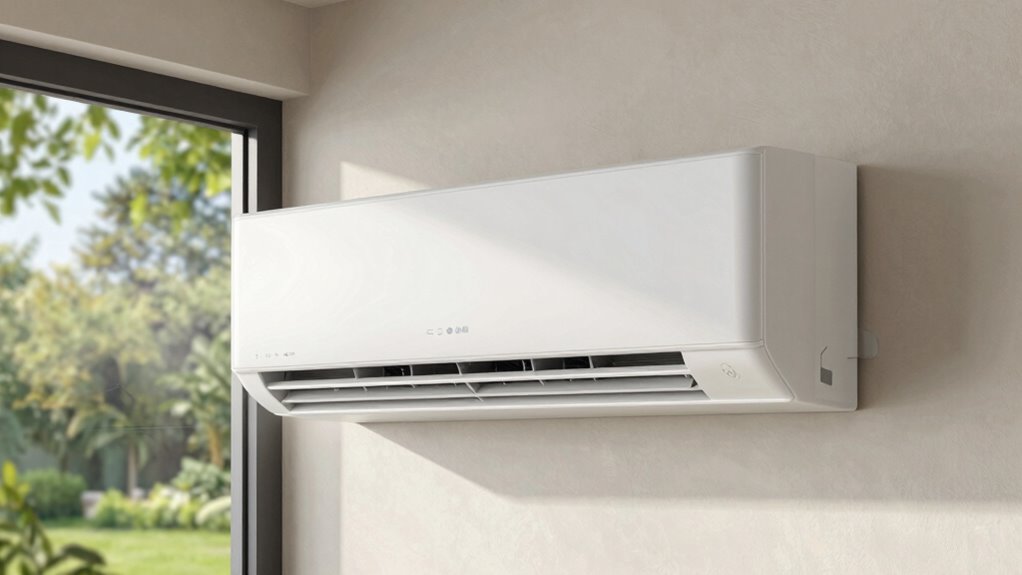
Proper installation is key to getting the best performance from your inverter window AC, so make sure it’s fitted correctly and securely. Regular maintenance, like cleaning filters and checking for obstructions, keeps it running smoothly. By following these simple steps, you’ll enjoy efficient cooling and longer-lasting operation.
Proper Installation Techniques
Follow these steps for ideal setup:
- Check the window opening to guarantee a tight seal and stability.
- Connect the electrical wiring according to the manufacturer’s instructions, avoiding loose connections.
- Seal gaps around the unit with weatherproof foam to prevent air leaks and improve efficiency.
Proper installation not only maximizes performance but also reduces safety hazards.
Routine Maintenance Tips
Regular maintenance is essential to keep your inverter window AC running efficiently and extend its lifespan. Start by regularly checking and replacing the air filter to ensure ideal airflow and air quality. Use the remote control features to set schedules and modes, but also manually inspect buttons for dirt or damage. Keep the unit clean by wiping down the exterior and removing dust from vents.
| Visualize this: | Imagine this: |
|---|---|
| Clean air filter | Fresh, crisp air flows smoothly |
| Remote control use | Easy adjustments at your fingertips |
| Dust-free vents | Quiet, efficient operation |
| Regular inspections | No unexpected breakdowns |
| Proper settings | Comfortable, consistent cooling |
Consistent upkeep guarantees peak performance and prolongs your AC’s life.
Frequently Asked Questions
Are Inverter Window ACS Suitable for Large or Small Rooms?
Inverter window ACs are suitable for both large and small rooms, depending on their cooling capacity. You should choose a unit with higher cooling capacity for larger rooms to guarantee efficient cooling, while smaller rooms need less power. By matching the AC’s cooling capacity to your room size, you’ll enjoy quiet, effective cooling. Always check the BTU rating to find the right inverter window AC for your space.
How Long Do Inverter Window AC Units Typically Last?
Think of your inverter window AC as a trusted workhorse, quietly enduring many seasons. Typically, it lasts around 10-15 years when you prioritize energy efficiency and regular maintenance. Its durability depends on how well you care for it—clean filters, timely repairs, and proper usage extend its lifespan. With proper attention, your inverter AC becomes a reliable companion, cooling efficiently and quietly for years to come, saving you energy and money.
Can Inverter Window ACS Be Used for Heating as Well?
Yes, many inverter window ACs come with heating functionality, making them versatile for year-round comfort. This feature allows you to switch between cooling and heating modes easily, enhancing energy efficiency and convenience. You can enjoy consistent temperature control without needing separate units, saving space and money. Just confirm your specific model supports heating, as not all inverter window ACs include this feature.
Are There Specific Brands Known for Reliable Inverter Window ACS?
You can find reliable inverter window ACs from brands with strong reputations like LG, Samsung, and Panasonic. These brands are known for quality build and efficient cooling. When choosing, check their warranty coverage to guarantee you’re protected against potential issues. Opting for reputable brands helps you enjoy long-lasting performance, and good warranty coverage gives you peace of mind if repairs become necessary.
What Are Common Installation Challenges With Inverter Window ACS?
You might face installation challenges with inverter window ACs, especially regarding installation complexity and wiring requirements. For example, a homeowner attempting to replace a traditional unit found that upgrading electrical wiring was necessary to support the inverter’s power needs. This process can be tricky, requiring careful planning and sometimes professional help. Ensuring proper wiring and understanding installation steps helps avoid delays and potential electrical issues during setup.
Conclusion
Switching to an inverter window AC isn’t just a upgrade—it’s a game-changer that transforms your space into a silent, cool sanctuary. Say goodbye to noisy, inefficient units and hello to the future of comfort that saves you a fortune and keeps your home perfectly chill. Don’t settle for less when the quiet, energy-efficient powerhouse is just a window away. Make the leap today and experience the coolest, quietest upgrade you’ll ever own—your perfect indoor oasis awaits!