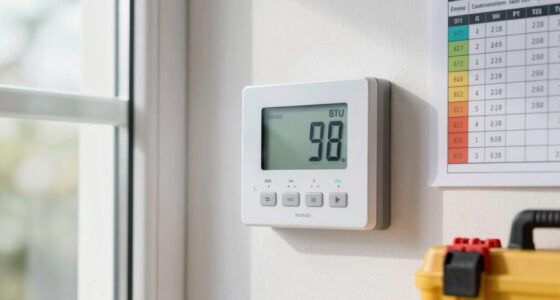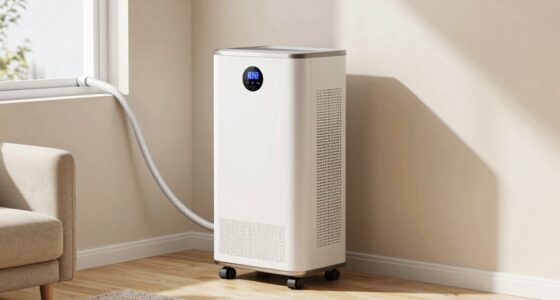
HVAC pros avoid guesswork by using precise load calculations based on your room’s size, layout, insulation, climate, and sun exposure. They measure dimensions accurately and consider factors like ceiling height and windows to determine the right mini-split capacity. This ensures your system runs efficiently, keeps you comfortable, and prevents issues like noise or high energy bills. Keep going to discover the key tricks pros use to get your mini-split sizing spot-on.
Key Takeaways
- Conduct precise room measurements and consider layout, insulation, and sun exposure for accurate capacity estimation.
- Use professional load calculations based on climate, insulation, and occupancy to determine optimal mini-split size.
- Avoid guesswork by referencing sizing guides and verifying measurements before installation.
- Assess signs of improper sizing, like uneven temperatures or frequent cycling, to identify if adjustments are needed.
- Consult HVAC professionals to refine sizing based on local climate and specific room factors for optimal comfort and efficiency.

Air Duct Sizing Calculator
Air Duct Calculator
As an affiliate, we earn on qualifying purchases.
As an affiliate, we earn on qualifying purchases.
Why Choosing the Right Mini-Split Size Matters for Comfort and Savings
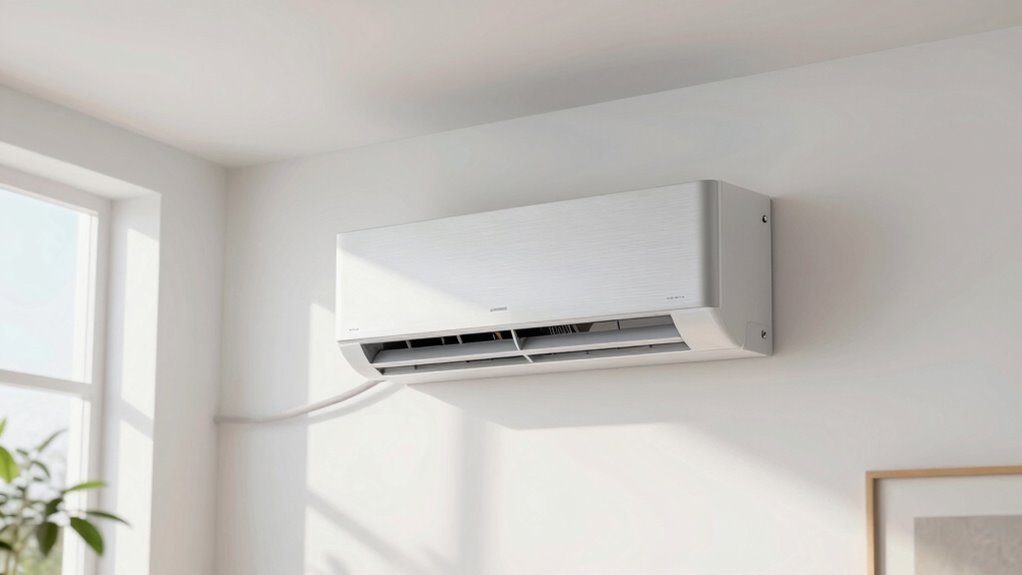
Choosing the right mini-split size is essential because an undersized unit struggles to cool or heat your space effectively, leading to discomfort. When you pick the correct size, your diy installation becomes more straightforward, and your system runs efficiently. A properly sized mini-split ensures consistent temperature control, so you stay comfortable year-round. It also improves energy efficiency, reducing your utility bills and preventing unnecessary wear on the unit. Oversized models cycle on and off frequently, wasting energy and causing temperature swings. Conversely, a correctly sized unit maintains steady comfort without overworking. Taking the time to select the right size helps you maximize your mini-split’s performance, saves energy, and makes your diy installation smoother. Additionally, understanding content formats and digital concepts can help you better manage your system and optimize its operation. Ultimately, the right size benefits both your comfort and your budget.
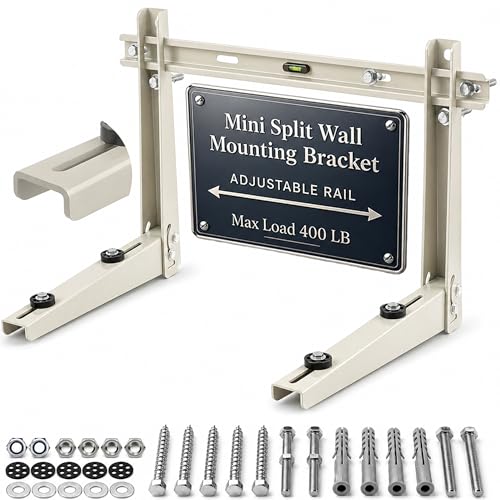
Heavy Duty Mini Split Wall Mounting Bracket for Outside, 400lb Load Capacity, Galvanized Carbon Steel, Dual Anti-Rust Coating, Leveling Bar, Anti-Vibration Pads, Fits 7000–12000 BTU AC Units
HEAVY DUTY LOAD CAPACITY: This mini split wall mount supports 400lb and fits 7,000–12,000 BTU systems including ductless…
As an affiliate, we earn on qualifying purchases.
As an affiliate, we earn on qualifying purchases.
How Pros Calculate the Perfect Mini-Split Capacity for Your Space
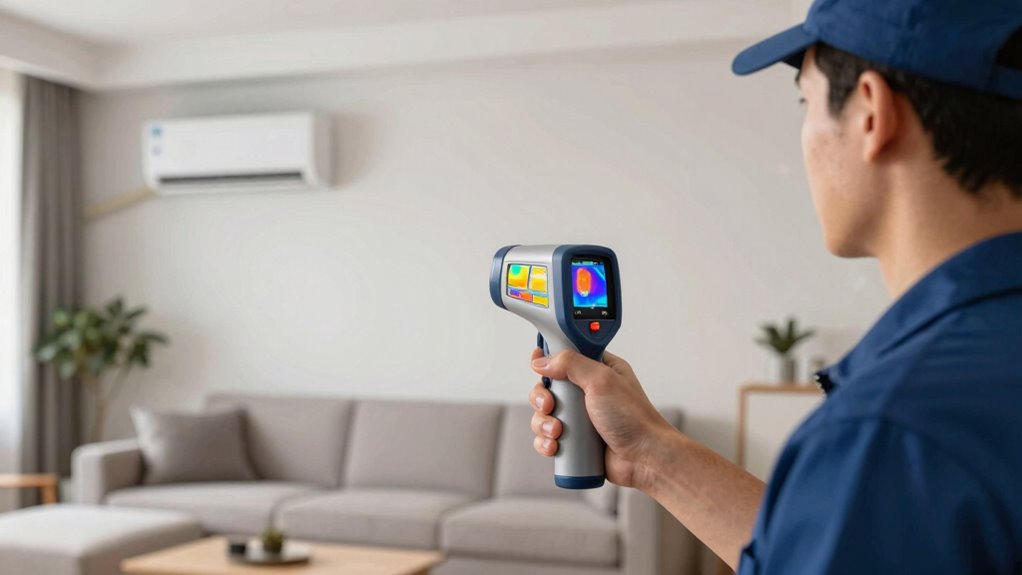
Professionals start by evaluating your room’s size and layout to determine the right capacity. They also consider your climate and insulation to guarantee the system handles your heating and cooling needs efficiently. By combining these factors, they find the perfect mini-split size for your space. Additionally, understanding home safety guidelines helps ensure the installation is secure and compliant with safety standards. To ensure optimal performance, it’s important to account for system efficiency factors that can impact long-term operation. Recognizing cabling and wiring requirements is essential for safe and reliable system performance over time. Considering installation protocols can further enhance the longevity and functionality of your mini-split system. Being aware of proper maintenance procedures also plays a crucial role in maintaining system effectiveness and safety over the years.
Room Size and Layout
Ever wonder how experts determine the right mini-split size for your room? They start by evaluating your room’s size and layout. Larger rooms need more cooling or heating power, while smaller spaces require less. But it’s not just about square footage—ceiling height, window placement, and furniture placement also matter. These factors influence how effectively the mini-split can heat or cool your space, impacting energy efficiency. A properly sized unit minimizes energy waste and maintains consistent comfort. Plus, a well-matched system reduces noise levels, making your space more comfortable without loud operational sounds. Understanding proper sizing also involves recognizing the importance of system efficiency in case of troubleshooting or system repairs. By carefully analyzing your room’s dimensions and layout, HVAC pros ensure your mini-split operates efficiently and quietly, giving you ideal comfort without guesswork.
Climate and Insulation
Climate and insulation play a crucial role in determining the right mini-split size because they directly affect how much heating or cooling your space needs. In a colder climate, you’ll require a unit with greater capacity to handle the extra demand, while a warmer environment may need a smaller size. Good insulation minimizes energy loss, making your system more energy efficient and reducing running costs. Proper vehicle protection such as remote car covers can help maintain insulation around your space, indirectly influencing your HVAC efficiency. Poor insulation causes temperature swings, forcing your mini-split to work harder, which can increase noise levels and decrease efficiency. Additionally, insulation quality is essential for maintaining consistent indoor temperatures and reducing energy consumption. Understanding thermal performance helps in selecting the right size and ensures optimal operation. Well-insulated spaces also benefit from air sealing, which prevents drafts and further enhances energy efficiency. Proper insulation and energy efficiency strategies work together to ensure your mini-split operates smoothly and quietly, optimizing overall performance. By considering your climate and insulation quality, you guarantee your mini-split is perfectly sized, providing comfort without wasting energy or creating unnecessary noise.
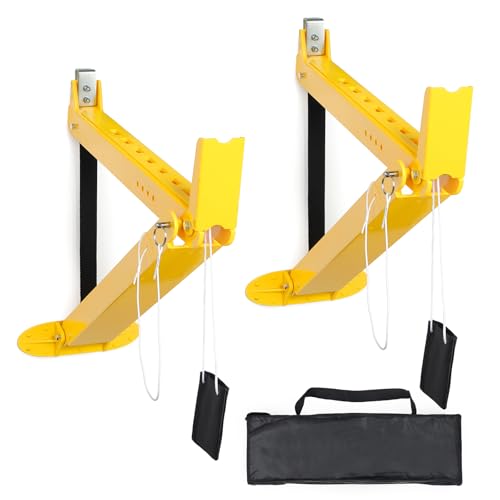
Kodilin Mighty Bracket Mini Split Support Tool Mini Split Wall Mounting Bracket, Ductless Air Conditioner Support for Indoor, Easy to Use by Single Person
WIDELY APPLICATION: This mini split wall mounting bracket is suitable for most indoor mini split air conditioning units,…
As an affiliate, we earn on qualifying purchases.
As an affiliate, we earn on qualifying purchases.
Key Factors That Affect Your Mini-Split Size, Like Insulation and Climate
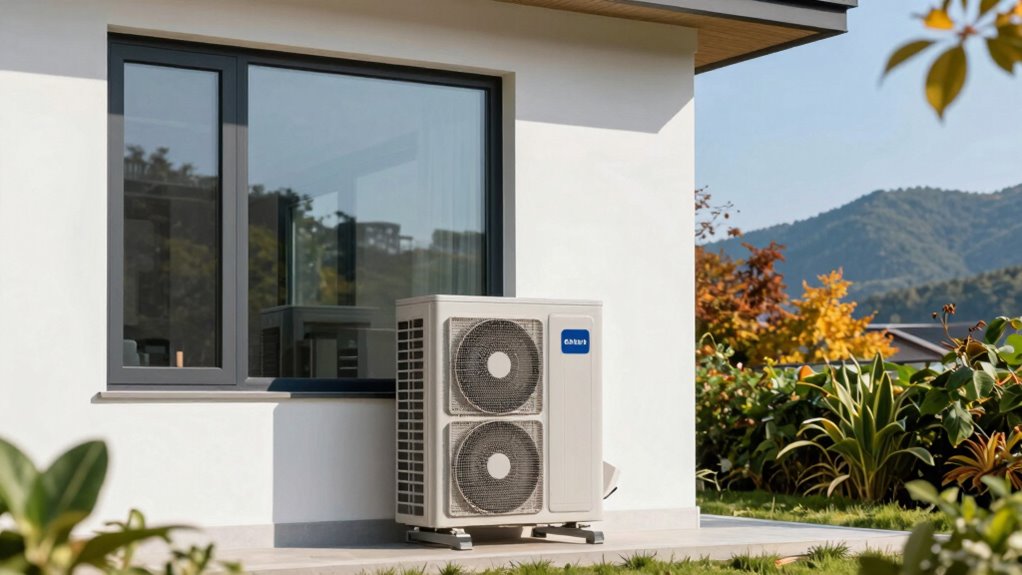
Your mini-split size depends heavily on factors like insulation quality and the local climate. Well-insulated spaces retain heat in winter and stay cooler in summer, reducing the load on your system and improving energy efficiency. Poor insulation means your mini-split must work harder, often requiring a larger unit to maintain comfort. Climate also plays a significant role: colder areas need more capacity to heat, while hotter regions demand stronger cooling power. Additionally, the size impacts noise levels—an oversized unit may cycle on and off frequently, increasing noise, while an undersized one struggles to keep up. Proper system sizing ensures optimal performance and energy savings. Understanding Free Floating in the context of your climate and insulation can help you select a mini-split that balances energy efficiency with noise control, ensuring comfort without unnecessary energy waste. Recognizing how load calculation factors into sizing can further improve your system’s efficiency and lifespan. Moreover, considering thermal dynamics can help refine your sizing choices by accounting for how heat transfer affects your space’s comfort and energy needs. Being aware of heat transfer principles can also aid in understanding how your mini-split interacts with your space’s thermal environment.

GENERIC Mini Split Universal Remote Control,10000 Codes, Controls 99.9% AC
Universal Compatibility: Features 10000 codes in one control, compatible with most air conditioner brands
As an affiliate, we earn on qualifying purchases.
As an affiliate, we earn on qualifying purchases.
Common Mistakes When Picking a Mini-Split Size and How to Avoid Them
Choosing too large or small | High energy costs, noise issues | Consult a pro or use precise sizing methods proper sizing techniques to ensure an optimal match for your space.
| Ignoring noise levels | Disruptive operation | Check decibel ratings before purchase |
|---|---|---|
| Skipping proper assessment | Poor comfort, inefficiency | Measure room features and insulation accurately |
Estimating Your Mini-Split Size Using Square Footage and Room Features
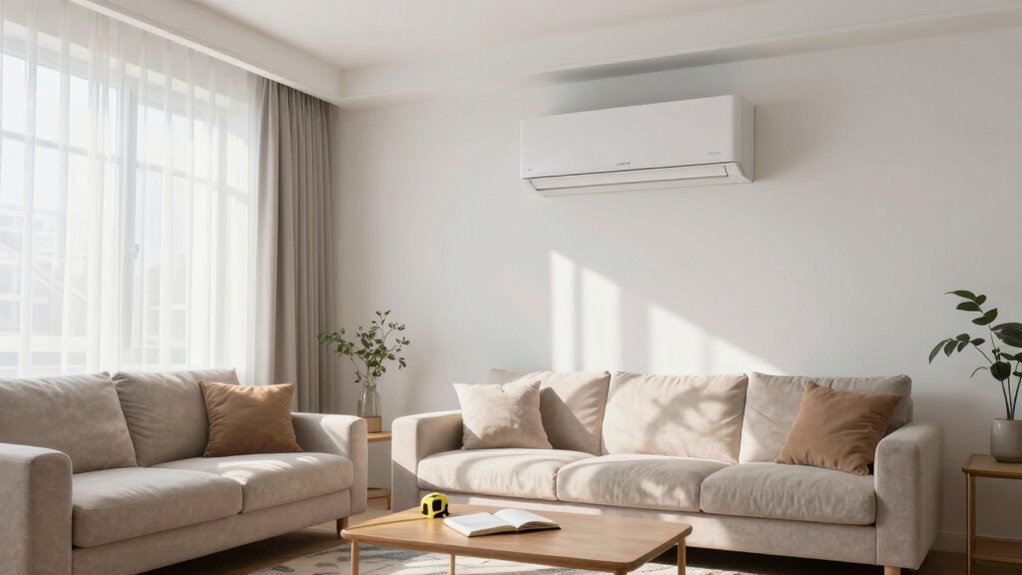
Estimating the right mini-split size starts with understanding your room’s square footage and key features. Measure the space accurately to determine the cooling or heating load needed for ideal thermal comfort. Larger rooms or those with high ceilings may require a more powerful unit, while rooms with lots of windows or poor insulation might need additional capacity. Consider whether your space is open or divided, as open layouts typically need less precise zoning. Using square footage as a baseline helps ensure energy efficiency, preventing over- or under-sizing that wastes energy and reduces comfort. Keep in mind that factors like room exposure, insulation, and occupancy impact your mini-split’s performance. Proper estimation allows you to select a unit that provides consistent comfort without unnecessary energy consumption. Additionally, understanding the insulation quality of your space can significantly influence the sizing decision. Recognizing the thermal load based on these factors ensures the optimal mini-split size for your needs. For accurate sizing, consulting with HVAC professionals who consider local climate variations can further refine your choice.
How to Check if Your Mini-Split Size Is Right Before Installation
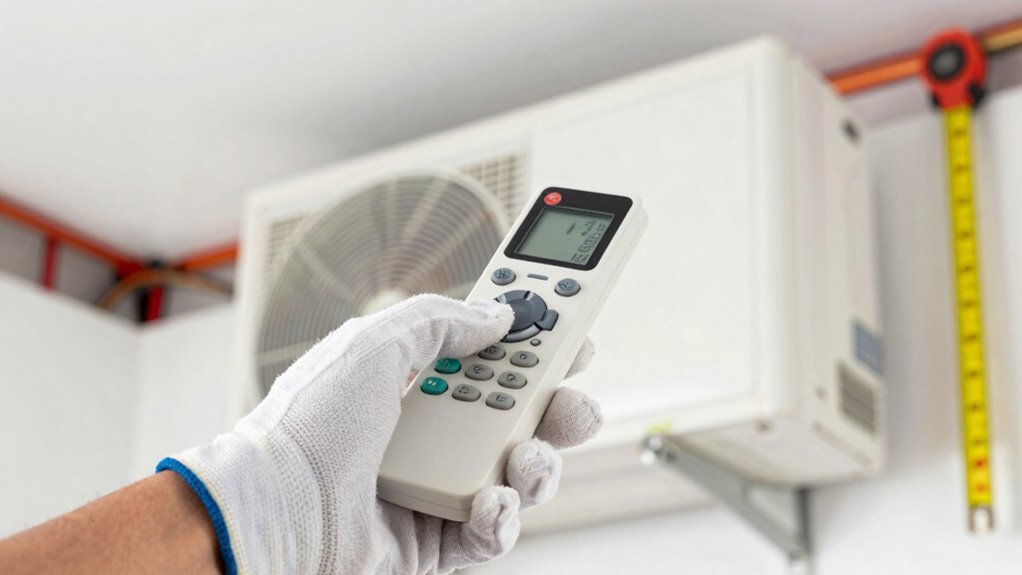
Before installing your mini-split, it’s essential to confirm the size is right. You should measure the room’s dimensions accurately, consider the cooling and heating loads, and consult professional sizing guides. These steps help make certain your system works efficiently and keeps your space comfortable. Additionally, understanding the essential survival gear items can be valuable in case of unexpected issues during installation or emergencies that occur while setting up your system.
Measure Room Dimensions Accurately
Wondering how to guarantee your mini-split will cool or heat your space effectively? Start by measuring your room dimensions accurately. Precise measurements of length, width, and height are essential to determine the correct mini-split size. If your space is larger or smaller than estimated, airflow optimization may suffer, leading to uneven temperatures. Accurate room sizing helps ensure your system provides balanced airflow and keeps noise levels manageable, avoiding overly powerful units that could generate excess noise or underpowered ones that struggle to maintain comfort. Use a reliable tape measure and double-check your measurements. Don’t rush this step—accurate room dimensions are the foundation for selecting a mini-split that delivers ideal comfort without unnecessary energy use.
Use Cooling and Heating Loads
To guarantee your mini-split is the right size for your space, calculating the cooling and heating loads is essential. These loads determine how much capacity your system needs to operate efficiently and provide consistent comfort. By accurately evaluating the loads, you ensure optimal energy efficiency, reducing utility bills and avoiding over- or under-sizing. Proper load calculations help you understand the specific demands of your space, considering factors like insulation, sun exposure, and occupancy. This step also guides you through key installation considerations, such as ductwork and placement, ensuring your mini-split performs at its best. Skipping this process risks inefficiency, higher energy costs, and inadequate heating or cooling, making load calculations a critical part of the sizing process before installation.
Consult Professional Sizing Guides
Checking if your mini-split is properly sized before installation can save you time and money. Consulting professional sizing guides helps guarantee you select the right unit for your space, especially if you’re doing a diy installation. These guides provide detailed calculations based on your room’s size, insulation, and heat gain, giving you a reliable benchmark. Properly sized mini-splits improve energy efficiency, reducing your utility bills and preventing issues like short cycling or insufficient heating and cooling. Instead of guessing or relying solely on manufacturer recommendations, use these guides to verify your choice. This proactive step ensures your mini-split performs at its best, making your diy installation smoother and more effective in maintaining a comfortable environment.
Signs Your Mini-Split Might Be Too Small or Too Large
A mini-split that’s too small will struggle to cool or heat your space effectively, leaving you uncomfortable and frustrated. You might notice uneven temperatures, constant running, or lingering drafts. If your system runs nonstop without reaching your desired comfort level, it’s a sign it’s undersized. Conversely, an oversized unit will cycle on and off frequently, causing temperature swings and increased wear. To identify these issues, try simple DIY troubleshooting like checking air filters and vents for blockages, which can mimic size problems. Regular maintenance tips, such as cleaning filters and inspecting ducts, help ensure your system operates efficiently. If problems persist, it’s a clear sign it’s time to reassess your mini-split’s size to avoid wasting energy and money.
Tips for Adjusting or Upgrading Your Mini-Split if Needed
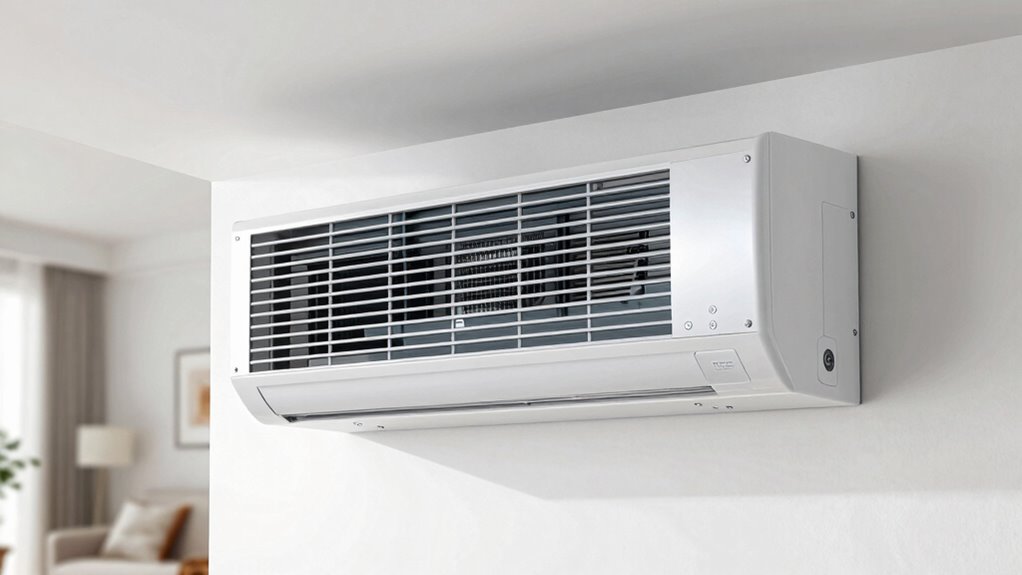
If you’ve determined your mini-split isn’t meeting your comfort needs, adjusting or upgrading it can make a big difference. Start with DIY maintenance like cleaning filters and checking for obstructions to improve airflow and efficiency. If these steps don’t do enough, consider upgrading your system’s components—such as adding a more powerful unit or installing a larger indoor air handler. Aesthetic upgrades, like replacing outdated covers or paneling, can also enhance the look of your system and boost your satisfaction. Always consult the manufacturer’s guidelines before making significant changes, and when in doubt, hire a professional. Proper adjustments and thoughtful upgrades ensure your mini-split operates at its best, saving energy and keeping your space comfortable year-round.
Frequently Asked Questions
Can a Mini-Split’s Size Be Adjusted After Installation?
You can’t really adjust a mini-split’s size after installation, but you can optimize its performance. Use the remote control to change the settings and take advantage of zoning options, which allow you to control different areas independently. If you find the system isn’t cooling or heating effectively, consider adding or removing indoor units or upgrading to a more suitable size. Proper zoning maximizes efficiency without physically resizing the unit.
How Does Room Layout Influence Mini-Split Sizing?
Imagine your room as a canvas—its shape and furniture placement paint the picture. A narrow, elongated space may require a different mini-split size than a square room with bulky furniture. Room layout influences airflow and heat distribution, so consider how shape and furniture placement affect heating or cooling needs. Proper sizing guarantees efficiency, comfort, and energy savings, making your mini-split work harmoniously with your room’s unique design.
What Are the Energy Implications of Choosing an Incorrect Size?
Choosing the wrong mini-split size leads to energy waste and higher utility costs. If your system is too small, it struggles to heat or cool effectively, running continuously and consuming excess power. Conversely, an oversized unit cycles on and off frequently, wasting energy and causing wear. Proper sizing ensures efficient operation, reducing energy waste and keeping your utility costs manageable. Always select the right size for ideal energy savings.
Are There Specific Brands Known for Better Sizing Accuracy?
You might find that brands like Mitsubishi, Daikin, and Fujitsu are known for better sizing accuracy due to their strong reputation and strict adherence to sizing standards. Coincidentally, their consistent quality often leads to fewer mismatched units, saving you energy and money. When choosing a mini-split, trust these brands, as their focus on precise sizing can make a noticeable difference in comfort and efficiency, giving you peace of mind.
How Does Future Room Remodeling Affect Mini-Split Capacity Needs?
Future room remodeling can markedly influence your mini-split capacity needs. If you plan to improve room insulation or change window placement, expect changes in heating and cooling loads. Better insulation reduces energy requirements, so you might need a smaller unit. Conversely, larger or more exposed windows may increase capacity needs. Always reassess your mini-split size after remodeling to guarantee ideal comfort and efficiency.
Conclusion
Choosing the right mini-split size is like tuning a musical instrument—you want perfect harmony for comfort and efficiency. Don’t rely on guesswork; use the tools and tips pros trust. By paying attention to your space’s unique needs, you’ll make certain your system hits the right notes every time. When in doubt, consult a professional to keep your comfort in tune and your energy bills in check.