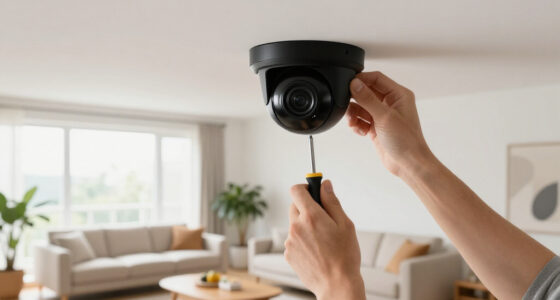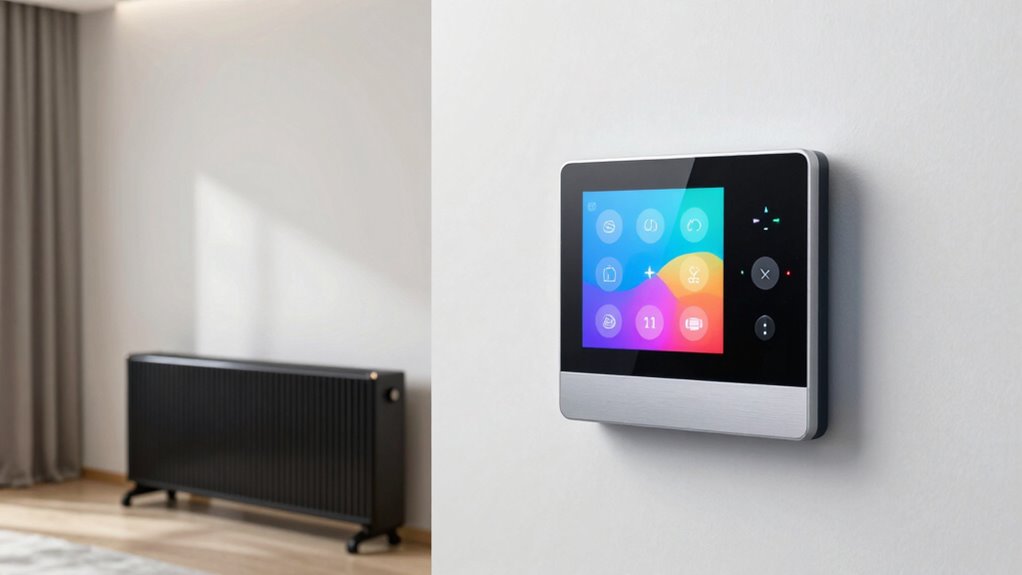

Searching for a smart thermostat for electric baseboard heaters? The Meross Smart Thermostat stands out as the best overall choice thanks to its compatibility and ease of use. For those prioritizing energy savings, the Sensi Touch 2 offers advanced features and certifications. If you want a future-proof, smart home-ready device, the Meross Matter Thermostat series could be ideal. The main tradeoffs include balancing budget, compatibility, and ease of installation. Keep reading for a detailed breakdown of the top options to help you make an informed decision.

Get home appliances delivered free with Prime
- Fast, free delivery on millions of items
- Prime Video, Amazon Music and more included
- Member-only deals all year
Complete the kit


Key Takeaways
- The top picks excel in compatibility with major smart home platforms like HomeKit, Alexa, and Google Assistant.
- A significant differentiator is whether the thermostat supports matter protocol for future-proofing.
- Pricing varies widely, but the most feature-rich models tend to cost more, requiring a balance between budget and features.
- Installation complexity can be a concern; some options are more DIY-friendly than others.
- Energy savings features like scheduling and adaptive learning are common but differ in how effectively they reduce costs.
| Meross Smart Thermostat for Electric Baseboard and In-Wall Heaters, Wi-Fi Programmable, Compatible with HomeKit, Alexa, and Google Home |  | Best Overall | Voltage: 120V-240V | Maximum Load: 16A, 1920W at 120V; 3840W at 240V | Temperature Range: 41℉-95℉ | VIEW ON AMAZON | See Our Full Breakdown |
| Sensi Touch 2 Smart Thermostat Wi-Fi, Alexa, Energy Star Certified, ST76 |  | Best for DIY and Room Sensors | Compatibility: Works with room sensors and HVAC equipment | Energy Star Certified: Yes | Connectivity: Wi-Fi, Bluetooth | VIEW ON AMAZON | See Our Full Breakdown |
| Meross Matter Smart Thermostat for Electric Baseboard Heater, Black |  | Best for Ecosystem Compatibility | Compatibility: 120-240 VAC electric heating systems | Not compatible with: 24V HVAC systems | Connectivity: Wi-Fi, Alexa, Apple Home, Google Home, SmartThings | VIEW ON AMAZON | See Our Full Breakdown |
| Meross Matter Smart Thermostat for Electric Baseboard Heaters |  | Best for Ecosystem Compatibility | Compatibility: 120-240 VAC electric heating systems | Not compatible with: 24V HVAC systems | Connectivity: Wi-Fi, Alexa, Apple Home, Google, SmartThings | VIEW ON AMAZON | See Our Full Breakdown |
| Mysa Smart Thermostat LITE for Electric Baseboard Heaters |  | Best Budget-Friendly, Easy DIY | Compatibility: 120V-240V electric baseboard heaters, fan-forced heaters, wall heaters, convectors | Connectivity: WiFi, HomeKit, Alexa, Google | Installation: DIY, requires 4 wires (neutral or second live wire) | VIEW ON AMAZON | See Our Full Breakdown |
| Mysa Smart Thermostat V2 for Electric Baseboard Heaters |  | Best Overall for Electric Baseboard Heating | Controller Type: Amazon Alexa, Android, Apple HomeKit, Google Assistant, iOS | Additional Features: Audible Touch Feedback, Adaptive Display Technology, Energy Insights, Geofencing, Scheduling | Specific Uses: High voltage electric heating systems including baseboard heater, convector, radiant ceiling heating | VIEW ON AMAZON | See Our Full Breakdown |
| Meross Matter Smart Thermostat for Home, Programmable WiFi Thermostat |  | Best for Broad Compatibility and Smart Home Integration | Compatibility: Most HVAC systems excluding electric baseboard heaters and two-wire systems | Wiring: Requires C wire for some configurations | Connectivity: WiFi, Matter-certified platforms | VIEW ON AMAZON | See Our Full Breakdown |
| smart thermostat for electric baseboard heater | Compatibility | Connectivity |
|---|---|---|
| Meross Smart Thermostat for El | — | — |
| Sensi Touch 2 Smart Thermostat | Works with room sensors and HVAC equipment | Wi-Fi, Bluetooth |
| Meross Matter Smart Thermostat | 120-240 VAC electric heating systems | Wi-Fi, Alexa, Apple Home, Google Home, SmartThings |
| Meross Matter Smart Thermostat | 120-240 VAC electric heating systems | Wi-Fi, Alexa, Apple Home, Google, SmartThings |
| Mysa Smart Thermostat LITE for | 120V-240V electric baseboard heaters, fan-forced heaters, wall heaters, convectors | WiFi, HomeKit, Alexa, Google |
| Mysa Smart Thermostat V2 for E | — | — |
| Meross Matter Smart Thermostat | Most HVAC systems excluding electric baseboard heaters and two-wire systems | WiFi, Matter-certified platforms |
More Details on Our Top Picks
Meross Smart Thermostat for Electric Baseboard and In-Wall Heaters, Wi-Fi Programmable, Compatible with HomeKit, Alexa, and Google Home
This Meross model stands out for its straightforward installation process and broad smart home compatibility, making it a top choice for those seeking a reliable, all-in-one solution. It supports scheduling, energy monitoring, and voice control, similar to the Mysa but with a slightly wider compatibility range that includes both HomeKit and Google Assistant. Compared with the Mysa Lite, it offers more platform flexibility but requires a 4-wire setup, which can be a hurdle for some DIYers. Its high temperature accuracy ensures precise comfort control, though it’s limited to high-voltage systems, excluding low-voltage applications. The tradeoff is that the installation demands more wiring knowledge and a compatible high-voltage setup.
Pros:- Easy to install within 30 minutes with basic wiring knowledge
- Compatible with HomeKit, Alexa, and Google Home for flexible voice control
- Supports scheduling, energy monitoring, and home automation
Cons:- Requires 4 or more wires in the electrical box, limiting compatibility with some setups
- Designed exclusively for high-voltage systems, not suitable for low-voltage applications
Best for: Homeowners with existing high-voltage wiring seeking a versatile, platform-agnostic thermostat.
Not ideal for: Renters or those with low-voltage systems, as it’s incompatible with low-voltage or 24V HVAC setups.
- Voltage:120V-240V
- Maximum Load:16A, 1920W at 120V; 3840W at 240V
- Temperature Range:41℉-95℉
- Temperature Accuracy:1℉
- Display:White LCD
- Wiring Needed:4 wires
Our verdict“This thermostat is ideal for tech-savvy homeowners with high-voltage wiring who want broad smart home compatibility.”
Sensi Touch 2 Smart Thermostat Wi-Fi, Alexa, Energy Star Certified, ST76
The Sensi Touch 2 excels in ease of installation and room-by-room temperature balancing, making it a strong pick for DIY users who want precise control. Its compatibility with room sensors allows for more uniform heating, unlike the Meross models that lack this feature. The app guidance simplifies setup, but it relies on a common wire (c-wire), which could be a hurdle for older or simpler systems. Energy savings of up to 23% and detailed usage reports appeal to budget-conscious homeowners. However, the need for separate room sensors and a c-wire may limit its appeal for some installations, especially in older homes without a c-wire.
Pros:- Easy DIY installation with guided app setup
- Compatible with room sensors for even temperature distribution
- Energy Star certified with detailed usage reports
Cons:- Requires a c-wire for installation, which may not be available in all homes
- Room sensors are sold separately, adding to overall cost
Best for: DIY homeowners who want customizable control with room sensors and energy insights.
Not ideal for: Renters or users without a common wire or who prefer a more integrated, all-in-one solution.
- Compatibility:Works with room sensors and HVAC equipment
- Energy Star Certified:Yes
- Connectivity:Wi-Fi, Bluetooth
- Installation:DIY with app guidance, requires c-wire
Our verdict“Ideal for tech-savvy homeowners seeking flexible, room-specific control and energy savings without professional installation.”
Meross Matter Smart Thermostat for Electric Baseboard Heater, Black
This Meross Matter thermostat shines in its ability to seamlessly integrate with a variety of smart home platforms like Alexa, Apple Home, Google Home, and SmartThings, making it a flexible choice for users invested in multiple ecosystems. Its open window detection and energy monitoring features contribute to energy savings, comparable to the Mysa but with broader platform support. The main tradeoff is its limited compatibility, as it doesn’t work with 24V HVAC systems or low-voltage setups, restricting its use to high-voltage electric heaters. Installation requires Wi-Fi, and setup is straightforward for those familiar with high-voltage wiring.
Pros:- Supports multiple smart home platforms including SmartThings and Apple Home
- Includes energy monitoring and open window detection
- Works well with high-voltage electric baseboard heaters
Cons:- Not compatible with 24V or low-voltage HVAC systems
- Requires Wi-Fi connection for full functionality
Best for: Homeowners with high-voltage electric heaters looking for broad smart ecosystem support.
Not ideal for: Those with low-voltage HVAC systems or seeking a solution for heat pumps or central AC systems.
- Compatibility:120-240 VAC electric heating systems
- Not compatible with:24V HVAC systems
- Connectivity:Wi-Fi, Alexa, Apple Home, Google Home, SmartThings
- Features:Energy monitoring, open window detection, scheduling
Our verdict“Best suited for users wanting a versatile, high-voltage compatible thermostat that plays well with multiple smart home systems.”
Meross Matter Smart Thermostat for Electric Baseboard Heaters
This Meross Matter model offers strong ecosystem integration similar to the B0H6G413KX, supporting multiple platforms like Alexa, Apple Home, Google, and SmartThings. It features real-time energy monitoring and open window detection, ensuring energy-efficient operation. Compared to the Mysa Lite, it provides more versatile platform support, but it shares the same limitations: it’s designed only for high-voltage electric systems and requires Wi-Fi. For users who want a flexible, multi-platform solution for electric baseboard heaters, this model hits the right notes, though it’s not suitable for low-voltage or heat pump systems.
Pros:- Supports multiple smart home ecosystems
- Includes energy monitoring and open window detection
- Provides real-time control and scheduling
Cons:- Limited to high-voltage electric heaters, not suitable for 24V systems
- Dependent on Wi-Fi for full functionality
Best for: Homeowners with high-voltage electric heating systems seeking broad smart home platform compatibility.
Not ideal for: Users with low-voltage systems or those needing a solution for heat pumps or central HVAC equipment.
- Compatibility:120-240 VAC electric heating systems
- Not compatible with:24V HVAC systems
- Connectivity:Wi-Fi, Alexa, Apple Home, Google, SmartThings
- Features:Energy monitoring, open window detection
Our verdict“A flexible, multi-platform smart thermostat perfect for electric heaters in high-voltage setups seeking maximum ecosystem integration.”
Mysa Smart Thermostat LITE for Electric Baseboard Heaters
The Mysa Lite offers a straightforward solution for electric baseboard heater control, focusing on simplicity and affordability. Its step-by-step app guidance makes installation accessible for DIY enthusiasts, and its energy tracking features help homeowners reduce heating costs. Unlike the Meross models that emphasize broad compatibility, Mysa prioritizes ease of use and energy savings, making it suitable for North American winters. However, it requires compatible wiring, including a neutral or second live wire, which could be a barrier in older homes. It’s ideal for those who want a no-fuss upgrade without monthly fees or complex setup.
Pros:- Easy DIY installation with comprehensive app guidance
- Supports multiple voice assistants including HomeKit, Alexa, Google
- No monthly subscription fees for app features
Cons:- Requires compatible wiring (neutral or second live wire)
- Limited to electric baseboard and similar heaters, not suitable for other HVAC types
Best for: Homeowners seeking a cost-effective, easy-to-install smart thermostat for electric baseboards without complex wiring or subscriptions.
Not ideal for: Renters or homes with incompatible wiring (no neutral or second live wire), or those needing extensive smart home ecosystem integration.
- Compatibility:120V-240V electric baseboard heaters, fan-forced heaters, wall heaters, convectors
- Connectivity:WiFi, HomeKit, Alexa, Google
- Installation:DIY, requires 4 wires (neutral or second live wire)
- Warranty:5 years
Our verdict“This pick makes the most sense for budget-conscious homeowners who want a simple, reliable upgrade with energy tracking and DIY installation.”
Mysa Smart Thermostat V2 for Electric Baseboard Heaters
The Mysa Smart Thermostat V2 stands out as the best choice for electric baseboard heaters thanks to its dedicated design and high-voltage compatibility. Unlike the Meross Matter Smart Thermostat, which is more versatile but not suited for electric baseboards, Mysa offers seamless integration with major smart home platforms like Alexa, Google, and Apple HomeKit, making it ideal for users with existing smart ecosystems. Its 3.5-inch LED touchscreen makes manual adjustments straightforward, while features like energy insights and adaptive display help optimize efficiency. The tradeoff is that it’s limited to high-voltage systems and requires at least four wires, including a neutral or second live wire, which could mean extra wiring work for some installations. Compared with the Meross model, Mysa provides more tailored control for electric baseboard systems but at the cost of less flexibility for other HVAC types.
Pros:- Specifically designed for high-voltage electric baseboard heaters
- Easy to control via app or touchscreen with intuitive scheduling
- Compatible with Alexa, Google Assistant, and Apple HomeKit for smart home integration
- Includes energy insights and adaptive display features
Cons:- Limited to high-voltage systems; not suitable for low-voltage setups
- Requires at least four wires, including neutral or second live wire, complicating installation
Best for: Homeowners with high-voltage electric baseboard heaters seeking a dedicated, easy-to-use smart thermostat with advanced scheduling and integrations.
Not ideal for: Buyers with low-voltage or two-wire systems, or those who want a universal thermostat for multiple HVAC types, since Mysa only supports high-voltage systems.
- Controller Type:Amazon Alexa, Android, Apple HomeKit, Google Assistant, iOS
- Additional Features:Audible Touch Feedback, Adaptive Display Technology, Energy Insights, Geofencing, Scheduling
- Specific Uses:High voltage electric heating systems including baseboard heater, convector, radiant ceiling heating
- Temperature Control Type:Heating
- Connectivity Technology:WiFi, NFC
- Power Source:Corded Electric
- Voltage:240 volts
- Display Type:LED
- Screen Size:3.5 inches
Our verdict“This thermostat is ideal for those with dedicated electric baseboard systems who want seamless smart control and energy management.”
Meross Matter Smart Thermostat for Home, Programmable WiFi Thermostat
The Meross Matter Smart Thermostat excels as a versatile, widely compatible option suitable for many HVAC systems, but falls short for electric baseboard heaters. Its support for Matter-certified platforms and major voice assistants makes it a strong choice for users seeking a unified smart home experience. Unlike the Mysa V2, which is specialized for high-voltage systems, Meross is more adaptable to different setups, provided you have a C wire for wiring. Its sleek glass panel design adds a modern touch, and the customizable scheduling helps reduce energy costs. However, it explicitly excludes electric baseboard heaters and two-wire systems, limiting its applicability for certain electric heating setups. Installation can also be complicated without proper wiring, making it less ideal for less experienced DIYers.
Pros:- Supports major smart home platforms like Apple Home, Alexa, and Google
- Customizable 24/7 scheduling for energy efficiency
- Remote control and alerts via mobile app
- Supports Matter certification for future-proofed smart home compatibility
Cons:- Requires C wire for some wiring configurations, which can complicate installation
- Not compatible with electric baseboard heaters or two-wire systems, limiting its use for certain electric setups
Best for: Homeowners with diverse HVAC systems who want a flexible, smart-compatible thermostat that integrates smoothly into broader smart home platforms.
Not ideal for: Buyers specifically seeking a dedicated electric baseboard thermostat, as Meross does not support these systems without additional wiring adjustments.
- Compatibility:Most HVAC systems excluding electric baseboard heaters and two-wire systems
- Wiring:Requires C wire for some configurations
- Connectivity:WiFi, Matter-certified platforms
- Design:Sleek glass panel in black or white
- Features:Custom scheduling, remote control, smart alerts
- Control Method:App, voice
- Power Source:Typically requires C wire
- Standout:Supports Matter for broader smart home compatibility
Our verdict“This thermostat suits those with diverse or central HVAC systems who prioritize smart home integration and remote control but is unsuitable for dedicated electric baseboard systems.”

How We Picked
I evaluated these smart thermostats based on their compatibility with electric baseboard heaters, ease of installation, user interface, and integration with popular smart home platforms. Performance reliability and build quality were also key factors, alongside value for money and available features. Devices that offered straightforward setup and robust app controls ranked higher, while those with advanced automation or future-proofing protocols like Matter received extra consideration. The ranking reflects a balance between affordability, usability, and long-term compatibility, ensuring options suit various user needs and technical comfort levels.| smart thermostat for electric baseboard heater | Connectivity |
|---|---|
| Meross Smart Thermostat for El | — |
| Sensi Touch 2 Smart Thermostat | Wi-Fi, Bluetooth |
| Meross Matter Smart Thermostat | Wi-Fi, Alexa, Apple Home, Google Home, SmartThings |
| Meross Matter Smart Thermostat | Wi-Fi, Alexa, Apple Home, Google, SmartThings |
| Mysa Smart Thermostat LITE for | WiFi, HomeKit, Alexa, Google |
| Mysa Smart Thermostat V2 for E | — |
| Meross Matter Smart Thermostat | WiFi, Matter-certified platforms |
Factors to Consider When Choosing Smart Thermostat For Electric Baseboard Heaters
Choosing the right smart thermostat for electric baseboard heaters involves several considerations beyond basic features. Compatibility with your existing smart home system can streamline control and automation. Installation complexity varies, so assess whether you’re comfortable with DIY wiring or prefer professional setup. Energy management features like scheduling, adaptive learning, and energy reports can significantly reduce heating costs, but their effectiveness varies. Budget is important, but investing in a reliable, feature-rich model often pays off through better control and savings. Lastly, consider future-proofing with protocols like Matter, which ensure your device remains compatible with evolving smart home standards.Compatibility and Smart Home Integration
Ensure the thermostat seamlessly integrates with your existing smart home ecosystem, whether it’s Apple HomeKit, Amazon Alexa, Google Assistant, or others. Compatibility determines how easily you can control the device via voice or automation routines. Devices supporting multiple platforms or protocols, like Matter, tend to offer more flexibility now and in the future. A mismatch can limit your automation options or require additional hubs or bridges, increasing complexity and cost.
Ease of Installation and Setup
Some thermostats are designed for DIY installation, with straightforward wiring and clear instructions, while others may require professional wiring, especially if your wiring setup is non-standard. Consider your comfort level and whether the device comes with detailed setup guides or customer support. A complicated installation process can lead to frustration or even wiring errors that affect performance or safety.
Energy Management and Cost Savings
Look for features like programmable schedules, adaptive learning, and remote control to optimize your heating. These can significantly cut energy bills over time, especially if your baseboard heaters run continuously. However, not all algorithms are equally effective; some models learn your habits better than others. Evaluating user reviews on real-world savings can help you gauge potential benefits beyond basic features.
Pricing, Value, and Long-Term Investment
While budget options may offer the essential functions, they often lack advanced features or integration options. Conversely, premium models provide more automation, better build quality, and future-proof protocols, but at a higher cost. Consider whether the extra features align with your needs and whether the potential energy savings justify the investment. Sometimes, paying more upfront results in better reliability and compatibility down the line.
Future-Proofing with Protocols Like Matter
Protocols like Matter are designed to ensure devices work seamlessly across different ecosystems and updates. Choosing a thermostat that supports Matter can extend its lifespan and compatibility, protecting your investment. However, not all devices currently support it, so if future compatibility is a priority, verifying protocol support is essential. This can also simplify expanding your smart home system later.
Frequently Asked Questions
Can I install a smart thermostat for electric baseboard heaters myself?
Many models are designed for DIY installation, especially those with straightforward wiring and clear instructions. However, electrical work always carries risks, and if your wiring system is complex or you’re unsure of your skills, hiring a professional electrician is advisable. Proper installation is key to safe operation and optimal performance. Reading the manufacturer’s instructions thoroughly before starting can help prevent common issues and ensure a smooth setup process.
Will a smart thermostat work with my existing electric baseboard heaters?
Most smart thermostats are compatible with standard electric baseboard heaters, but it’s essential to check the device’s specifications. Some models are designed specifically for in-wall or in-room heaters, while others might require a compatible relay or wiring setup. Ensuring your heater’s voltage and wiring match the thermostat’s requirements will prevent installation issues and ensure reliable operation.
What features should I prioritize for energy savings?
Focus on thermostats with programmable scheduling, adaptive learning algorithms, and remote control capabilities. These features allow you to set heating schedules that match your routine, and some models learn your habits over time to optimize energy use automatically. Accurate temperature sensors and the ability to monitor energy consumption can also help identify savings opportunities. Remember, the most advanced features only translate into savings if used correctly, so choose one that fits your lifestyle and comfort preferences.
Is it worth investing in a smart thermostat with future-proof protocols?
Yes, especially if you plan to expand your smart home system later. Protocols like Matter are designed to ensure compatibility across devices and platforms, reducing the risk of obsolescence. A device supporting such protocols may cost more initially but can save you money and hassle in the long run by maintaining seamless integration as your smart home evolves.
How important is app usability and control options?
Effective app control is vital for managing your heating remotely and setting schedules easily. A user-friendly interface minimizes setup errors and makes routine adjustments simple. Also, check whether the app provides detailed energy reports or automation options, as these enhance your ability to optimize comfort and savings. A well-designed app can significantly improve the overall user experience and ensure you get the most from your smart thermostat.
Conclusion
For most homeowners seeking a reliable, easy-to-install option, the Meross Smart Thermostat offers a solid balance of compatibility, features, and value—making it the best overall pick. Budget-conscious buyers should consider models like the Mysa Smart Thermostat LITE for essential features at a lower price. Those wanting a premium, future-proof device should look toward the Meross Matter Thermostat series, which supports protocols like Matter. Beginners or less tech-savvy users benefit from devices with straightforward setup and intuitive apps, such as the Sensi Touch 2. If you prioritize advanced automation and energy savings, investing in a model with adaptive learning and robust integrations makes sense. Ultimately, your choice depends on your existing smart home setup, budget, and desired features.