
TL;DR
A company called And Vinyly can turn human ashes into playable vinyl records. The service, available since 2009, allows individuals to preserve voices, sounds, or silence on vinyl. The process costs between £1000 and £3000, depending on the order.
UK-based company And Vinyly is now offering a service to press human ashes into playable vinyl records, allowing loved ones to preserve voices or sounds posthumously. This development highlights evolving memorial options and raises questions about the cultural implications of turning remains into music.

Get home appliances delivered free with Prime
- Fast, free delivery on millions of items
- Prime Video, Amazon Music and more included
- Member-only deals all year
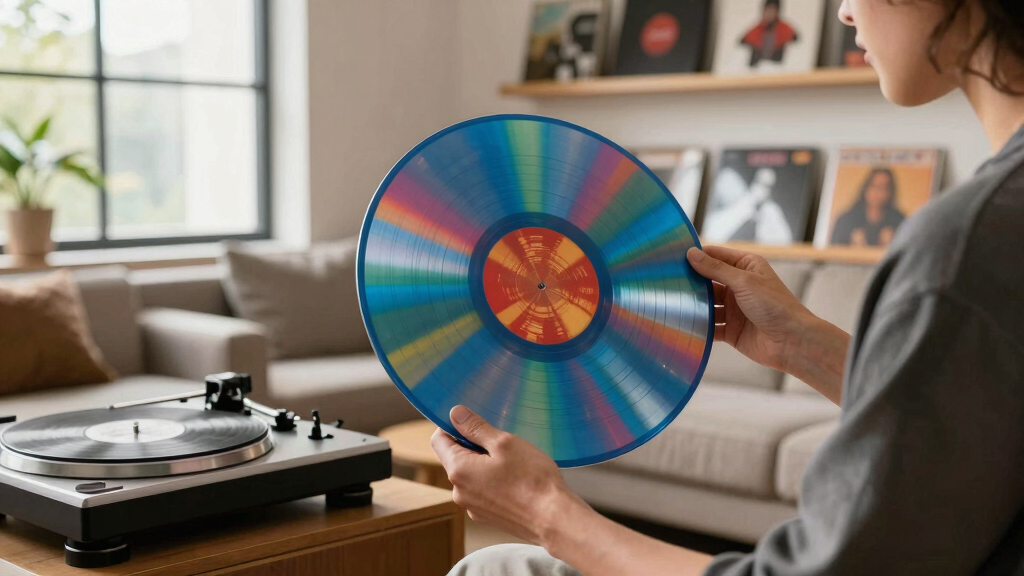
Founded in 2009 by musician and vinyl collector Jason Leach, And Vinyly offers a service that transforms a portion of human ashes into a vinyl record. The process involves mixing a small amount of ashes into the vinyl material during production, resulting in a record that can be played on standard turntables.
The service costs between £1000 and £3000 GBP, depending on the number of records ordered and customization options. Customers can choose to encode speech recordings, sounds from nature, or even silence—copyrighted music is generally not permitted due to legal restrictions. The company emphasizes that the records serve as a personal memorial, allowing relatives and friends to hear the voice or sounds of the departed.
Why It Matters
This development offers a novel way for individuals to memorialize loved ones, blending technology, art, and personal memory. It may influence how societies approach end-of-life rituals and the preservation of personal legacy, especially among music enthusiasts and those seeking unique memorial options.
Products Worth Considering

Blueair Blue Pure 311i Max Smart Air Purifier

Dyson Airwrap i.d. Multi-Styler with Bluetooth Connectivity

eufy Baby Monitor E21 with 4K UHD Camera and 5-Inch 720p Screen
As an affiliate, we earn on qualifying purchases.
Background
Since its founding, And Vinyly has gained attention for its unconventional approach to memorialization. The concept aligns with broader trends of using innovative methods—such as turning ashes into diamonds or space launches—to honor the deceased. Public interest surged after a short documentary featured a son who used the service to preserve his mother’s voice on vinyl, highlighting its emotional resonance.
“Sound is vibrating you, the room, and it’s actually moving the air around you. And that’s what’s so powerful about hearing someone’s voice on a record. They’re actually moving the air.”
— Jason Leach, founder of And Vinyly
“We offer a way to keep memories alive in a physical form that can be played and cherished forever.”
— A representative of And Vinyly
What Remains Unclear
It remains unclear how widely this service is adopted beyond early adopters and niche markets. Details about legal restrictions, especially regarding copyright laws for music recordings, are still being clarified. Additionally, the emotional reception among different cultural groups has not been extensively studied.
What’s Next
Next steps include expanding awareness of the service, potential regulatory considerations, and exploring additional customization options. The company may also develop partnerships with funeral homes or memorial services to reach a broader market.
Key Questions
Can I include copyrighted music on my vinyl record?
No. Generally, copyright-protected music cannot be used due to legal restrictions. The service typically allows voice recordings, sounds of nature, or silence.
How much does the service cost?
The basic service costs between £1000 and £3000 GBP, depending on the number of records and customization options.
What types of sounds can be pressed onto the record?
You can include voice recordings, ambient sounds, or even silence. The company advises against copyrighted music.
Is this service widely available?
It has been available since 2009 through And Vinyly, but its popularity remains niche. Broader adoption is still developing.
What happens if I want to do this for someone else?
The process requires consent from the individual before death or permission from the family. The company handles the process with sensitivity and respect for personal wishes.