
TL;DR
High temperatures in garages can gradually damage cars, especially affecting the engine, tires, and interior. This issue is often overlooked but can lead to expensive repairs over time.
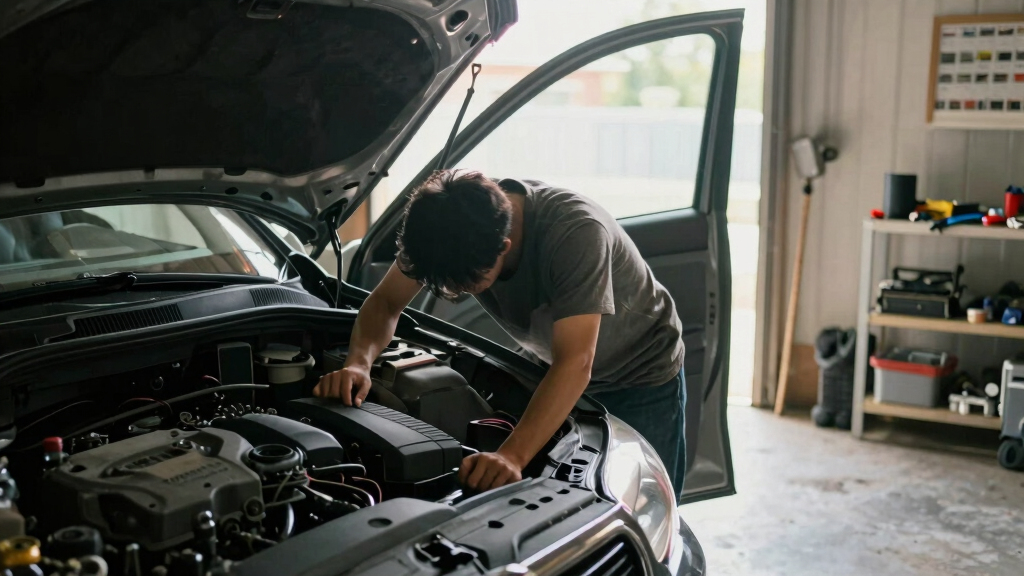
Prolonged exposure to high temperatures in garages may be causing unseen damage to vehicles, according to recent advice from automotive experts. This issue matters because many car owners are unaware that their garage environment could be silently degrading their vehicles over time, leading to costly repairs.
Experts from Family Handyman warn that garages with high ambient temperatures — often exceeding 100°F during summer months — can accelerate the deterioration of critical car components. The heat can cause engine fluids to break down faster, tires to lose elasticity, and interior materials to degrade, all without immediate visible signs. While most owners focus on external factors like weather or road conditions, the garage environment itself can be an overlooked source of damage.
Research suggests that sustained heat exposure can increase the risk of engine parts failing prematurely, especially if the vehicle is parked in a hot garage for extended periods. Tire rubber can become brittle, increasing the risk of blowouts, and interior plastics and fabrics may fade or crack faster. Despite these risks, many owners are unaware of the cumulative effect of heat in enclosed spaces, making it a hidden threat to vehicle longevity.
Experts recommend measures such as improving garage ventilation, using insulation, and parking in shaded areas when possible to mitigate heat buildup. Regular vehicle maintenance and inspections are also advised to catch early signs of heat-related wear.
Why Garage Heat Exposure Can Lead to Costly Vehicle Repairs
This issue is significant because it highlights a preventable cause of vehicle wear that many owners overlook. By understanding how high garage temperatures can accelerate component degradation, car owners can take steps to protect their investments and avoid costly repairs, such as engine overhauls, tire replacements, and interior refurbishments.
garage ventilation fan for cars
As an affiliate, we earn on qualifying purchases.
As an affiliate, we earn on qualifying purchases.
High Temperatures in Garages Are Common During Summer Months
Many garages, especially those without proper insulation or ventilation, can reach temperatures well above outdoor ambient levels during summer. This environment creates a heat trap that can persist for days or weeks, depending on climate and garage construction. Historically, vehicle damage has been associated more with outdoor weather, but recent observations indicate that indoor heat exposure deserves more attention. The problem is compounded in regions with consistently high summer temperatures, making this an increasingly relevant concern for vehicle owners.
“Garage temperatures can often exceed outdoor heat levels, especially in poorly ventilated spaces, and this prolonged exposure can subtly damage critical vehicle components.”
— Family Handyman
car interior insulation kit
As an affiliate, we earn on qualifying purchases.
As an affiliate, we earn on qualifying purchases.
Extent and Long-Term Impact of Garage Heat Damage Still Unclear
While experts agree that high garage temperatures can accelerate wear, the precise long-term effects and the threshold temperatures for significant damage remain under study. More research is needed to quantify how much heat exposure over specific durations affects different vehicle parts and whether certain models are more vulnerable than others.
tire temperature monitoring system
As an affiliate, we earn on qualifying purchases.
As an affiliate, we earn on qualifying purchases.
Research and Awareness Campaigns to Better Understand Garage Heat Effects
Researchers and automotive organizations are expected to conduct further studies to better quantify the impact of garage heat on vehicle longevity. Meanwhile, manufacturers and safety organizations may increase public awareness campaigns, encouraging vehicle owners to implement heat mitigation measures and conduct regular inspections to prevent damage.
garage temperature thermometer
As an affiliate, we earn on qualifying purchases.
As an affiliate, we earn on qualifying purchases.
Key Questions
How can I tell if my garage is too hot for my car?
Use a thermometer to monitor garage temperature, especially during summer. Temperatures consistently above 100°F can pose risks. Improving ventilation and insulation can help reduce heat buildup.
What are the most vulnerable parts of my car to heat damage?
The engine oil and fluids, tires, interior plastics, and rubber components are most susceptible to heat-related deterioration.
Can I prevent heat damage in my garage?
Yes, by enhancing ventilation, insulating the garage, parking in shaded areas, and using reflective coatings or fans to reduce heat buildup.
Is this problem more common in certain climates?
Yes, regions with high summer temperatures and high humidity are more prone to garage heat buildup, increasing the risk of vehicle damage.
Should I have my car inspected if I suspect heat damage?
Consult a qualified mechanic for a thorough inspection if you notice issues like tire cracking, engine trouble, or interior fading, especially after prolonged hot garage exposure.
Source: Family Handyman