
The best early Black Friday tech deals in this roundup span everyday laptops, noise-canceling headphones, and wireless earbuds. My best overall pick is the Dell Inspiron 15.6-inch touchscreen, whose Ryzen 7 processor, 32GB of RAM, and 1TB SSD make it the most capable all-purpose laptop here. For premium audio, the Sony WH-1000XM6 stands out, while the Samsung Galaxy Buds Core offer a compact earbud option with active noise cancellation. The main tradeoff is whether to prioritize laptop performance, portable audio, or higher-end noise control. Read on for how all 13 options compare and which one fits your needs.

Get home appliances delivered free with Prime
- Fast, free delivery on millions of items
- Prime Video, Amazon Music and more included
- Member-only deals all year
Complete the kit


Key Takeaways
- The Dell Inspiron is the most capable all-rounder: its 32GB of RAM and 1TB SSD give it more room for demanding multitasking and files than the other listed laptops.
- Laptop specifications vary more than screen size: the ASUS Vivobook Go suits lighter everyday tasks, while the Lenovo V15 and Dell models offer different steps up in memory, storage, or processor capability.
- Premium headphone needs point to Sony: the WH-1000XM6 is the dedicated over-ear pick for buyers who put noise cancellation and high-end audio features ahead of a basic headset.
- Earbuds and over-ear headphones serve different routines: the Samsung, Apple, Soundcore, and TOZO earbuds favor a smaller carry, while Sony, BERIBES, Ganopterygon, and Raycon provide an over-ear format.
- Extra features are only useful when they match your habits: a touchscreen, Windows Pro, a phone-stand case, or a hybrid ANC design can be a deciding factor, but none is a substitute for choosing the right product type first.
| ASUS Vivobook Go 15.6-Inch FHD Laptop, AMD Ryzen 3 7320U, 8GB RAM, 256GB SSD, Windows 11 Home |  | Best Budget-Friendly Everyday Laptop | Processor: AMD Ryzen 3 7320U, 4 cores and 8 threads | Memory: 8GB LPDDR5, 4266 MHz | Storage: 256GB SSD | VIEW LATEST PRICE | See Our Full Breakdown |
| Dell Inspiron 15.6-Inch FHD Touchscreen Laptop with AMD Ryzen 7 7730U, 32GB RAM, 1TB SSD, and Windows 11 |  | Best for Heavy Multitasking | Processor: AMD Ryzen 7 7730U, 8 cores and 16 threads, up to 4.5 GHz | Memory: 32GB DDR4 SDRAM | Storage: 1TB PCIe NVMe SSD | VIEW LATEST PRICE | See Our Full Breakdown |
| Lenovo V15 15.6-Inch FHD Laptop, Ryzen 5 5500U, 16GB RAM, 512GB SSD, Windows 11 Pro |  | Best for Small-Business Work | Processor: AMD Ryzen 5 5500U, 6 cores and 12 threads, 2.1 GHz base and up to 4.0 GHz turbo | Memory: 16GB RAM | Storage: 512GB PCIe NVMe M.2 SSD | VIEW LATEST PRICE | See Our Full Breakdown |
| BERIBES WH202A Over-Ear Bluetooth Headphones with Microphone | 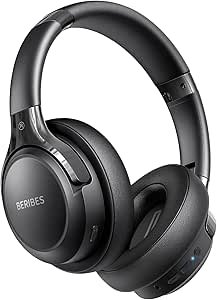 | Best for Long Playback Between Charges | Connectivity: Bluetooth 6.0 | Playback time: Up to 120 hours | Battery: 1000 mAh | VIEW LATEST PRICE | See Our Full Breakdown |
| Samsung Galaxy Buds Core SM-R410 Wireless Earbuds, Bluetooth 5.4, Active Noise Cancellation, Black |  | Best Compact Pick with Active Noise Cancellation | Model: SM-R410 | Connectivity: Bluetooth 5.4 | Noise control: Active Noise Cancellation | VIEW LATEST PRICE | See Our Full Breakdown |
| Acer Aspire 16 AI Copilot+ PC, 16-Inch WUXGA 120Hz Touchscreen Laptop, Snapdragon X X1-26-100, 16GB LPDDR5X, 512GB SSD |  | Best Large-Screen AI Laptop | Processor: Snapdragon X X1-26-100 | Memory: 16GB LPDDR5X | Storage: 512GB PCIe Gen 4 SSD | VIEW LATEST PRICE | See Our Full Breakdown |
| Sony WH-1000XM6 Wireless Noise-Canceling Headphones, Black |  | Best Premium Over-Ear Headphones | Model: WH-1000XM6 | Noise-canceling processor: HD Noise Canceling Processor QN3 | Microphones: 12 for noise cancellation; six-microphone AI beamforming system for calls | VIEW LATEST PRICE | See Our Full Breakdown |
| Soundcore P30i by Anker Noise-Cancelling Wireless Earbuds with Phone-Stand Case |  | Best Everyday Earbuds with a Handy Case | Connectivity: Bluetooth 5.4; 10-meter range | Noise cancellation: Adaptive ANC, reduces noise by up to 42 dB | Drivers: 10 mm with BassUp technology | VIEW LATEST PRICE | See Our Full Breakdown |
| Apple AirPods Pro 3 Wireless Earbuds with Active Noise Cancellation |  | Best for Apple Users and Workout Tracking | Model: MFHP4LL/A | Noise cancellation: Active noise cancellation | Listening time: Up to 8 hours with Active Noise Cancellation | VIEW LATEST PRICE | See Our Full Breakdown |
| TOZO NC9 Hybrid Active Noise Cancelling Wireless Earbuds with Charging Case |  | Best for Long Battery Life and Active Use | Connectivity: Bluetooth 5.3; wireless range up to 15 m | Noise cancellation: Hybrid ANC, up to 45 dB noise reduction | Drivers: 10 mm with OrigX Acoustic 2.0 | VIEW LATEST PRICE | See Our Full Breakdown |
| Ganopterygon J20-WY Hybrid ANC Wireless Over-Ear Headphones |  | Best for Long Battery Life | Type: Wireless over-ear headphones | Noise cancellation: Hybrid ANC; claims to reduce up to 90% of ambient noise | Drivers: 40 mm dynamic | VIEW LATEST PRICE | See Our Full Breakdown |
| Raycon Everyday Noise Cancelling Headphones, Over Ear Wireless, Black |  | Best for Lightweight Everyday Wear | Type: Over-ear wireless headphones | Model: RBE775-23E-BLA | Drivers: 40 mm | VIEW LATEST PRICE | See Our Full Breakdown |
| Dell 15.6-Inch Laptop with AMD Ryzen 5 7520U, Radeon 610M, and Windows 11 Home |  | Best for a High-Refresh Everyday Screen | Processor: AMD Ryzen 5 7520U | Graphics: AMD Radeon 610M with shared memory | Operating system: Windows 11 Home | VIEW LATEST PRICE | See Our Full Breakdown |
| early Black Friday tech deal | Connectivity |
|---|---|
| ASUS Vivobook Go 15.6-Inch FHD | Wi-Fi 5, Bluetooth 5.1, HDMI |
| Dell Inspiron 15.6-Inch FHD To | — |
| Lenovo V15 15.6-Inch FHD Lapto | — |
| BERIBES WH202A Over-Ear Blueto | Bluetooth 6.0 |
| Samsung Galaxy Buds Core SM-R4 | Bluetooth 5.4 |
| Acer Aspire 16 AI Copilot+ PC | Wi-Fi 7, Bluetooth 5.3 |
| Sony WH-1000XM6 Wireless Noise | Bluetooth and 3.5 mm audio cable |
| Soundcore P30i by Anker Noise- | Bluetooth 5.4; 10-meter range |
| Apple AirPods Pro 3 Wireless E | — |
| TOZO NC9 Hybrid Active Noise C | Bluetooth 5.3; wireless range up to 15 m |
| Ganopterygon J20-WY Hybrid ANC | — |
| Raycon Everyday Noise Cancelli | Bluetooth |
| Dell 15.6-Inch Laptop with AMD | — |
More Details on Our Top Picks
ASUS Vivobook Go 15.6-Inch FHD Laptop, AMD Ryzen 3 7320U, 8GB RAM, 256GB SSD, Windows 11 Home
The ASUS Vivobook Go is the most straightforward laptop pick here for everyday browsing, documents, video calls, and streaming. Its 15.6-inch Full HD screen and numeric keypad make routine work easier than on a smaller laptop, while the webcam privacy shutter offers a practical touch for people who leave their device open on a desk. Compared with the Lenovo V15, it has less memory and storage, so it is a weaker fit for heavier multitasking or a large local file library. Its 8GB of RAM and 256GB SSD suit a lighter workload, not demanding creative apps. The display’s 45% NTSC color gamut also limits its appeal for color-sensitive work, and the listed battery life can vary with use. I’d choose it for basic tasks, not as a long-term power machine.
Pros:- 15.6-inch 1920 x 1080 display gives everyday content and documents a roomy Full HD workspace.
- Webcam privacy shutter provides a simple way to cover the camera when it is not in use.
- Numeric keypad is useful for spreadsheets and frequent number entry.
- 180-degree lay-flat hinge and five listed MIL-STD 810H tests add practical flexibility and durability credentials.
Cons:- 8GB of memory leaves less room for heavy multitasking than the Lenovo V15’s 16GB or Dell Inspiron’s 32GB.
- The 256GB SSD is modest if you keep many large files or applications on the laptop.
- The 45% NTSC display is a poor match for color-sensitive editing, and actual battery runtime varies.
Best for: Students and home users who mainly browse, write, stream, and want a full-size screen with a numeric keypad.
Not ideal for: People who routinely run demanding apps, keep many programs open, or need accurate screen colors; the 8GB memory and 45% NTSC display are limiting.
- Processor:AMD Ryzen 3 7320U, 4 cores and 8 threads
- Memory:8GB LPDDR5, 4266 MHz
- Storage:256GB SSD
- Display:15.6-inch LED, 1920 x 1080, 60 Hz, 250 nits, 45% NTSC
- Graphics:Integrated AMD Radeon Graphics
- Operating system:Windows 11 Home
- Battery:42Wh; up to 11 hours listed
- Connectivity:Wi-Fi 5, Bluetooth 5.1, HDMI
Our verdict“Choose the Vivobook Go for basic everyday computing and a full-size display, but step up to the Lenovo V15 or Dell Inspiron if you need more memory and storage.”
Dell Inspiron 15.6-Inch FHD Touchscreen Laptop with AMD Ryzen 7 7730U, 32GB RAM, 1TB SSD, and Windows 11
For buyers who keep many applications open or need ample local storage, the Dell Inspiron is the strongest productivity configuration in this laptop group. Its 32GB of memory and 1TB PCIe NVMe SSD give it a clear capacity advantage over the ASUS Vivobook Go and Lenovo V15, while the eight-core Ryzen 7 is suited to a busier everyday workload. The 15.6-inch Full HD touchscreen adds direct interaction, and the anti-glare coating and ComfortView software are aimed at more comfortable work sessions. That extra capability comes with familiar compromises: integrated Radeon graphics are not a substitute for a dedicated graphics processor, and the 720p webcam is basic. Wi-Fi 5 is also an older wireless standard than the Lenovo V15’s Wi-Fi 6. I’d rank this highest for capacity, not portability or graphics-heavy tasks.
Pros:- 32GB memory provides more headroom for multiple open applications than the ASUS Vivobook Go or Lenovo V15.
- 1TB PCIe NVMe SSD offers considerably more local storage than the other listed laptops.
- 15.6-inch Full HD IPS touchscreen pairs touch input with an anti-glare coating and ComfortView software.
- USB-C, two USB-A ports, HDMI, an SD card reader, and a numeric keypad support varied desk setups.
Cons:- Integrated Radeon graphics limit its suitability for graphics-intensive games and creative workloads.
- Wi-Fi 5 is older than the Wi-Fi 6 listed for the Lenovo V15.
- The 720p webcam is a basic option for frequent video calls.
Best for: Remote workers and multitaskers who want substantial memory, a large SSD, a touchscreen, and a full-size keyboard.
Not ideal for: Frequent travelers prioritizing low weight, gamers and video editors needing dedicated graphics, or users who want a higher-resolution webcam and newer Wi-Fi.
- Processor:AMD Ryzen 7 7730U, 8 cores and 16 threads, up to 4.5 GHz
- Memory:32GB DDR4 SDRAM
- Storage:1TB PCIe NVMe SSD
- Display:15.6-inch Full HD IPS touchscreen, 1920 x 1080
- Graphics:Integrated AMD Radeon Graphics
- Operating system:Windows 11 Home
- Wireless:Wi-Fi 5 (802.11ac), Bluetooth 5.0
- Ports:1 USB-C, 2 USB-A, HDMI, headphone/microphone combo jack, SD card reader
Our verdict“Pick the Dell Inspiron if memory and storage capacity matter more than dedicated graphics, a newer Wi-Fi standard, or a sharper webcam.”
Lenovo V15 15.6-Inch FHD Laptop, Ryzen 5 5500U, 16GB RAM, 512GB SSD, Windows 11 Pro
The Lenovo V15 makes a balanced case for office and small-business buyers who want more working room than the ASUS Vivobook Go without moving up to the Dell Inspiron’s larger memory and storage configuration. Its 16GB RAM and 512GB NVMe SSD offer a useful middle ground for multitasking and everyday files, while Windows 11 Pro is better aligned with buyers who need its business-oriented operating system features. The port selection also stands out: HDMI, USB-C, Ethernet, and Wi-Fi 6 give it more ways to connect at a desk or in a wired office than the Vivobook Go’s listed connectivity. The tradeoff is integrated graphics, which are not intended for demanding gaming, and there is no optical drive. The display is listed as Full HD, but this product data does not specify touchscreen capability, unlike the Dell.
Pros:- 16GB RAM and a 512GB NVMe SSD provide a practical middle ground between the ASUS Vivobook Go and Dell Inspiron.
- Windows 11 Pro suits users looking for a business-oriented operating system.
- HDMI, USB-C, Ethernet, and Wi-Fi 6 offer flexible options for office and external-display connections.
- 15.6-inch Full HD display and numeric keypad support spreadsheet and document work.
Cons:- Integrated Radeon graphics are not suited to demanding gaming or graphics-heavy production.
- No optical drive, which may matter to buyers who still use CDs or DVDs.
- Unlike the Dell Inspiron, the provided specifications do not list a touchscreen.
Best for: Small-business users and office workers who want Windows 11 Pro, a numeric keypad, Ethernet, and enough memory for routine multitasking.
Not ideal for: Buyers who need a touchscreen, dedicated graphics, or a built-in optical drive; the V15 is a traditional clamshell with integrated graphics and no optical drive.
- Processor:AMD Ryzen 5 5500U, 6 cores and 12 threads, 2.1 GHz base and up to 4.0 GHz turbo
- Memory:16GB RAM
- Storage:512GB PCIe NVMe M.2 SSD
- Display:15.6-inch LCD, 1920 x 1080
- Operating system:Windows 11 Pro
- Graphics:Integrated AMD Radeon Graphics
- Wireless:Wi-Fi 6 (802.11ac), Bluetooth 5.3
- Ports:USB 3.0 Type-A, USB 2.0 Type-A, USB Type-C, HDMI, RJ45 Ethernet, headphone/microphone combo
Our verdict“Choose the Lenovo V15 for office work that benefits from Windows 11 Pro and Ethernet, while the Dell Inspiron is the better fit for maximum memory, storage, and touch input.”
BERIBES WH202A Over-Ear Bluetooth Headphones with Microphone
The BERIBES WH202A is the practical pick for listeners who care more about fewer charging interruptions than noise cancellation. Its up to 120 hours of listed playback is the standout distinction against the Samsung Galaxy Buds Core, which are compact in-ear earbuds with active noise cancellation rather than over-ear headphones. Six EQ modes let listeners adjust the sound profile, and the WH202A can connect to two devices at once—handy for switching between a computer and phone. It also folds for storage and includes a 3.5 mm cable for wired listening if its battery runs down. The tradeoffs are its stated Bluetooth range of up to 33 feet and the lack of listed active noise cancellation. I’d choose it for extended listening at home or work, not for blocking noise on a commute.
Pros:- Up to 120 hours of listed playback reduces how often charging needs to interrupt listening.
- Six EQ modes allow listeners to choose among different sound settings.
- Can connect to two devices simultaneously for easier switching between a phone and computer.
- Foldable design, adjustable headband, and included 3.5 mm cable support flexible use.
Cons:- No active noise cancellation is listed, unlike the Samsung Galaxy Buds Core.
- Bluetooth range is listed as up to 33 feet.
- Wired listening requires the included 3.5 mm cable.
Best for: Listeners who want over-ear comfort, multiple EQ choices, and long stretches of playback without frequent charging.
Not ideal for: Commuters seeking active noise cancellation or buyers who prefer pocketable earbuds like the Samsung Galaxy Buds Core.
- Connectivity:Bluetooth 6.0
- Playback time:Up to 120 hours
- Battery:1000 mAh
- EQ modes:6
- Drivers:40 mm
- Device connections:Up to 2 devices simultaneously
- Wired connection:3.5 mm audio cable
- Weight:0.18 kg (0.38 lb)
Our verdict“Choose the BERIBES WH202A for extended over-ear listening and long listed playback, but choose Samsung’s earbuds if active noise cancellation matters more.”
Samsung Galaxy Buds Core SM-R410 Wireless Earbuds, Bluetooth 5.4, Active Noise Cancellation, Black
The Samsung Galaxy Buds Core are the compact choice in this group for buyers who want active noise cancellation in an in-ear design. That makes them a different proposition from the BERIBES WH202A: the Samsung earbuds are easier to carry and list noise cancellation, while the BERIBES over-ear headphones prioritize long playback and offer multiple EQ modes. Samsung lists up to 35 hours of music playback, though the supplied details do not clarify how that figure is divided between earbuds and case or how usage affects it. Bluetooth 5.4 supports wireless pairing, and the included case and eartips cover the core pieces needed to get started. The tradeoff is limited detail: water resistance is not specified, and the listing gives no fit or noise-cancellation performance measurements. I’d pick these for a more portable listening setup, not if verified water protection is a must.
Pros:- Active noise cancellation is listed for reducing ambient sounds.
- In-ear format and included charging case make this a more portable option than the BERIBES WH202A.
- Bluetooth 5.4 supports wireless audio streaming and pairing.
- Up to 35 hours of music playback is listed.
Cons:- The product details do not specify water resistance.
- The up-to-35-hour playback figure is a maximum, and the listing does not explain actual runtime by listening setup.
- The supplied information does not give specific fit guidance or noise-cancellation performance measurements.
Best for: Listeners who want portable in-ear headphones with active noise cancellation and a charging case for everyday travel.
Not ideal for: People who need stated water resistance, detailed battery-use expectations, or the long listed playback time of the BERIBES over-ear headphones.
- Model:SM-R410
- Connectivity:Bluetooth 5.4
- Noise control:Active Noise Cancellation
- Maximum music playback:Up to 35 hours
- Ear placement:In-ear
- Driver type:Dynamic
- Earbud weight:5.5 g
- Included items:Charging case, eartips, user manual
Our verdict“Choose the Galaxy Buds Core for compact listening with active noise cancellation, but favor the BERIBES WH202A if long listed playback matters more than portability.”
Acer Aspire 16 AI Copilot+ PC, 16-Inch WUXGA 120Hz Touchscreen Laptop, Snapdragon X X1-26-100, 16GB LPDDR5X, 512GB SSD
For an early Black Friday tech deal roundup, the Acer Aspire 16 AI stands out by pairing a roomy touchscreen with a dedicated AI engine and current wireless connectivity. Its 16-inch, 120Hz display offers more fluid scrolling and extra workspace than the ASUS Vivobook Go 15.6-inch, while its 100% sRGB coverage is a useful fit for color-conscious photo work. The 45 TOPS NPU supports Copilot+ PC experiences, though some features may arrive through updates or vary by region, so I wouldn’t buy it solely for a particular AI tool. At 3.4 pounds, it is portable for its screen size, but less suited to frequent one-handed carrying than a smaller laptop. A numeric keypad and four USB ports add practical appeal; skip it if you need a discrete GPU or an optical drive.
Pros:- 16-inch 120Hz touchscreen provides a spacious, fluid workspace.
- 100% sRGB color gamut supports color-sensitive everyday creative work.
- 45 TOPS NPU enables supported Copilot+ PC and AI workloads.
- Wi-Fi 7, backlit keyboard, numeric keypad, and four USB ports support varied daily tasks.
Cons:- Some Copilot+ features may require updates and can vary by device or region.
- Integrated Adreno graphics are less suited to demanding games and GPU-heavy creative work.
- Its 16-inch size is less convenient to carry than smaller laptops.
Best for: Students and home-office users who want a large touchscreen, a numeric keypad, and AI-capable Windows features in one laptop.
Not ideal for: Frequent travelers seeking a compact laptop, or gamers and creative professionals who need discrete graphics.
- Processor:Snapdragon X X1-26-100
- Memory:16GB LPDDR5X
- Storage:512GB PCIe Gen 4 SSD
- Display:16-inch WUXGA LCD touchscreen, 1920 × 1200
- Refresh rate and color:120Hz; 100% sRGB
- NPU:45 TOPS
- Connectivity:Wi-Fi 7, Bluetooth 5.3
- Ports:4 USB ports, 1 HDMI port, memory card slot
- Weight:3.4 pounds
Our verdict“Choose the Acer if you want a large, color-capable touchscreen and AI features, but look elsewhere for discrete graphics or a more travel-friendly size.”
Sony WH-1000XM6 Wireless Noise-Canceling Headphones, Black
The Sony WH-1000XM6 is the premium over-ear pick for listeners who want adaptive noise cancellation, strong call features, and both wireless and wired listening. Its QN3 noise-canceling processor works with 12 microphones to adapt cancellation to surroundings and wearing conditions; that makes it a different proposition from compact options such as the Soundcore P30i earbuds, which are easier to pocket but don’t provide an over-ear fit. Sony also supports LDAC and high-resolution audio, while its six-microphone call system targets clearer voice pickup in noisy settings. A foldable design and case help with travel, and battery life reaches 30 hours. The tradeoff is that fast charging needs an optional USB-PD adapter, and this larger, premium-style headphone is more than casual listeners may need.
Pros:- Adaptive noise cancellation responds to surroundings, air pressure, and wearing style.
- LDAC and high-resolution audio support suit listeners who value detailed wireless playback.
- Six-microphone AI beamforming system is designed to reduce background noise on calls.
- Foldable construction, protective case, and up to 30 hours of battery life work well for travel.
Cons:- USB-PD adapter for the advertised fast charging is optional.
- Over-ear design takes more space than Soundcore P30i or TOZO NC9 earbuds.
- Supplied 3.5 mm cable is approximately 1.2 meters long.
Best for: Frequent travelers, commuters, and remote workers who prefer over-ear comfort, adaptive noise cancellation, and clear calls.
Not ideal for: Buyers who prioritize pocket-sized earbuds, minimal spending, or fast charging without sourcing a compatible adapter.
- Model:WH-1000XM6
- Noise-canceling processor:HD Noise Canceling Processor QN3
- Microphones:12 for noise cancellation; six-microphone AI beamforming system for calls
- Battery life:Up to 30 hours
- Audio support:High-Resolution Audio and High-Resolution Audio Wireless with LDAC
- Connectivity:Bluetooth and 3.5 mm audio cable
- Charging:USB Type-C; optional USB-PD adapter supports 3-minute charge for up to 3 hours playback
- Design:Foldable with synthetic-leather cushioning and protective case
- Warranty:1 year
Our verdict“Pick the Sony for premium over-ear noise cancellation and call features, and choose earbuds like the P30i if portability matters more.”
Soundcore P30i by Anker Noise-Cancelling Wireless Earbuds with Phone-Stand Case
The Soundcore P30i earns its place as the everyday convenience pick: its case not only charges the earbuds but also props up a phone, a useful extra for watching a video while traveling or at a desk. Adaptive ANC and transparency mode cover the basics, while Bluetooth 5.4 and four AI-enhanced call microphones round out a practical feature set. Compared with the TOZO NC9, the P30i trades the longer stated total playback and IPX8 water resistance for a stand-equipped case and a slightly newer Bluetooth version. Its battery reaches up to 45 hours with the case, but a single charge falls to up to six hours with ANC active. Choose these for routine listening and convenience, not for maximum workout protection or the longest ANC-on sessions.
Pros:- Charging case doubles as a phone stand for hands-free viewing.
- Adaptive ANC and transparency mode let listeners switch between focus and awareness.
- Up to 45 hours of total playback with the charging case.
- Bluetooth 5.4 and four AI-enhanced microphones support modern connectivity and calls.
Cons:- Battery life is up to six hours per charge with ANC enabled.
- IP54 water resistance is less protective than the TOZO NC9’s IPX8 rating.
- No headphone-jack connection for wired listening.
Best for: Everyday commuters and desk users who want wireless ANC earbuds with a case that can hold a phone upright.
Not ideal for: Swimmers or buyers seeking the TOZO NC9’s IPX8 rating, or listeners who need more than six hours per charge with ANC enabled.
- Connectivity:Bluetooth 5.4; 10-meter range
- Noise cancellation:Adaptive ANC, reduces noise by up to 42 dB
- Drivers:10 mm with BassUp technology
- Microphones:4 with AI-enhanced call processing
- Battery life:Up to 10 hours per charge; up to 6 hours with ANC
- Total playback with case:Up to 45 hours; up to 25 hours with ANC
- Case feature:Charging case with phone stand
- Water resistance:IP54
- Charging:USB Type-C; 10-minute charge provides up to 2 hours of use
Our verdict“Choose the P30i for its versatile phone-stand case and everyday ANC, but favor the TOZO NC9 for stronger water resistance and longer stated playback.”
Apple AirPods Pro 3 Wireless Earbuds with Active Noise Cancellation
The AirPods Pro 3 stand apart from the Soundcore P30i and TOZO NC9 by combining active noise cancellation with Apple-focused features that go beyond listening. Heart-rate sensing supports tracking across up to 50 workout types, while hearing health tools and Live Translation add functions that may matter to users already in Apple’s ecosystem. Five ear-tip sizes give more ways to find a secure fit than the TOZO NC9’s six sizes only if the Apple-specific software benefits are also a priority; fit remains personal. At up to eight hours with ANC enabled, the stated listening time is competitive with the P30i’s ANC-on figure, but the supplied data doesn’t specify a case-based total. Some features require an iPhone or another Apple device, so these are a weaker fit for buyers who want platform-neutral value.
Pros:- Active noise cancellation is stated to remove up to twice as much unwanted noise as AirPods Pro 2.
- Heart-rate sensing supports tracking for up to 50 workout types.
- Five ear-tip sizes offer several options for a personalized fit.
- Hearing test, Hearing Aid, and active Hearing Protection features extend use beyond music.
Cons:- Listening time is up to eight hours with ANC enabled; a case-based total is not provided in the supplied specifications.
- Some features require an iPhone or another Apple device.
- Several health and translation features may be less useful to buyers who only want basic earbuds.
Best for: iPhone users who want noise-canceling earbuds that add workout heart-rate sensing and hearing health tools.
Not ideal for: Android users seeking full access to smart features, or listeners who need a stated all-day battery total including the charging case.
- Model:MFHP4LL/A
- Noise cancellation:Active noise cancellation
- Listening time:Up to 8 hours with Active Noise Cancellation
- Transparency listening time:Up to 10 hours using the Hearing Aid feature
- Ear-tip sizes:5
- Health features:Heart-rate sensing, hearing test, Hearing Aid, and active Hearing Protection
- Audio features:Three-dimensional audio and Adaptive EQ
- Dimensions:1.1 × 0.8 × 1.2 inches
- Weight:0.32 ounces (9.07 g)
Our verdict“Choose AirPods Pro 3 if you use Apple devices and want workout and hearing tools alongside ANC; pick the P30i or NC9 for a more platform-neutral feature set.”
TOZO NC9 Hybrid Active Noise Cancelling Wireless Earbuds with Charging Case
The TOZO NC9 is the battery-focused option in this earbuds group, with up to 60 hours total playback with ANC off and up to 40 hours with ANC on. Its listed single-charge figures—up to 14 hours without ANC or 10 hours with it—also exceed the P30i’s stated per-charge time, making the NC9 a better fit for listeners who dislike frequent charging. The tradeoff is that its longest figures depend on ANC being off. Six microphones, transparency mode, and 32 app EQ options give buyers more ways to adjust calls and sound, while IPX8 water resistance suits active use better than the P30i’s IP54 rating. It lacks the P30i’s phone-stand case, and its Bluetooth 5.3 is an older version than the P30i’s 5.4.
Pros:- Up to 60 hours total playback with ANC off and up to 40 hours with ANC on.
- IPX8 water resistance is well suited to workouts and wet conditions.
- Six microphones support calls with ambient noise reduction.
- TOZO app offers 32 EQ options, and six ear-tip sizes help with fit choices.
Cons:- Maximum playback figures require ANC to be turned off.
- Bluetooth 5.3 is an older version than the Soundcore P30i’s Bluetooth 5.4.
- Charging case lacks the P30i’s built-in phone stand.
Best for: Frequent travelers and active listeners who prioritize long playback, adjustable EQ, and high water resistance.
Not ideal for: Buyers who want a phone-stand charging case, Bluetooth 5.4, or the longest playback while ANC is continuously active.
- Connectivity:Bluetooth 5.3; wireless range up to 15 m
- Noise cancellation:Hybrid ANC, up to 45 dB noise reduction
- Drivers:10 mm with OrigX Acoustic 2.0
- Microphones:6
- Single-use playback:Up to 14 hours with ANC off; up to 10 hours with ANC on
- Total playback:Up to 60 hours with ANC off; up to 40 hours with ANC on
- Water resistance:IPX8
- EQ options:32 via TOZO app
- Ear-tip sizes:6
Our verdict“Pick the NC9 for battery life, water resistance, and sound customization; choose the P30i instead if its phone-stand case or newer Bluetooth version matters more.”
Ganopterygon J20-WY Hybrid ANC Wireless Over-Ear Headphones
For an early Black Friday shortlist centered on fewer charging interruptions, the J20-WY stands out with a stated wireless runtime of up to 100 hours. That’s a much longer claim than the Raycon Everyday Noise Cancelling Headphones’ 38 hours, though actual playback can vary by mode. Its hybrid ANC and Transparency mode offer a choice between reducing surrounding noise and hearing more of it, while the five-microphone array with ENC adds call support. The foldable frame, memory foam cushions, and included pouch suit travel, and the AUX cable provides a wired fallback. The tradeoff is that wired listening depends on that included cable, and the 100-hour figure is not a guarantee for every listening setup. I’d choose this over Raycon for battery endurance and wired flexibility, not for a verified sound-quality advantage.
Pros:- Stated wireless playback of up to 100 hours
- Hybrid ANC and Transparency mode adapt to different listening environments
- Included 3.5 mm cable supports wired listening when wireless playback is unavailable
- Foldable design, memory foam cushions, and carrying pouch suit travel
Cons:- Actual battery life can vary by mode and use
- Wired listening requires the included 3.5 mm cable
- Bluetooth range is listed at 33 feet, which may limit movement away from the source
Best for: Frequent travelers and listeners who want long stretches between charges, ANC, and the option to connect with an AUX cable
Not ideal for: Buyers who need a confirmed runtime in every mode or want headphones with a built-in wired connection rather than a cable-dependent backup
- Type:Wireless over-ear headphones
- Noise cancellation:Hybrid ANC; claims to reduce up to 90% of ambient noise
- Drivers:40 mm dynamic
- Bluetooth:Version 6.0; 33-foot range
- Battery:750 mAh; up to 100 hours of wireless playback
- Charging:USB Type-C; stated charge time of 2 hours
- Weight:0.54 lb
- Connections:Bluetooth and 3.5 mm audio jack
- Warranty:Two-year manufacturer warranty
Our verdict“Choose the J20-WY if long stated battery life and an AUX backup matter more to you than a clearly established runtime across modes.”
Raycon Everyday Noise Cancelling Headphones, Over Ear Wireless, Black
The Raycon Everyday is the more straightforward pick for buyers who want lightweight over-ear headphones with ANC for commuting, workouts, and calls. At 7.52 ounces, it weighs less than the Ganopterygon J20-WY’s listed 0.54 lb, while its IPX3 rating offers some protection against sweat and light splashes. The stated battery life is up to 38 hours, with a separate 60-hour claim when fast charging is factored in; that distinction makes its endurance less simple to compare with the J20-WY’s up-to-100-hour wireless figure. Raycon lists 40 mm drivers and Hi-Res audio, but the provided data does not specify a wired option, so there’s no stated AUX fallback like the Ganopterygon includes. I’d favor Raycon for a lighter, sweat-resistant daily pair, but skip it if wired playback or unambiguous battery expectations matter most.
Pros:- Lightweight 7.52-ounce design with an adjustable headband and rotating earcups
- Active noise cancellation for everyday listening
- IPX3 sweat resistance suits workouts and light splashes
- Built-in microphone supports calls and gaming
Cons:- Battery claims vary between up to 38 hours and 60 hours with fast charge
- IPX3 is not a rating for heavy rain or submersion
- No wired connection option is specified for backup playback
Best for: Commuters and gym-goers looking for lightweight ANC headphones with a sweat-resistance rating and an integrated call microphone
Not ideal for: Listeners who need a wired backup, protection for heavy rain or submersion, or one clearly stated battery-runtime figure
- Type:Over-ear wireless headphones
- Model:RBE775-23E-BLA
- Drivers:40 mm
- Battery life:Up to 38 hours; 60-hour claim with fast charge
- Water resistance:IPX3
- Weight:7.52 ounces
- Connectivity:Bluetooth
- Microphone:Built-in
- Warranty:One-year limited
Our verdict“Pick Raycon for a lightweight, sweat-resistant everyday pair, but choose the Ganopterygon J20-WY if wired backup or a longer stated runtime is more important.”
Dell 15.6-Inch Laptop with AMD Ryzen 5 7520U, Radeon 610M, and Windows 11 Home
This Dell earns its place for buyers who want a 15.6-inch Full HD screen with a 120 Hz refresh rate in an everyday Windows laptop. The higher refresh rate can make scrolling and supported motion look smoother than on a conventional 60 Hz display, but it doesn’t turn the integrated Radeon 610M into a gaming-focused graphics chip; its memory is shared. The 512 GB SSD gives more listed storage than the ASUS Vivobook Go’s 256 GB SSD, while this Dell’s Ryzen 5 7520U sits below the Ryzen 7 7730U in the listed Dell Inspiron. A numeric keypad, three USB ports, HDMI, and one-year onsite service add practical value for desk work. The display is non-touch, and the provided specs don’t state memory capacity, so I’d avoid choosing it when touch input or a known RAM configuration is a priority.
Pros:- 15.6-inch matte Full HD display with a 120 Hz refresh rate
- 512 GB SSD provides more listed storage than the ASUS Vivobook Go’s 256 GB SSD
- Numeric keypad and ergonomic keyboard angle suit data entry and everyday typing
- One-year onsite service is included
Cons:- Non-touch display may not suit buyers who prefer direct screen input
- Radeon 610M uses shared memory rather than dedicated graphics memory
- Memory capacity is not specified in the provided product data
Best for: Students and home-office users who want a 15.6-inch Full HD screen with smoother refresh, a numeric keypad, and 512 GB of storage
Not ideal for: Buyers who need a touchscreen, dedicated graphics for demanding games, or a clearly specified memory capacity before purchase
- Processor:AMD Ryzen 5 7520U
- Graphics:AMD Radeon 610M with shared memory
- Operating system:Windows 11 Home
- Display:15.6-inch matte LED, 1920 × 1080, 120 Hz, non-touch
- Memory:LPDDR5; capacity not specified
- Storage:512 GB SSD
- Wireless:Wi-Fi 5 (802.11ac) and Bluetooth 5
- Ports:3 USB ports and 1 HDMI port
- Weight:4.2 lb
Our verdict“Choose this Dell for a roomy, high-refresh everyday display and 512 GB SSD, not for touchscreen use or graphics-heavy workloads.”
How We Picked
I compared these 13 options across three buyer needs: everyday computing, portable listening, and over-ear audio. For laptops, I prioritized processor and memory headroom, storage capacity, screen usability, and operating system; those factors separate the entry-level ASUS from the higher-spec Dell Inspiron and the more specialized Acer Aspire 16 AI. For audio, I looked at form factor, noise-canceling features, connectivity, and practical extras such as a microphone or distinctive case design.
The ranking favors products that have a clear use case and a strong combination of relevant features, not simply the longest feature list. That puts the Dell Inspiron first as the most versatile computer, while premium audio specialists rank highly for buyers who specifically want headphones. Lower-spec or less differentiated options remain useful when their simpler setup, format, or feature mix better suits a buyer. Since the list spans laptops and audio, the ordering reflects fit and capability rather than treating every device as a direct substitute.
Factors to Consider When Choosing Best Early Black Friday Tech Deals
Early deal roundups can make unrelated products seem like a single contest. I recommend deciding what you need the device to do before comparing features; that prevents a headphone accessory or a laptop specification from swaying you away from the right category.
Start With the Job, Not the Deal Label
Decide whether your main need is a computer, headphones, or earbuds before comparing models. These products solve different problems, so a laptop with more memory cannot be weighed against noise cancellation in a meaningful way. For a computer, list your regular tasks and any apps that demand extra resources. For audio, think about calls, commuting, focused work, or casual listening. A common mistake is choosing a device because its feature list looks impressive while overlooking whether you will use that feature. Match the purchase to a real routine first, then compare the options within that group.
Buy Laptop Memory and Storage for Your Actual Workload
Memory affects how comfortably a laptop can handle several open apps, while storage determines how much software and local content you can keep on the device. Buyers who mostly browse, write, and stream may not benefit much from the largest configuration in this roundup. People who multitask heavily or keep substantial files locally may appreciate the Dell Inspiron’s larger memory and storage allocation. Avoid treating processor names as a complete performance ranking, since the rest of the configuration and your workload matter too. Check whether a model’s memory is upgradeable before assuming you can add capacity later. Also leave room for the operating system and apps when estimating storage needs.
Choose a Screen and Operating System That Fit Your Setup
A 15.6-inch screen can suit a desk or home workspace, but it may be less convenient to carry than a smaller computer. Touch capability is helpful for direct interaction, yet it adds little if you mainly use a keyboard and trackpad. The Acer’s 16-inch touchscreen and 120Hz display may appeal to buyers who value a larger, responsive screen, while buyers focused on basic productivity may prefer to prioritize the rest of the configuration. Windows Pro can matter for specific work or administration needs; it is not automatically a better fit for every home user. Check your workplace or school software requirements before choosing an operating system version. Match screen features to how and where you will use the laptop.
Pick Earbuds or Over-Ear Headphones for How You Move
Earbuds are easier to carry and can work well when a small case matters, while over-ear headphones give you a different fit and listening experience. Think about how long you wear audio gear at a time and whether you prefer something around your ears or inside them. A compact design is not automatically more comfortable, and fit can vary from person to person. If you plan to take calls, check that a microphone is included and consider where you will use it, since a noisy setting can change what matters most. Compare ANC claims within the product category rather than assuming all noise cancellation works alike. Choose the form factor you will actually keep with you.
Separate Useful Extras From Features You Will Ignore
Some features solve a specific annoyance; others are easy to mistake for essentials. A phone-stand case, touchscreen, or active noise cancellation can add real convenience if it fits your habits. If you already use a separate stand, never use a touch display, or listen mostly in quiet rooms, those extras may matter less than fit, controls, and basic compatibility. Check that Bluetooth devices pair with your phone or computer and support the way you plan to use them. For headphones, think about whether you need a microphone; for laptops, check ports and accessory compatibility. Make a short list of must-haves before letting secondary features shape your choice.
Use Early-Season Offers to Compare, Not to Rush
An early Black Friday label does not tell you whether a product suits your needs or whether its configuration is right. Confirm the exact model name and specifications, since similar product names can refer to different versions. Check the seller, return window, warranty terms, and included accessories before deciding. Avoid buying a device simply because it appears in a seasonal roundup, especially if you have not chosen the product category or use case. A suitable purchase is one you can comfortably set up, use, and support after the shopping period ends. Keep your shortlist focused on features you will rely on regularly.
Frequently Asked Questions
Which laptop in this roundup makes the most sense for heavier multitasking?
The Dell Inspiron with Ryzen 7, 32GB of RAM, and a 1TB SSD has the strongest listed memory and storage configuration, making it the clearest fit for buyers who keep many apps open or store substantial files locally. That does not mean every user needs that much capacity; everyday browsing and document work may not take advantage of it. Compare your current workload and software requirements before choosing. If you mostly need a straightforward laptop for lighter tasks, a simpler model may be a better match. Also check whether the touchscreen matters to your setup, since it is part of this configuration.
Should I choose earbuds or over-ear headphones for commuting?
Either format may suit a commute, but the better choice depends on comfort, portability, and how much coverage you want. Earbuds such as the Samsung Galaxy Buds Core or Soundcore P30i are easier to stow in a pocket, while over-ear options such as the Sony WH-1000XM6 take up more room. Try to weigh fit and carrying convenience alongside ANC rather than treating noise cancellation as the only factor. If you already know that earbuds become uncomfortable for long listening sessions, an over-ear model may be a better match. Buyers who want audio to take up minimal space may lean toward earbuds instead.
Is a touchscreen laptop worth choosing over a standard display?
A touchscreen can be useful if you regularly interact directly with the display, annotate content, or prefer touch controls for certain tasks. If your usual routine is typing, browsing, and using a trackpad, it may not change your day-to-day experience much. The Dell Inspiron and Acer Aspire 16 AI include touch displays, but those features should be weighed alongside processor, memory, screen size, and operating system. Do not choose a touchscreen configuration solely because it sounds more versatile. Consider your workspace and habits, then decide whether touch is a feature you would use often enough to prioritize.
Which option is better for someone who wants audio for work calls?
Start by deciding whether you prefer a headset-style over-ear fit or earbuds, then check microphone inclusion and device compatibility. The BERIBES WH202A explicitly includes a microphone, making that feature easy to identify from its listed details. Several other products offer different advantages, such as active noise cancellation or a smaller form factor, but those features alone do not tell you how a model will suit your calls. Consider where you take meetings and whether you need to switch between a laptop and phone. If call quality is a main priority, confirm the product’s microphone details and return terms before buying.
How can I avoid choosing the wrong early Black Friday tech deal?
Write down the main task you need the device to handle and two or three features you will use regularly. Verify the exact model and configuration, especially laptop memory, storage, and operating system, rather than relying on a broad product name. For audio, choose earbuds or over-ear headphones based on fit and carrying habits before comparing extras. Check seller information, warranty, return rules, and what comes in the box. A seasonal offer is only useful if the device meets your needs and you can return or support it if it does not.
Conclusion
For the best overall laptop, I recommend the Dell Inspiron touchscreen with Ryzen 7, 32GB of RAM, and a 1TB SSD for its broadest listed capacity and flexibility. The best value fit for everyday use is the ASUS Vivobook Go if your needs are modest and you do not need a high-capacity configuration; the Lenovo V15 is a stronger middle ground for buyers who want more memory and storage with Windows Pro. For a premium audio pick, choose the Sony WH-1000XM6, while the Apple AirPods Pro 3 or Samsung Galaxy Buds Core suit buyers who prefer earbuds. Beginners who want a straightforward laptop should compare the ASUS and Dell Ryzen 5 models against their actual workloads, rather than paying for features they will not use. For specific needs, choose the Acer Aspire 16 AI for its large touchscreen and 120Hz display, or the Soundcore P30i if its phone-stand case suits your routine. My recommendation is to pick your category and use case first, then select the model whose tradeoffs make sense for you.